Mont Sainte-Victoire — History & Analysis
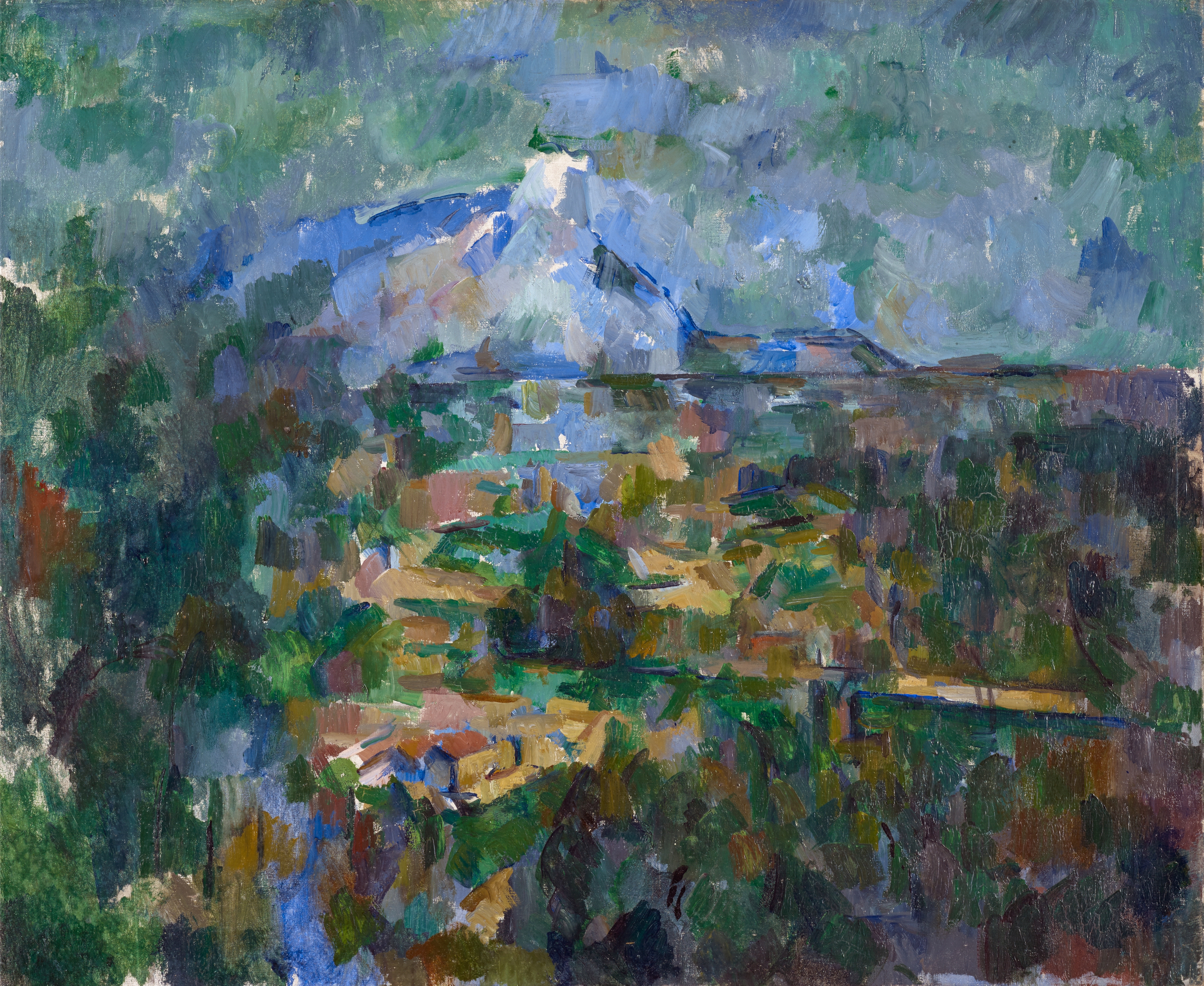
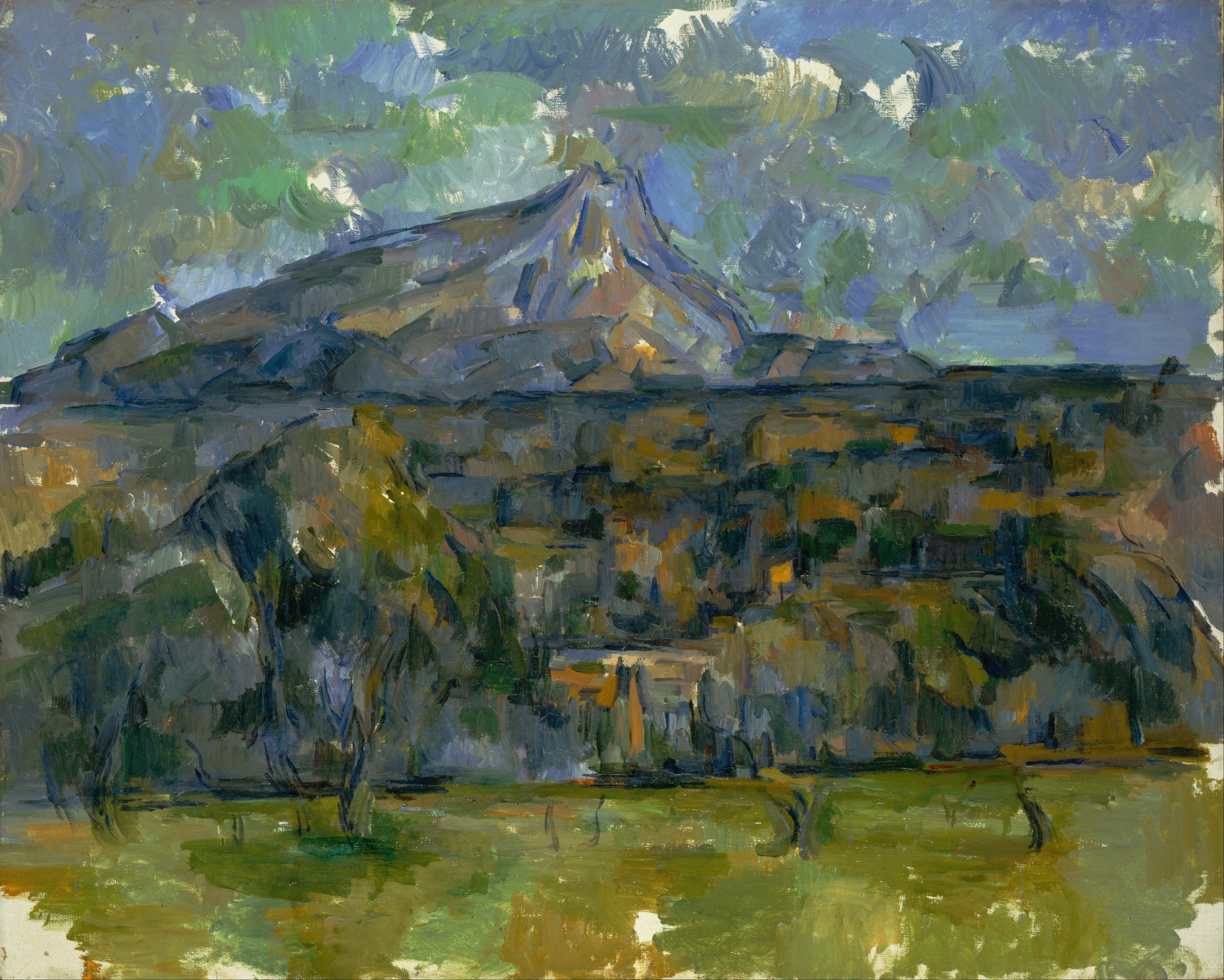
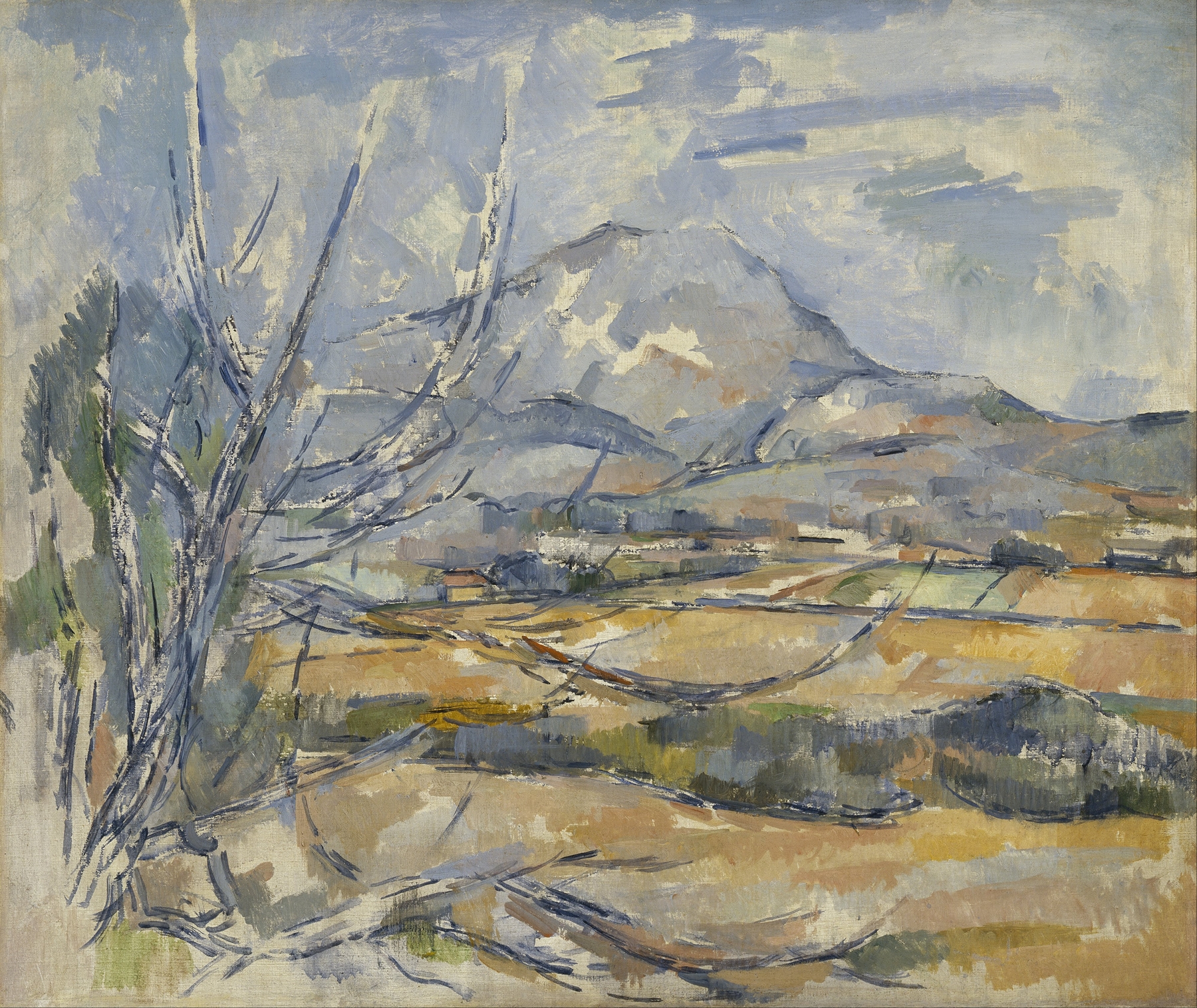
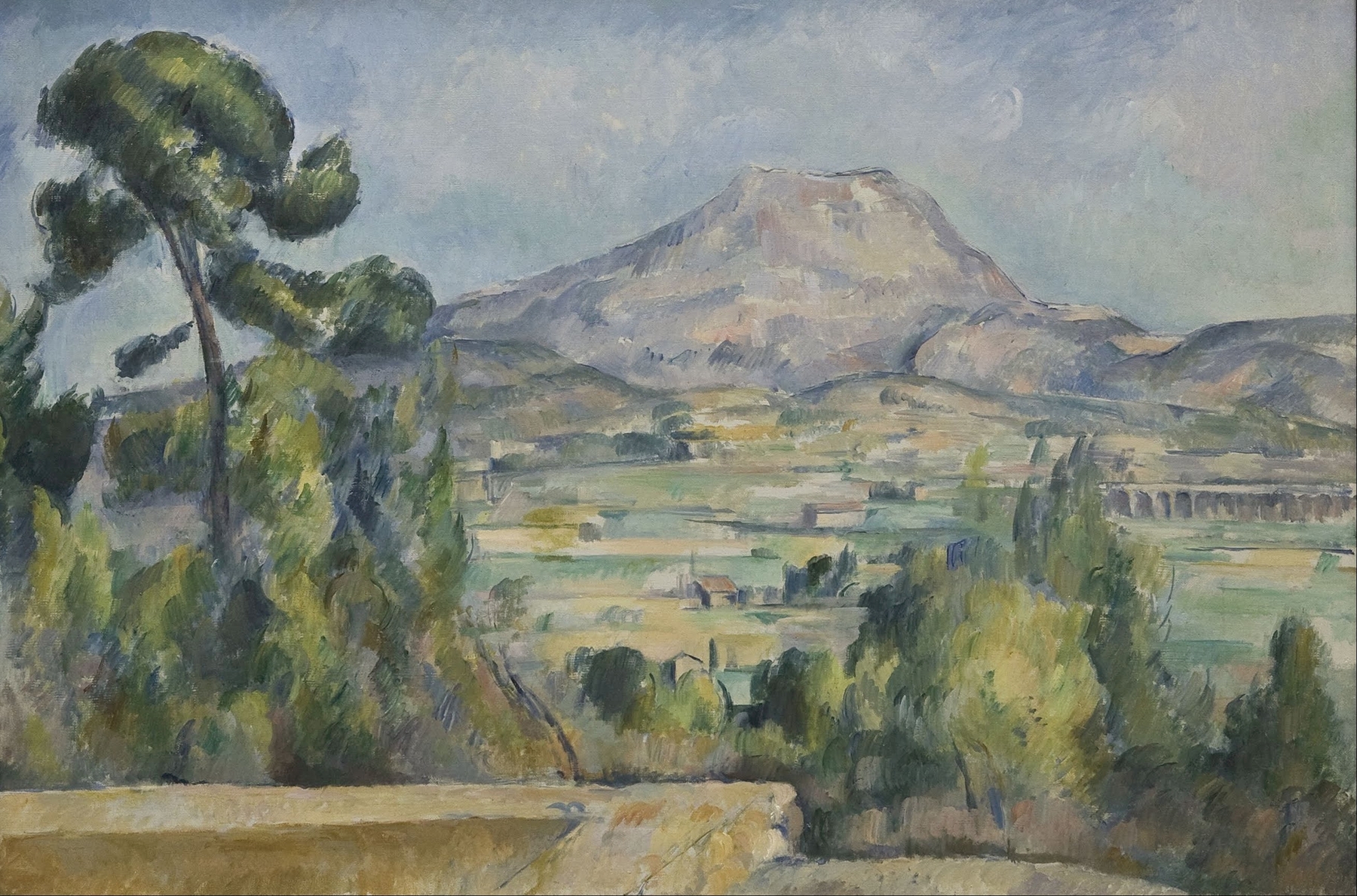
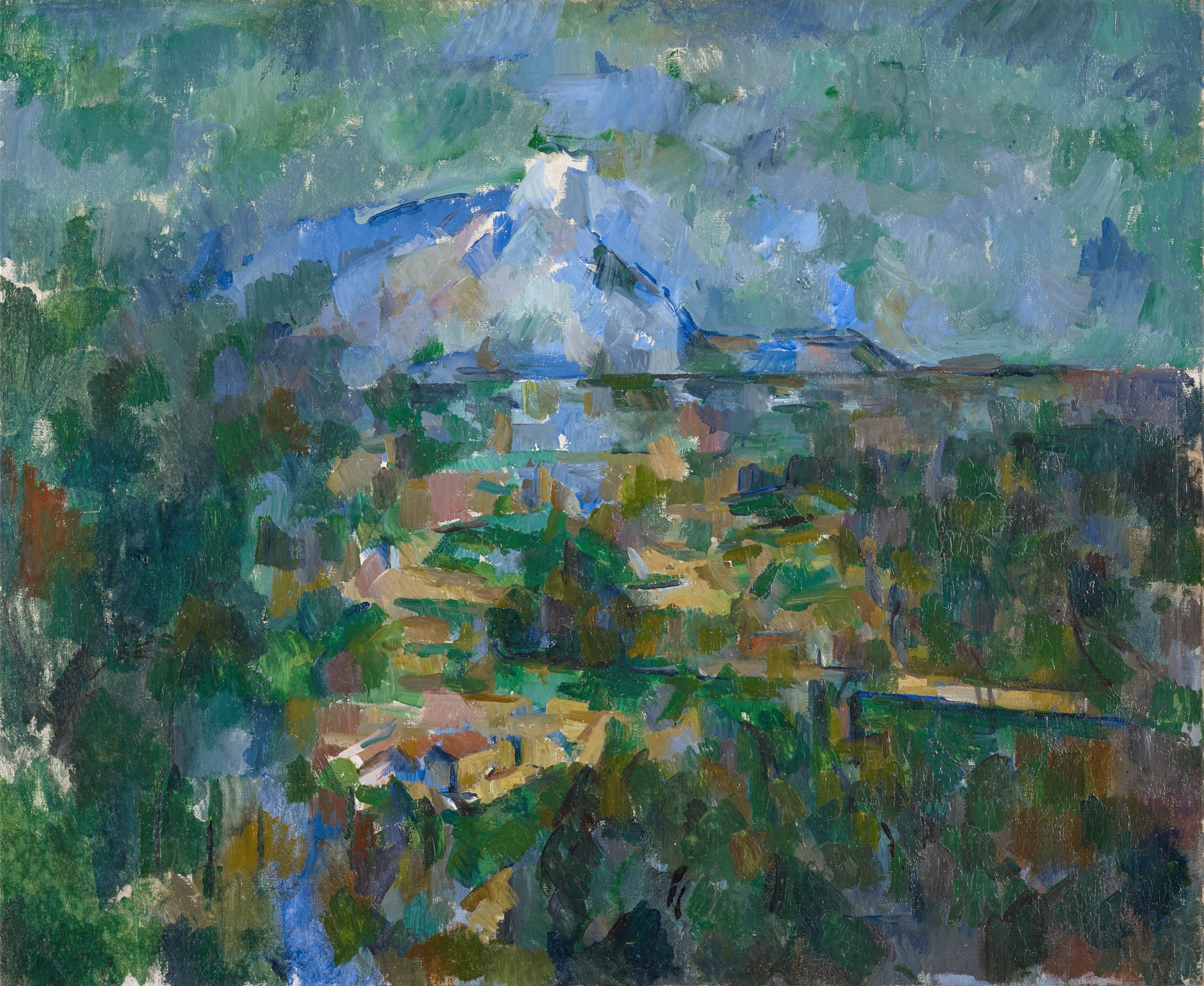
Is this a mirror — or a memory? In Mont Sainte-Victoire, the canvas holds a revelation, inviting us to explore the profound relationship between nature and the human experience. First, focus on the rugged silhouette of the mountain in the center, formed with bold, angular brushstrokes. The vibrant blues and greens blend seamlessly into each other, creating an almost mosaic-like texture that draws your gaze upward, inviting you to lose yourself in its majesty. Notice the way the light dances across the surfaces, where the yellows punctuate the greens, illuminating the landscape with a warm glow.
The composition is carefully balanced, with contrasting hues that guide your eye throughout the entirety of the piece. As you delve deeper, consider the emotional weight of this work. The mountain, a steadfast presence, embodies a sense of stability amidst the fleeting moments of life. The softer, hazy areas surrounding it suggest the ephemeral nature of memory — a juxtaposition of permanence and transience.
The brushwork, seemingly chaotic yet intentional, evokes the struggle between man's perception and the reality of nature, creating a dialogue that resonates on a personal level. During 1902 to 1906, Cézanne was in Aix-en-Provence, where he painted this iconic landscape, profoundly influenced by the Impressionist movement yet seeking to establish a new form of expression. This period marked a time of introspection for the artist, as he grappled with his unique vision amidst a world shifting toward modernity. The work encapsulates his desire to redefine how we see and understand the world around us, leaving an indelible mark on the evolution of art.