La Montagne Sainte-Victoire vue de la carrière Bibémus — History & Analysis
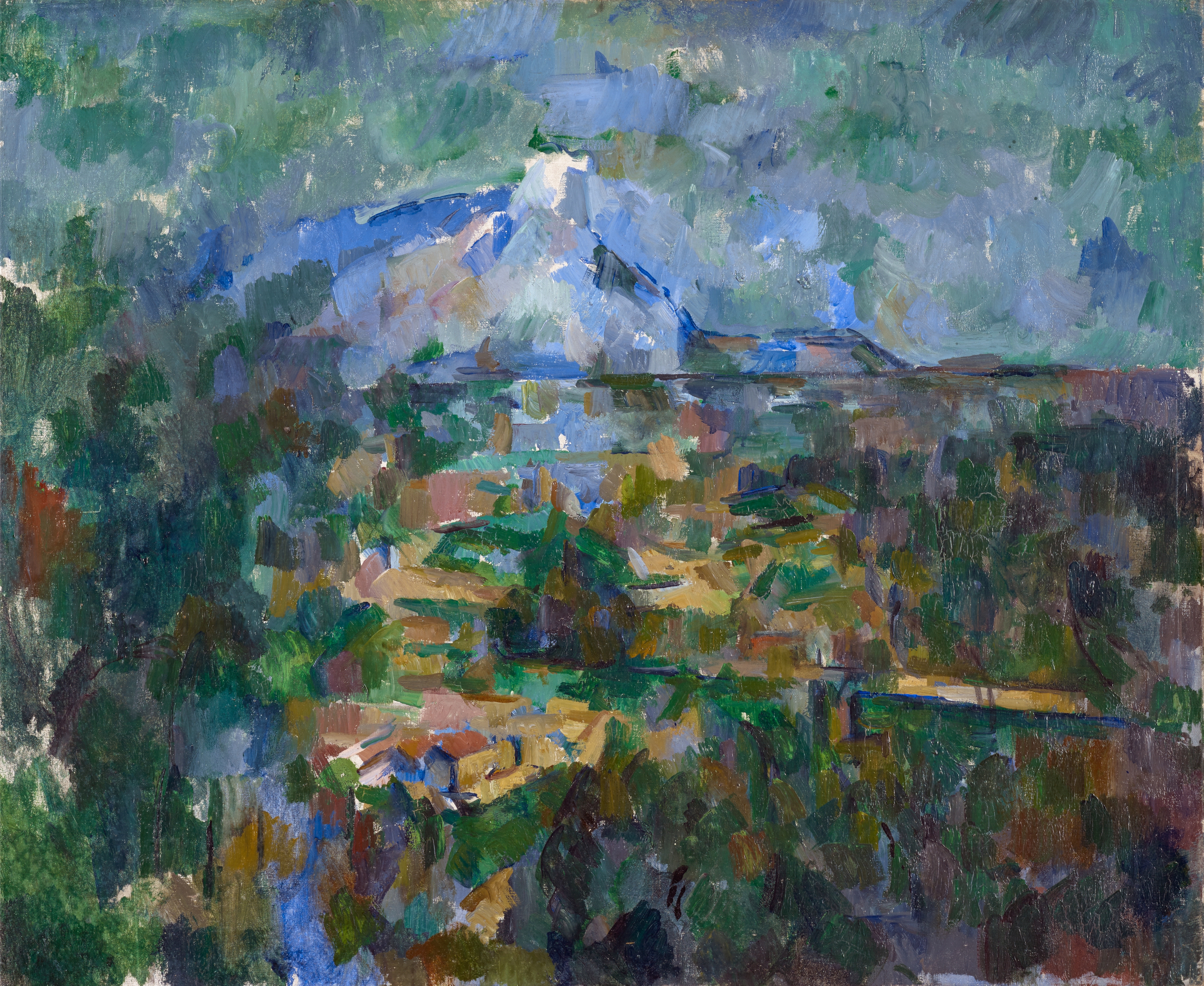
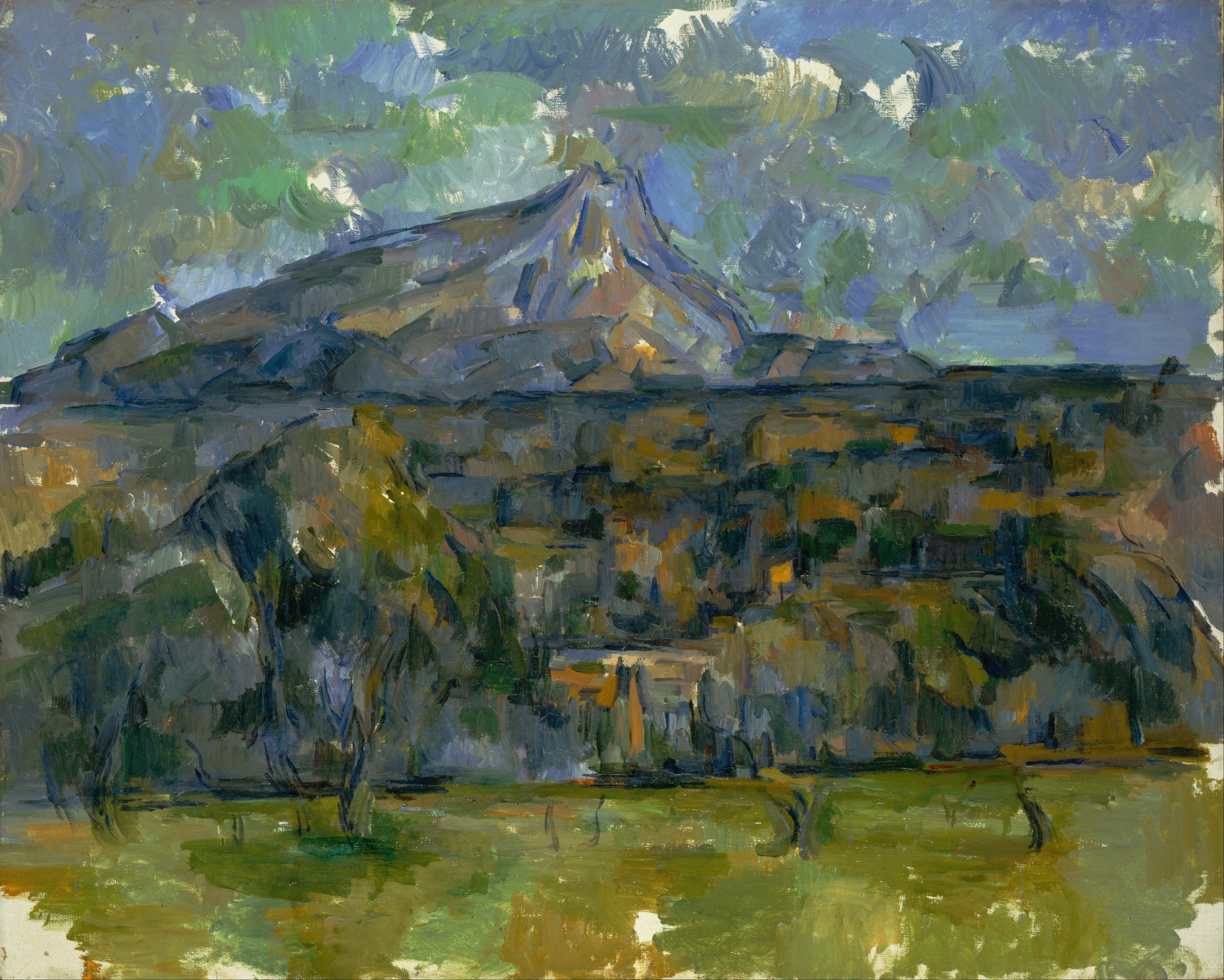
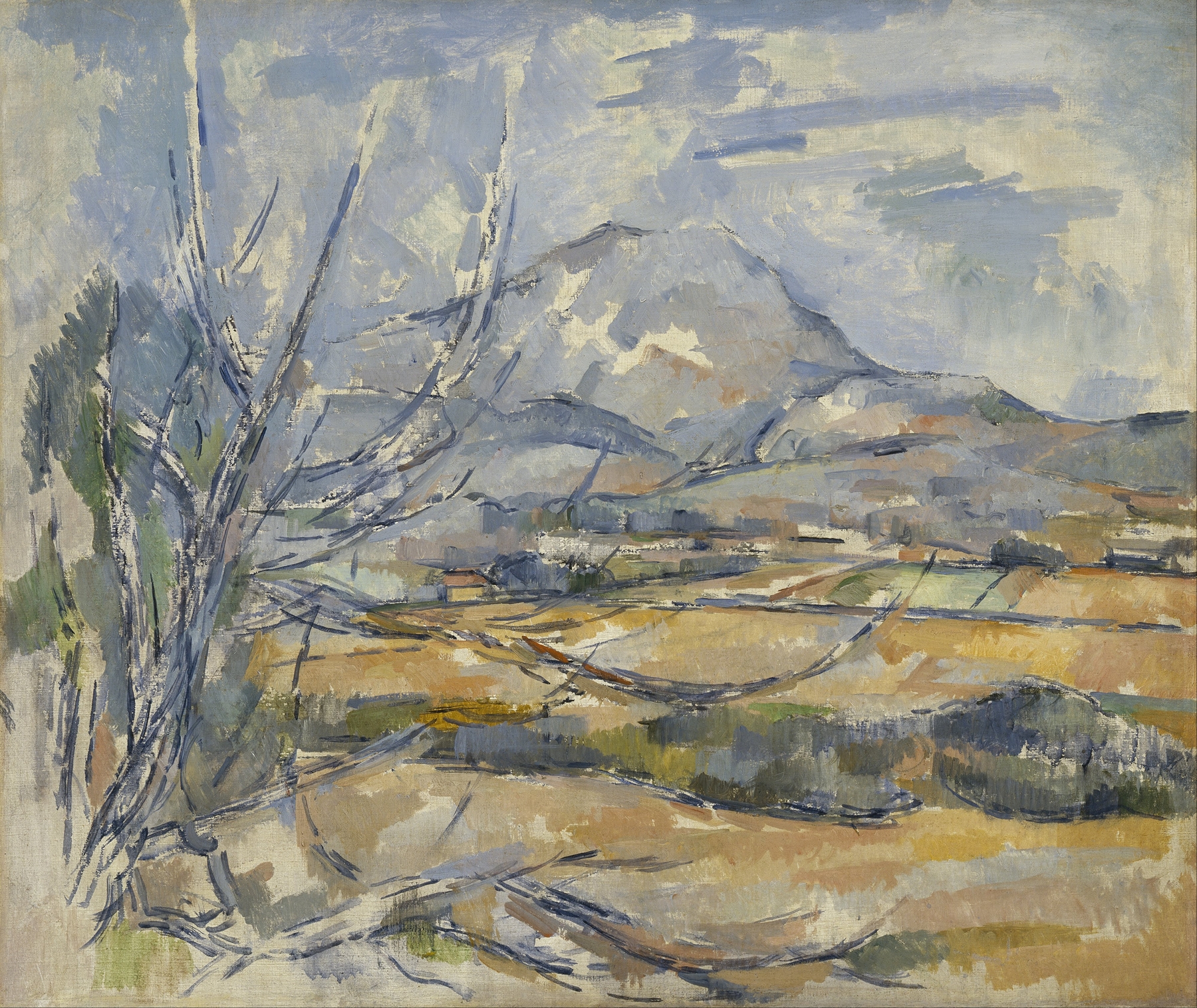
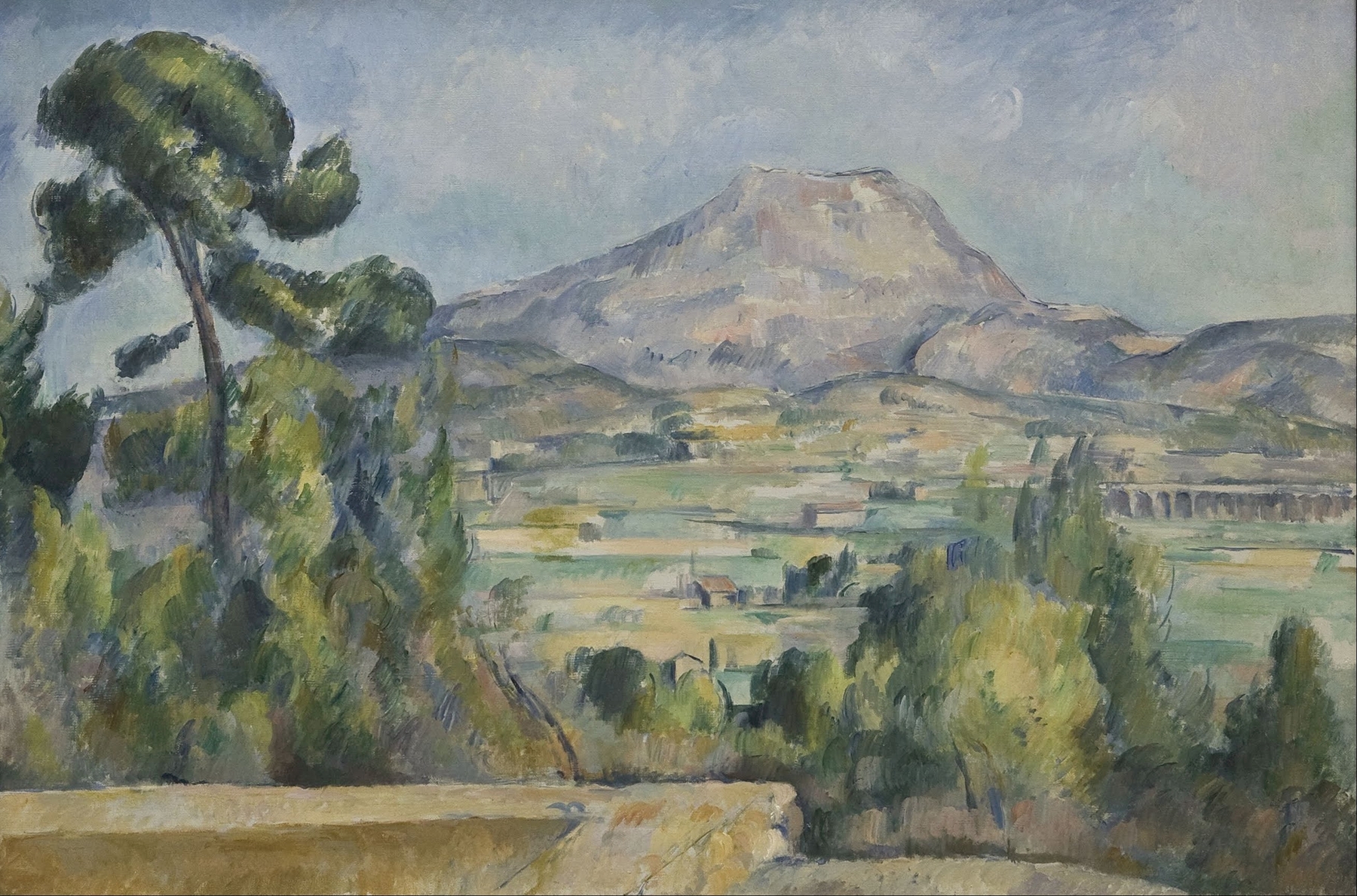
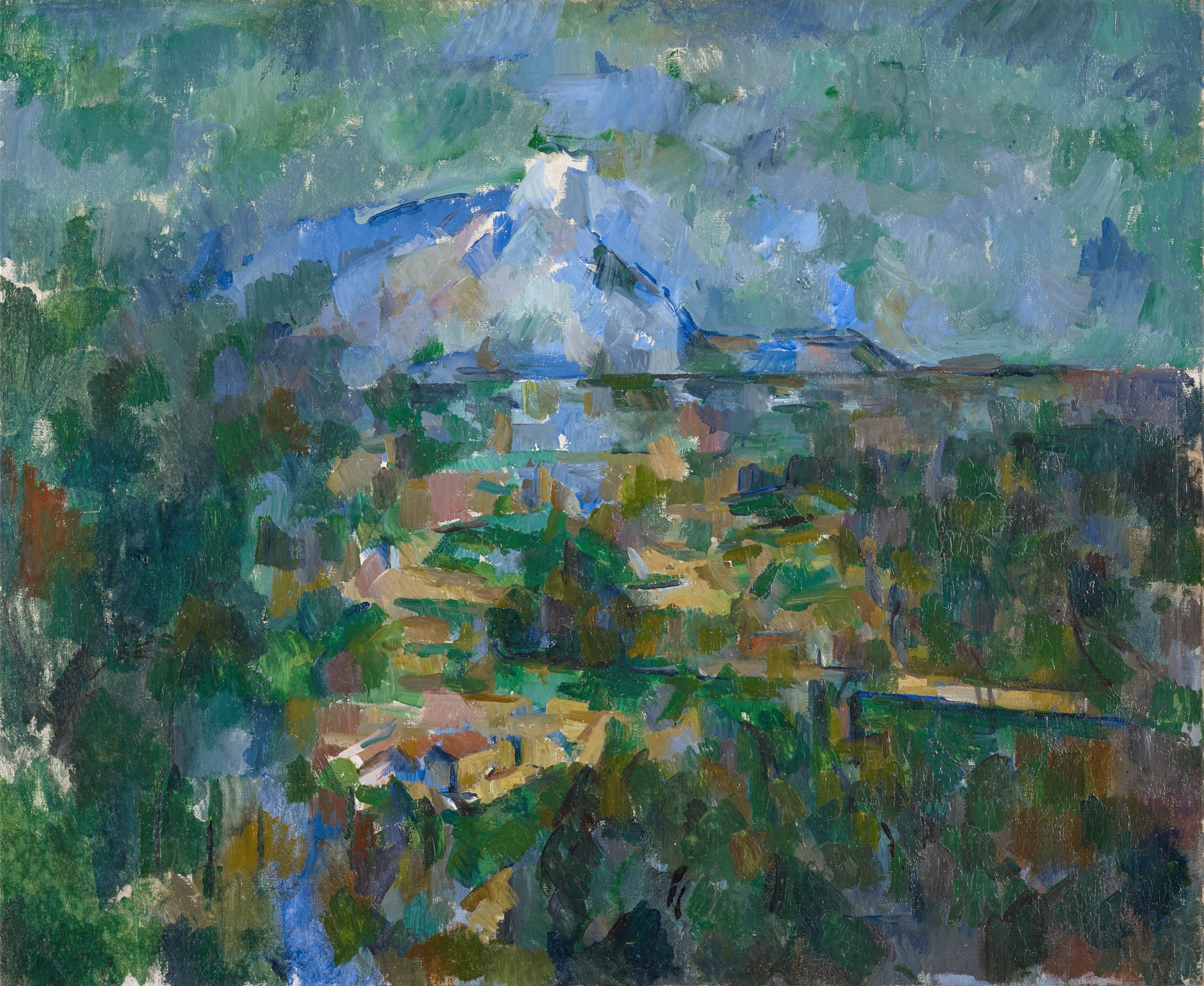
What if silence could speak through light? In La Montagne Sainte-Victoire vue de la carrière Bibémus, the vibrant hues and dynamic brushstrokes create a dialogue between stillness and movement, inviting viewers to explore the essence of nature's form. Look to the right at the majestic outline of the mountain, rising majestically against a backdrop of soft blues and radiant greens. Notice how the light dances across the surface, highlighting the textured strokes that suggest both solidity and fluidity.
The composition is anchored by the earthy tones in the foreground, where clusters of trees and rocks seem to pulse with vitality, drawing your gaze toward the looming presence of Sainte-Victoire. The emotional tension in this piece lies in the juxtaposition of tranquility and vibrancy. The mountain stands eternal, a silent witness to the transient movements of the surrounding landscape. Yet, within the undulating forms of the trees and the swirling clouds above, there's an underlying energy, as if nature is caught in a perpetual state of becoming.
This duality of permanence and change speaks to the viewer's own experience of time and existence. Cézanne painted this work in 1897 while living near Aix-en-Provence, a period marked by his increasing experimentation with color and form. The artist was deeply engaged with his quest to represent the world’s structure through a personal lens, breaking away from the impressionist techniques that had dominated his earlier works. The late 19th century was a time of great transition in the art world, as Cézanne laid foundational stones for modernism, which would redefine artistic expression in the years to come.