La plage de Trouville — History & Analysis
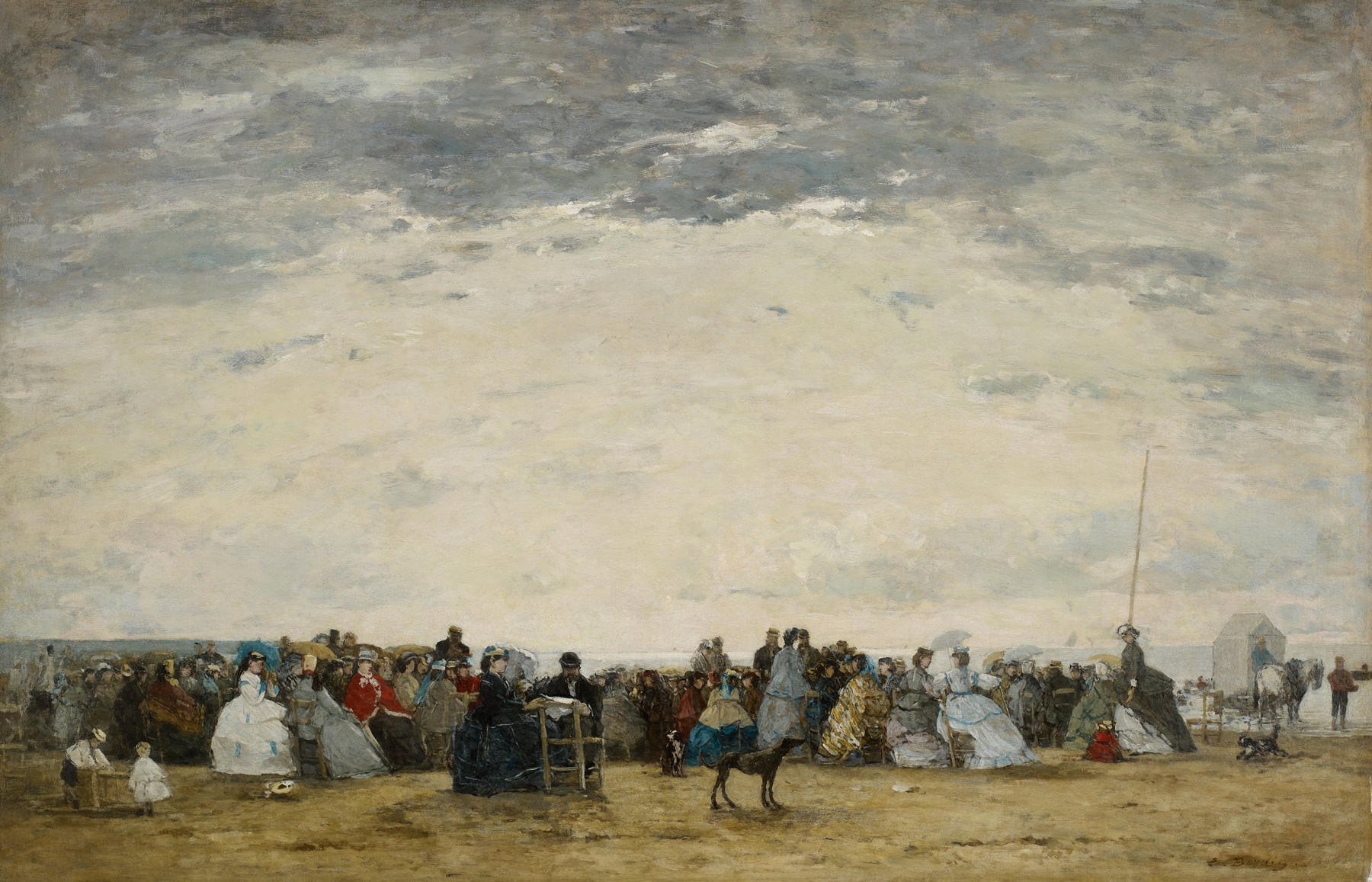
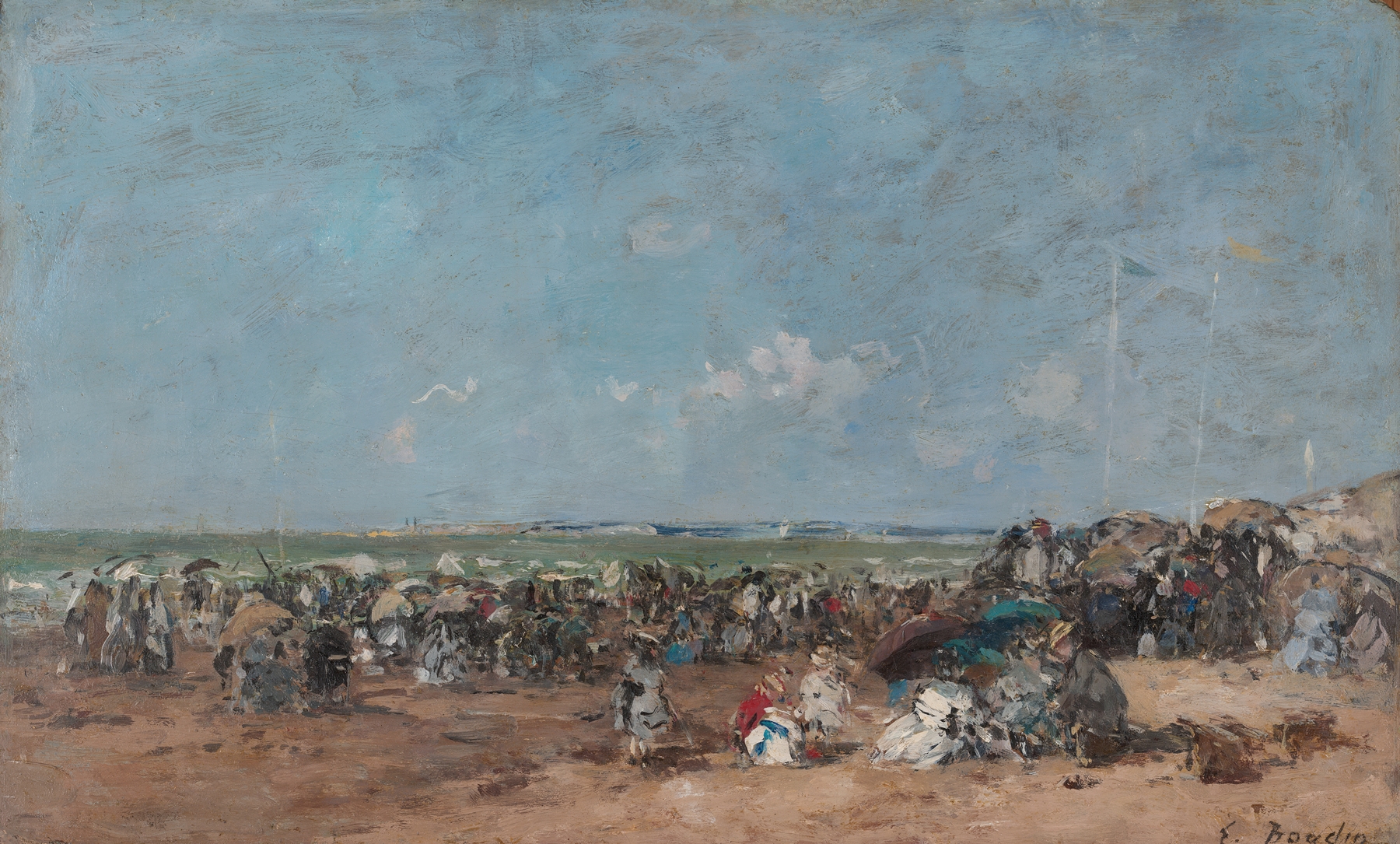
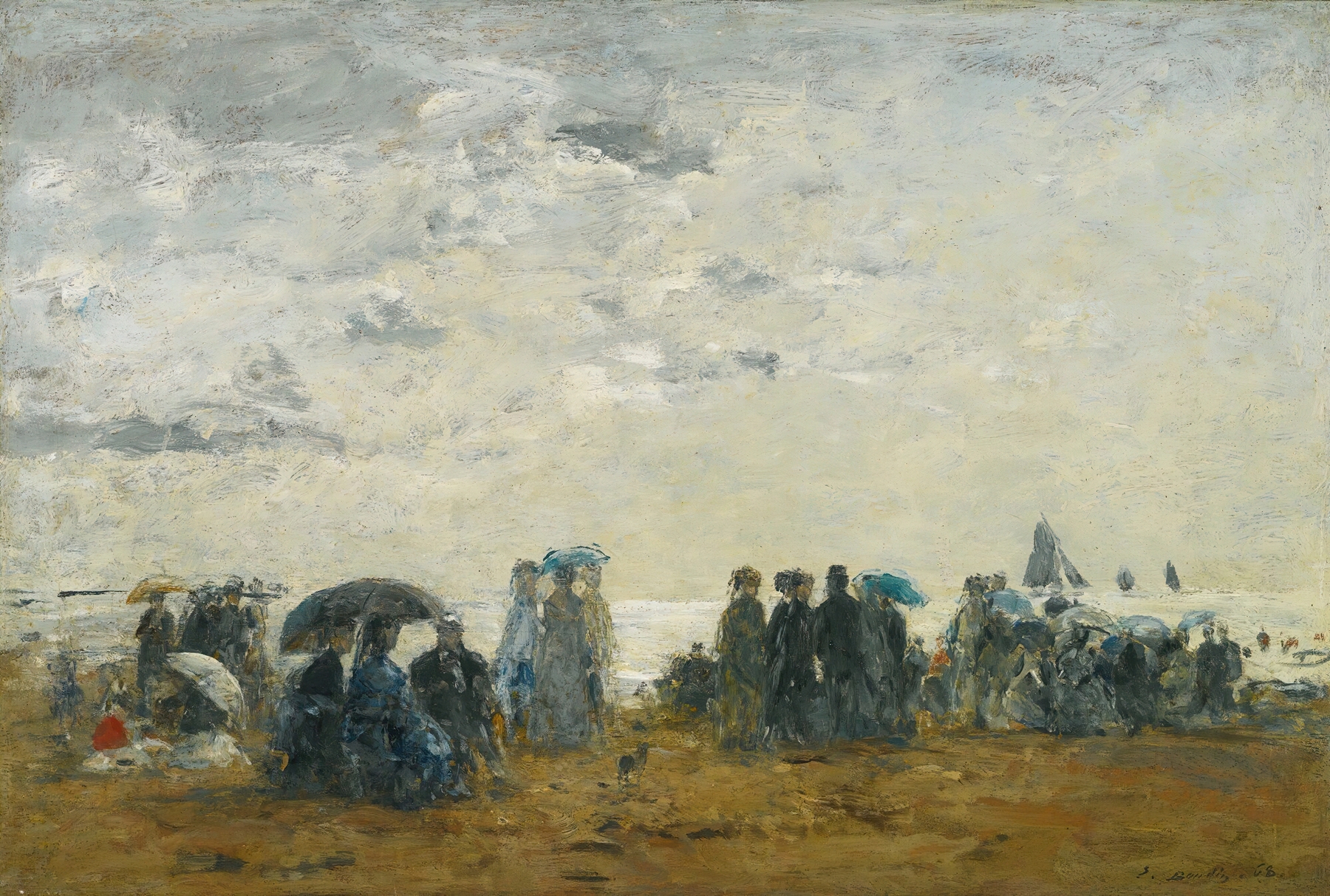
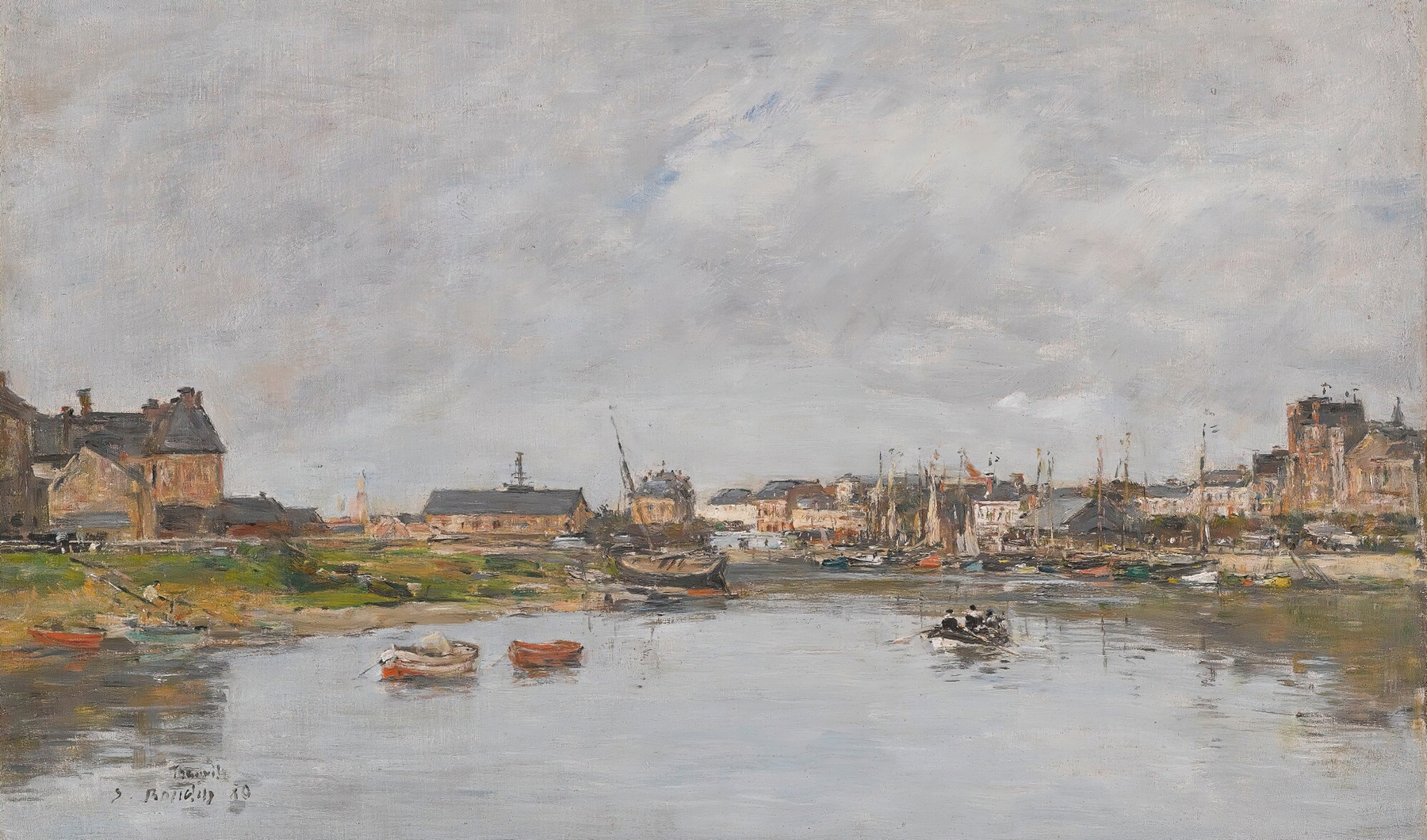
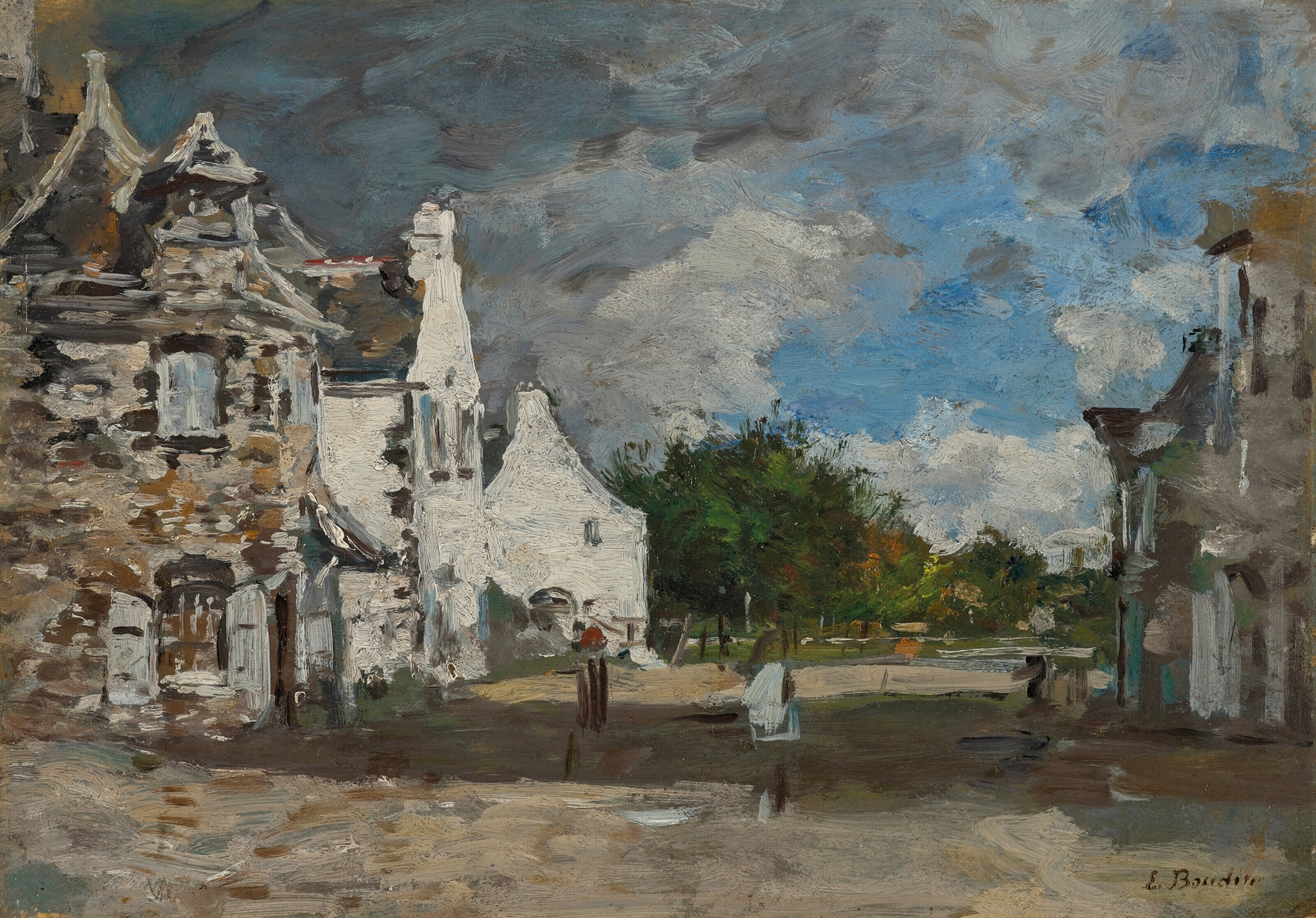
“Every brushstroke is a heartbeat remembered.” In a world on the brink of revolution, the mundane becomes extraordinary through the lens of art, capturing the fleeting moments that define existence. Look to the center of the canvas where the vibrant blue sea meets the soft beige of the sandy shore. Notice how the light dances upon the surface of the water, creating an effervescent shimmer that contrasts with the muted colors of the beachgoers. The composition invites the viewer’s eye to wander, tracing the flowing lines of the waves as they curl and recede, while the figures blend seamlessly into the landscape, suggesting a harmony between humanity and nature.
Beyond the immediate beauty, the painting subtly explores the tension between leisure and labor. The joy of the sun-soaked beach contrasts with the unseen struggles of the working class. The figures, clad in 1860s fashion, represent a society on the verge of change, where the idyllic setting masks the underlying social struggles of the time. Each element, from the billowing clouds to the distant horizon, whispers of a world that is both tranquil and tumultuous.
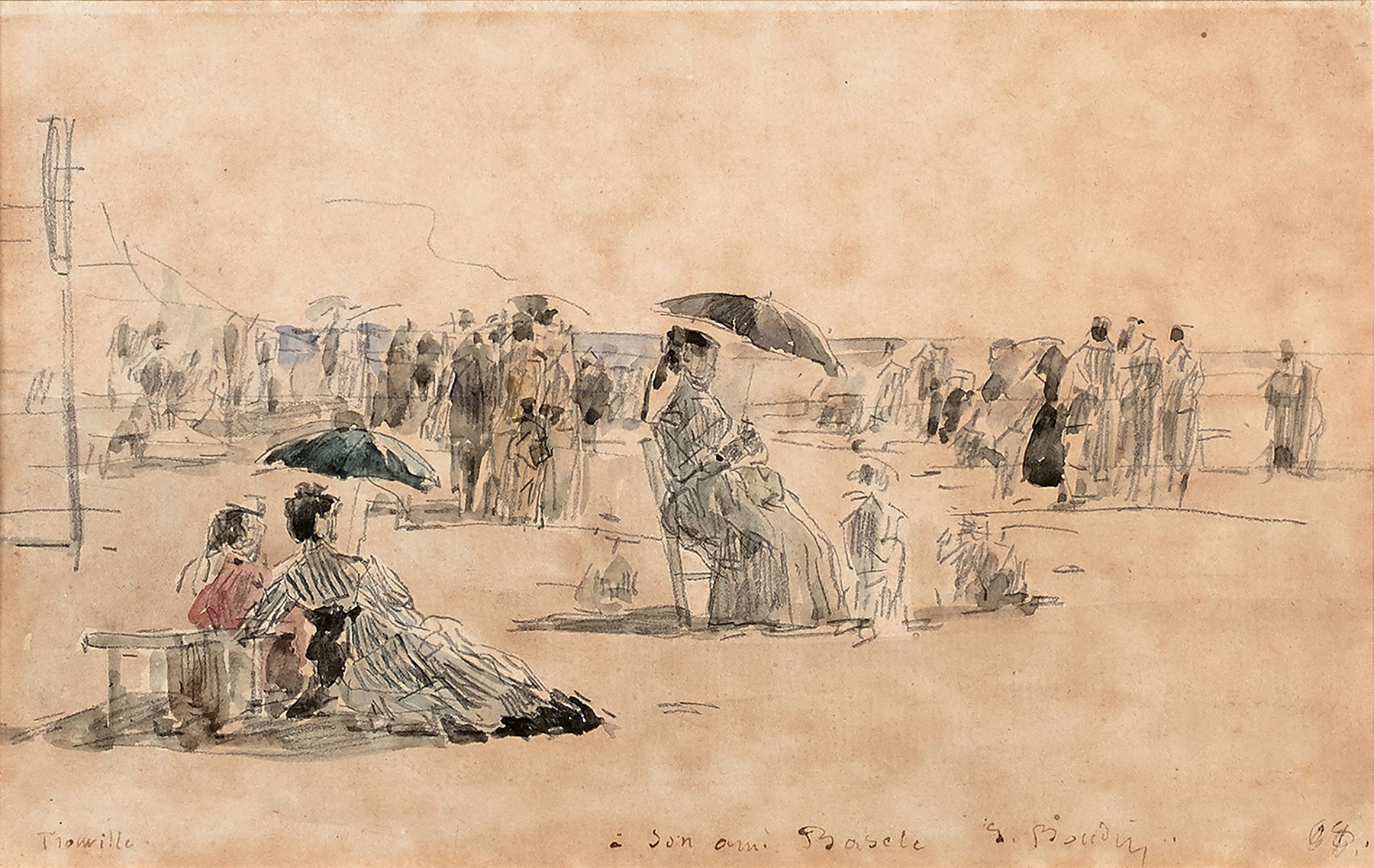
In 1863, Boudin painted this work in Trouville, a popular seaside resort for Parisians seeking respite from urban life. This period marked a significant transition in the art world as Impressionism began to take shape, with artists seeking new ways to capture the beauty of contemporary life. As Boudin embraced the play of light and color, he also captured the essence of a society in flux, paving the way for future artistic revolutions.