Washerwoman near Trouville — History & Analysis
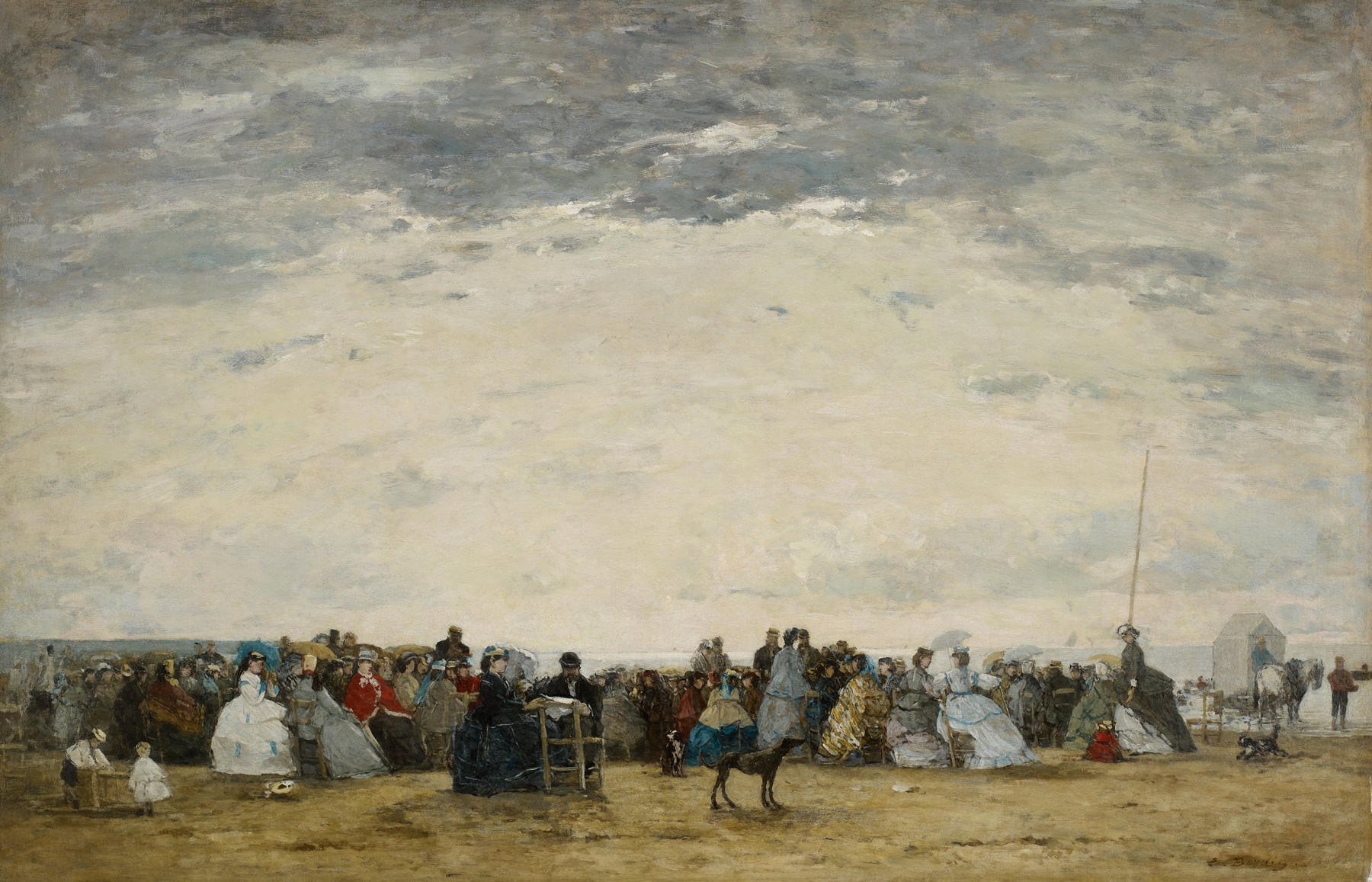
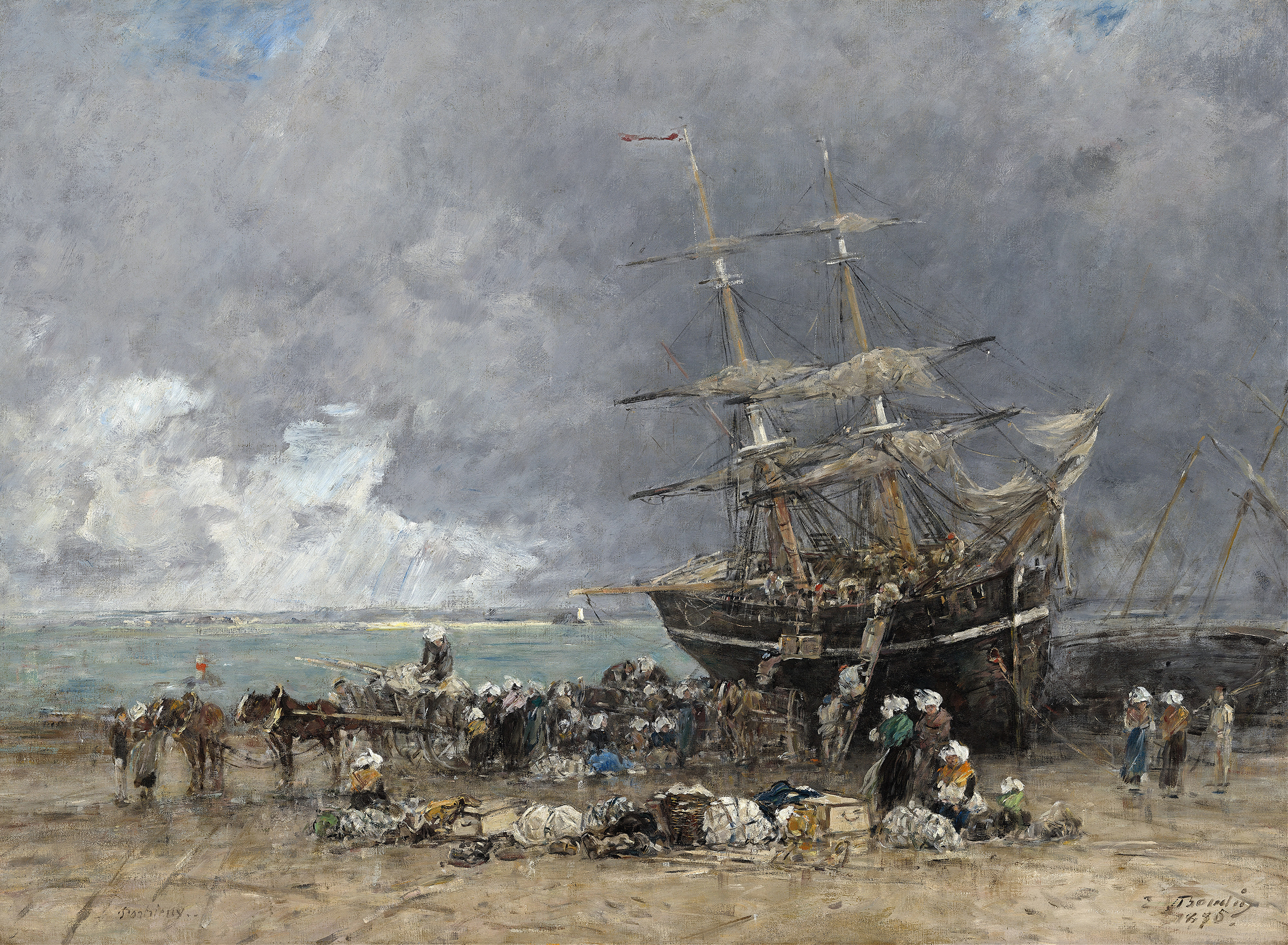
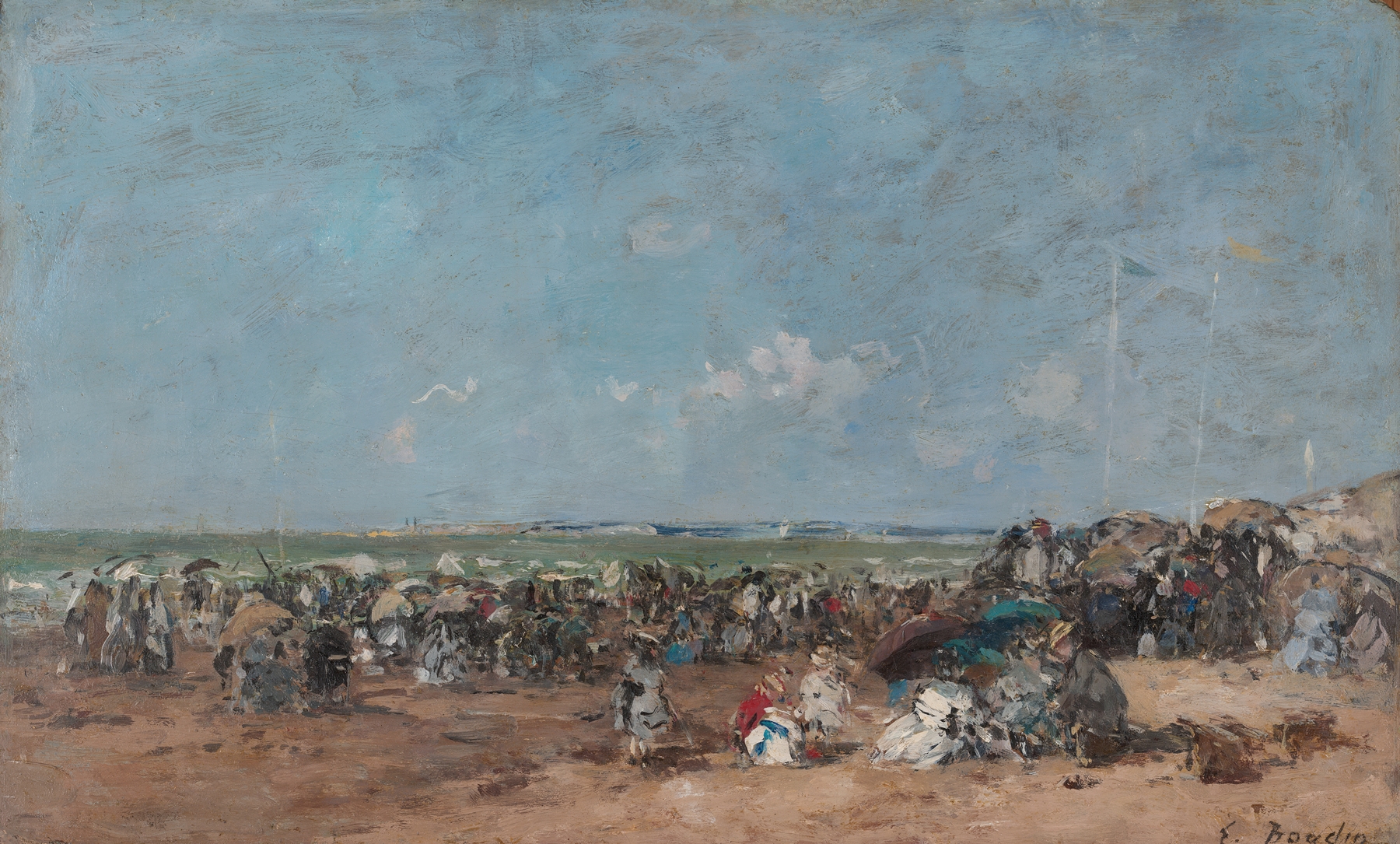
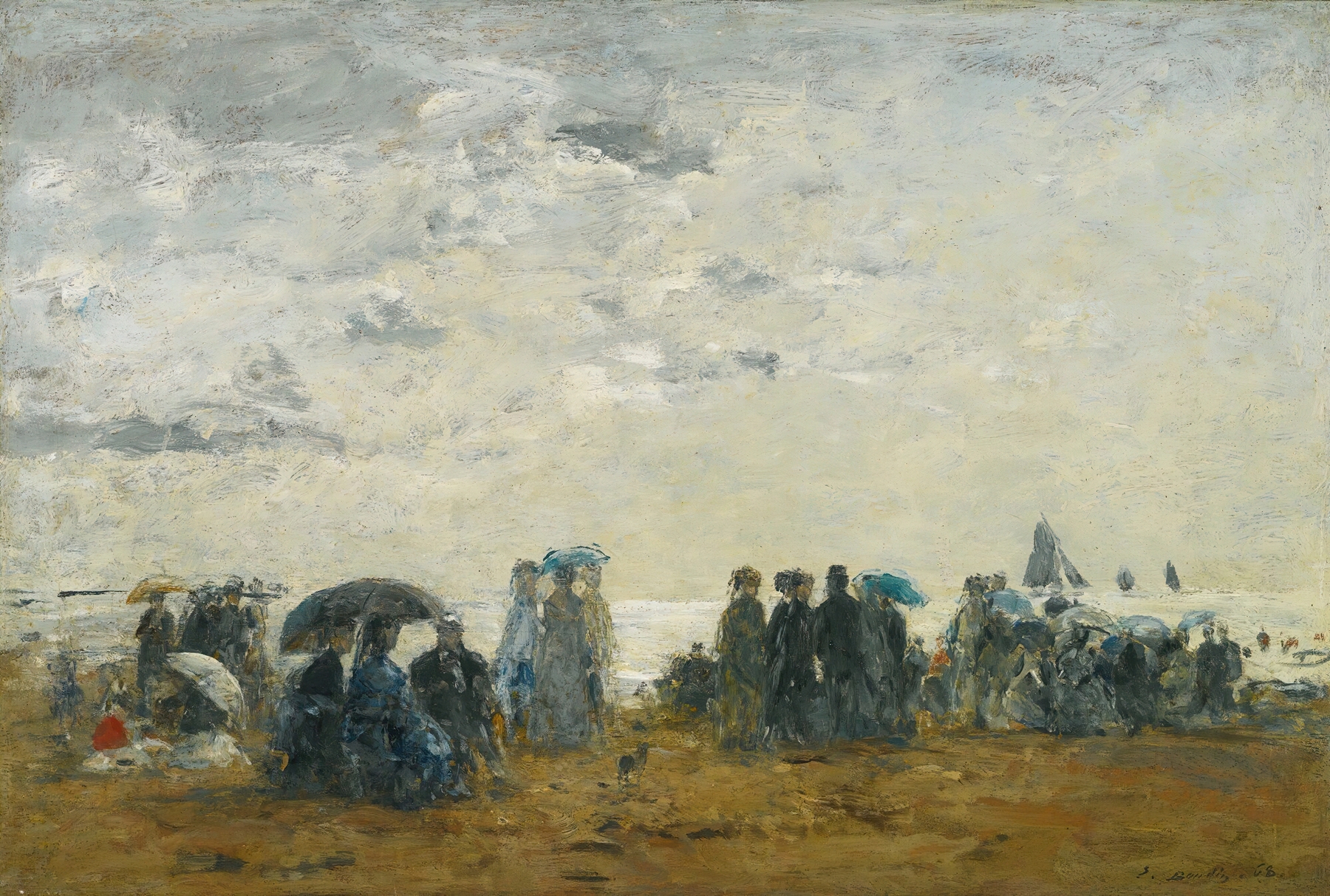
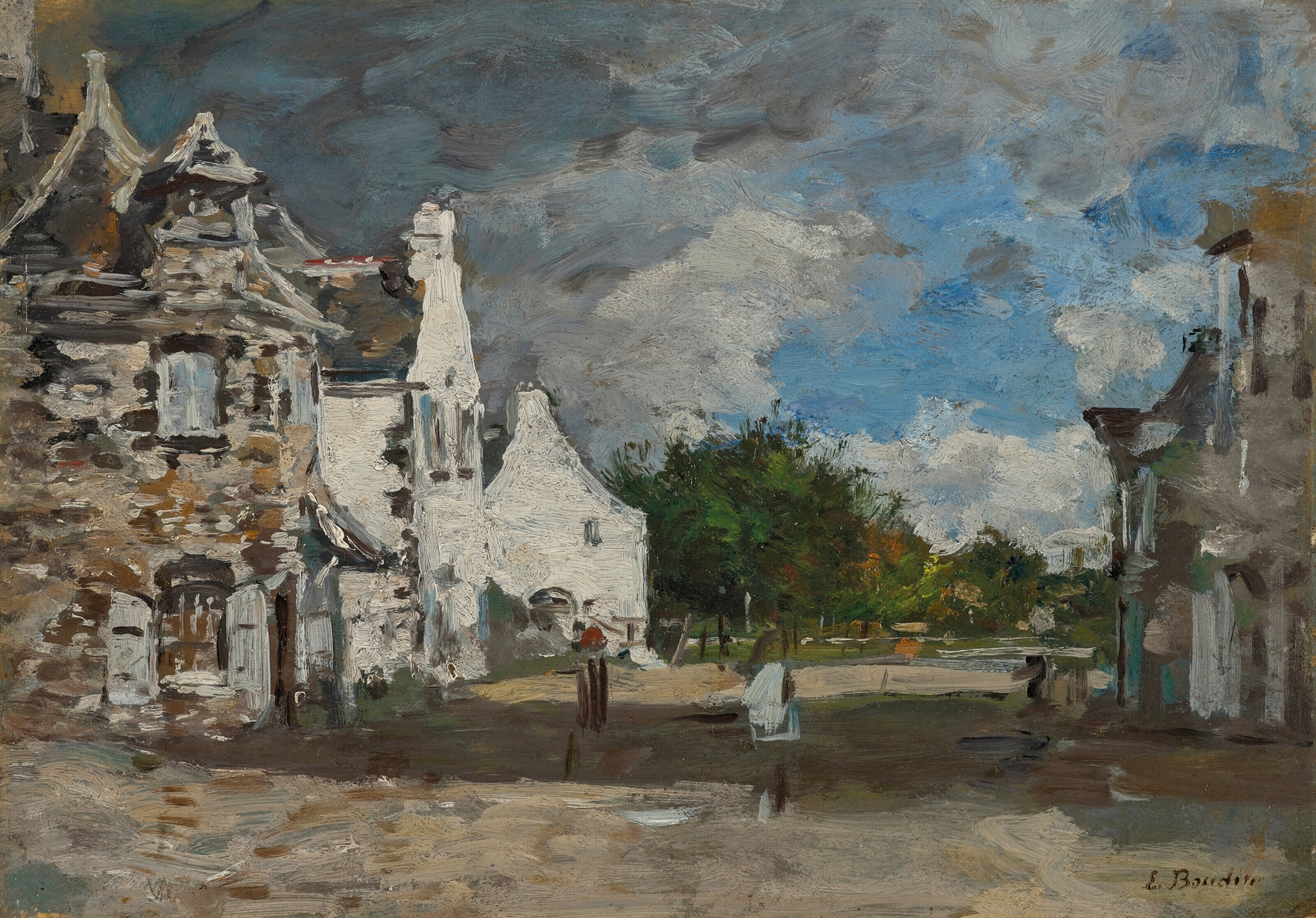
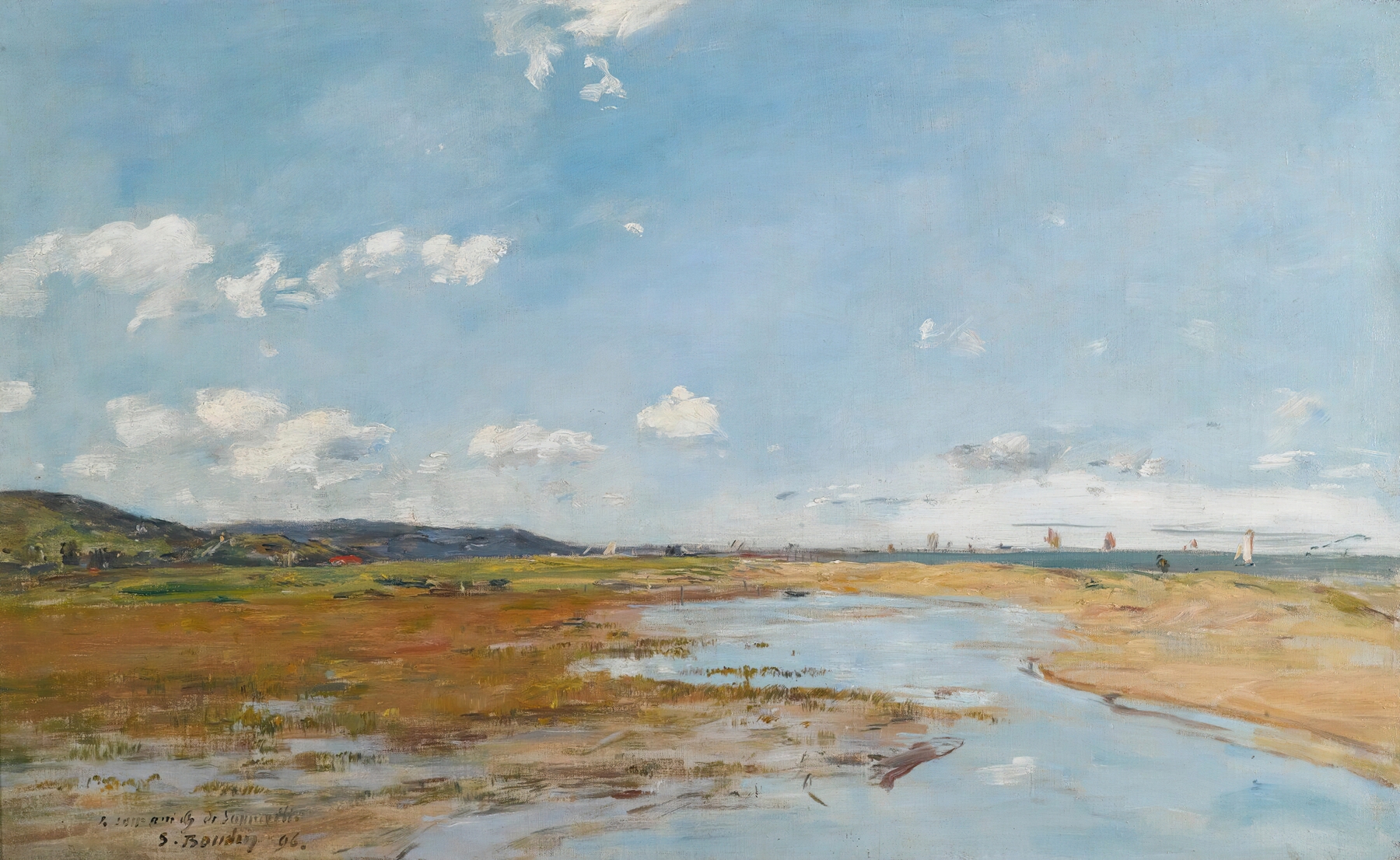
“To paint is to remember what time wants us to forget.” In the soft embrace of a summer's day, the line between reality and illusion blurs, inviting us to linger in a moment suspended in time. As a solitary figure bends to her task by the shore, there’s a poignant reminder of the beauty found in the mundane, a celebration of life’s unnoticed details. Look to the left at the delicate curve of the horizon, where a gentle, pastel sky meets the restless ocean. Notice how the light dances across the water's surface, sparkling in hues of gold and azure. The washerwoman, adorned in simple yet vibrant clothing, draws the eye with her modest yet essential presence, emphasizing her labor against the vastness of nature.
Boudin’s masterful brushwork creates a sense of movement, with soft strokes that mimic the ebb and flow of the tide, drawing the viewer into this serene moment. What seems like a tranquil scene belies deeper emotional currents. The juxtaposition of the washerwoman’s toil against the backdrop of leisure at Trouville captures the tension between labor and respite. Each stroke reflects her dedication, a silent narrative of hard work that resonates with the viewer, while the distant figures soaking in the sun hint at a world indifferent to her struggle.
In this painting, the illusion of peacefulness is undercut by the reality of relentless labor, evoking empathy and connection. Boudin painted this piece during a time of artistic evolution in the late 19th century, embracing outdoor scenes that celebrated ordinary life. Living in France, he found inspiration in the picturesque coastal town of Trouville, where he sought to capture the transient nature of human experience amidst the beauty of the landscape. This period marked the rise of Impressionism, as artists began to explore light, color, and the passage of time—an exploration that would forever change the trajectory of art history.