Return of the Terre-Neuvier — History & Analysis
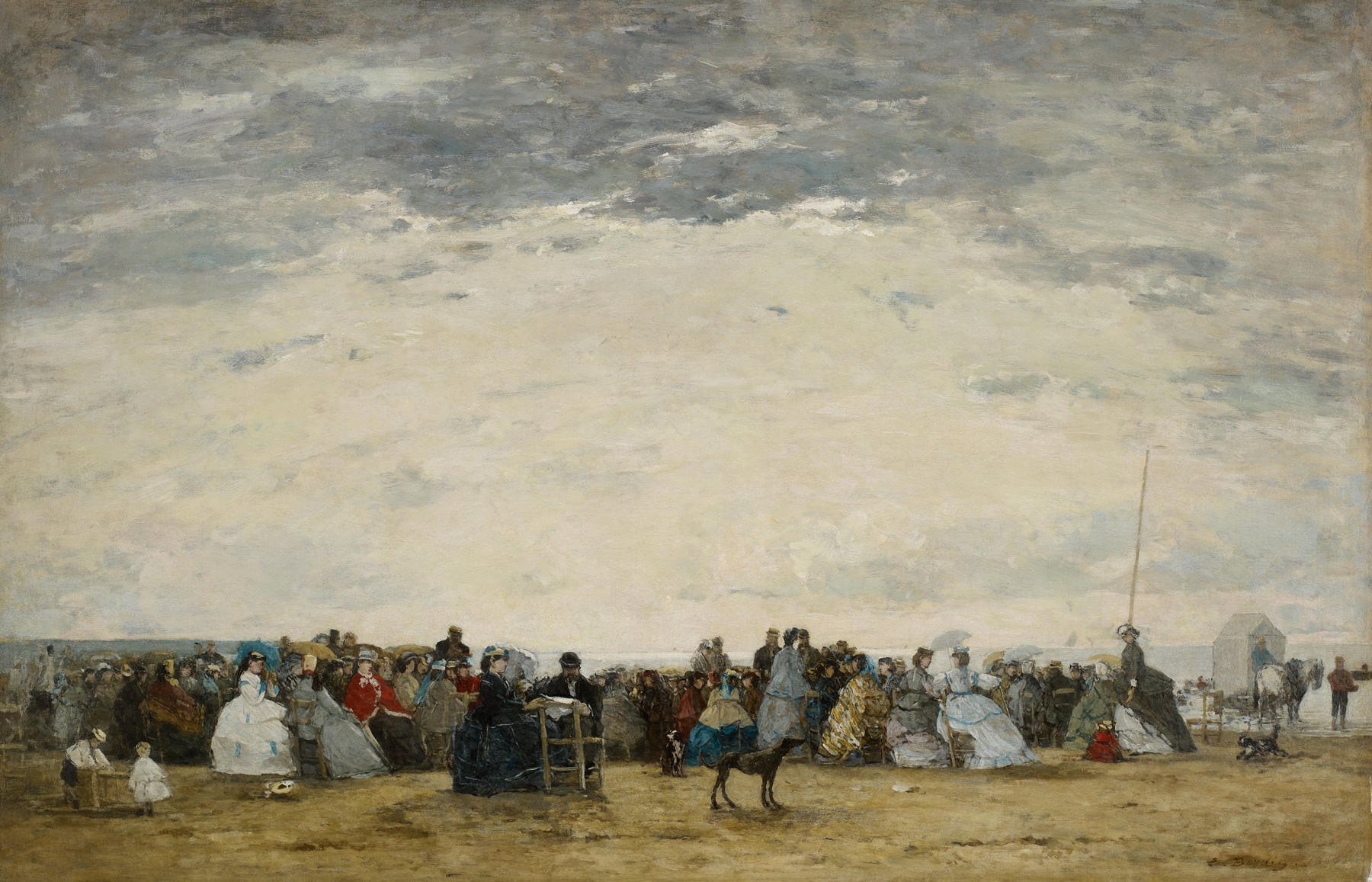
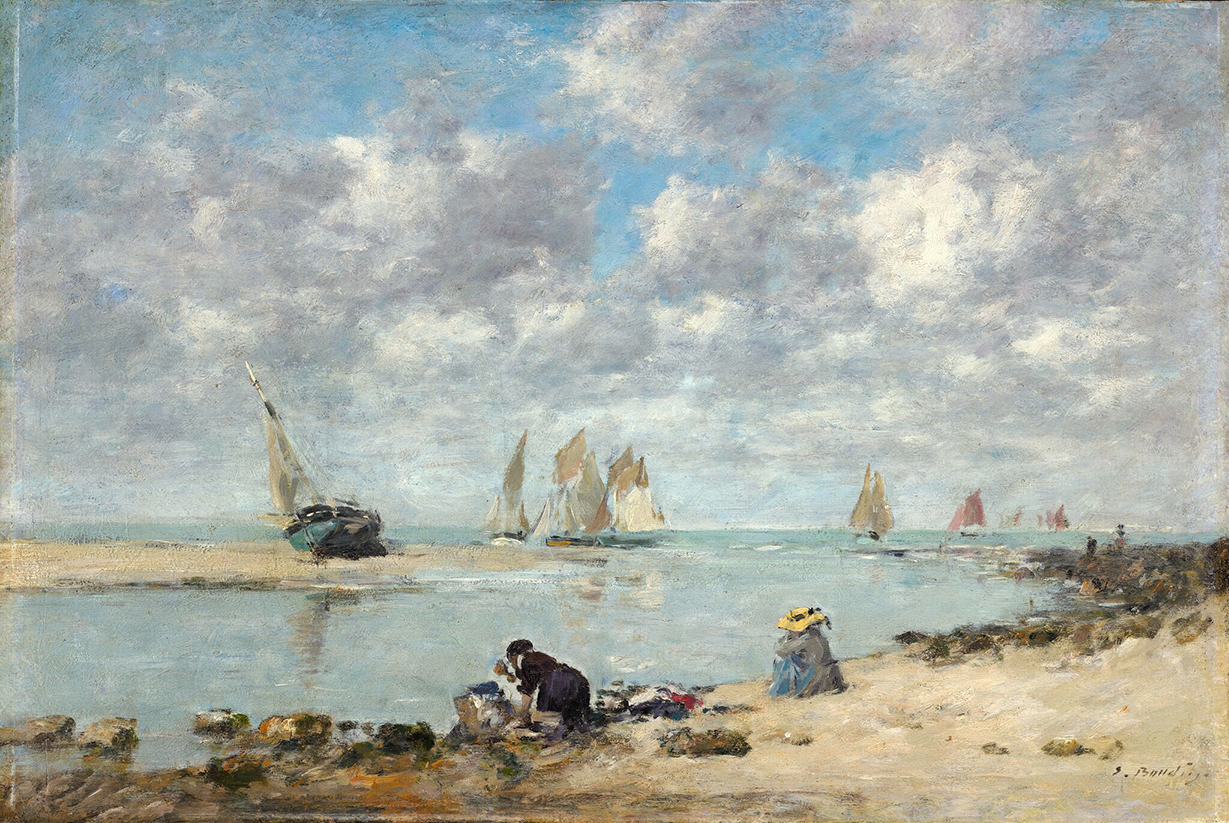
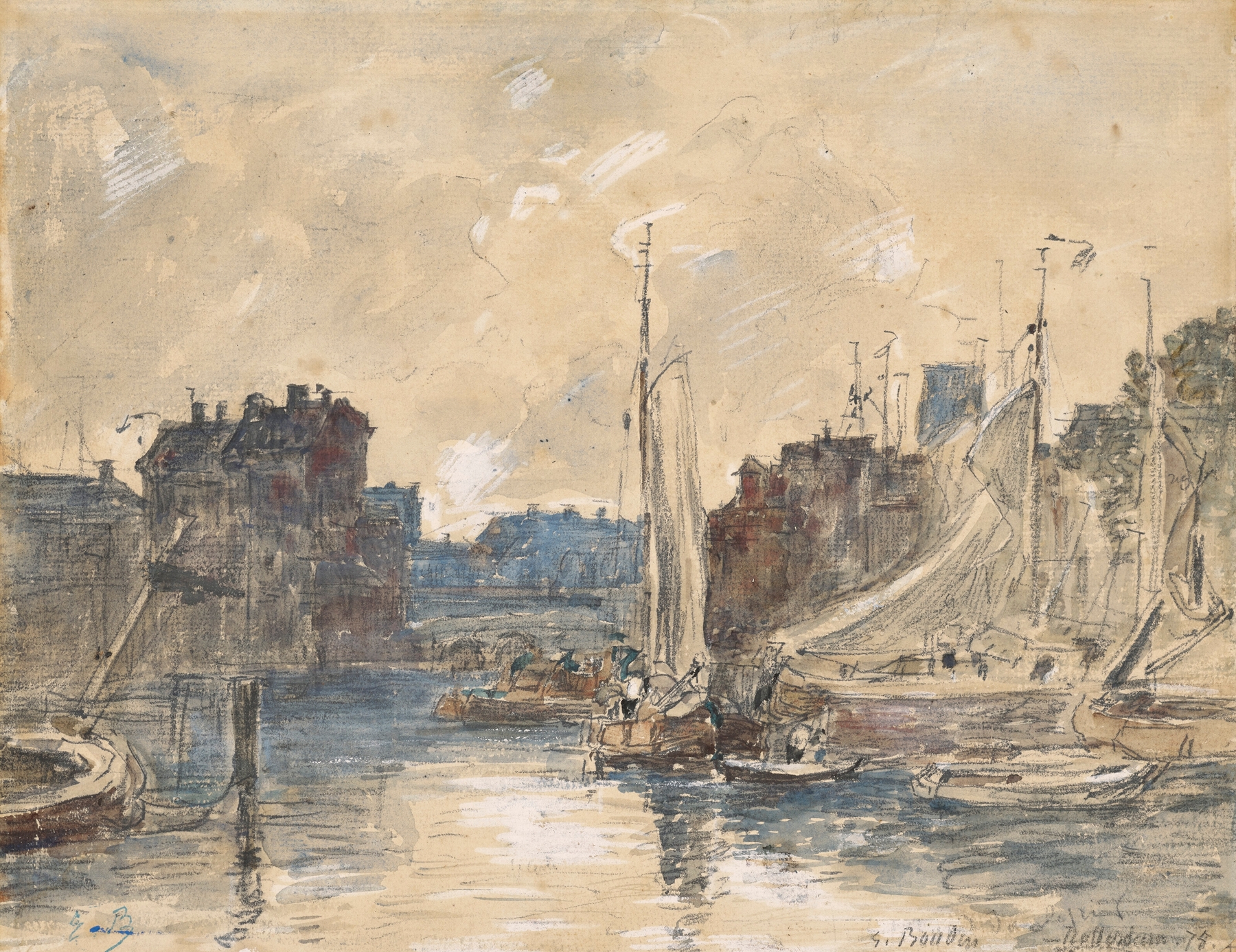
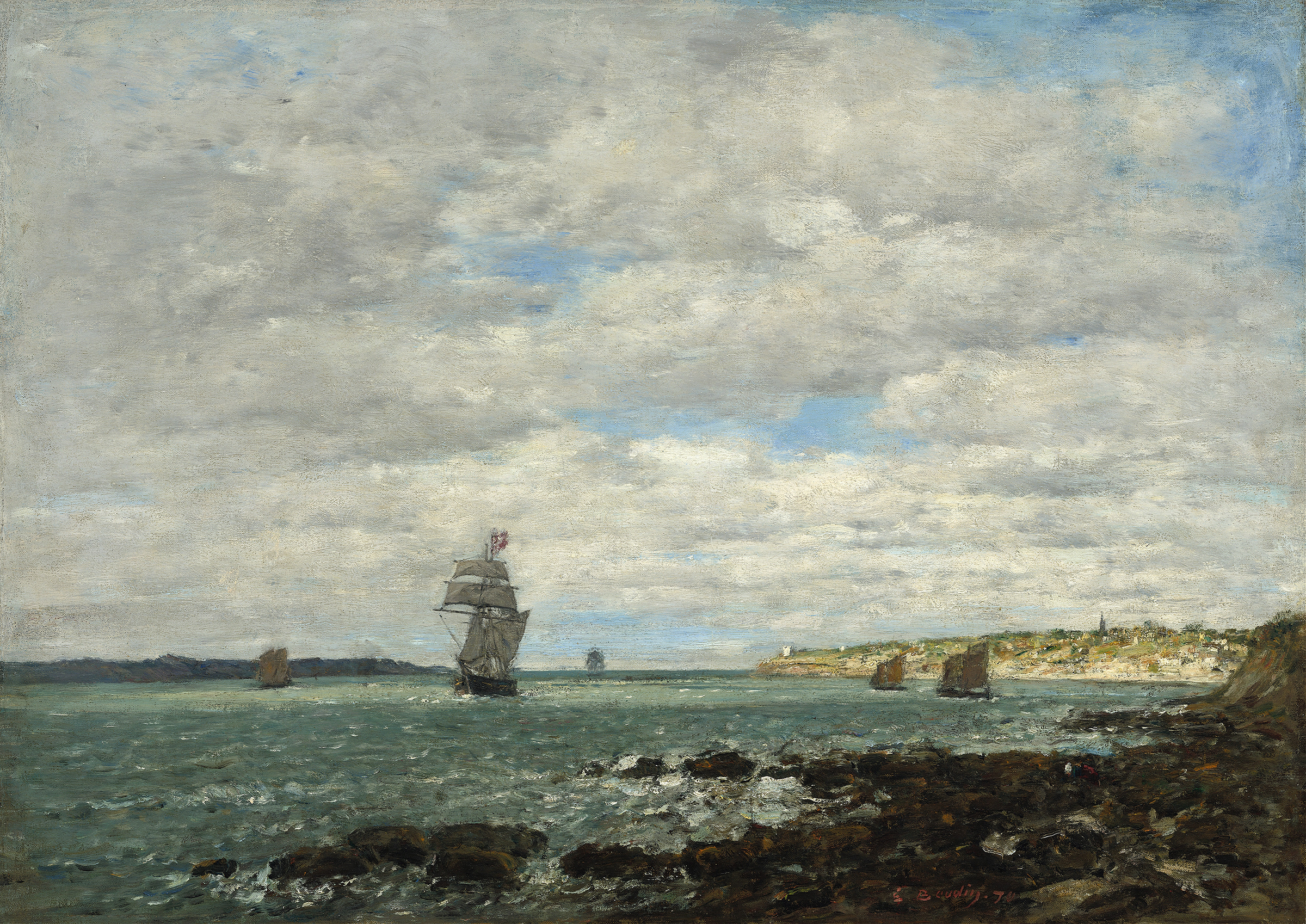
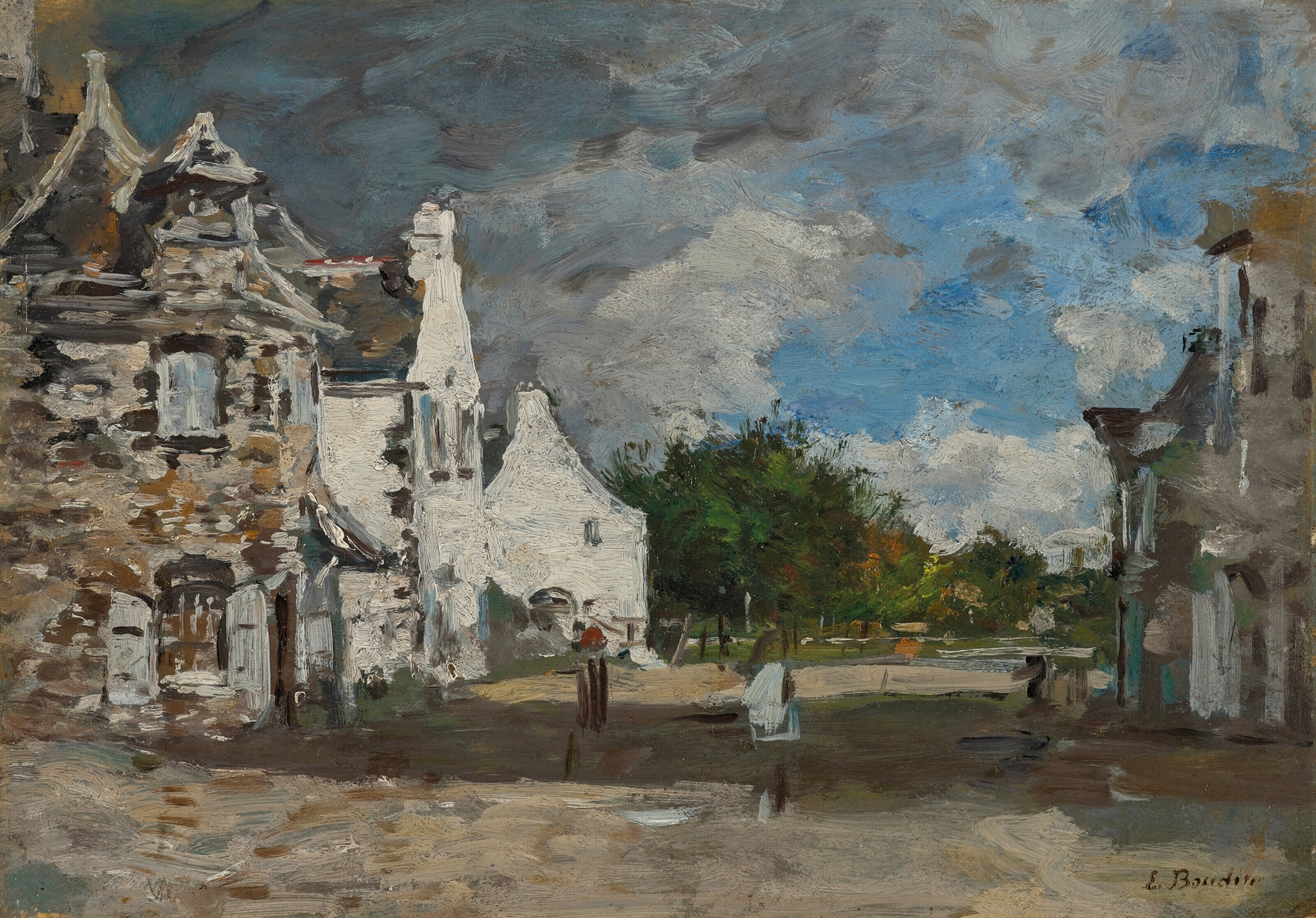
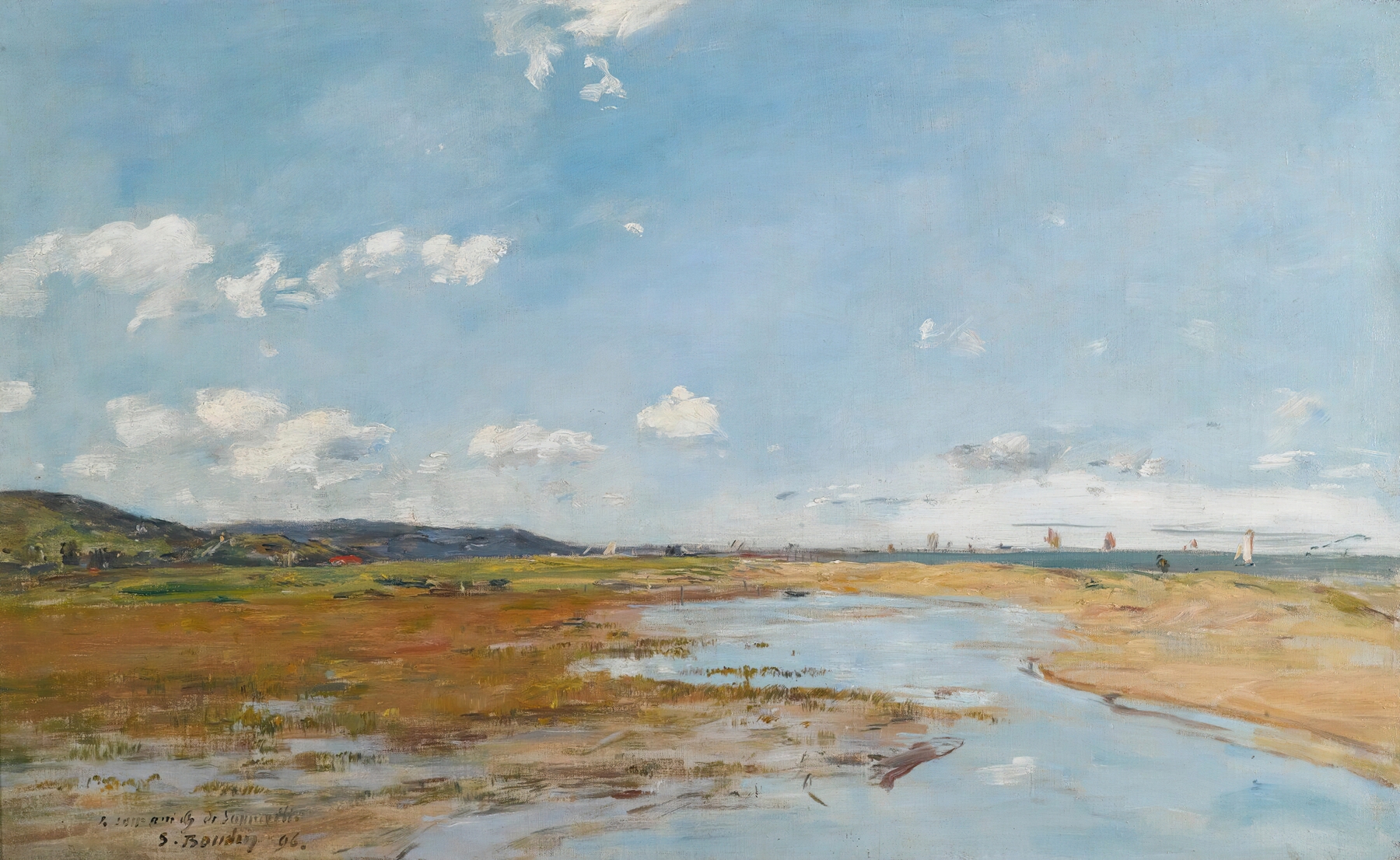
Can beauty exist without sorrow? In Return of the Terre-Neuvier, a poignant tableau unfolds, encapsulating the fragile balance between hope and loss that defines the human experience. Look to the horizon where the gentle waves meet the sky, painted in soft blues and grays that speak of both calm and tempest. Notice how the boats, their sails taut with the wind, echo the resilience of those who venture forth, while the figures on the shore appear almost ghostly, as if caught in a moment of waiting.
The delicate brushwork captures the shimmering light reflecting off the water, creating a dance of color that hints at both the promise of return and the weight of what might be lost. The interplay of light and shadow deepens the emotional resonance of the scene. The vibrant hues of the sails stand in stark contrast to the muted palette of the shoreline, reflecting the hope of the fishermen against the backdrop of the unknown. Each figure's gesture carries a story; the way they lean into the wind suggests anticipation, but their distant gazes suggest an undercurrent of grieving, a reminder of the lives intertwined with the sea and its uncertainty.
Created in 1875, Return of the Terre-Neuvier emerged during a transformative period for Eugène Boudin, who was deeply inspired by the coastal landscapes of Normandy. As the Impressionist movement gained momentum, Boudin found his voice in capturing the interplay of light and atmosphere, positioning himself as a precursor to the wave of modern art that was soon to follow. The painting reflects not only personal themes of longing and loss but also the shifting tides of artistic expression during a time of great change.