La Seine à Argenteuil — History & Analysis
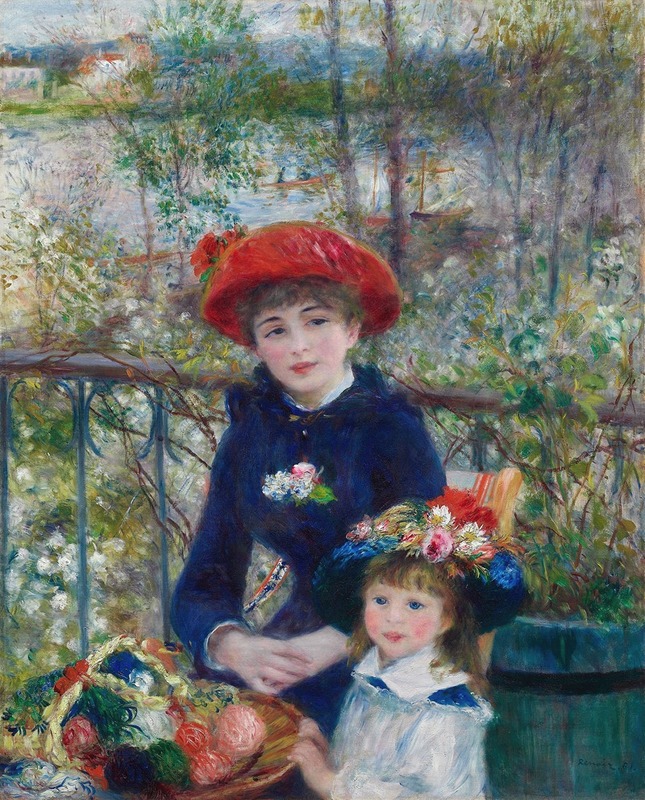
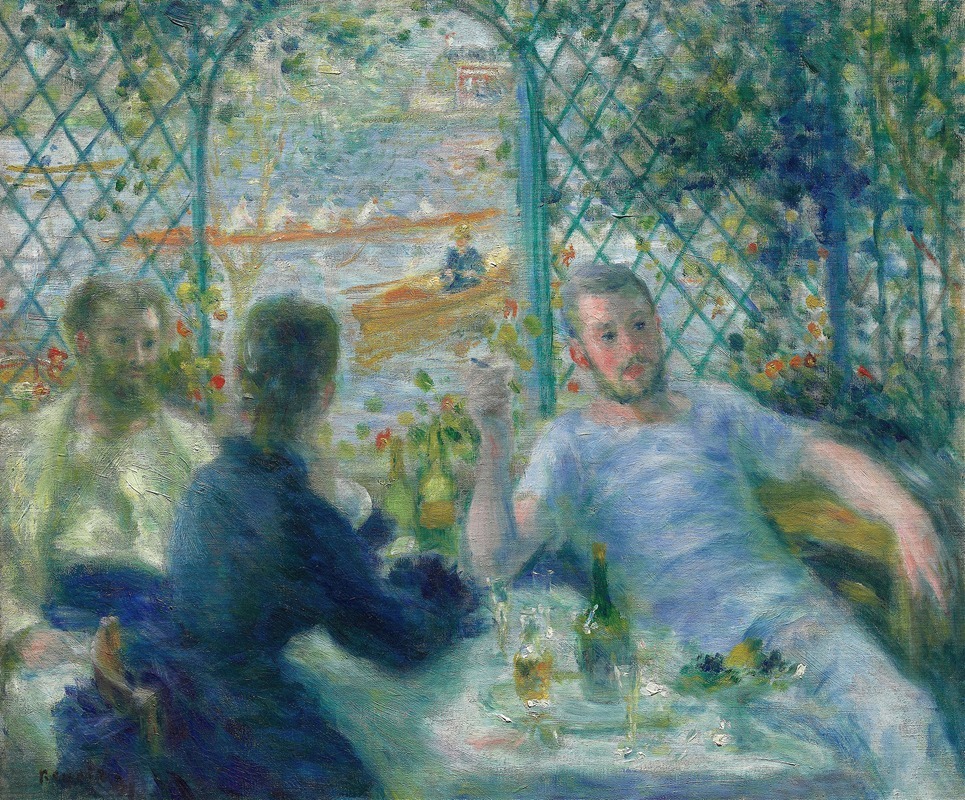
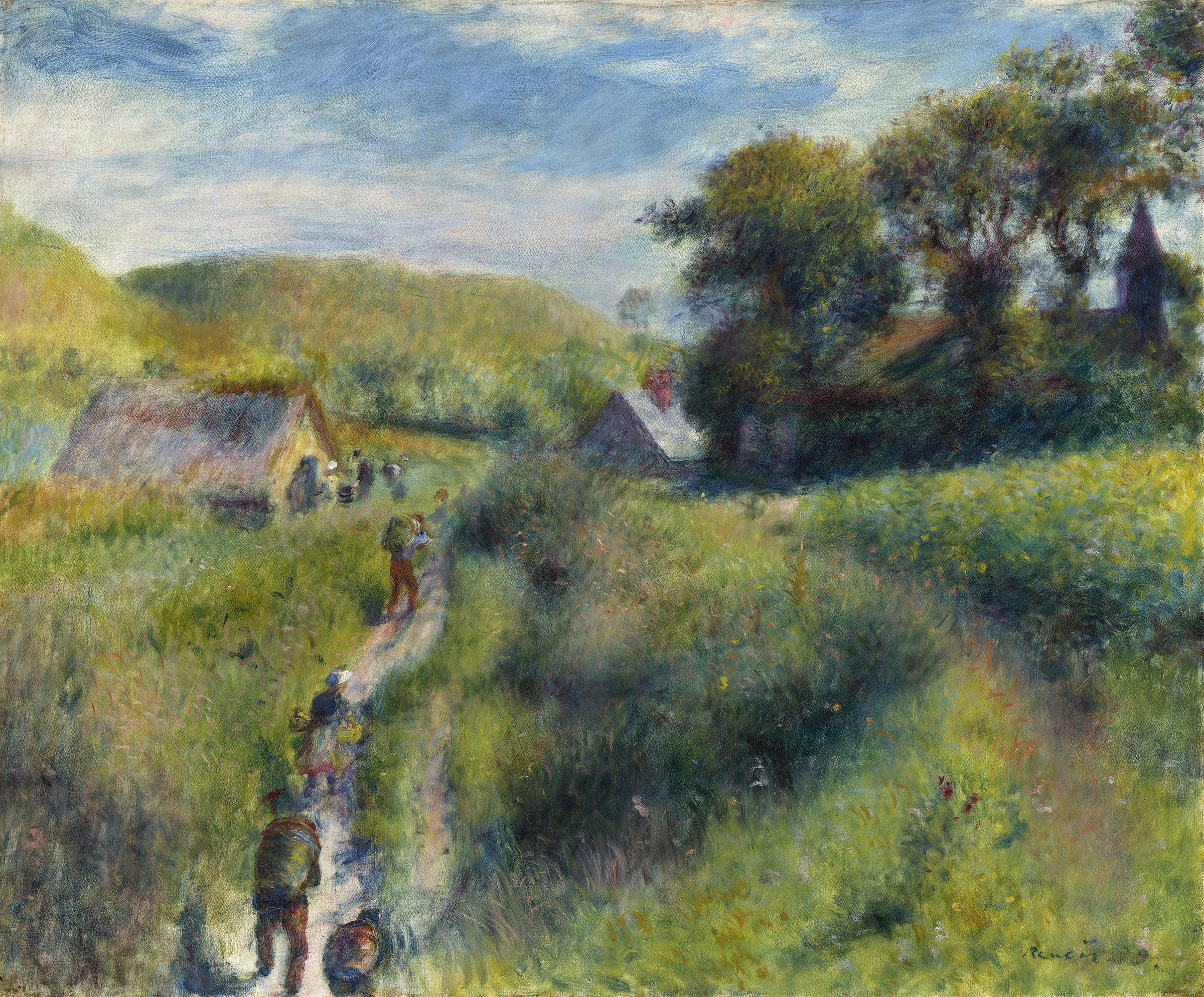
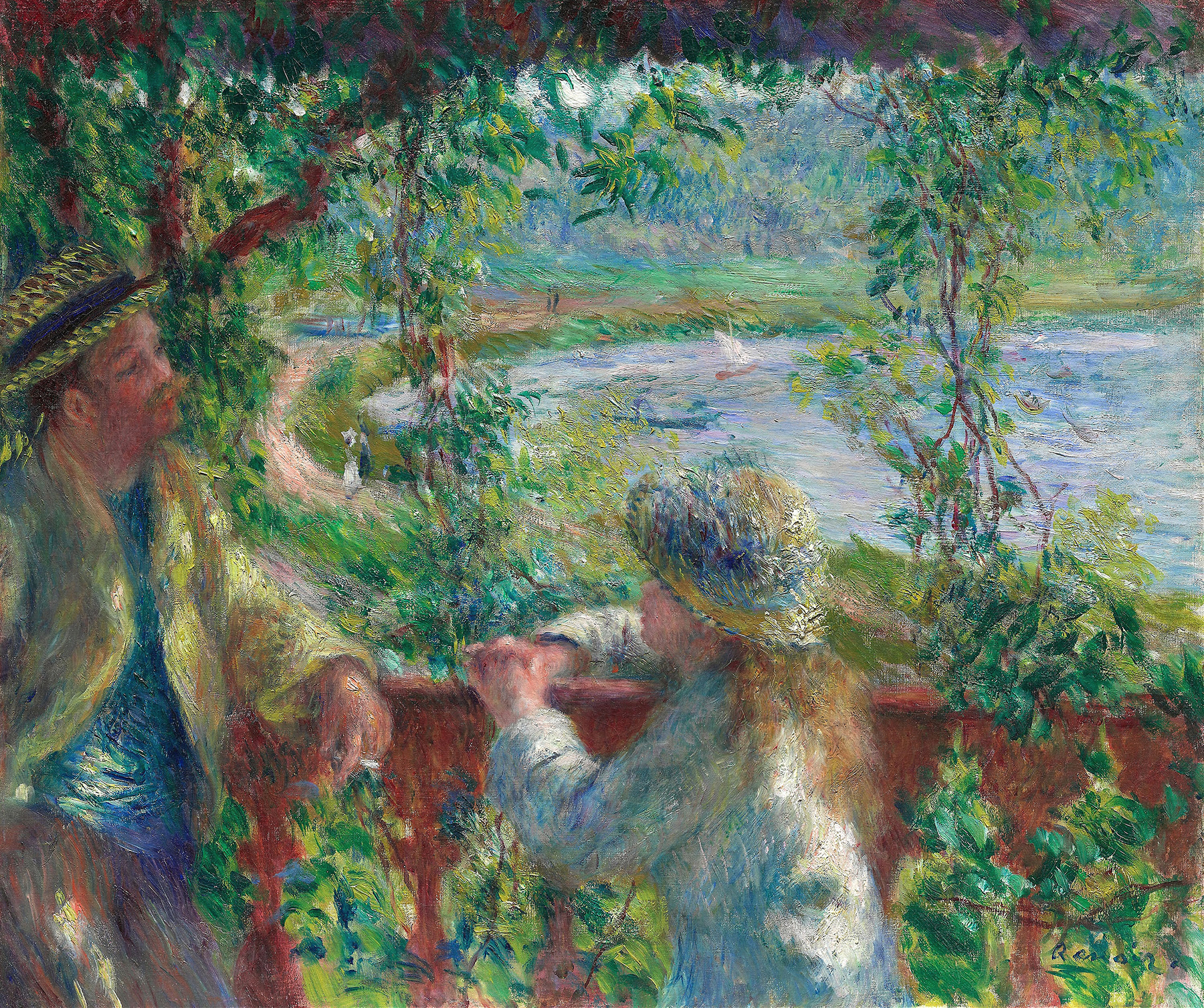
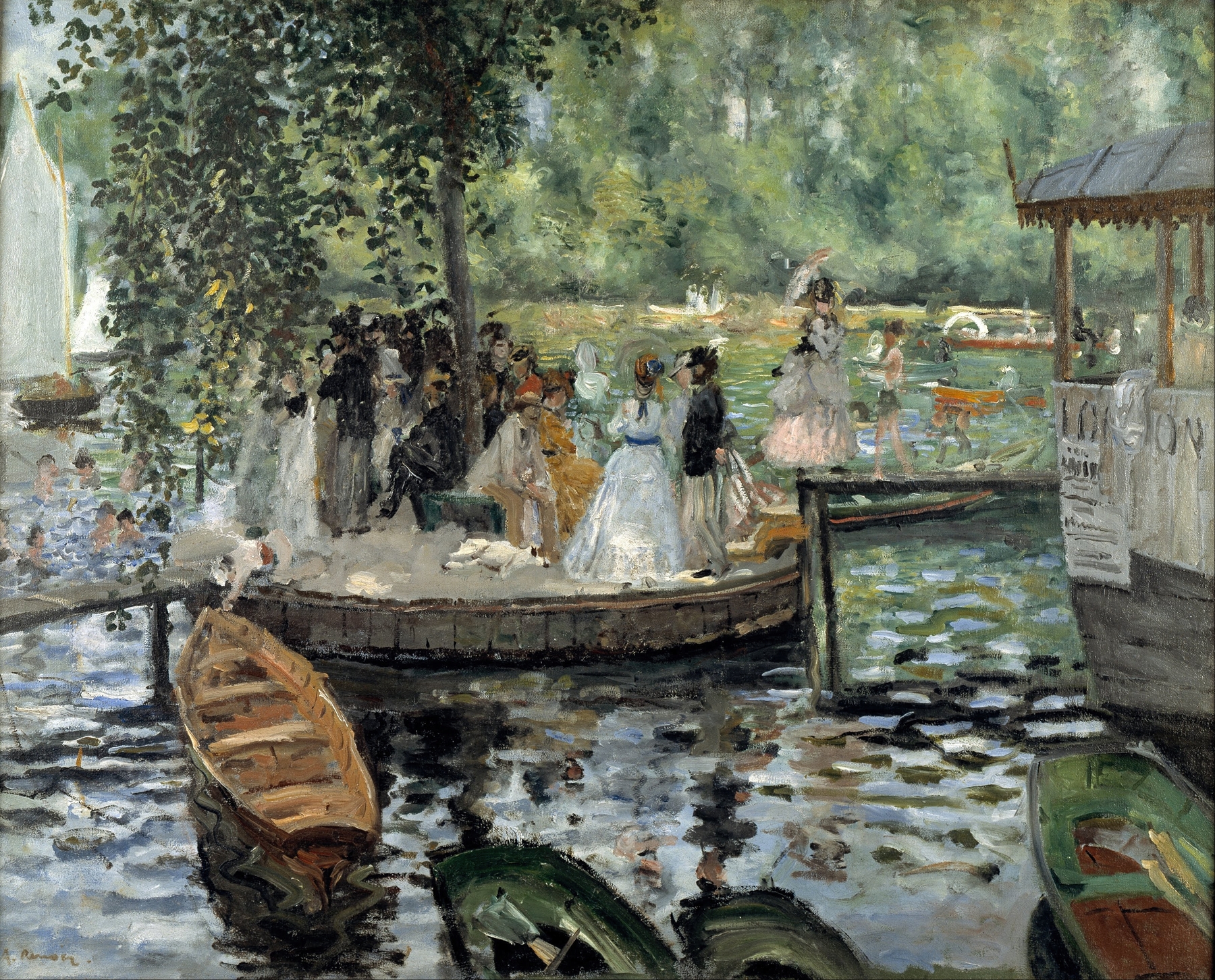
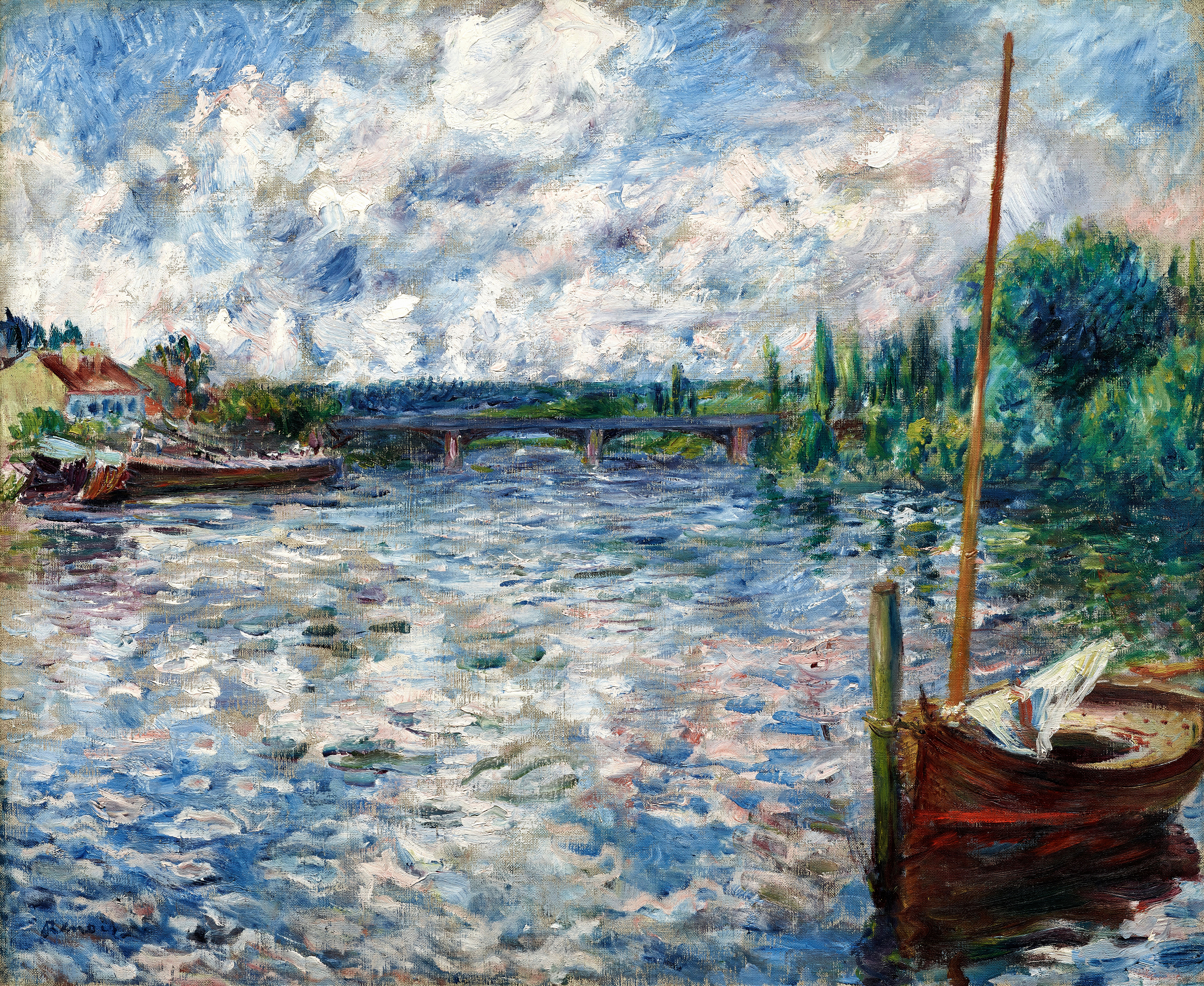
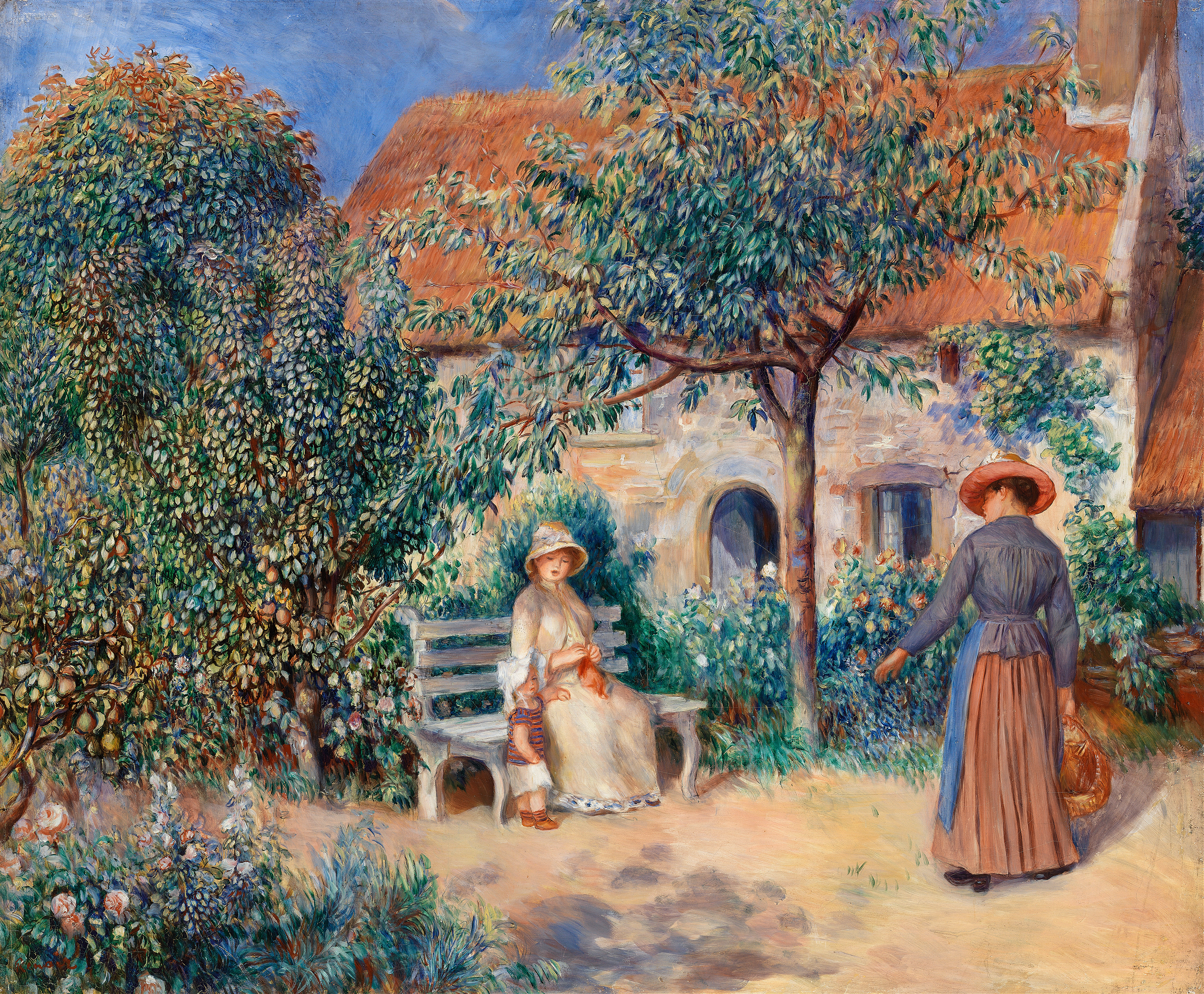
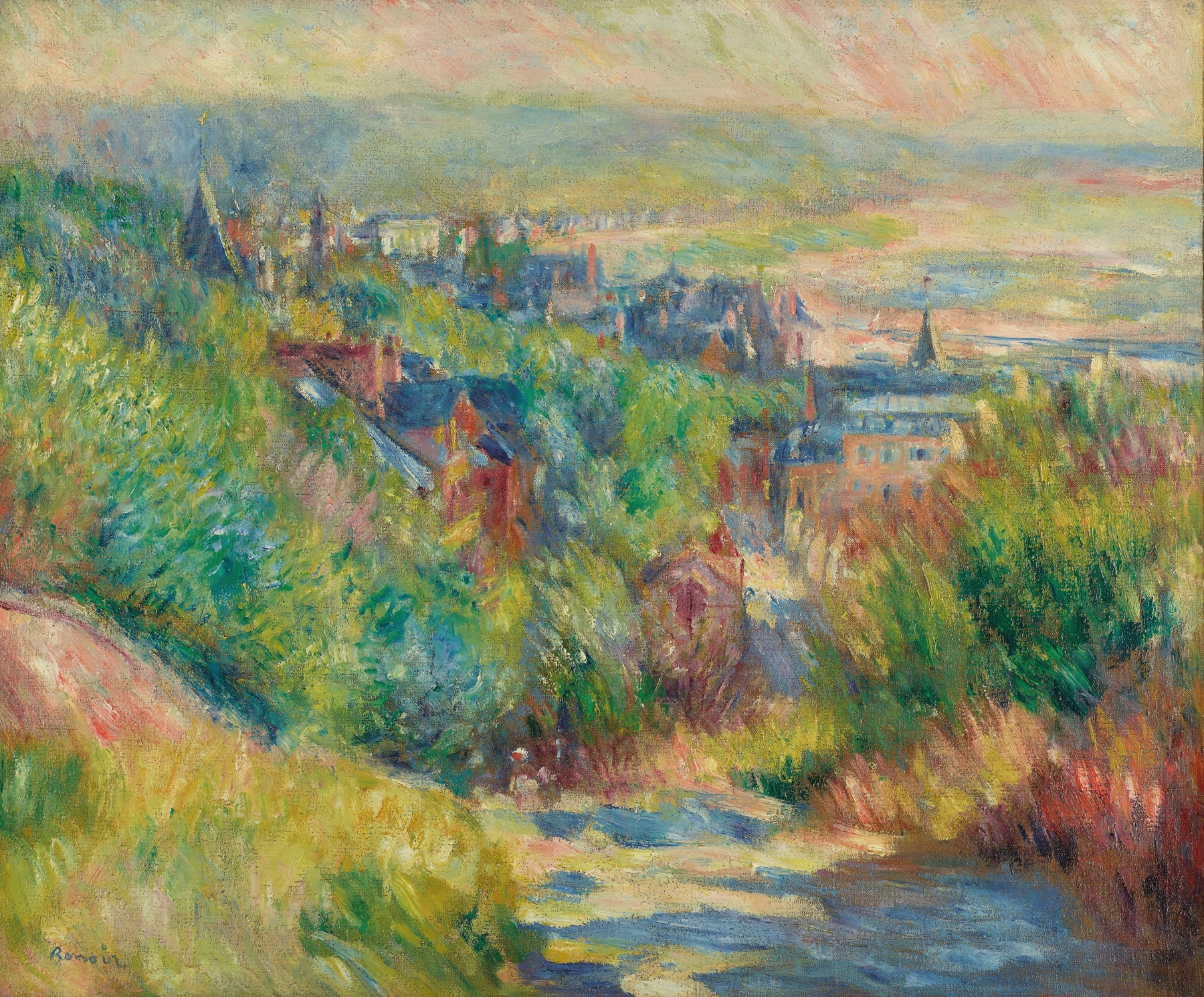
Could beauty survive in a century of chaos? This question resonates through the vibrant strokes and radiant hues of a serene riverside vista, inviting us into a world where nature and joy intertwine. Look to the left at the shimmering waters of the Seine, capturing reflections of soft blues and greens. Notice how the sunlight dances upon the surface, creating a lively sparkle that draws the eye across the canvas. The boats, gently bobbing, are rendered with a fluidity that speaks to the artist’s mastery over light and movement.
Each figure—lovers, families, and rowers—contributes to the composition’s harmonious balance, while splashes of color evoke the warmth of a summer’s day. Within this idyllic scene lies a contrast between the tranquility of leisure and the encroaching tension of modern life. The lush landscapes seem to cradle the figures, yet the bustling brushstrokes suggest an underlying restlessness. Each person captured in mid-laughter or movement hints at a fleeting moment of joy that belies the rapid changes sweeping through society at the time.
The painting serves as a timeless reminder of the enduring allure of nature amidst human chaos. In the summer of 1888, Renoir created this enchanting piece while living in the heart of Argenteuil, a popular retreat just outside Paris. Here, the Impressionist movement flourished, with artists exploring new techniques and pushing the boundaries of color and light. This period marked a shift in the art world, as the pleasures of leisure, like those depicted in La Seine à Argenteuil, flourished even as the world outside stirred with the complexities of progress and innovation.