La Touques. Marée Basse — History & Analysis
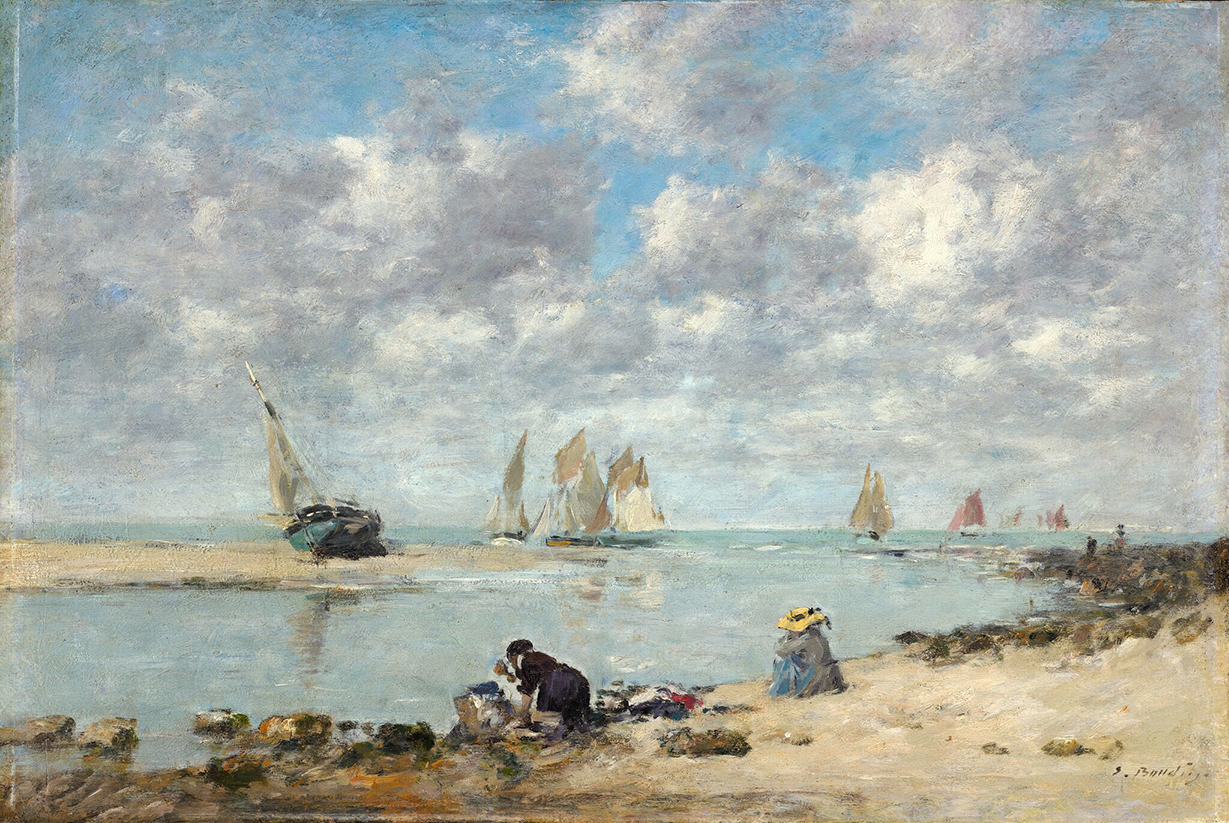
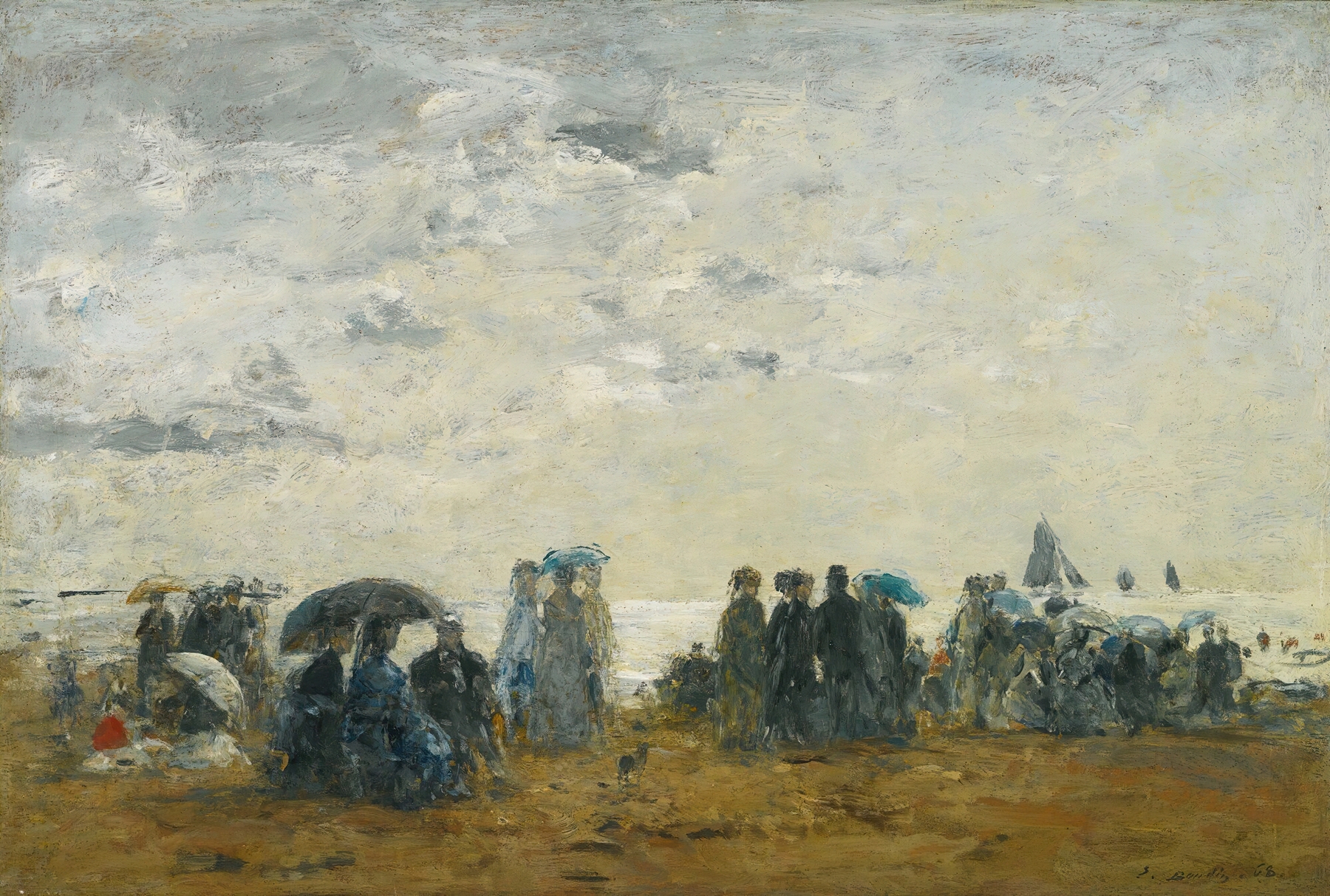
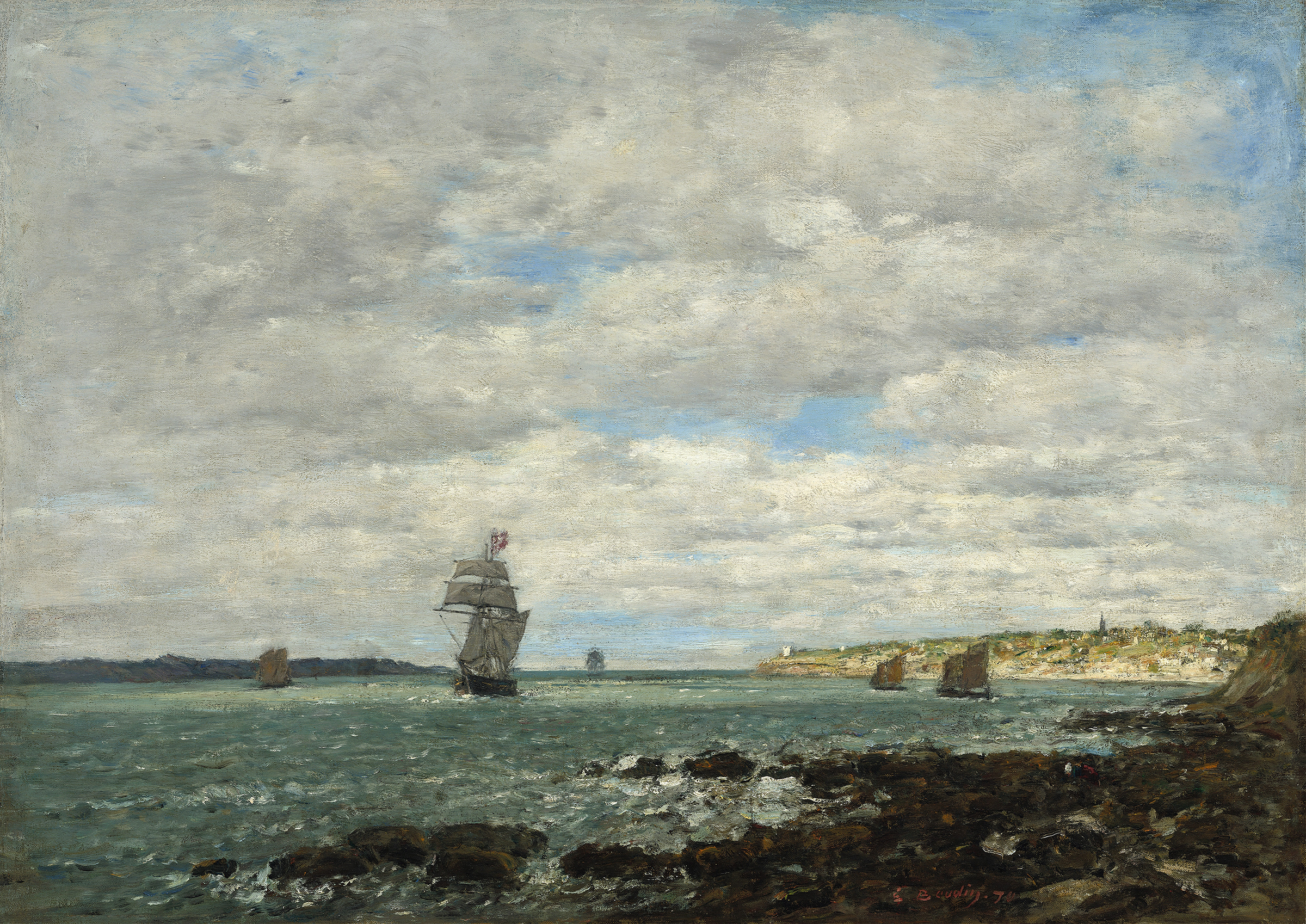
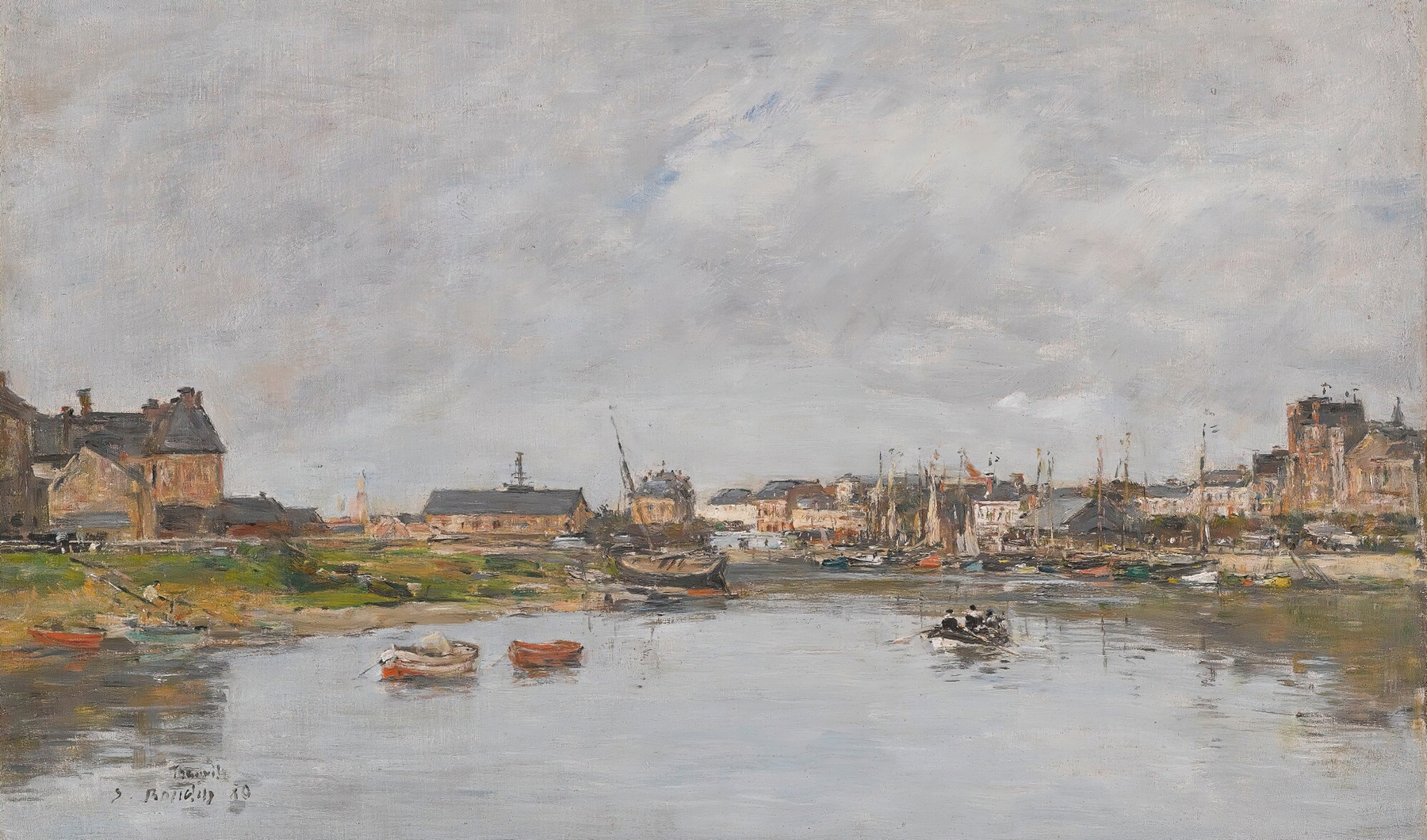
Could beauty survive in a century of chaos? In La Touques. Marée Basse, the essence of longing is captured amid the soft hues of a tide retreating from the shore. Look to the foreground where the low tide paints the sandy beach with muted browns and silvery blues, creating a patchwork of texture and color.
The gentle strokes of the artist’s brush evoke a sense of tranquility, guiding the viewer’s gaze towards the scattered boats resting on the shore, their sails flapping lightly in the breeze. Notice how the fading light of dusk casts a warm glow, enveloping the scene in a hushed serenity that contrasts perfectly with the vast, open sky above, painted in delicate pastels. There is a poignant tension between the stillness of the land and the distant horizon, where water meets the sky, suggesting an impending change. The boats may represent fleeting moments of joy amidst an ever-shifting landscape, while the interplay of light and shadow speaks to the transient nature of existence.
Each detail, from the rippling water to the distant figures strolling along the beach, holds a whisper of nostalgia, inviting the viewer to reflect on their own connections to place and time. Eugène Boudin painted this work between 1888 and 1895, during a period of personal transition as he navigated the complexities of the Impressionist movement. Living in France, he experienced both the blossoming of new artistic techniques and a world teetering on the brink of modernity. Such an environment influenced his focus on landscapes and the natural world, capturing moments of serene beauty that resonate with the viewer’s innermost feelings of longing.