Lake Albano — History & Analysis
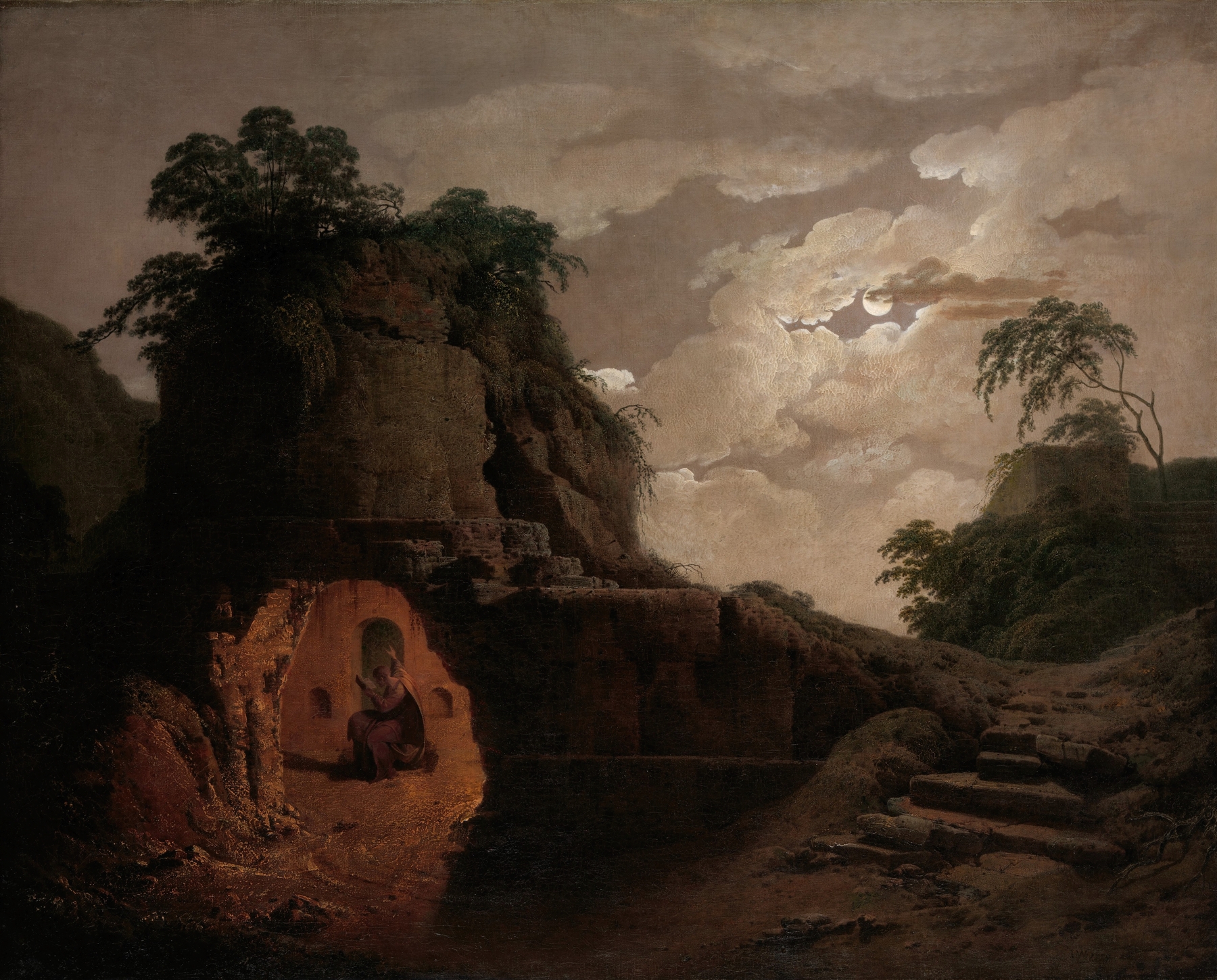
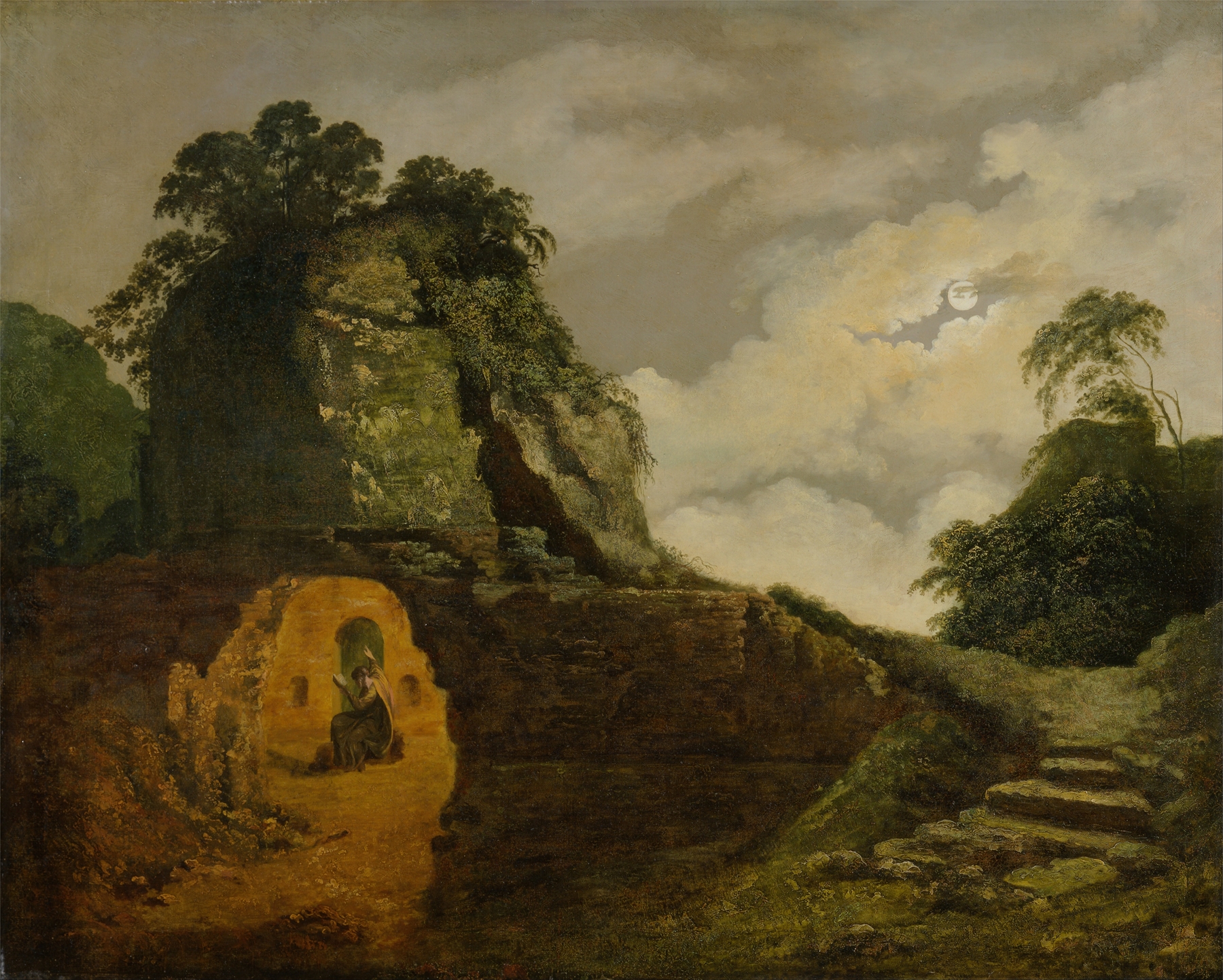
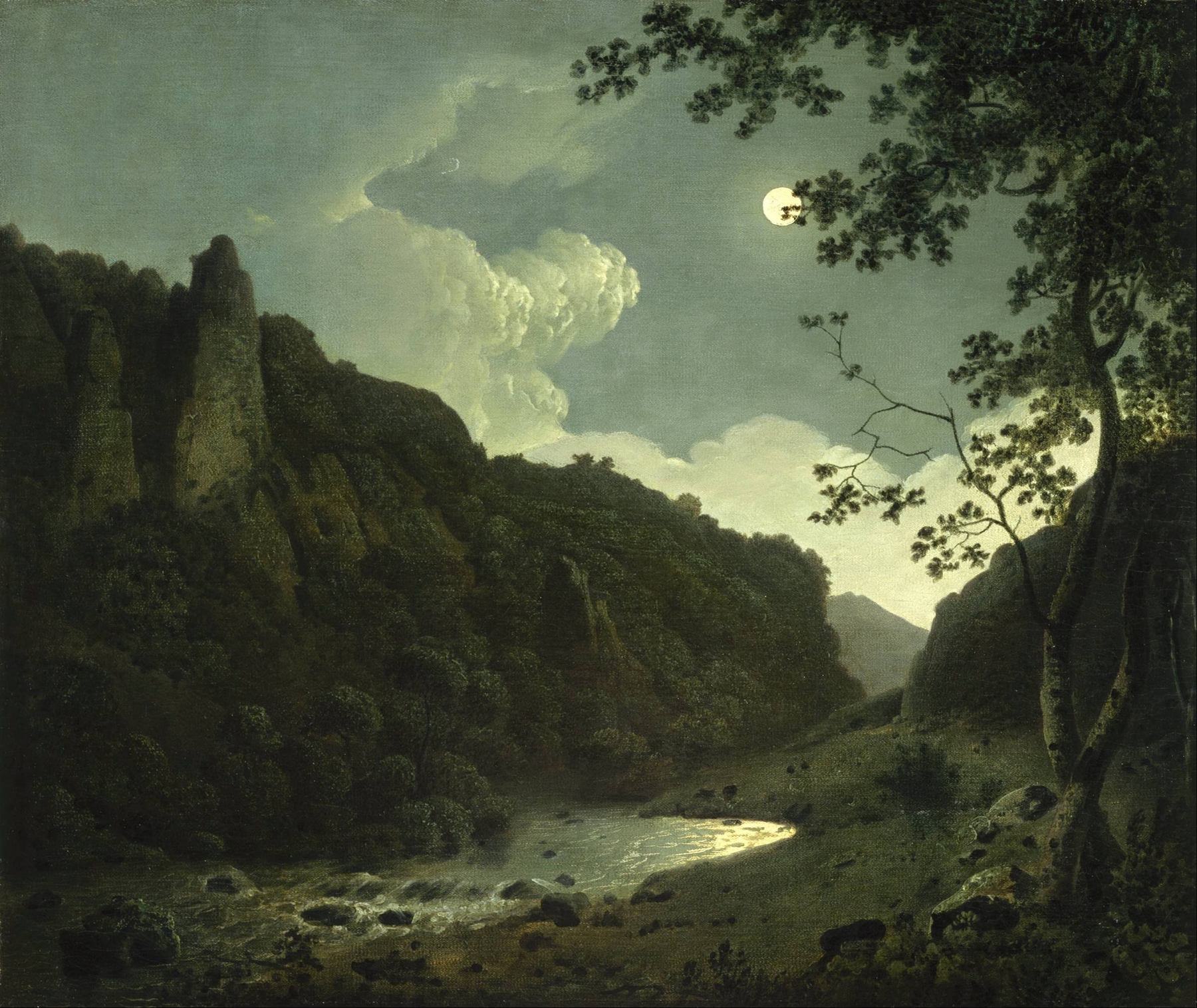
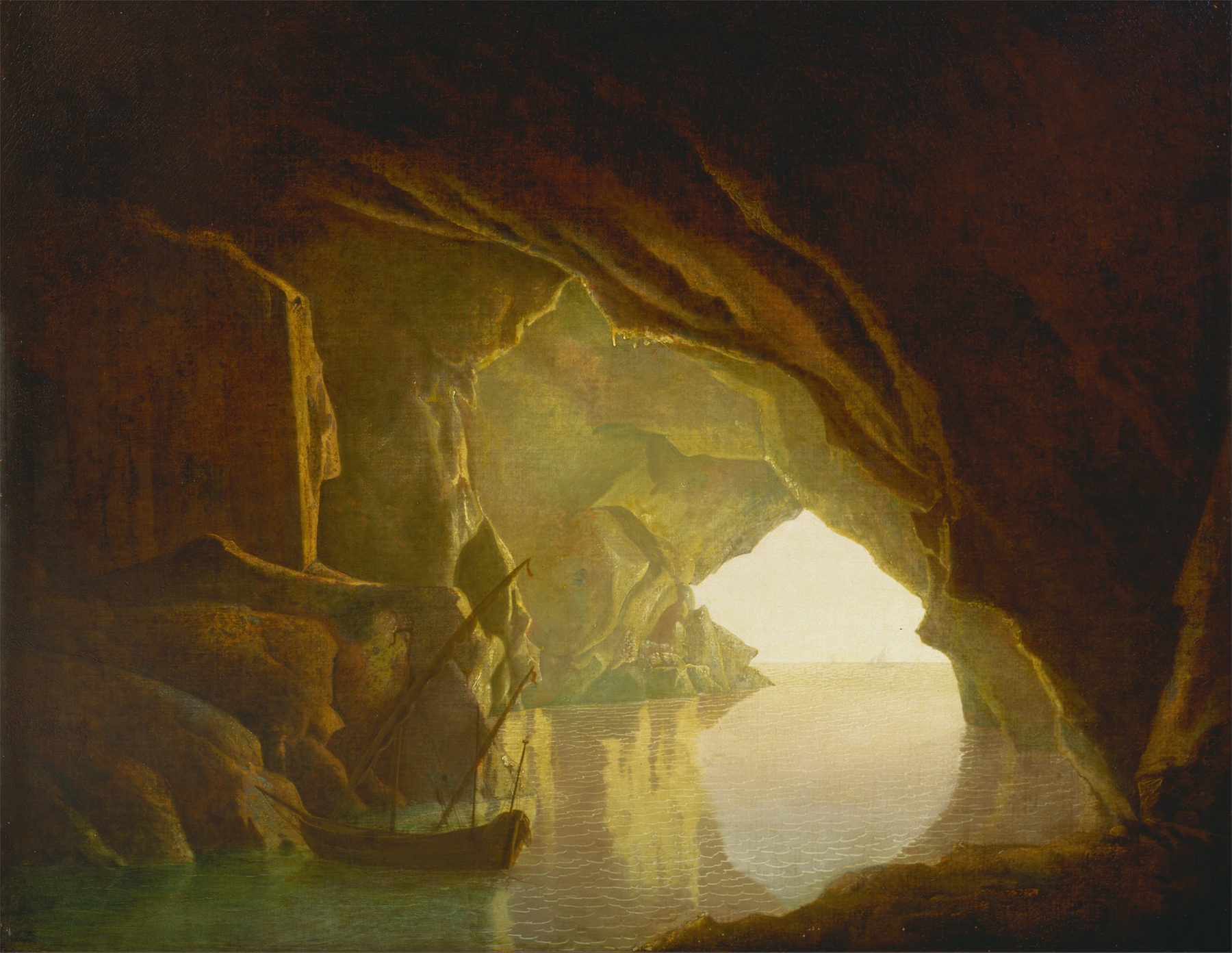
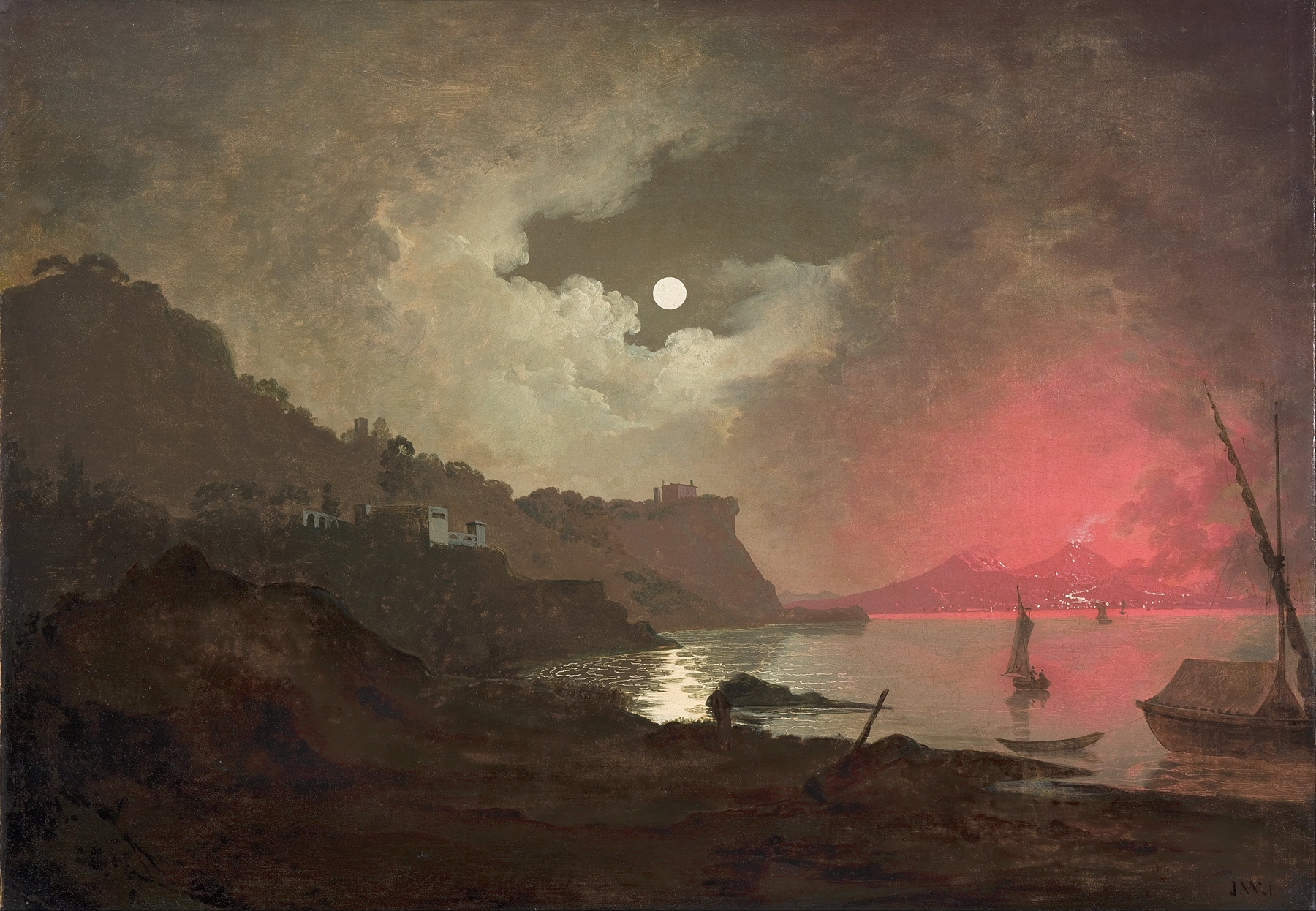
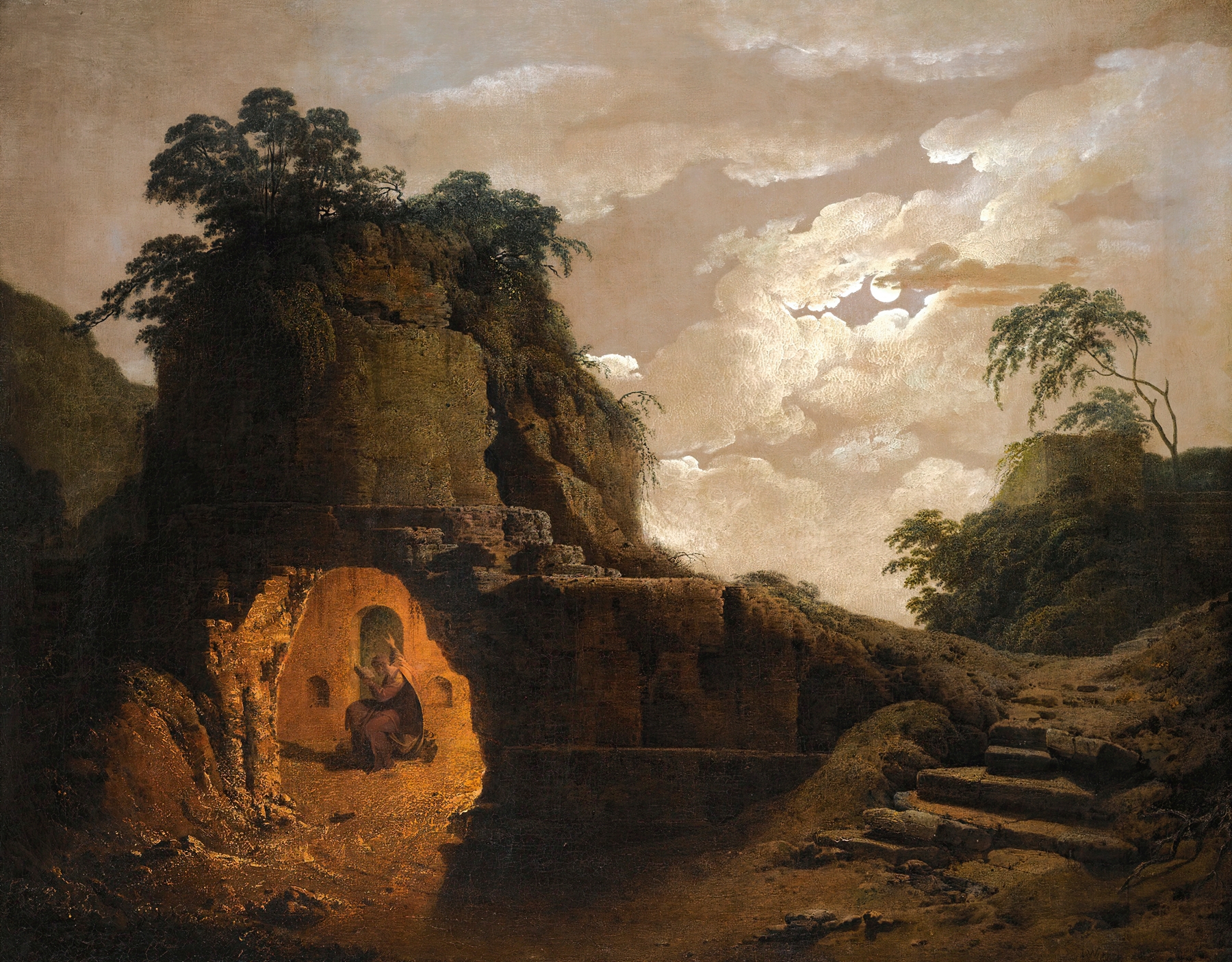
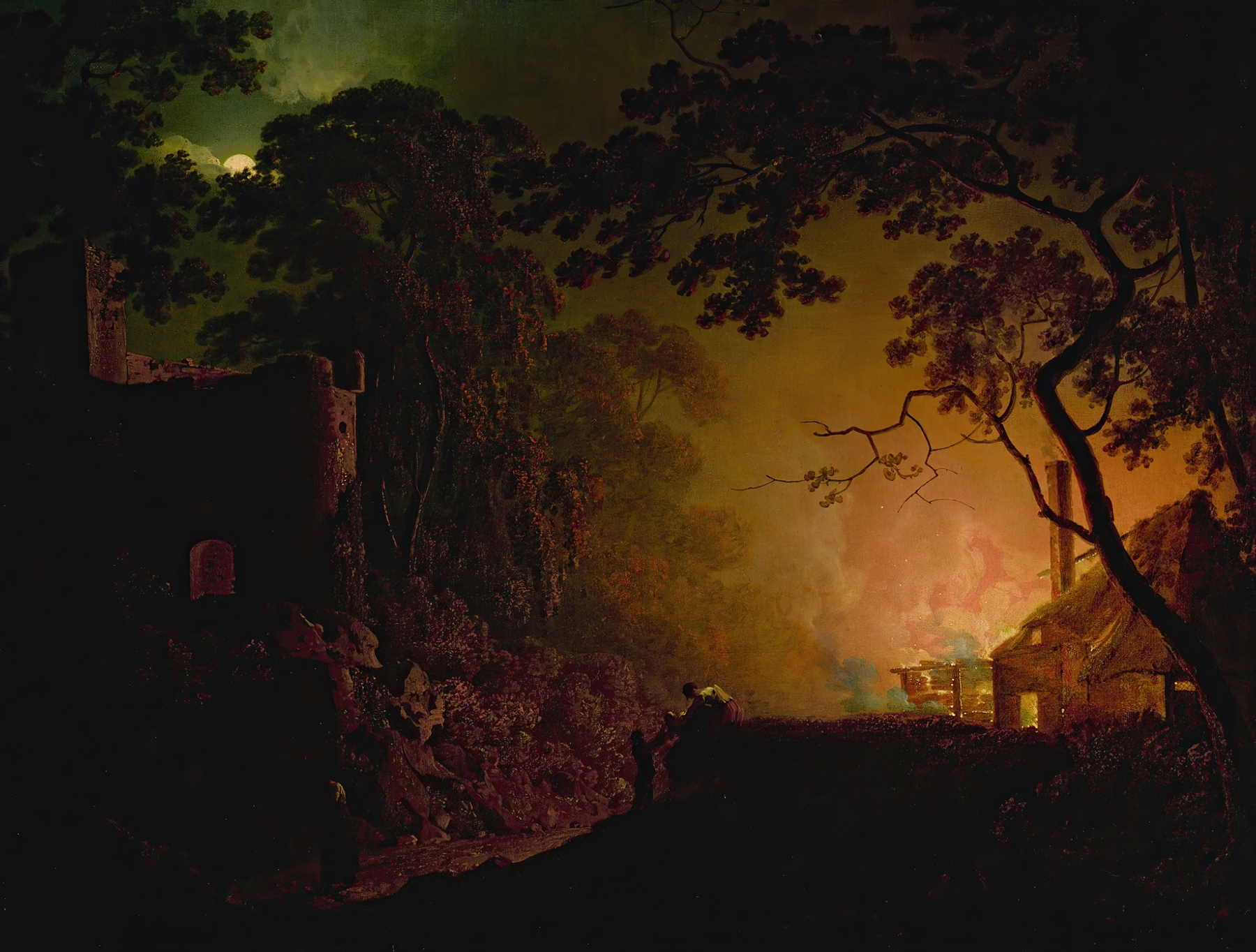
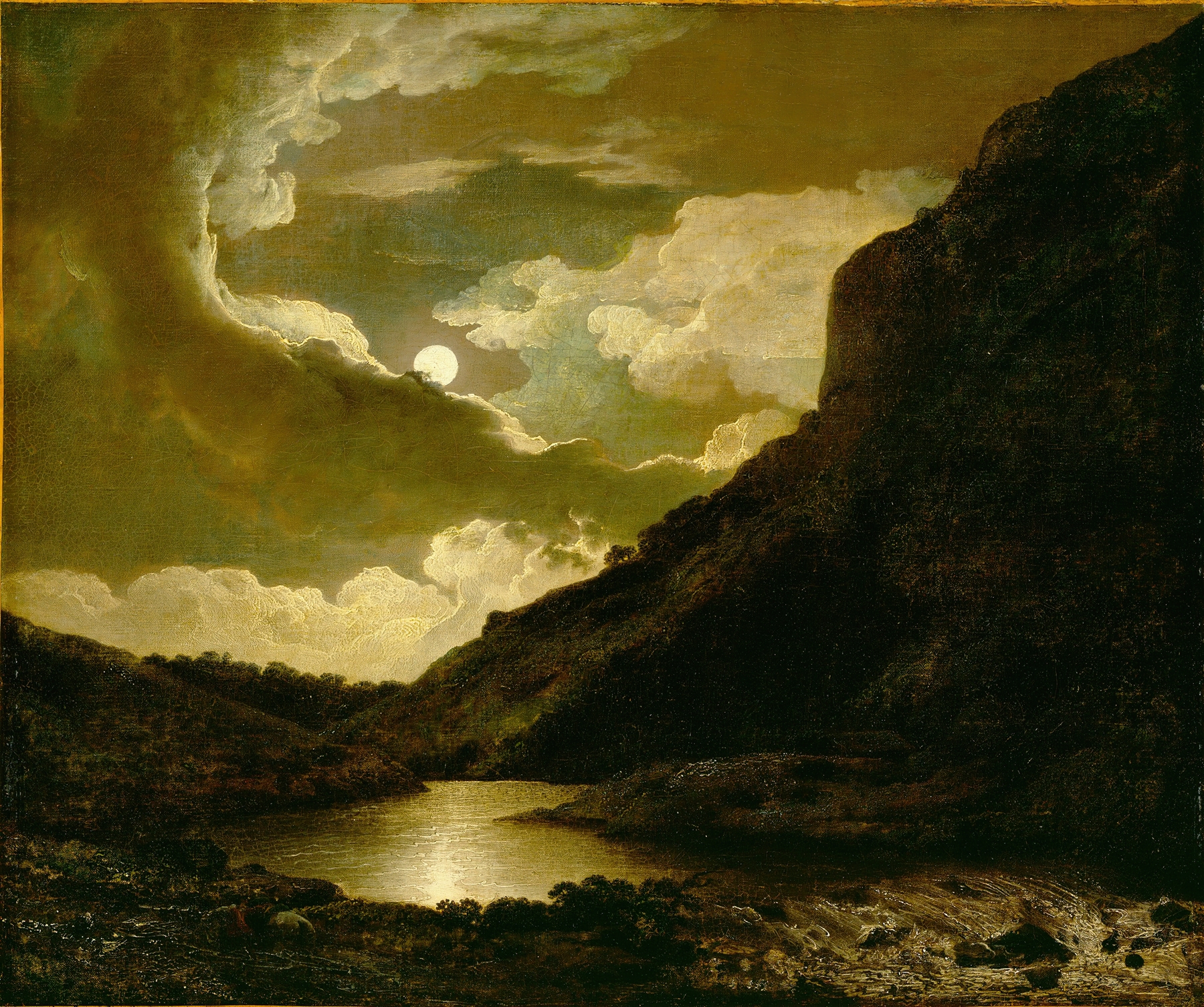
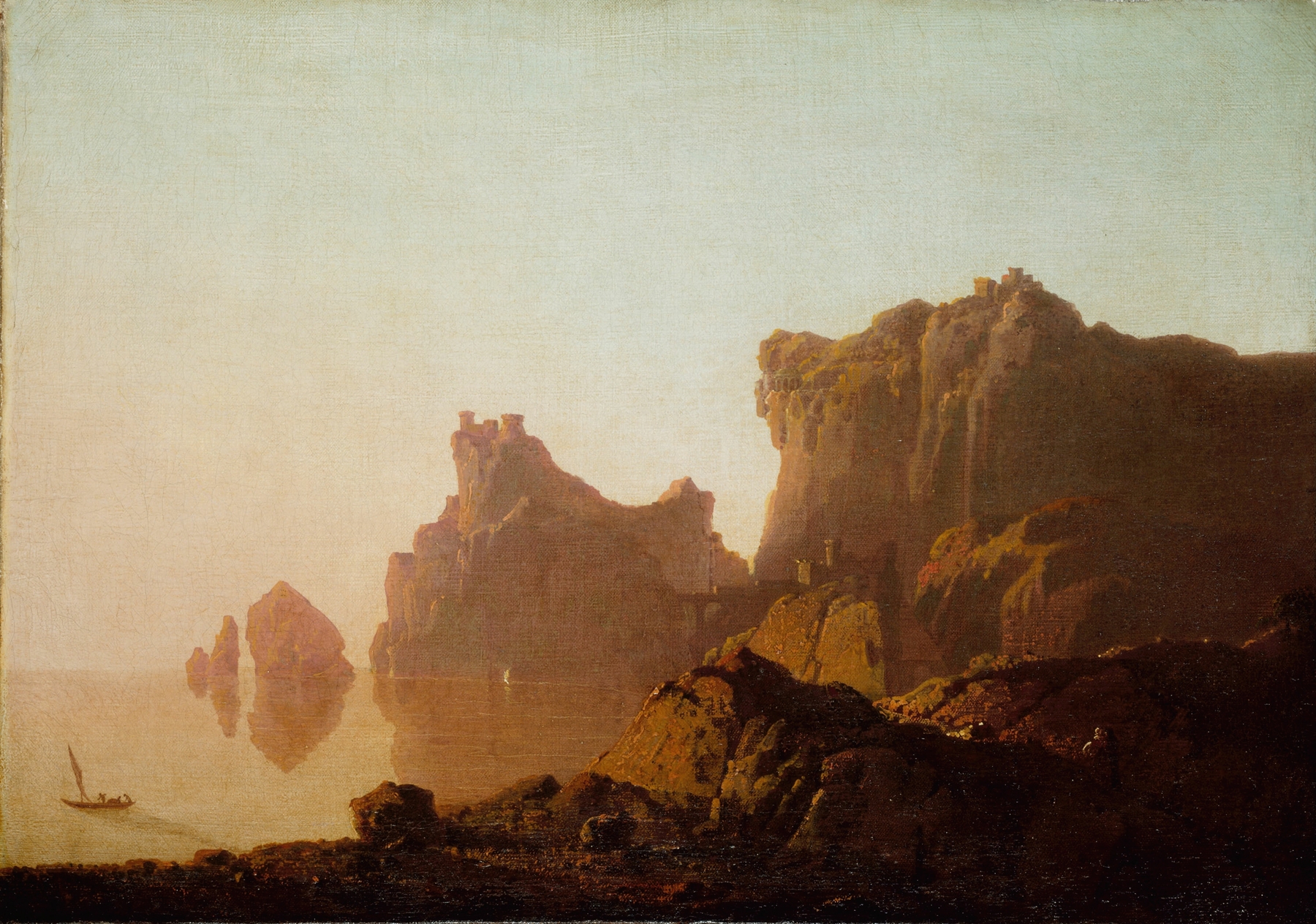
“Art reveals the soul when the world turns away.” In the stillness of a landscape, truths emerge beyond the visible, awakening the senses to the sublime. Look to the foreground, where the water of Lake Albano mirrors the sky’s gentle hues, a seamless blend of blues and greens that invites the viewer to dive into its depths. Notice how the light plays upon the surface, transforming the tranquil lake into a canvas of shimmering reflections, while the distant hills cradle the scene, adding a sense of serene isolation. The composition, with its subtle use of chiaroscuro, allows us to linger on the interplay between light and shadow, emphasizing the harmony of nature.
Beneath the apparent calm lies a tension between stillness and the potential for transformation. The delicate balance of natural elements suggests a moment poised between reality and the ethereal, where one can sense the awakening of the landscape, inviting contemplation about one's place within it. The rich, earthy tones juxtaposed with vibrant patches of color create a sense of life that resonates with depth and introspection. Here, the viewer is drawn into a dialogue with the landscape, evoking feelings of nostalgia and the passage of time.
During his career, the artist created Lake Albano in England, in an era marked by Enlightenment thought and a burgeoning interest in nature’s sublime beauty. As he explored the relationship between light and atmosphere, Wright was pivotal in the development of Romanticism, drawing inspiration from both science and emotion. His work reflects a world transitioning from the confines of classicism to the expressive freedom found in nature's embrace, a testament to the evolving consciousness of his time.