Lake Nemi — History & Analysis
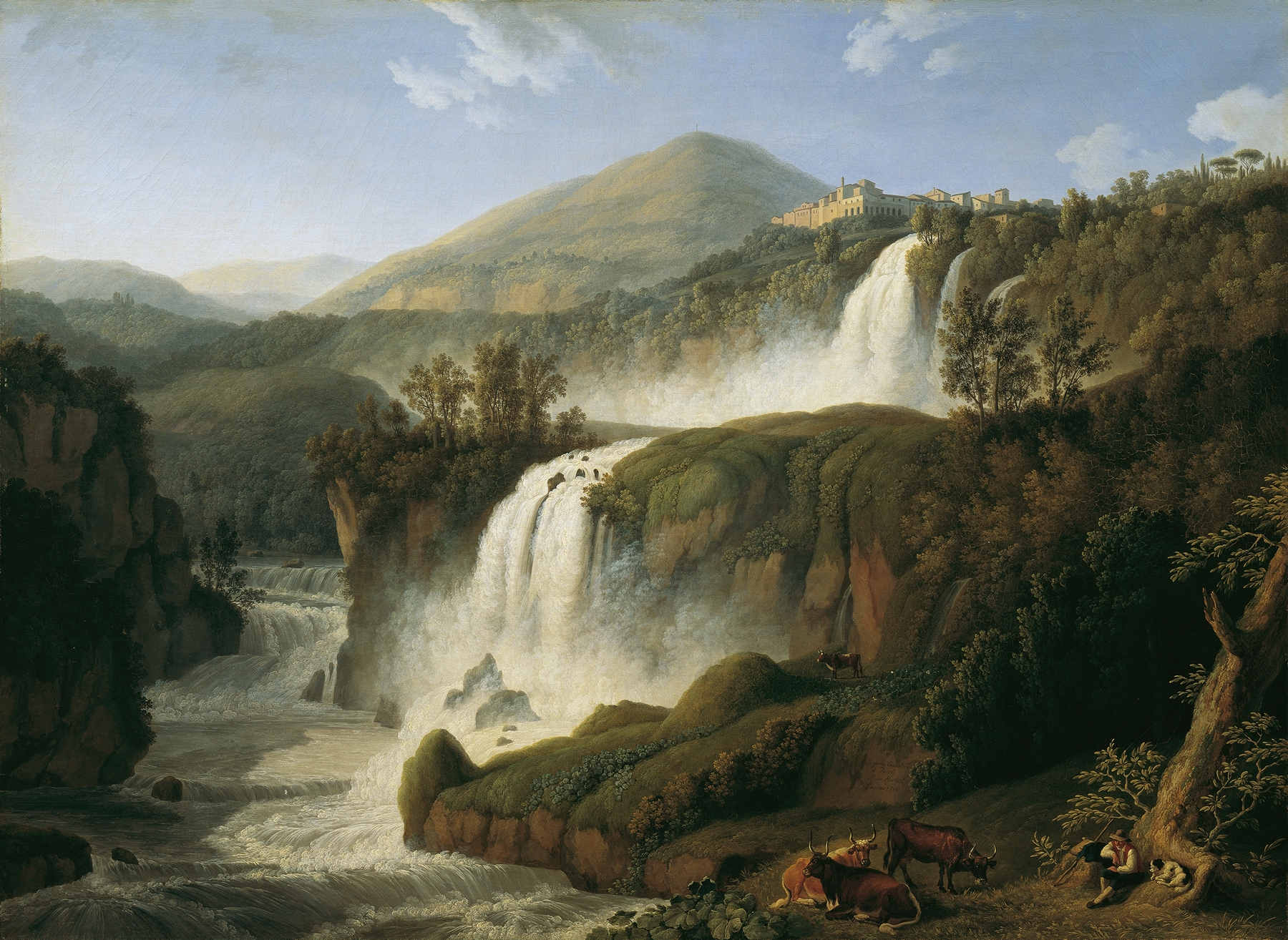
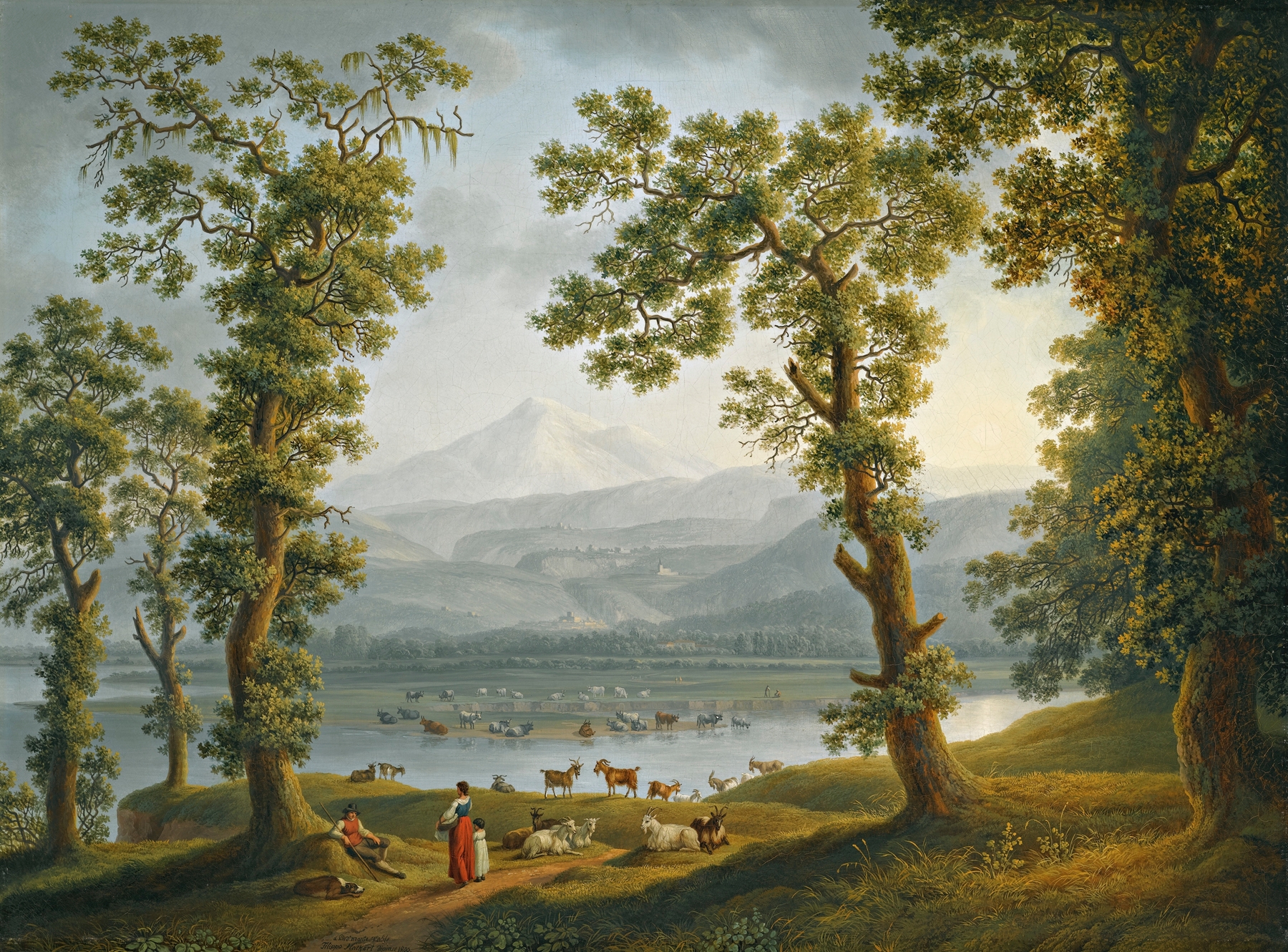
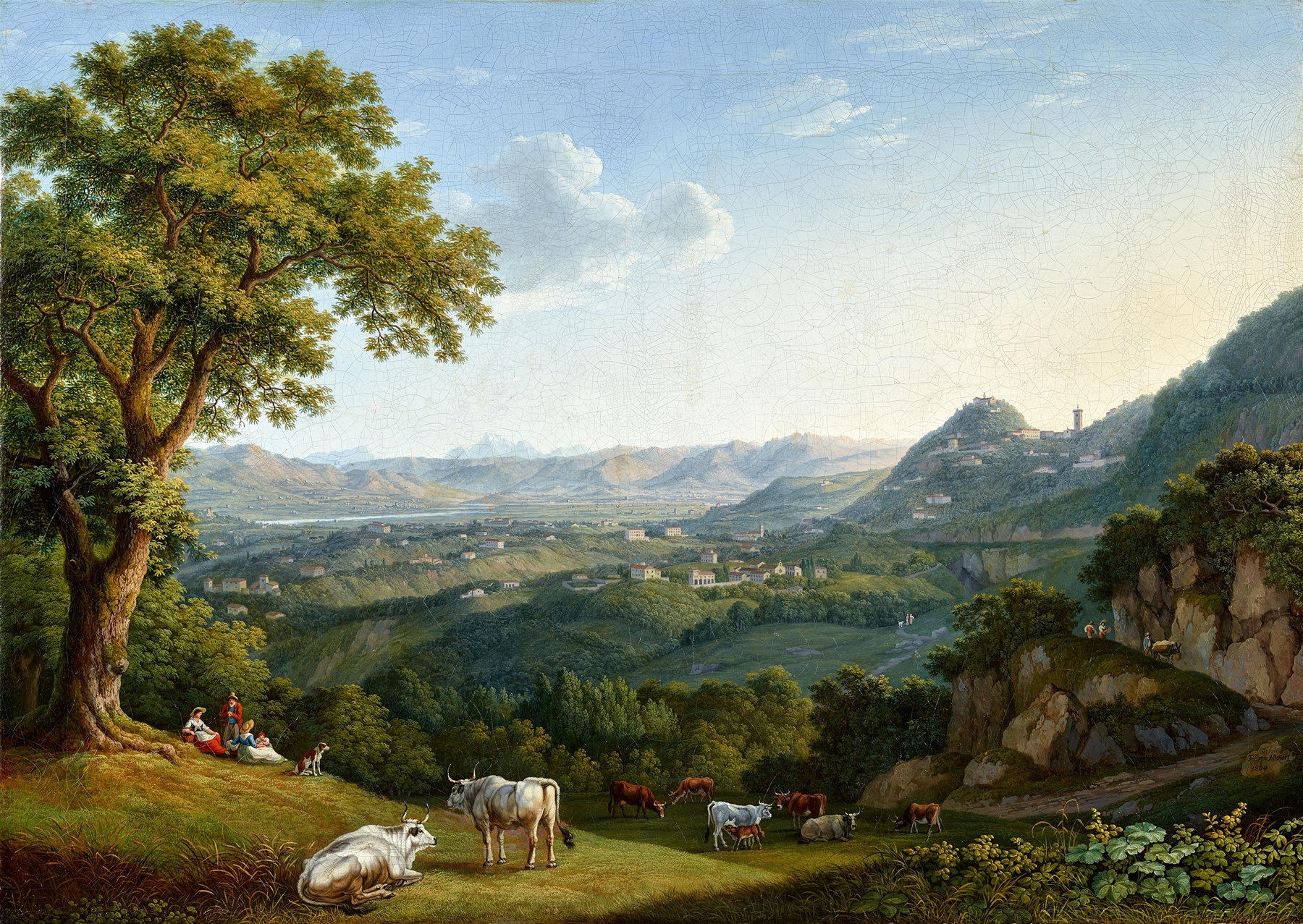
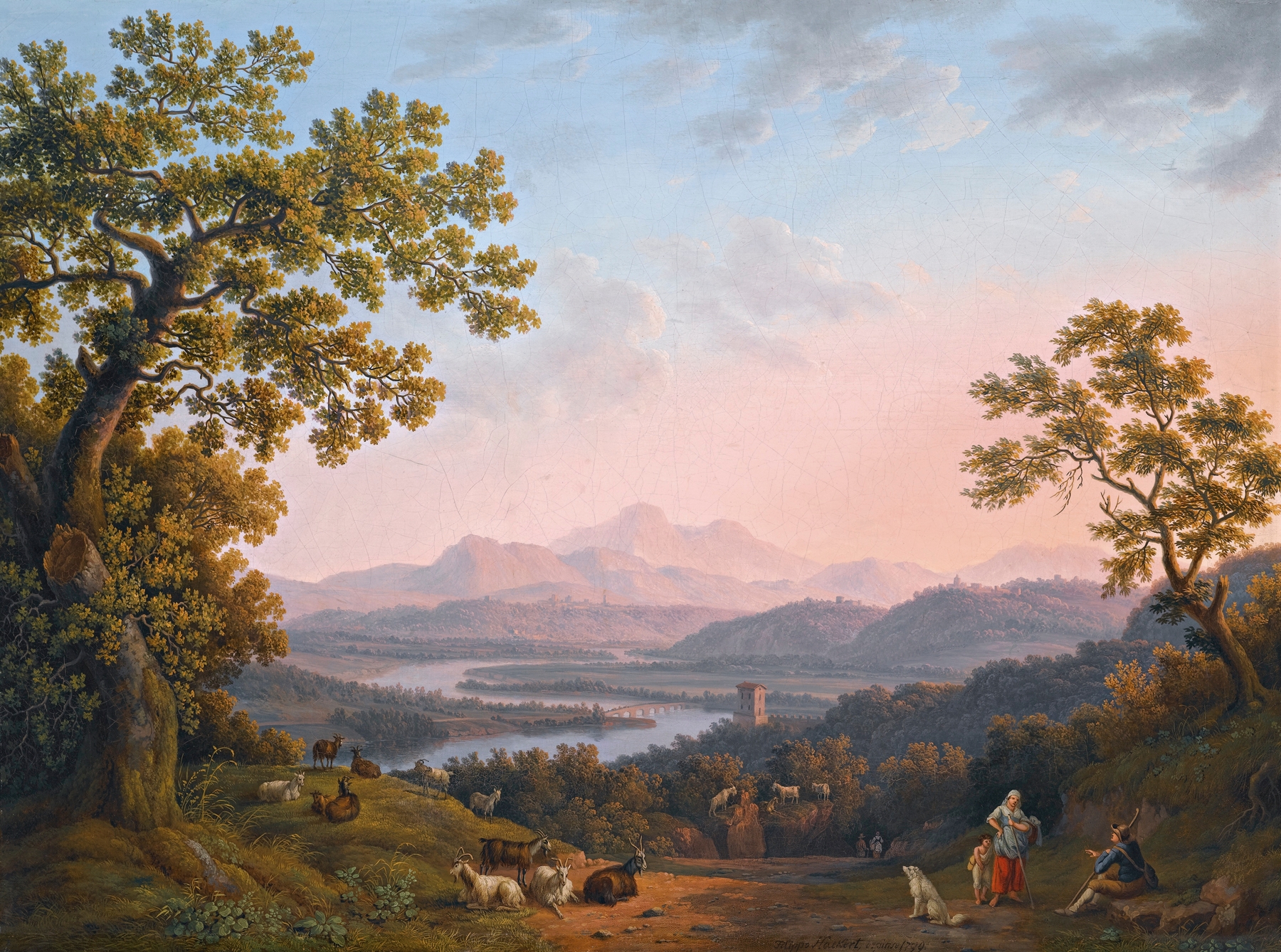
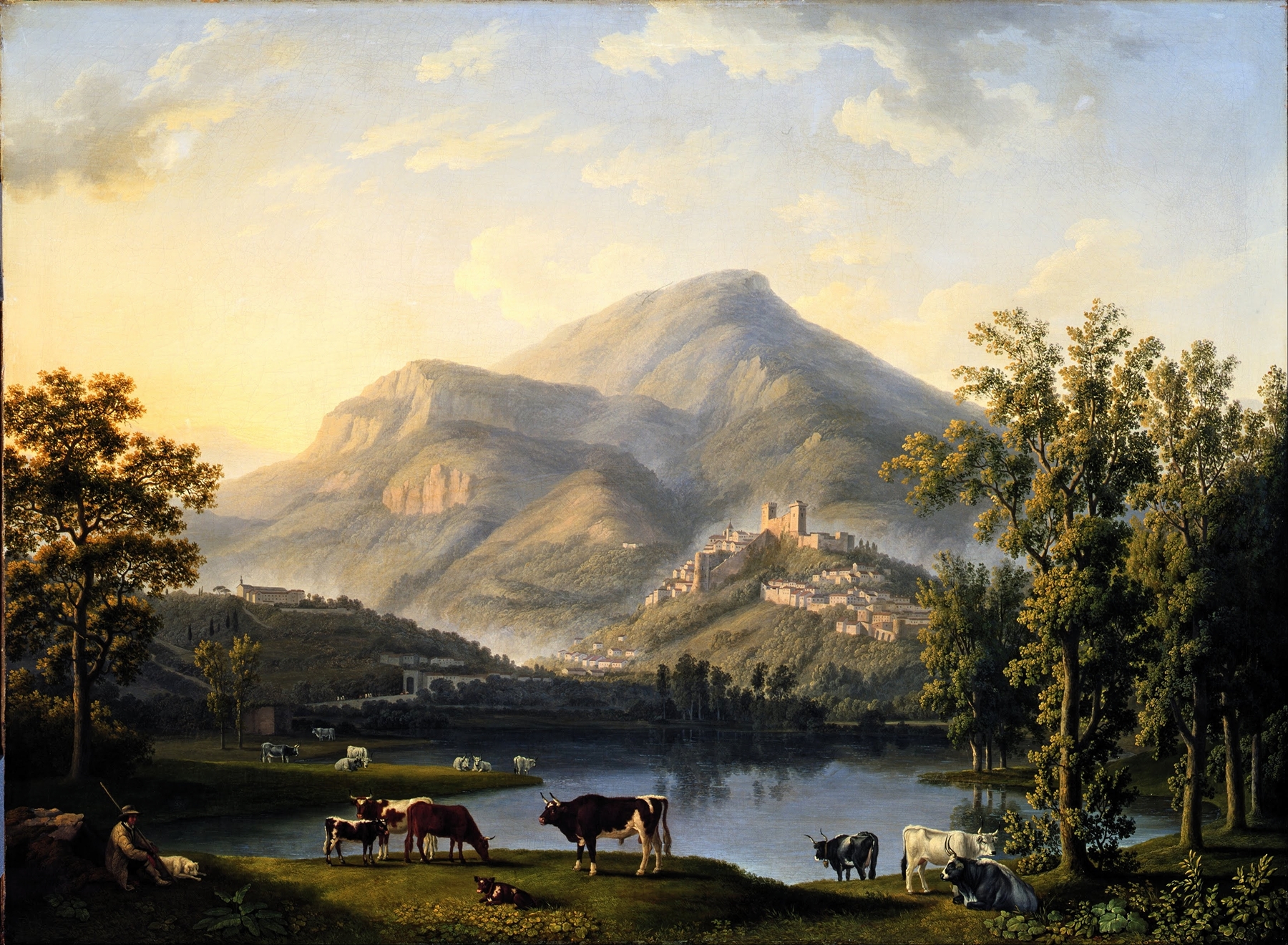
Where does light end, and longing begin? In Lake Nemi, the interplay of shadow and illumination draws us into a realm where nature's serenity meets the depths of human yearning. Look to the foreground, where the gentle waves of the lake ripple under a soft, golden light. The artist employs a delicate gradation of blues and greens, creating a harmonious palette that reflects the tranquility of the scene. Notice how the verdant hills cradle the water, their shadows embracing the surface like a lover's caress, evoking a sense of intimacy and nostalgia.
The contrasting light in the background, where the sun kisses the horizon, adds a layer of ethereal beauty, inviting contemplation. Beneath the surface of this idyllic landscape lies a tension between the seen and the unseen. The shadowy outlines of the trees whisper secrets, suggesting that the beauty of nature may conceal deeper emotions of yearning and melancholy. The way the light dapples through the leaves hints at fleeting moments of happiness, while the stillness of the lake speaks to both solace and solitude.
Each element in the composition coexists in a delicate balance, revealing a world where joy and sorrow intertwine. Jacob Philipp Hackert painted this work in 1776 while in Italy, a time when he was deeply influenced by the picturesque aesthetic of the Romantic movement. This period marked a flourishing of landscape painting, and Hackert, inspired by the natural beauty surrounding him, captured not only the sights but also the feelings evoked by such serene locales. His dedication to portraying the sublime qualities of nature would solidify his reputation as a masterful landscape artist.