Landscape — History & Analysis
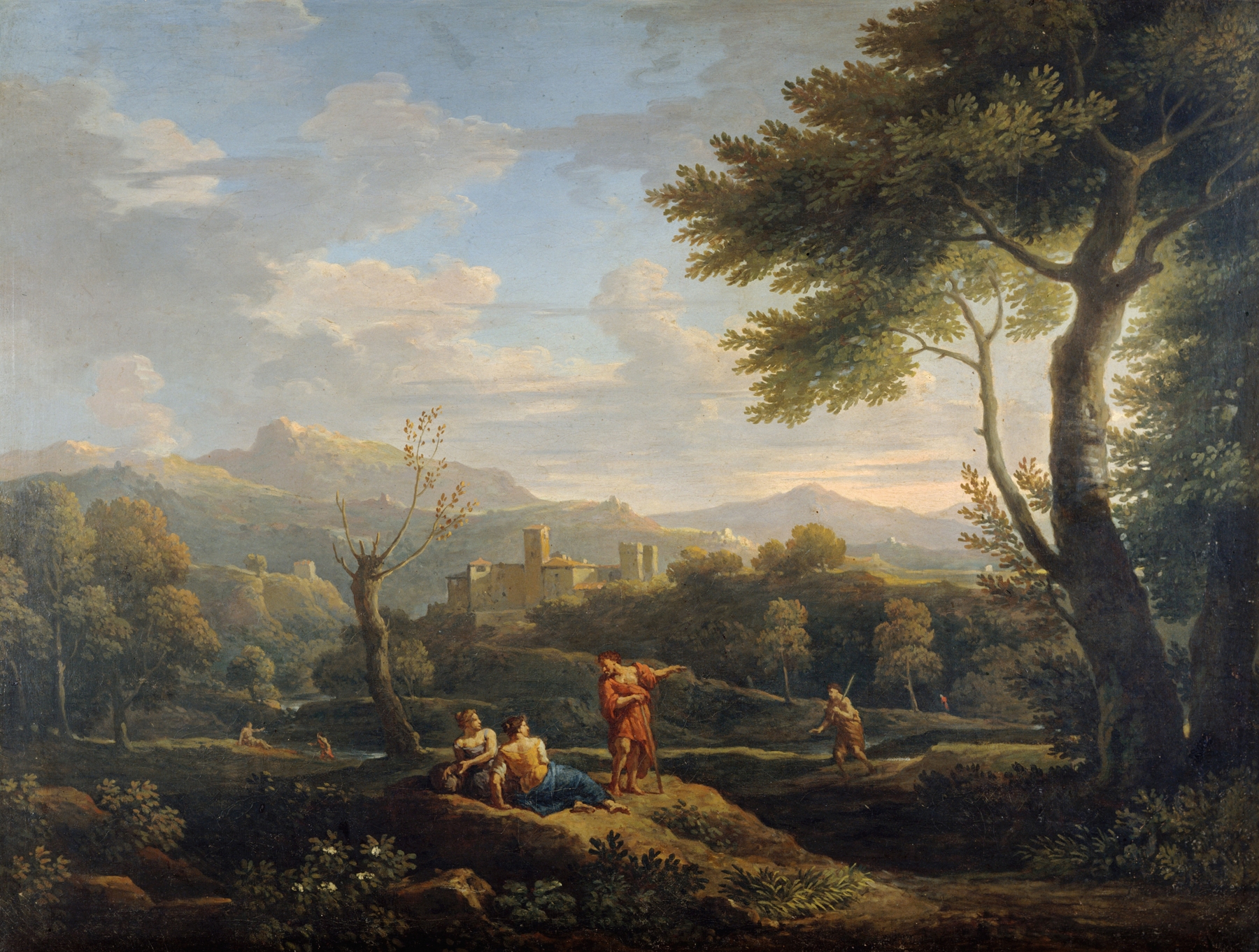
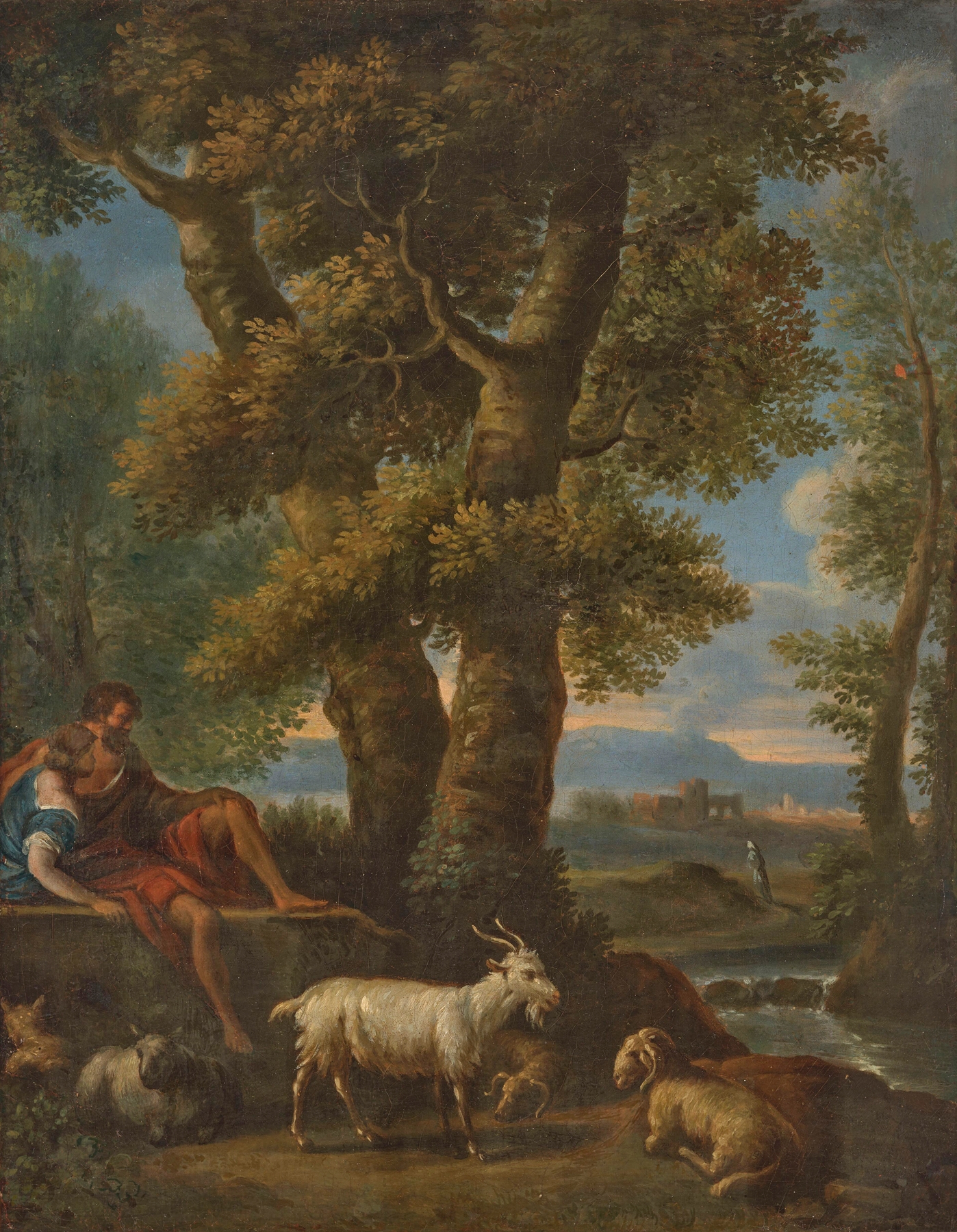
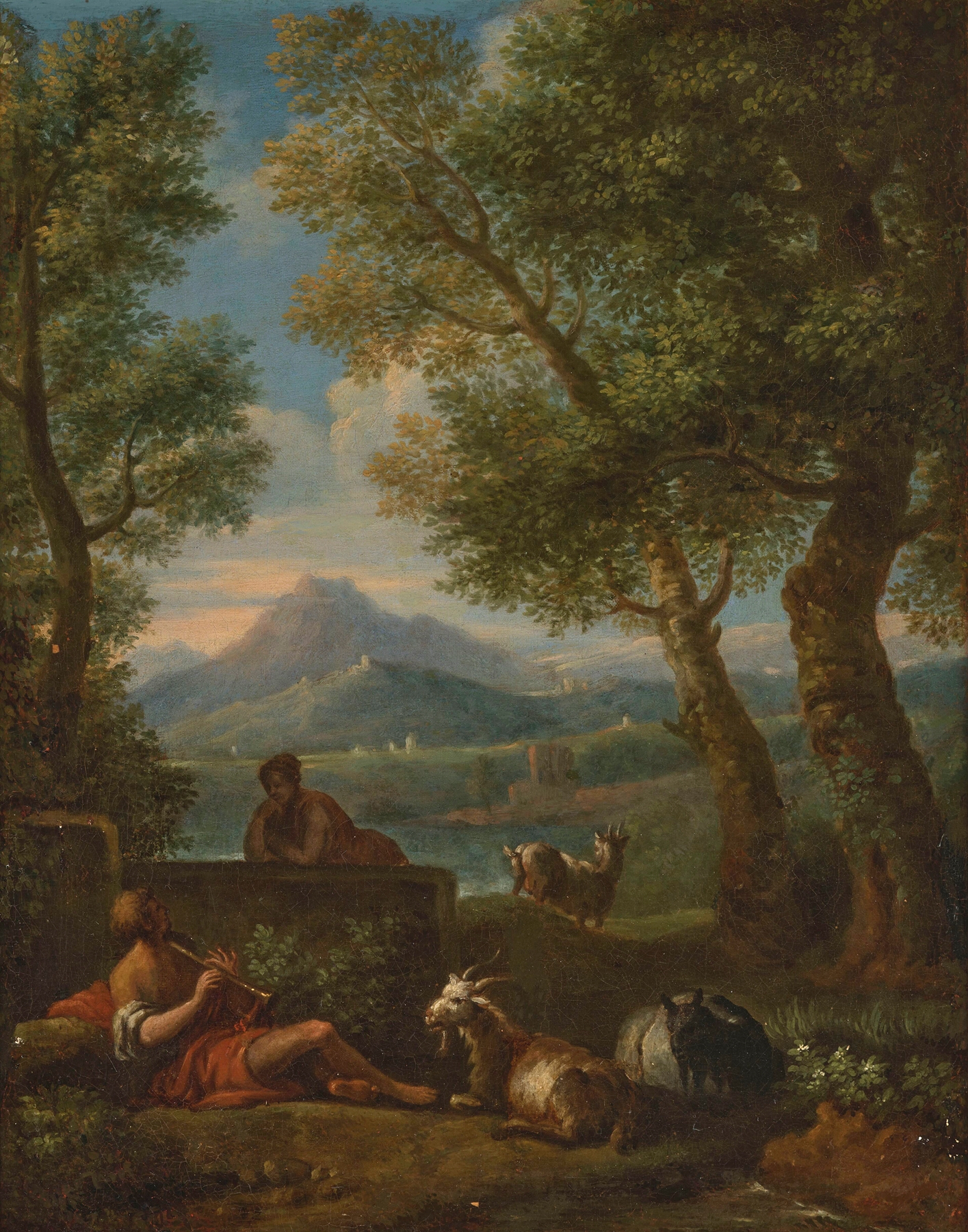
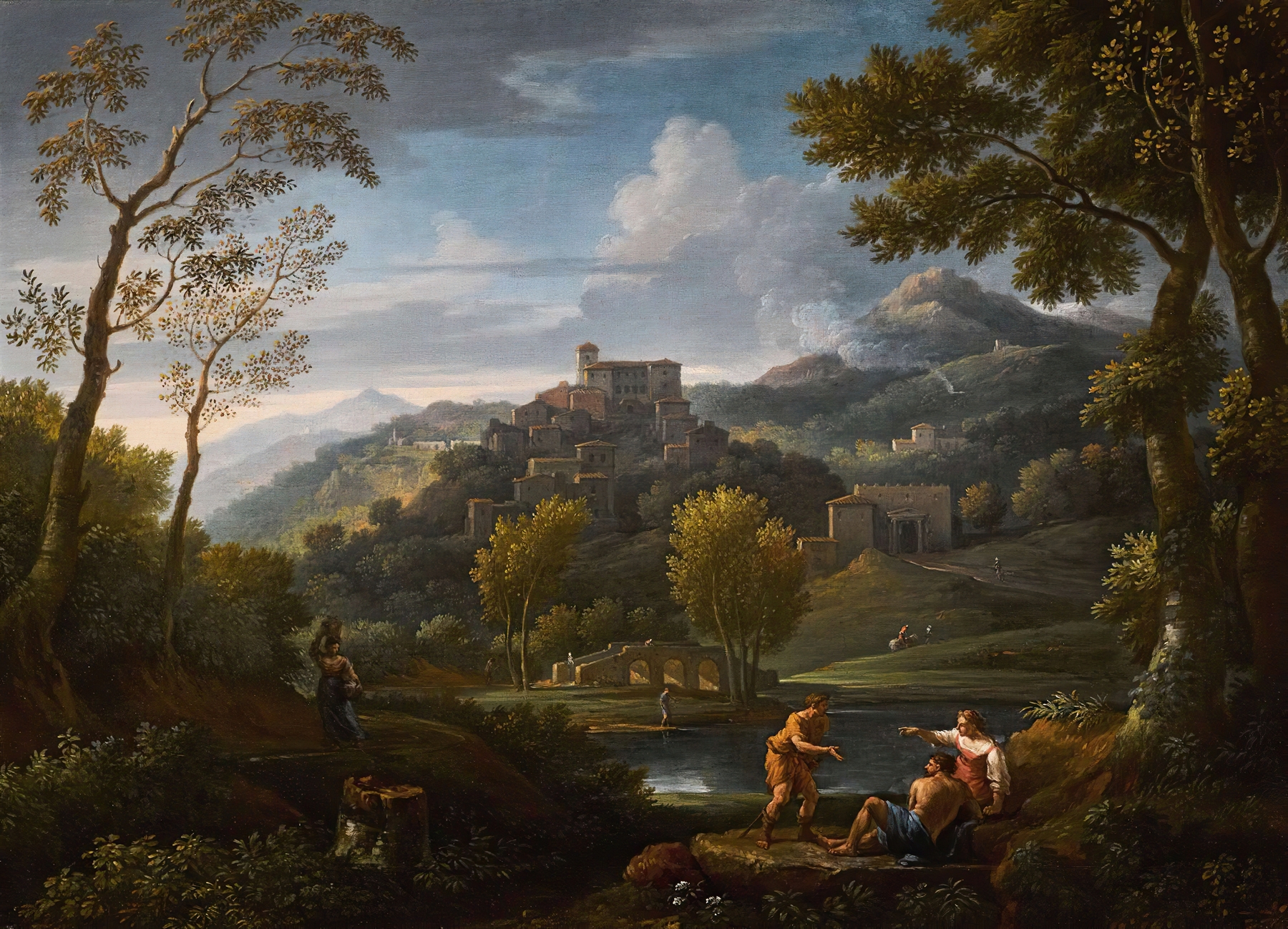
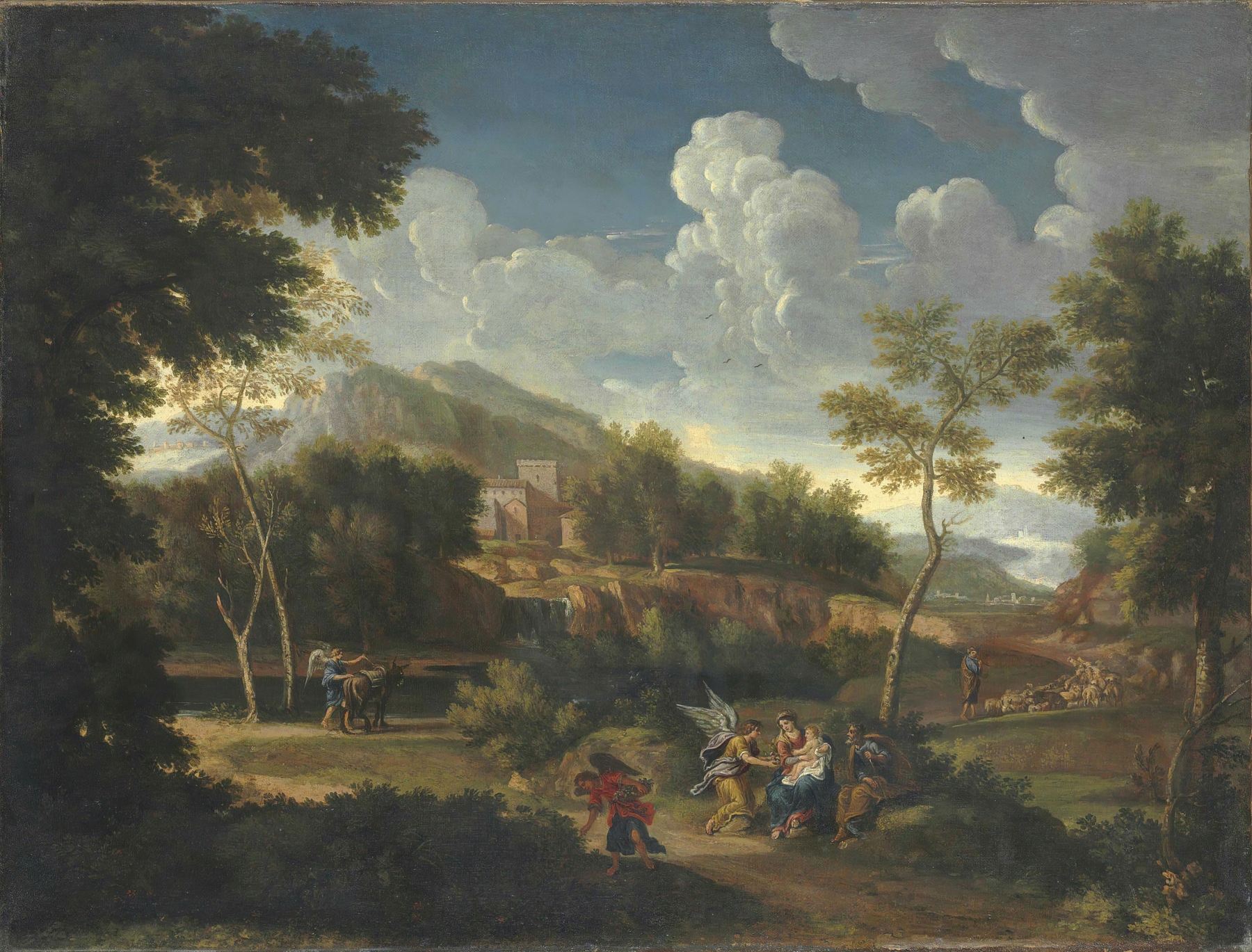
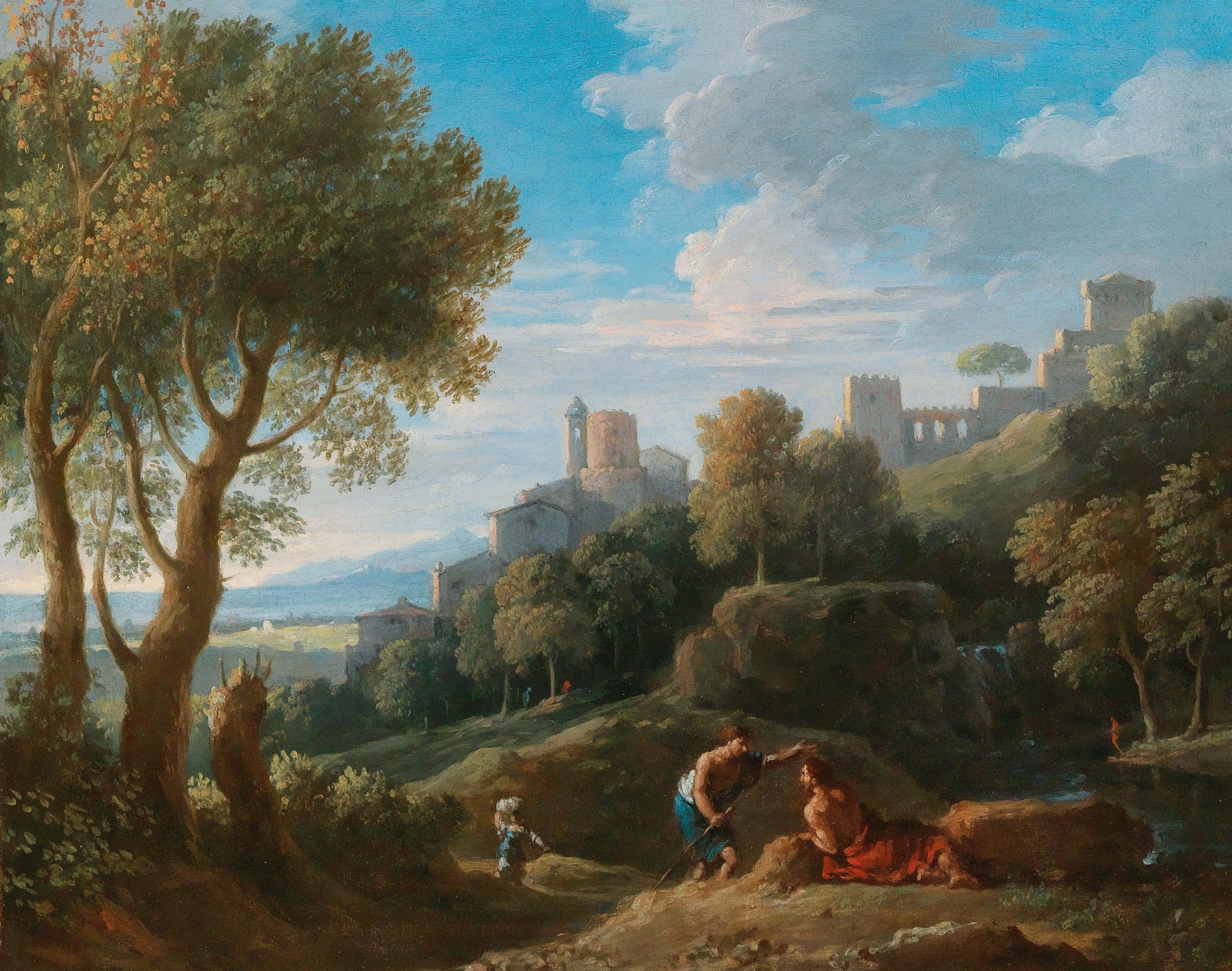
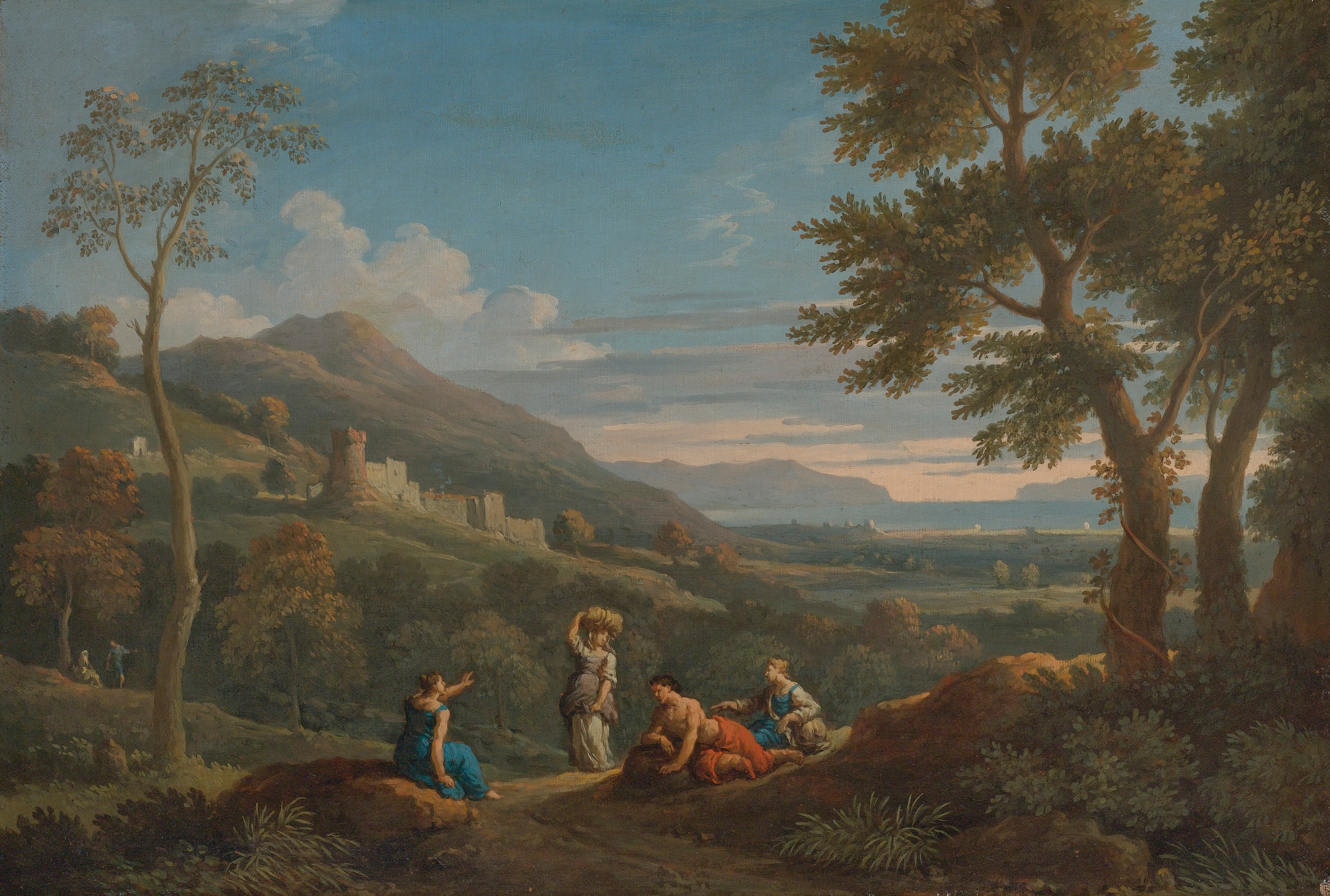
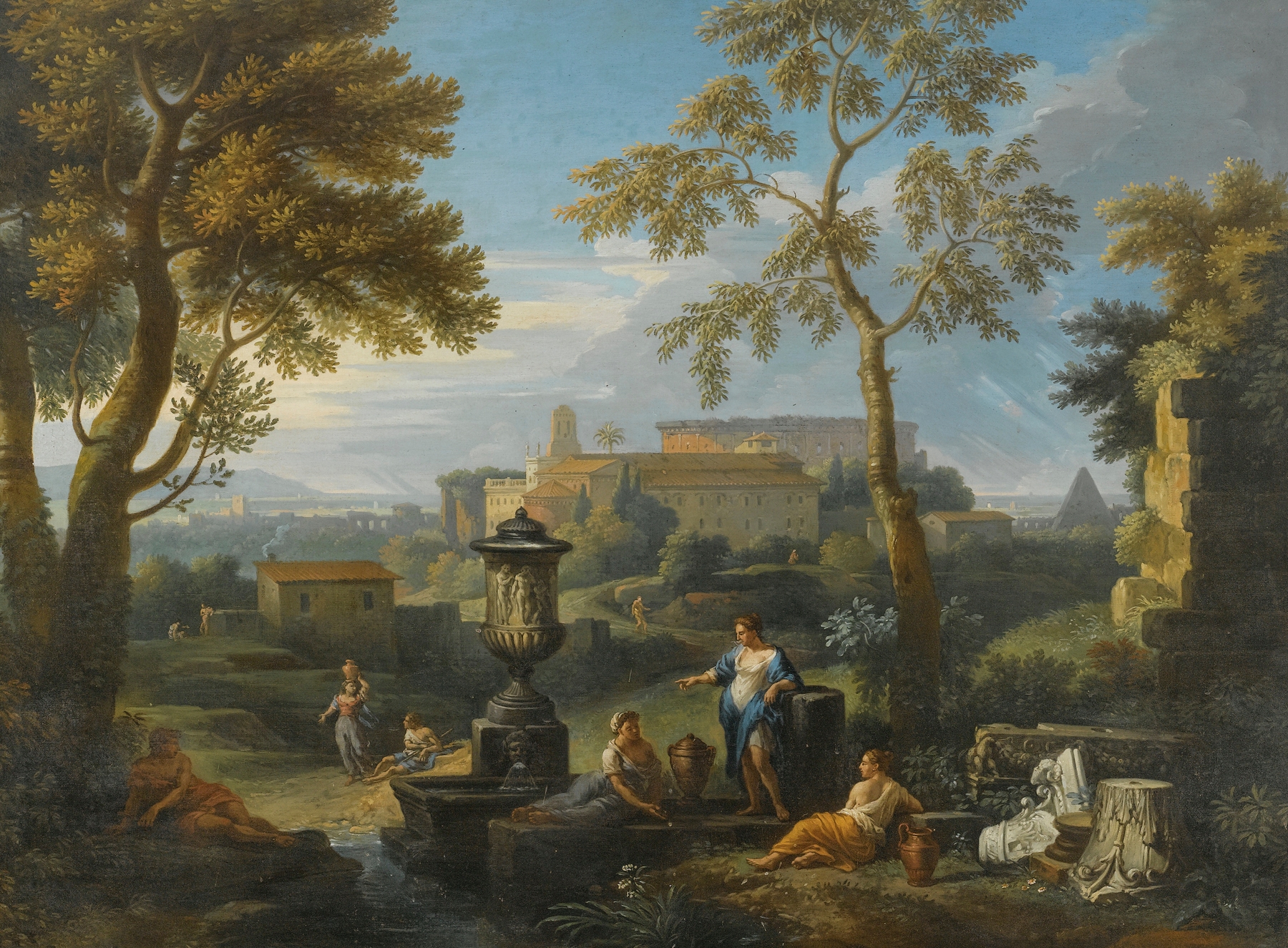
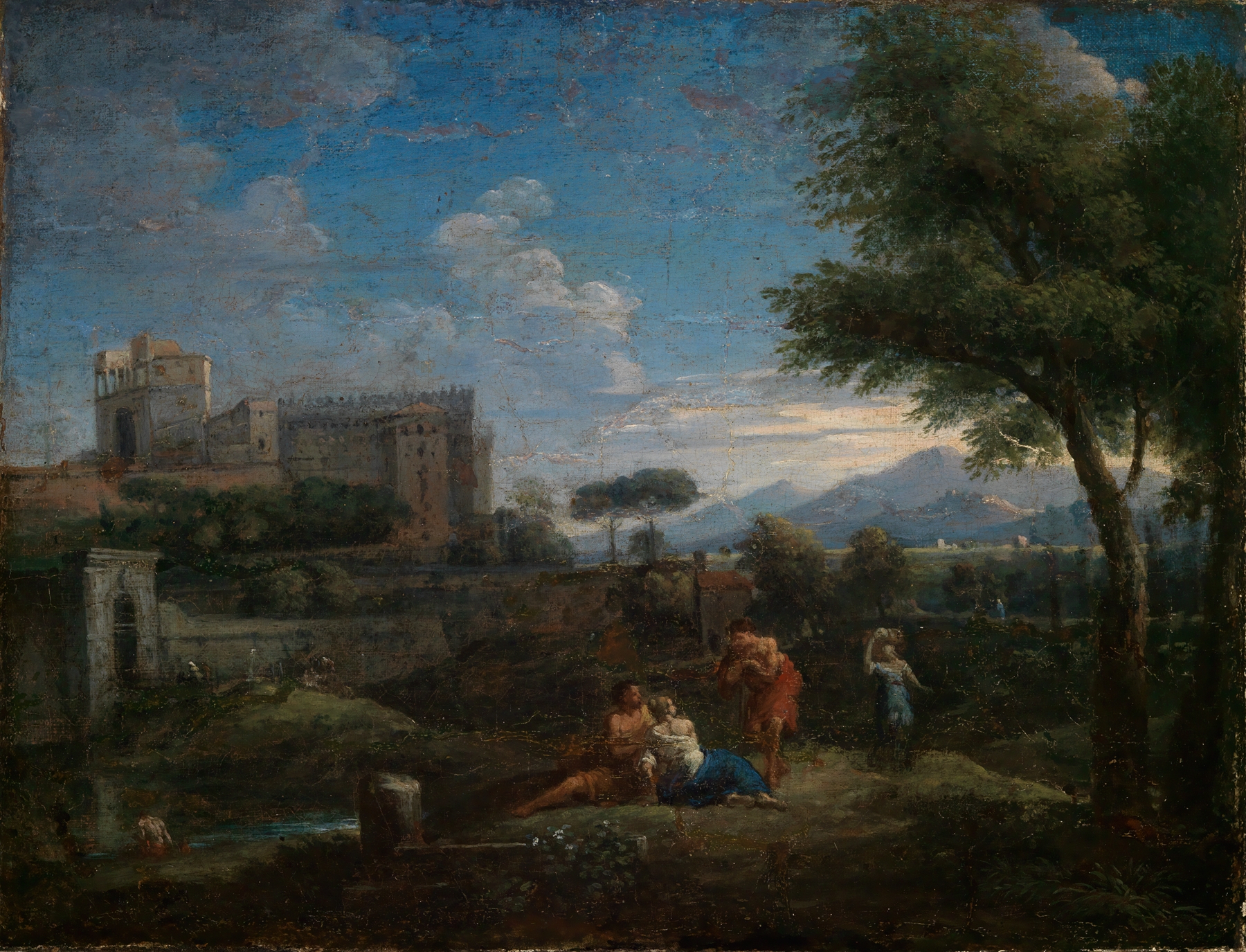
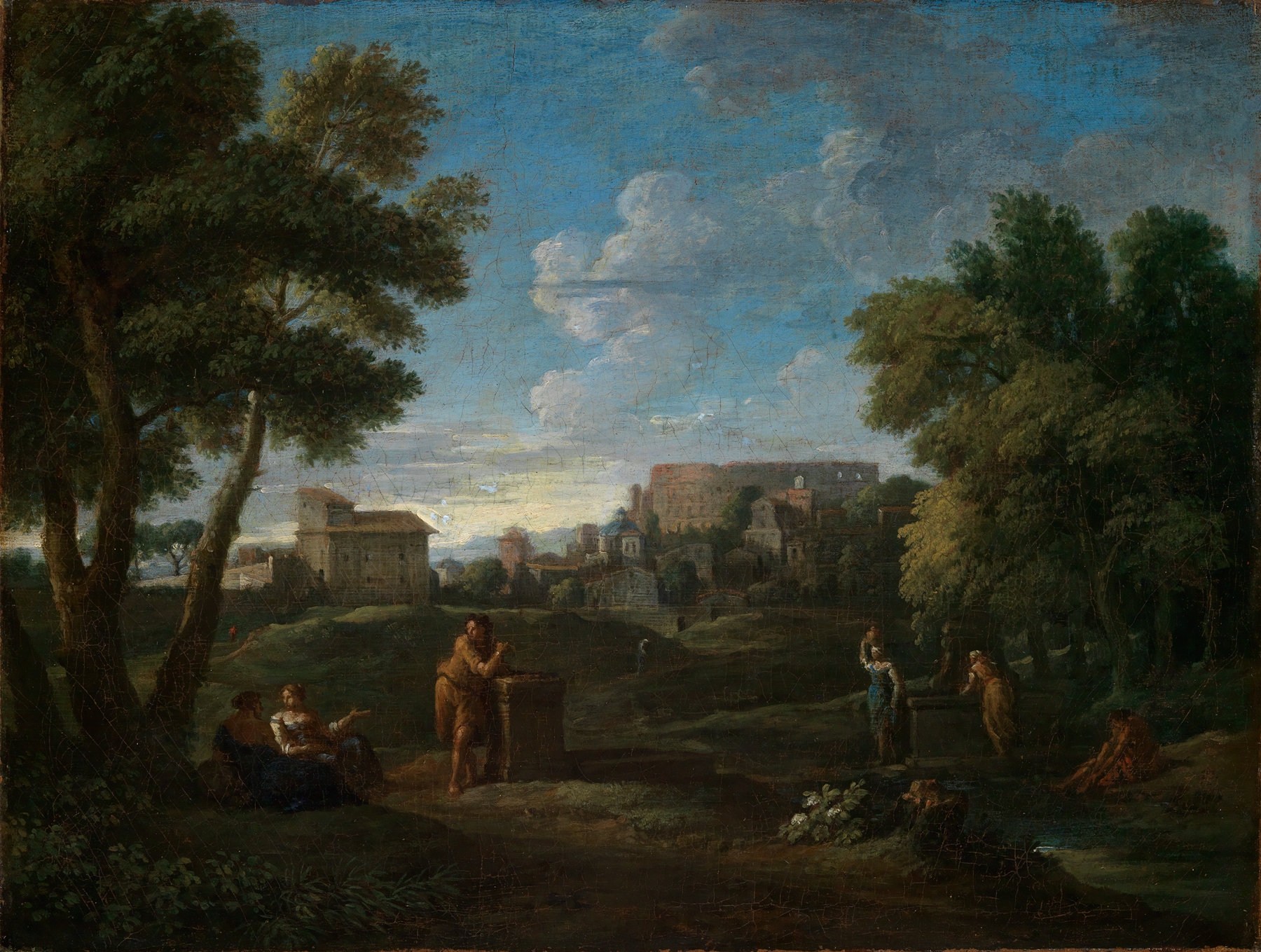
Can beauty exist without sorrow? This question lingers in the air as the viewer gazes upon the tranquil expanses of Landscape by Jan Frans Van Bloemen. The painting invites us to explore a serene yet haunting space that evokes a profound sense of emptiness, where nature’s splendor collides with the silence of absence. Look to the foreground, where rolling hills gently cradle the horizon, their lush greens contrasting against muted browns. Notice how Van Bloemen employs soft brushstrokes to create a delicate interplay of light and shadow, weaving a tapestry of tranquility across the canvas.
Your eyes might drift to the distant mountains, their majestic peaks shrouded in a hazy mist, inviting contemplation on what lies beyond the visible. The muted palette reflects the bittersweet nature of the scene, suggesting both beauty and longing. Within this landscape, nuances emerge—bare trees stand like silent sentinels, their skeletal branches reaching for the sky, reminding us of life's fleeting nature. A solitary figure sits beneath a tree, seemingly lost in thought; their isolation heightens the emotional resonance of emptiness that permeates the scene.
Each element harmonizes, creating an atmosphere that feels both soothing and melancholic, suggesting that the beauty of nature often carries the weight of unspoken sorrows. Jan Frans Van Bloemen painted Landscape during a time when the Baroque era was giving way to the Enlightenment in the late 17th century. Living in Italy, he found inspiration in the Roman countryside, where he embraced the sublime qualities of nature. As artists began to explore themes of emotion and the human experience, Van Bloemen's work reflected a keen awareness of the delicate balance between beauty and the void that often accompanies it, marking a significant moment in his artistic evolution.