Landscape — History & Analysis
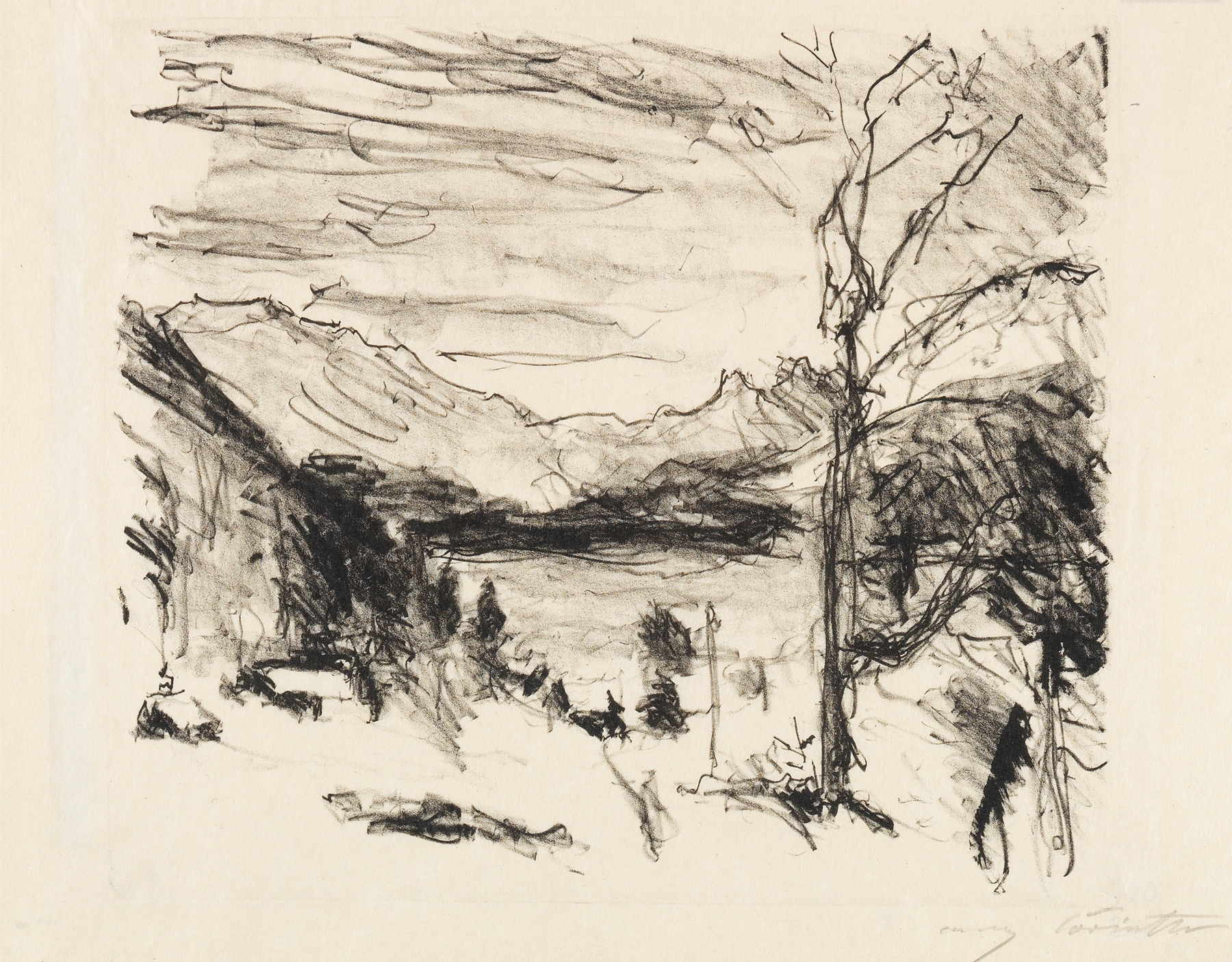
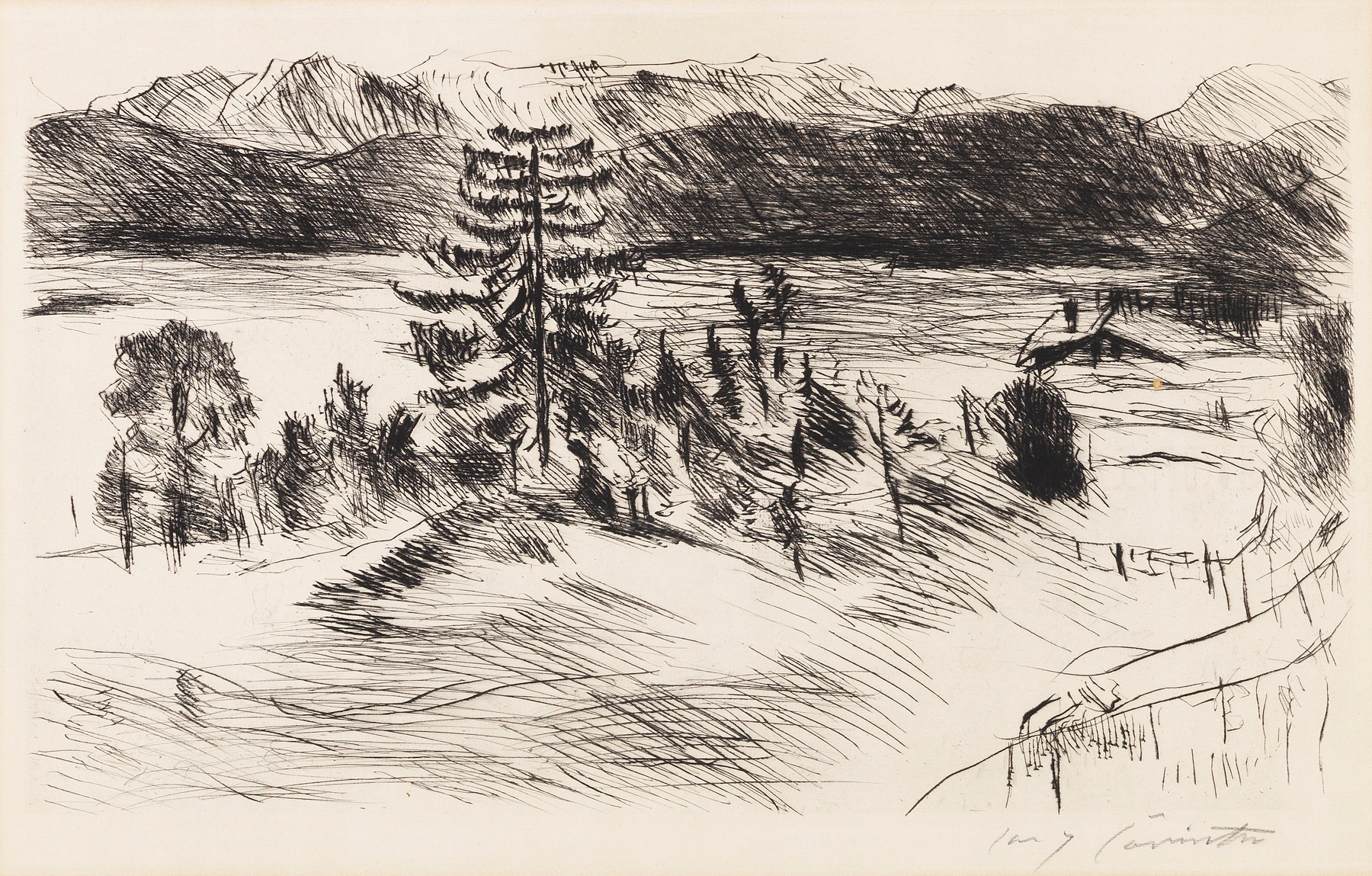
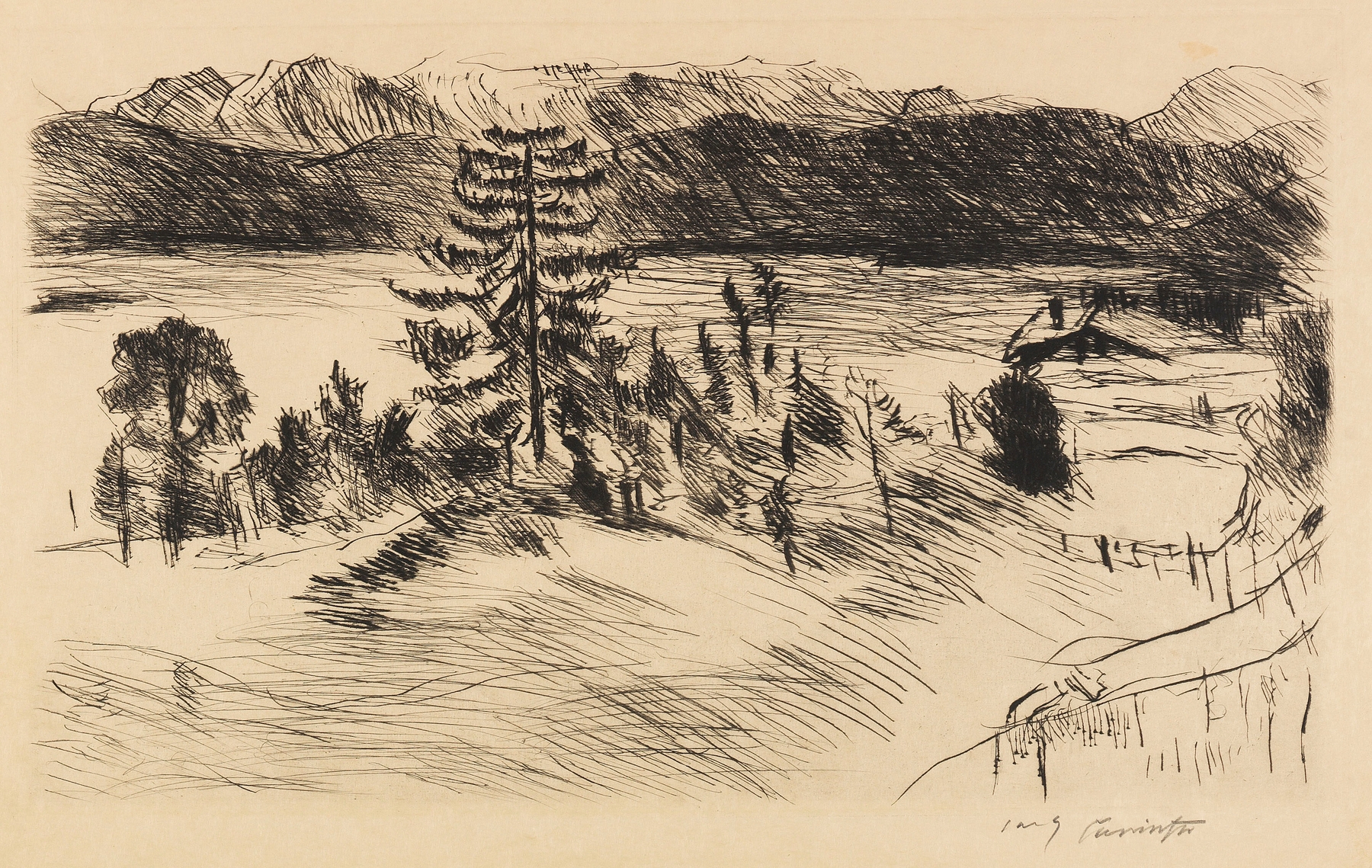
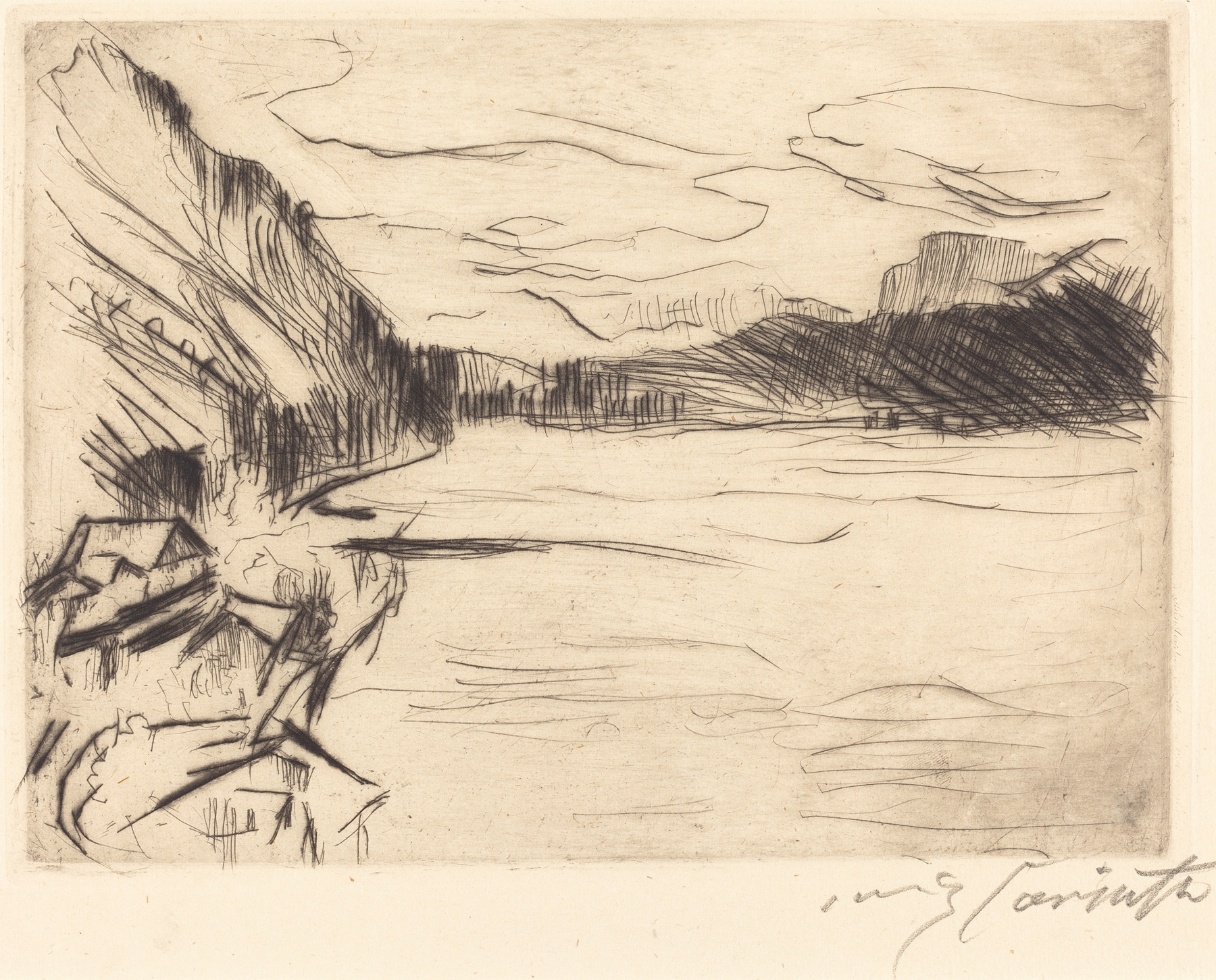
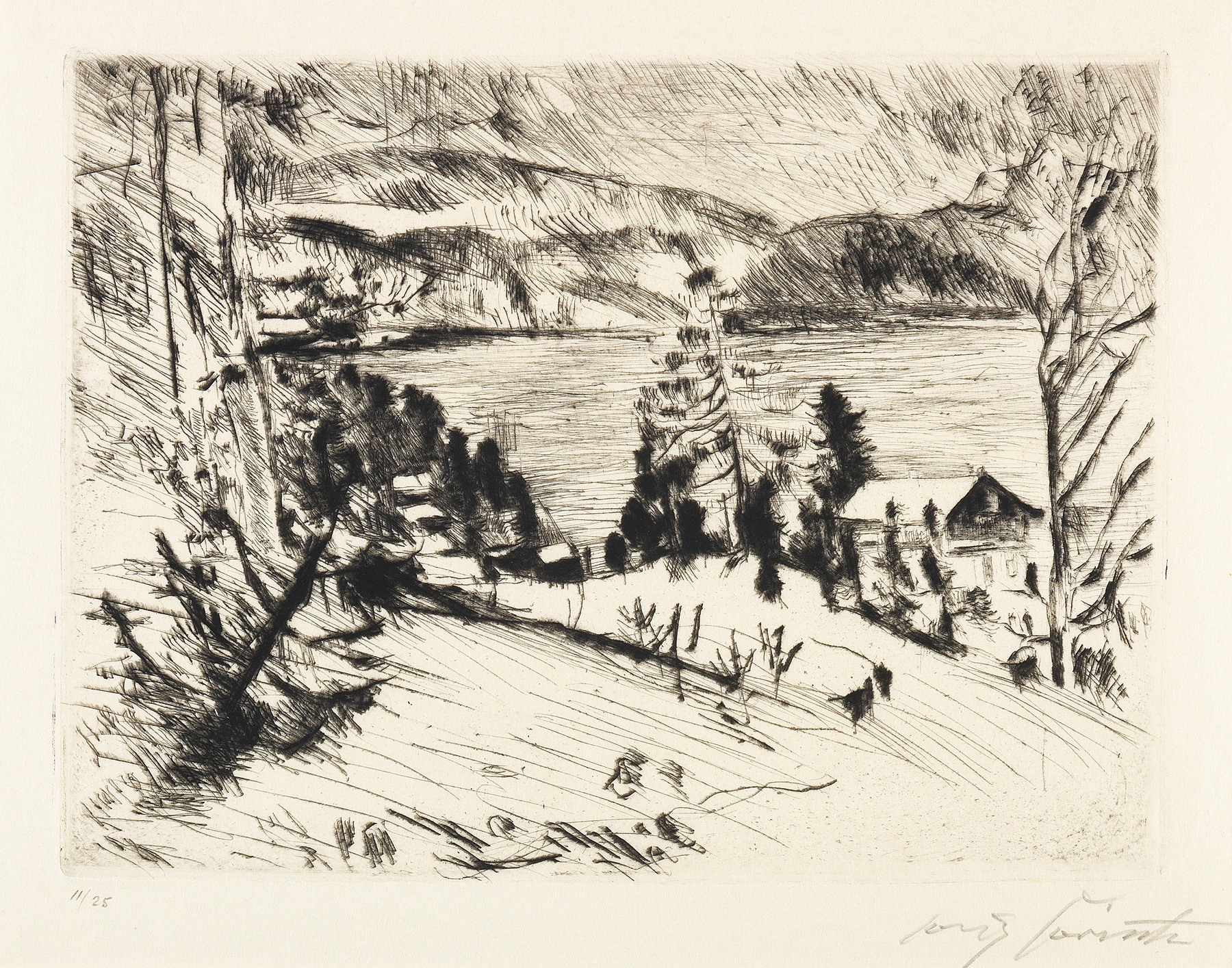
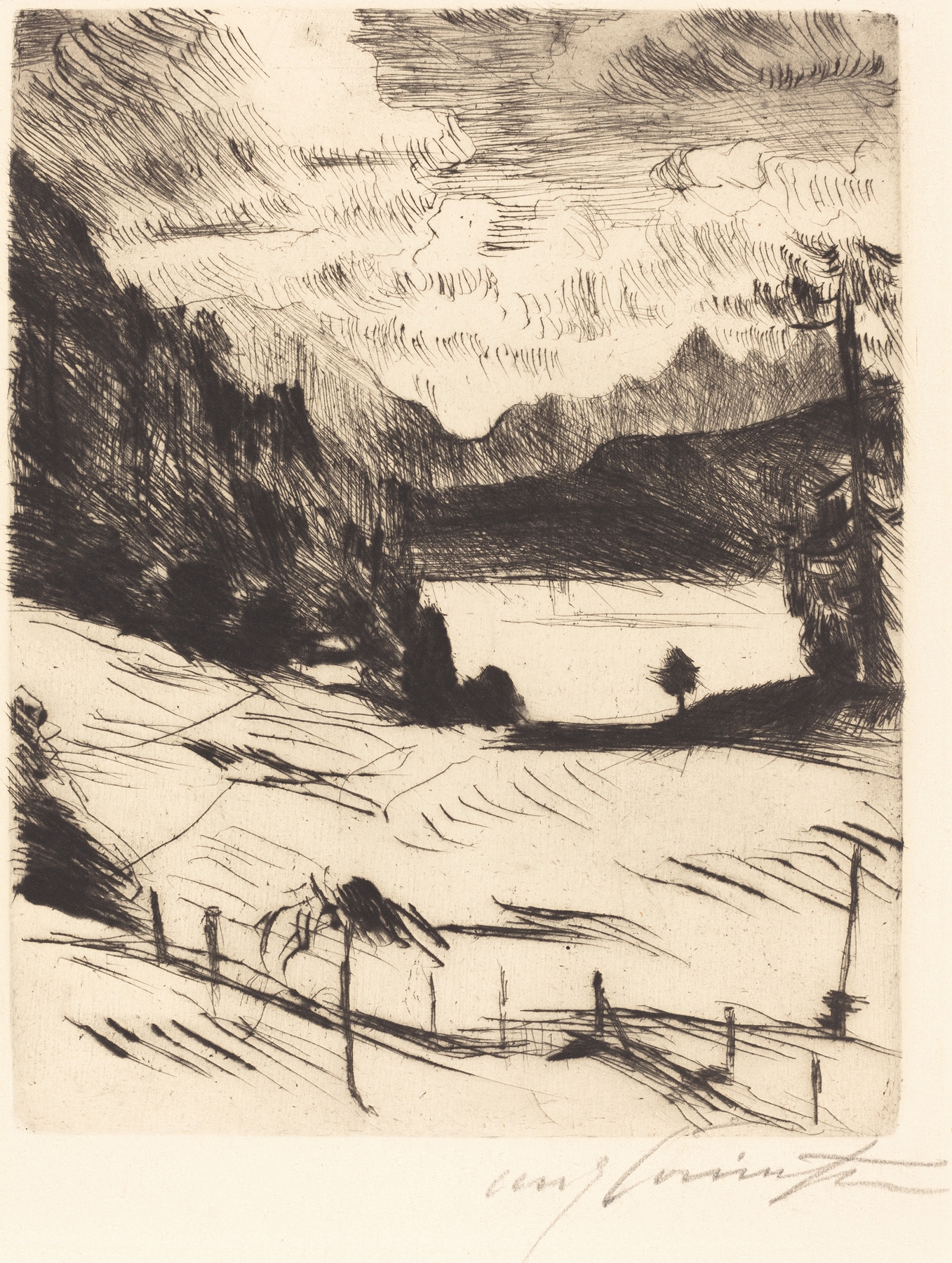
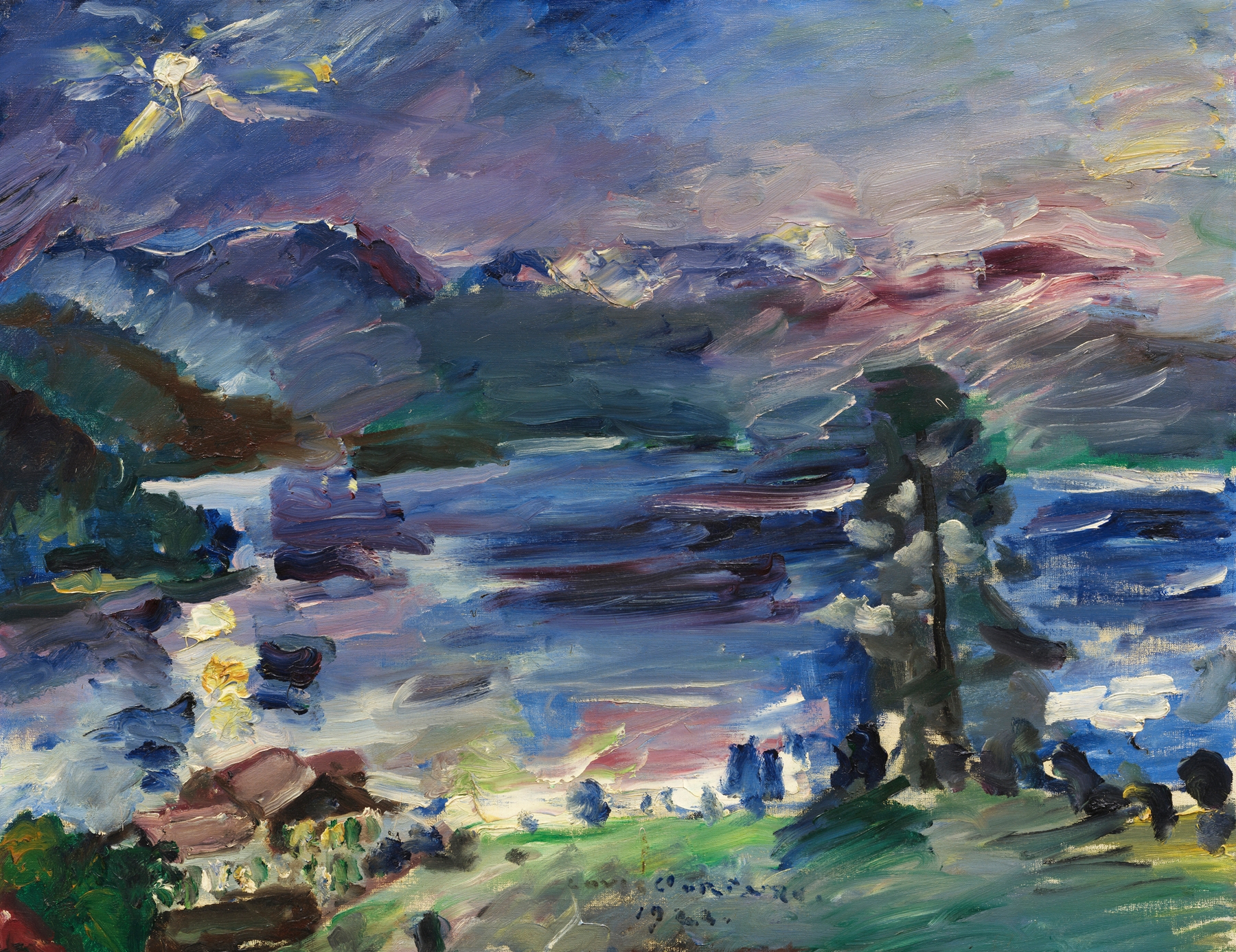
“The canvas doesn’t lie — it simply waits.” In an era poised on the brink of revolution, the landscape becomes more than a mere backdrop; it transforms into a vibrant conversation between the artist and the elements that shape human experience. Look closely at the foreground where the lush greens of the grass dance under a warm sunlight that spills across the scene. Notice how the brushstrokes are energetic and bold, capturing the essence of the earth with a fervor that feels alive. The sky, a tumult of blues and whites, swirls dramatically, suggesting an emotional intensity that speaks to both the beauty and chaos of the world.
The composition balances chaos with serenity, inviting viewers to linger in a moment that feels both transient and permanent. Hidden within the strokes are complex emotional tensions. The juxtaposition of the serene landscape against the turmoil of an impending societal shift hints at a world in transition. Corinth’s decision to render nature with such vibrancy could be interpreted as a call to arms; the landscape seems to pulse with the potential for change.
Small details, like the distant horizon, can be read as symbols of hope and uncertainty, reflecting the duality of human experience amid revolution. In 1904, while living in Berlin, the artist was deeply influenced by the dramatic shifts occurring in both society and the art world. This period marked a growing departure from traditional art forms, embracing new techniques and expressive styles. As the modern age loomed, Corinth's work boldly embraced these transformations, capturing a landscape that mirrored the spirit of a world on the cusp of profound change.