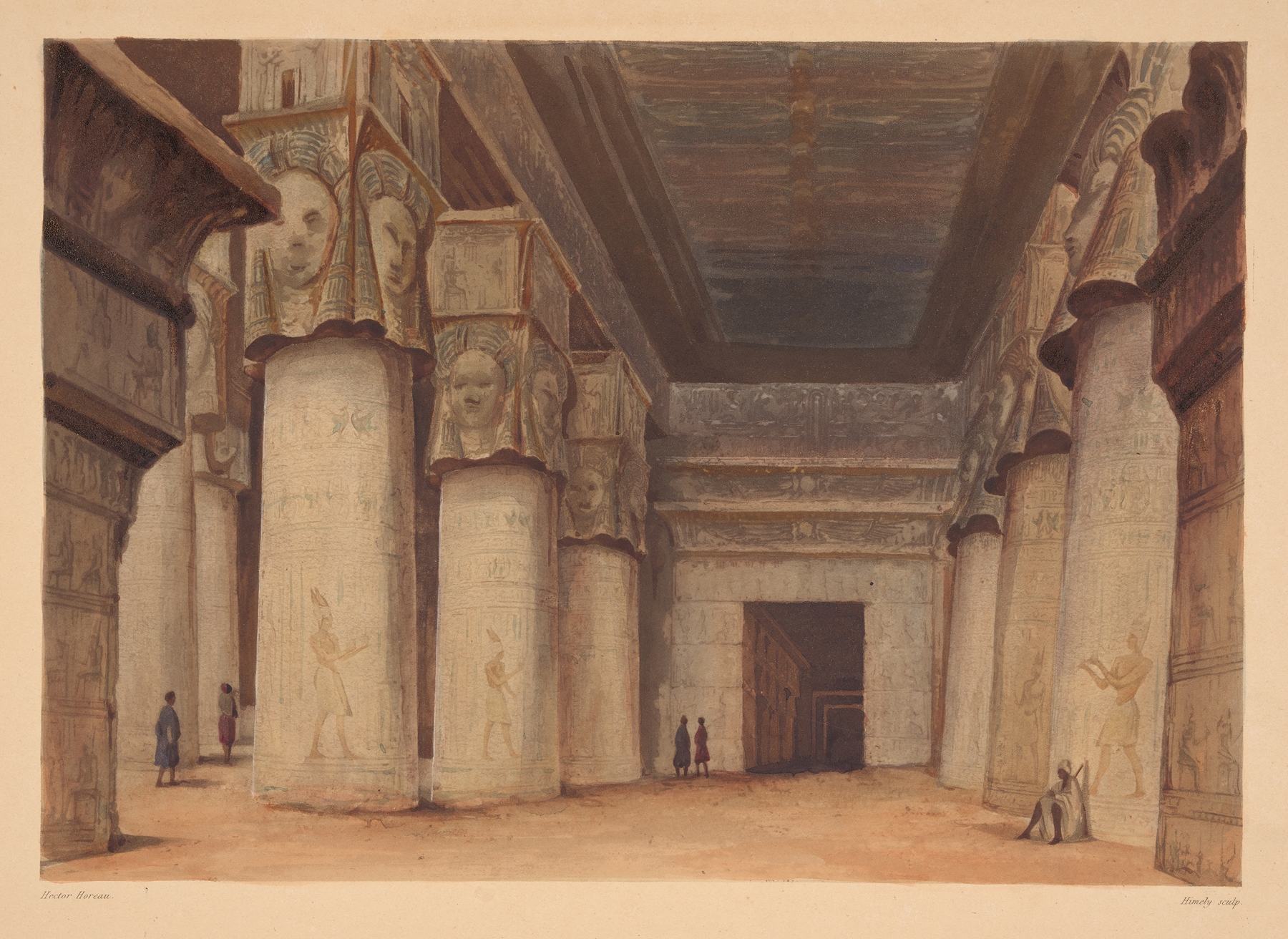
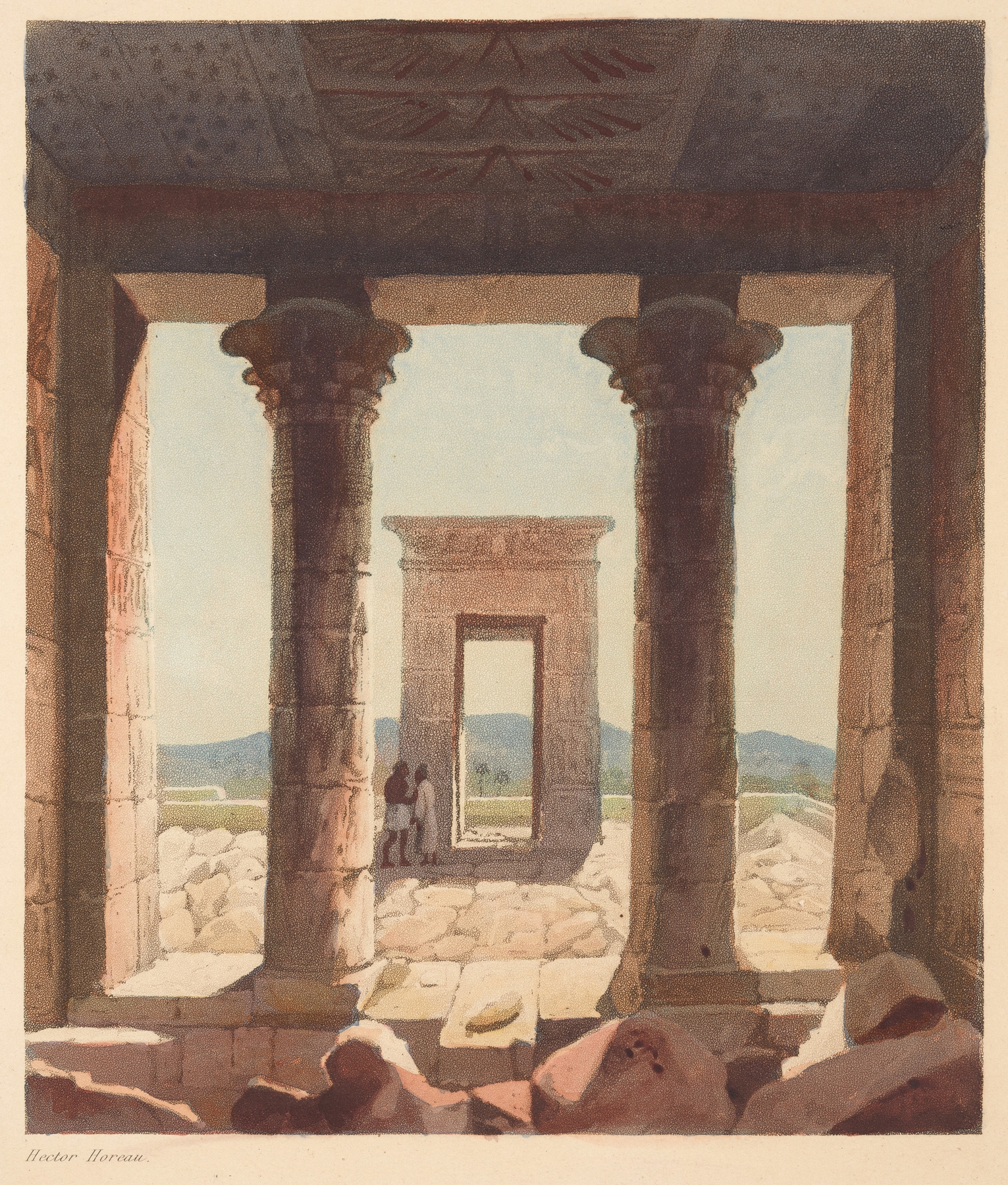
Landscape — History & Analysis
Could a single brushstroke hold eternity? In Landscape, the artist invites us to explore the delicate dance of nature, where each stroke resonates with the pulse of the earth. Look to the horizon, where rolling hills blend seamlessly into the sky. Notice the soft, muted greens and browns that create a sense of tranquility, while the gentle blues above draw your gaze upward.
The deft application of paint evokes a sense of movement; wisps of clouds seem to drift lazily across the canvas, and the brushwork suggests the whisper of a breeze through the trees. Delve deeper, and you’ll find contrasts that stir the soul: the peacefulness of the landscape juxtaposed with the dynamic flow of the brushstrokes. Each tree, though still, appears to sway as if caught in an unseen current, symbolizing the transient nature of life and time. The interplay of light and shadow reveals hidden depths, inviting contemplation about the harmony and fragility of the world around us.
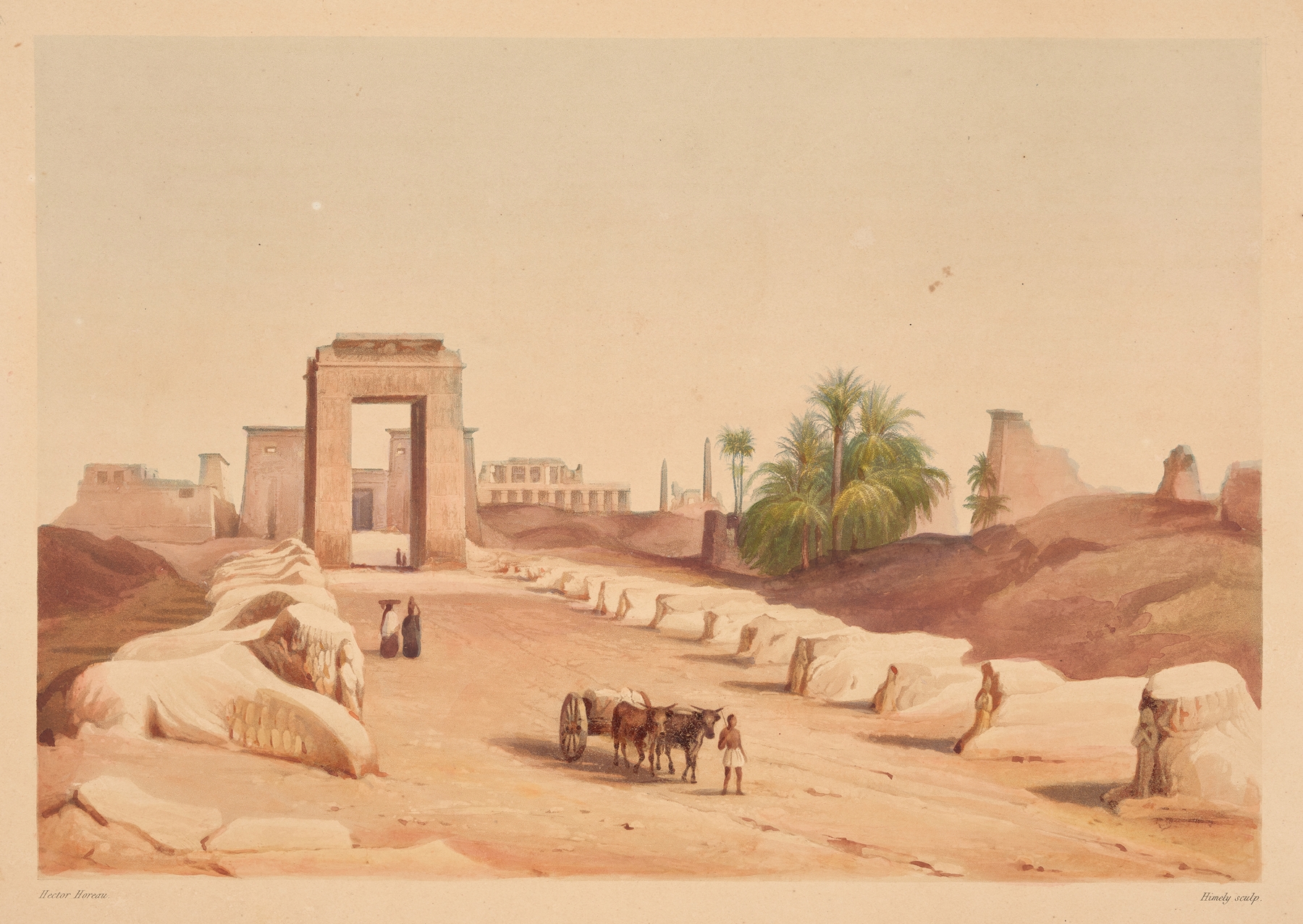
Created in 1839, this piece reflects Horeau’s life during a pivotal moment for Romanticism, where nature was revered as both a subject and a source of inspiration. Residing in France, he was influenced by the shifting artistic currents of his time, striving to capture the essence of the landscape with a fresh perspective. As this artwork emerged, so too did a growing appreciation for the emotional connections forged between humanity and the natural world.
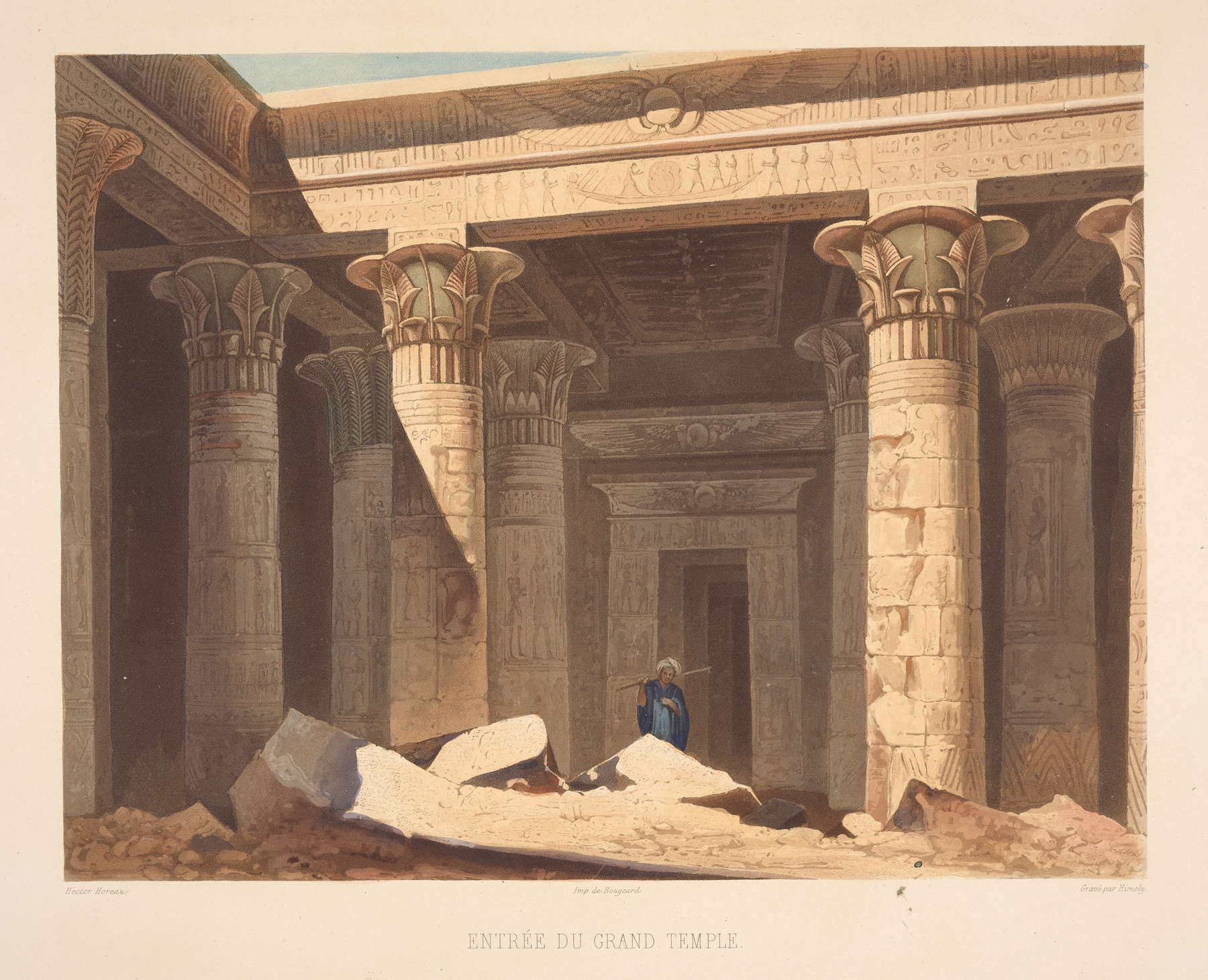
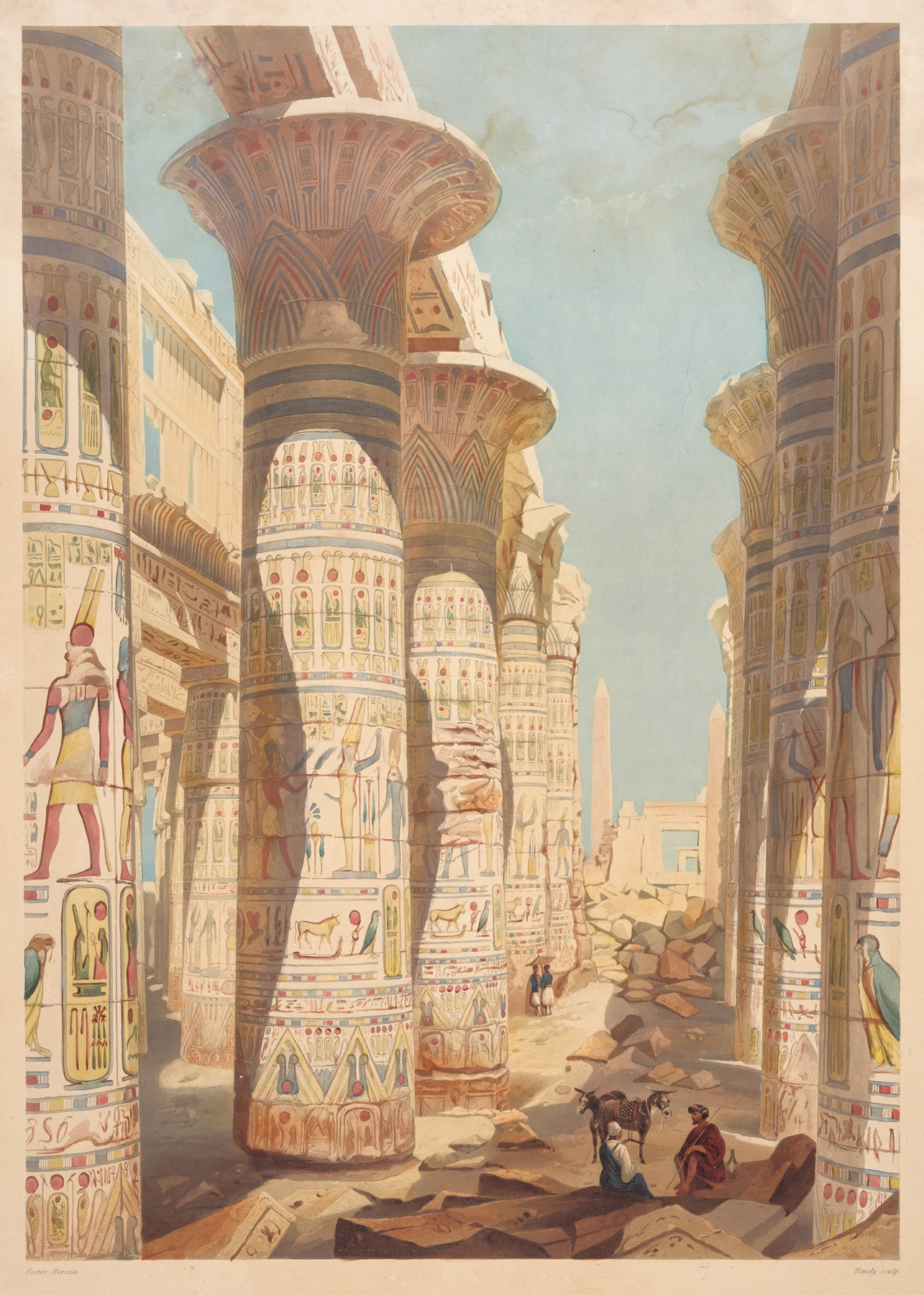
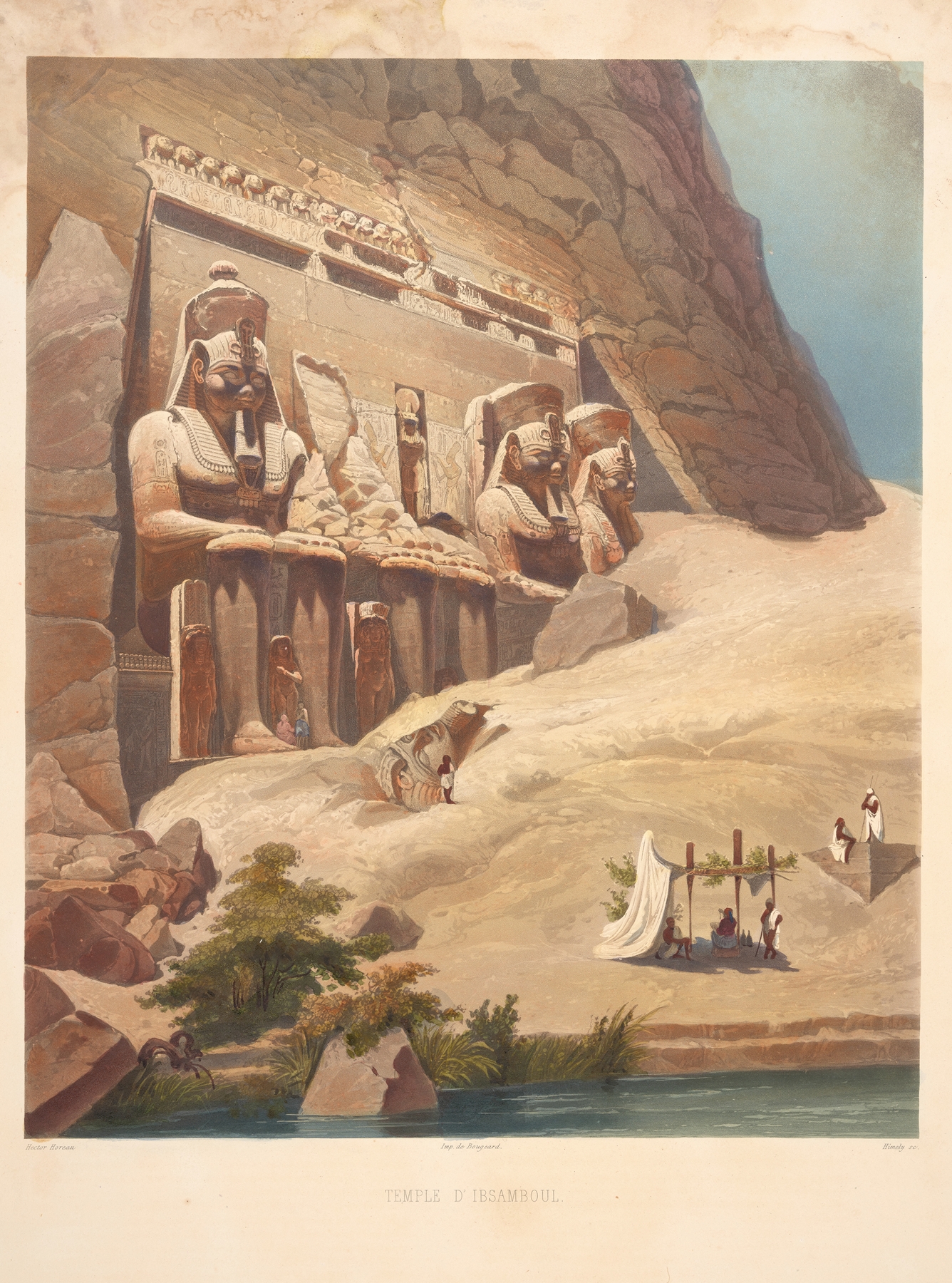
![Temple d’Ibsamboul [Interior view] (Temple of Abu Simbel), by Hector Horeau, public domain](https://froigstrpvutwqtqikzt.supabase.co/storage/v1/object/public/art-images/artworks/3156dbe8015f5681be442de2c2c50af40c84d5e10e8f68f04f9a54d6d857255f.jpg)