Landscape — History & Analysis
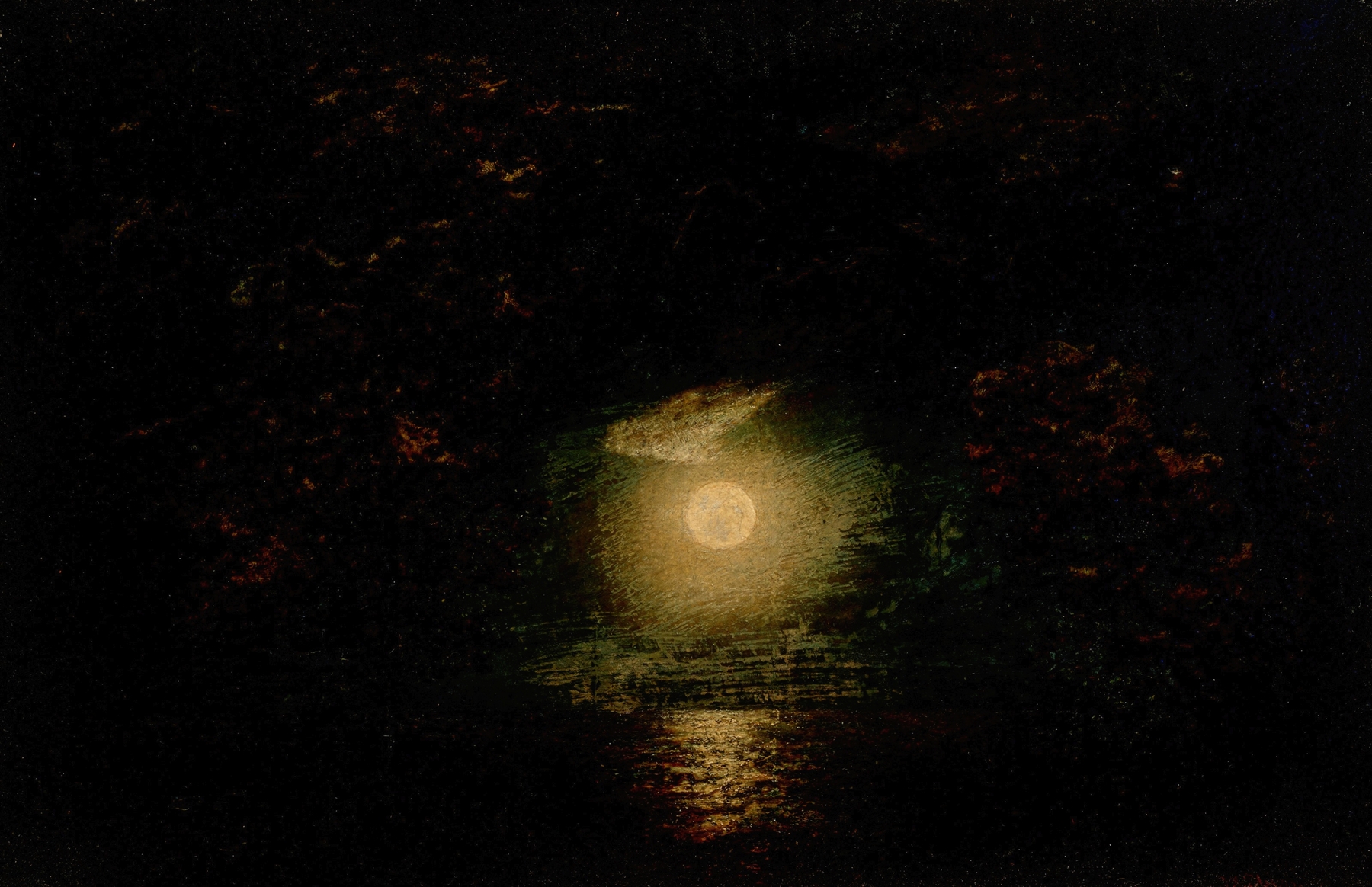
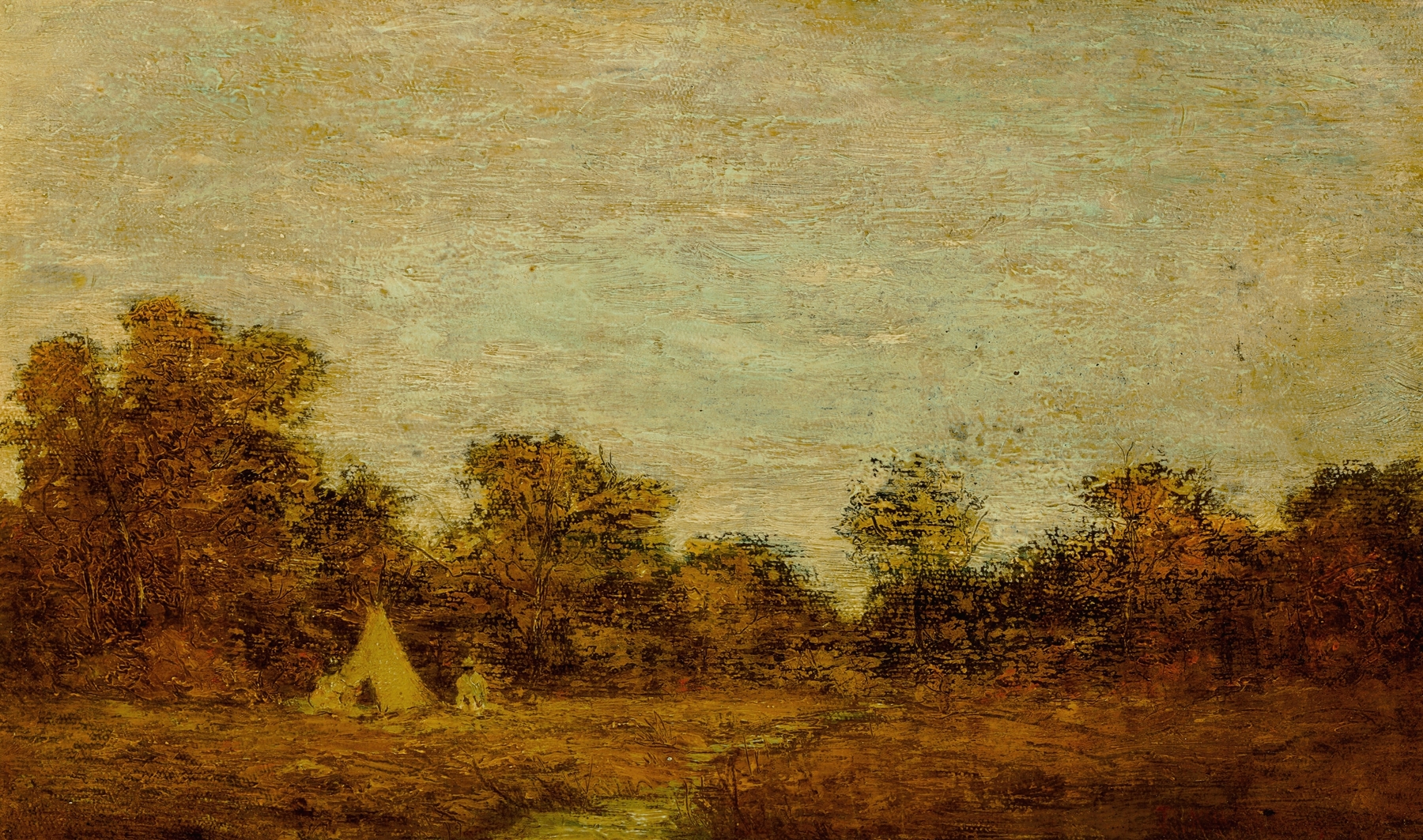
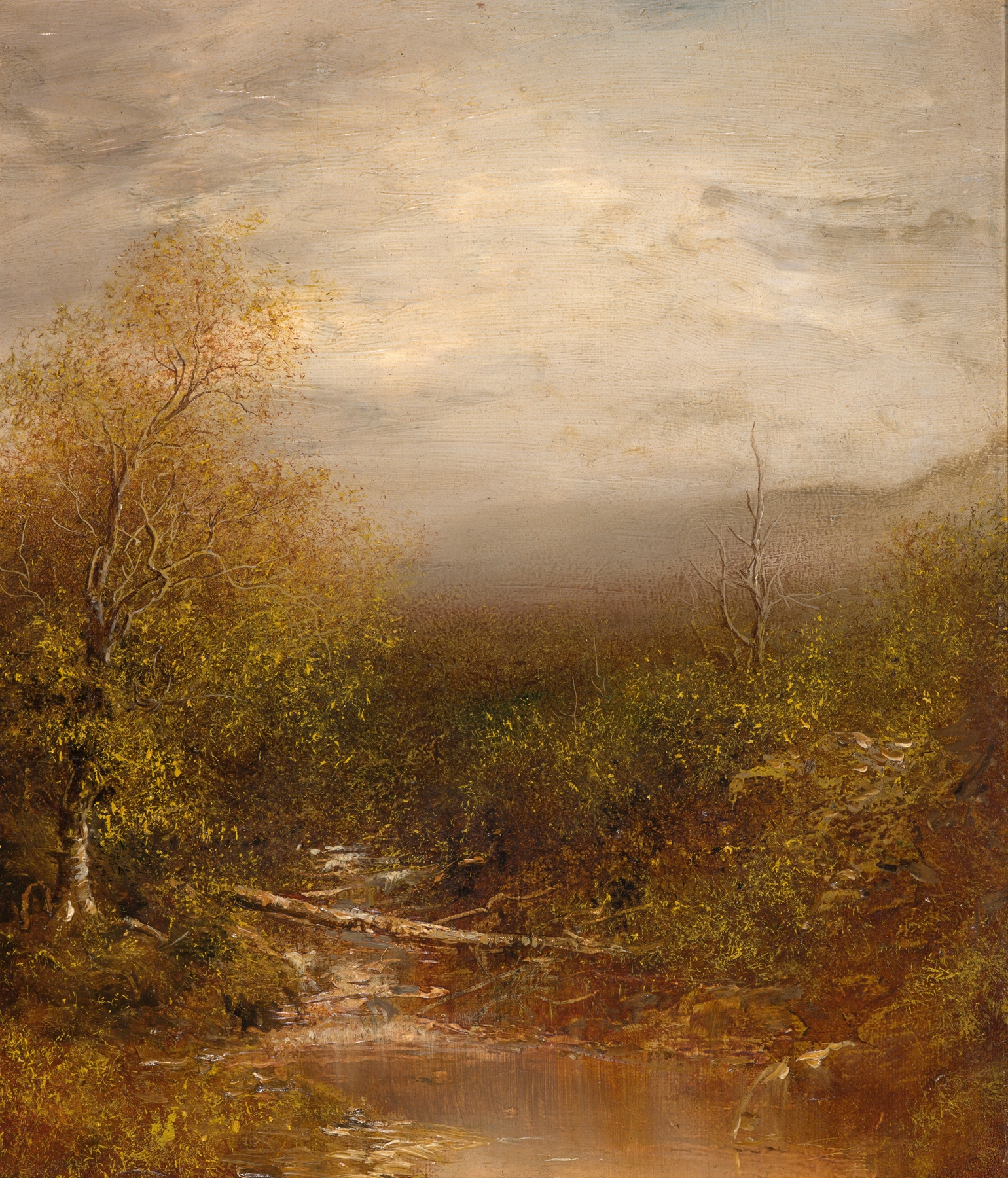
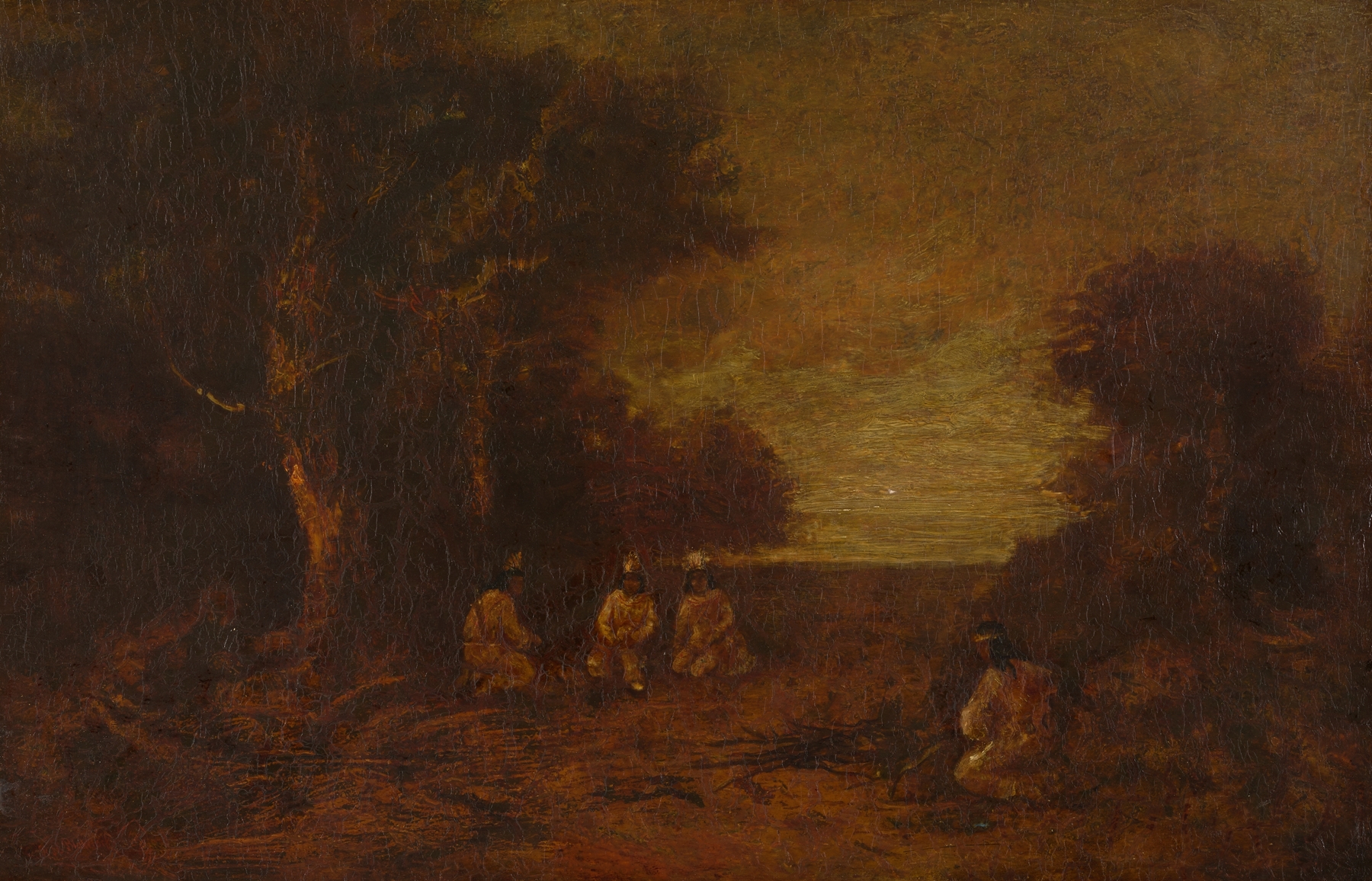
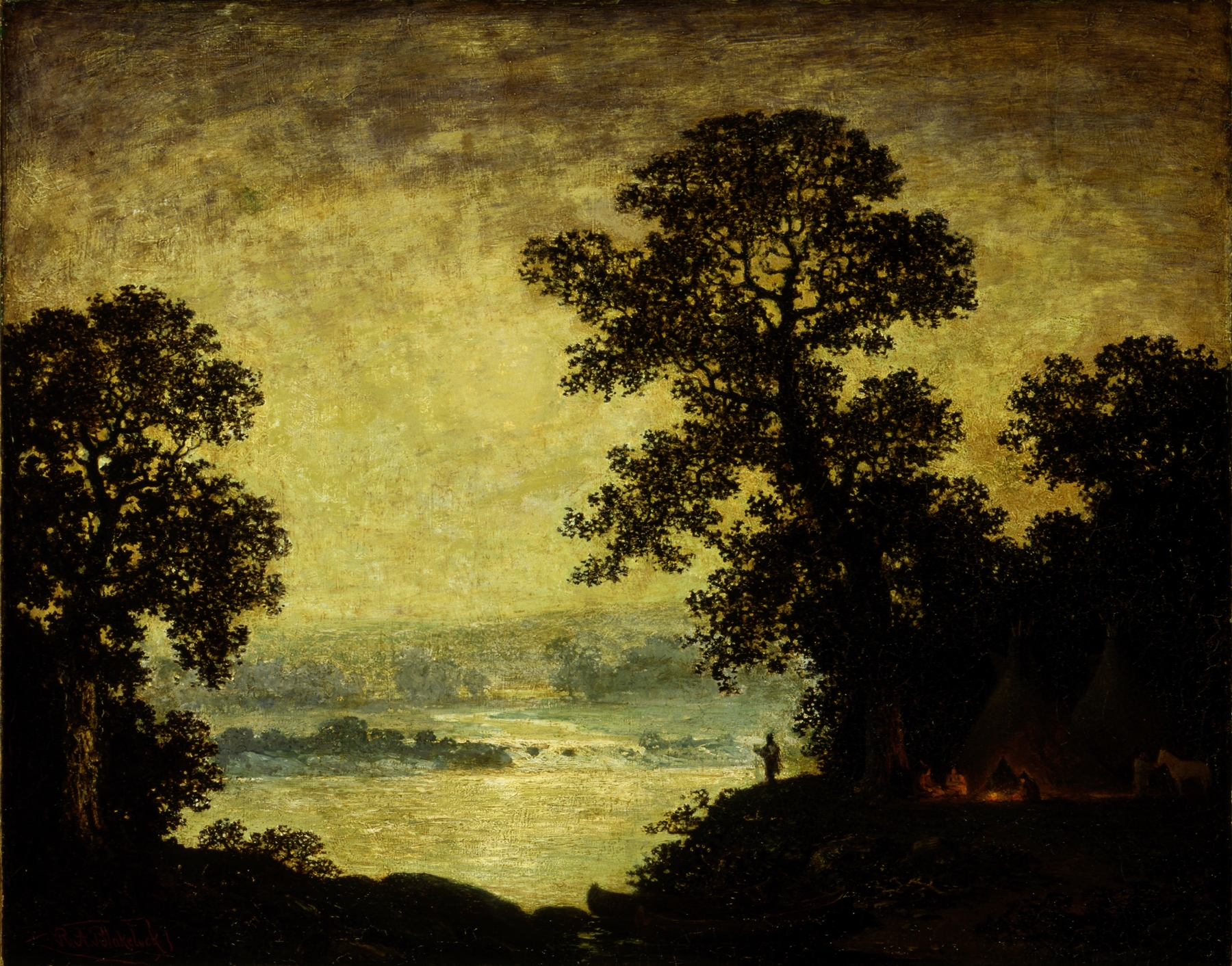
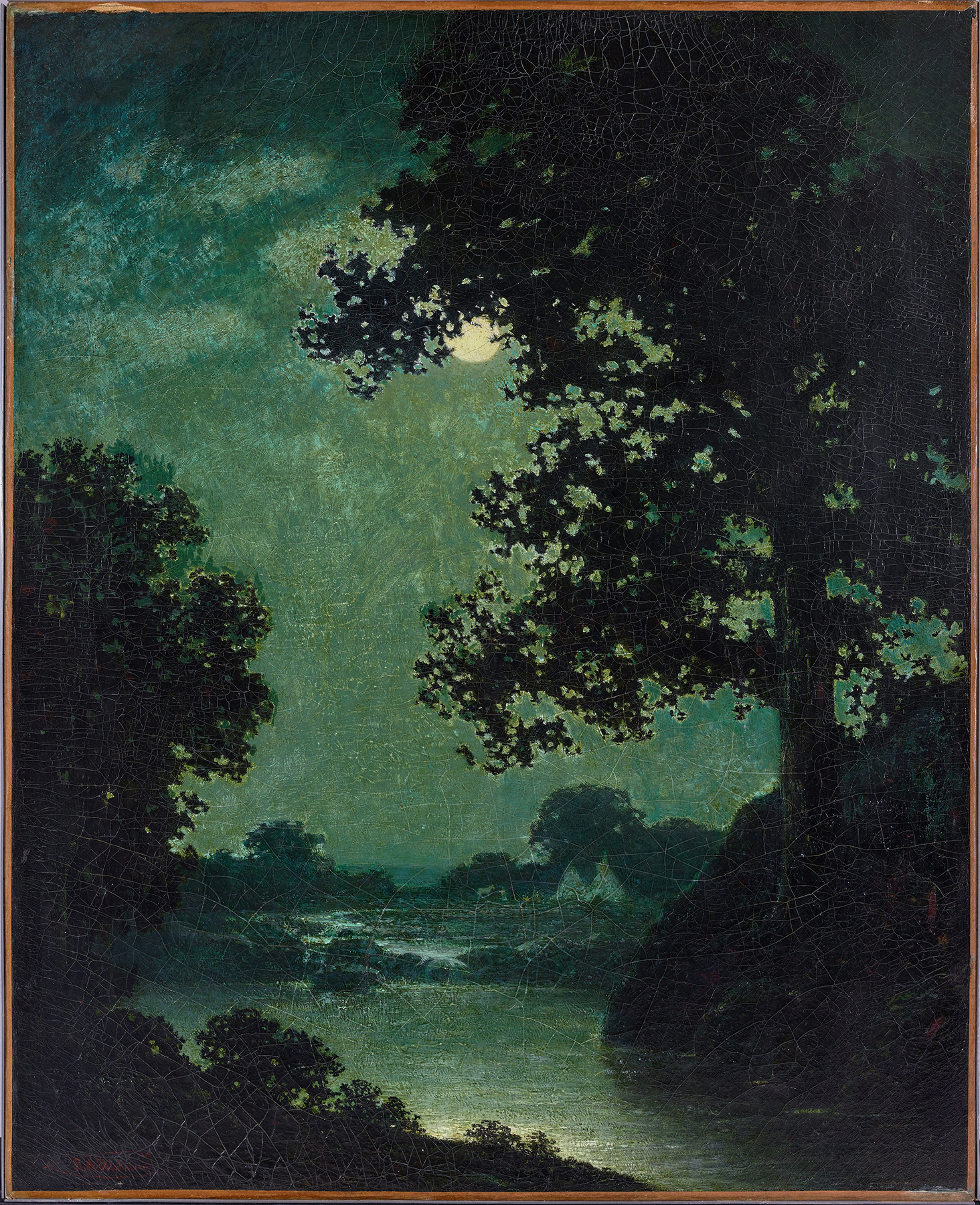
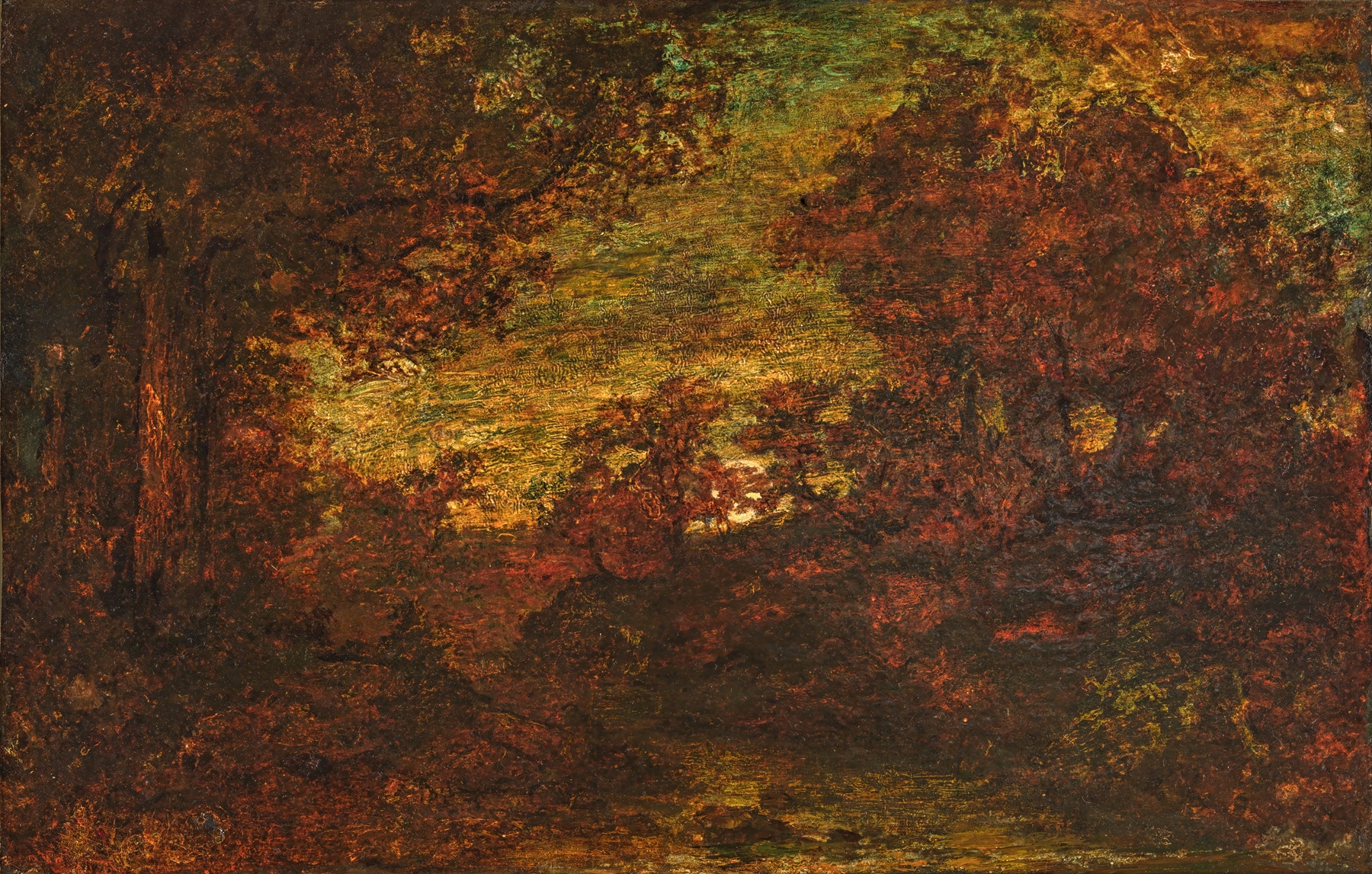
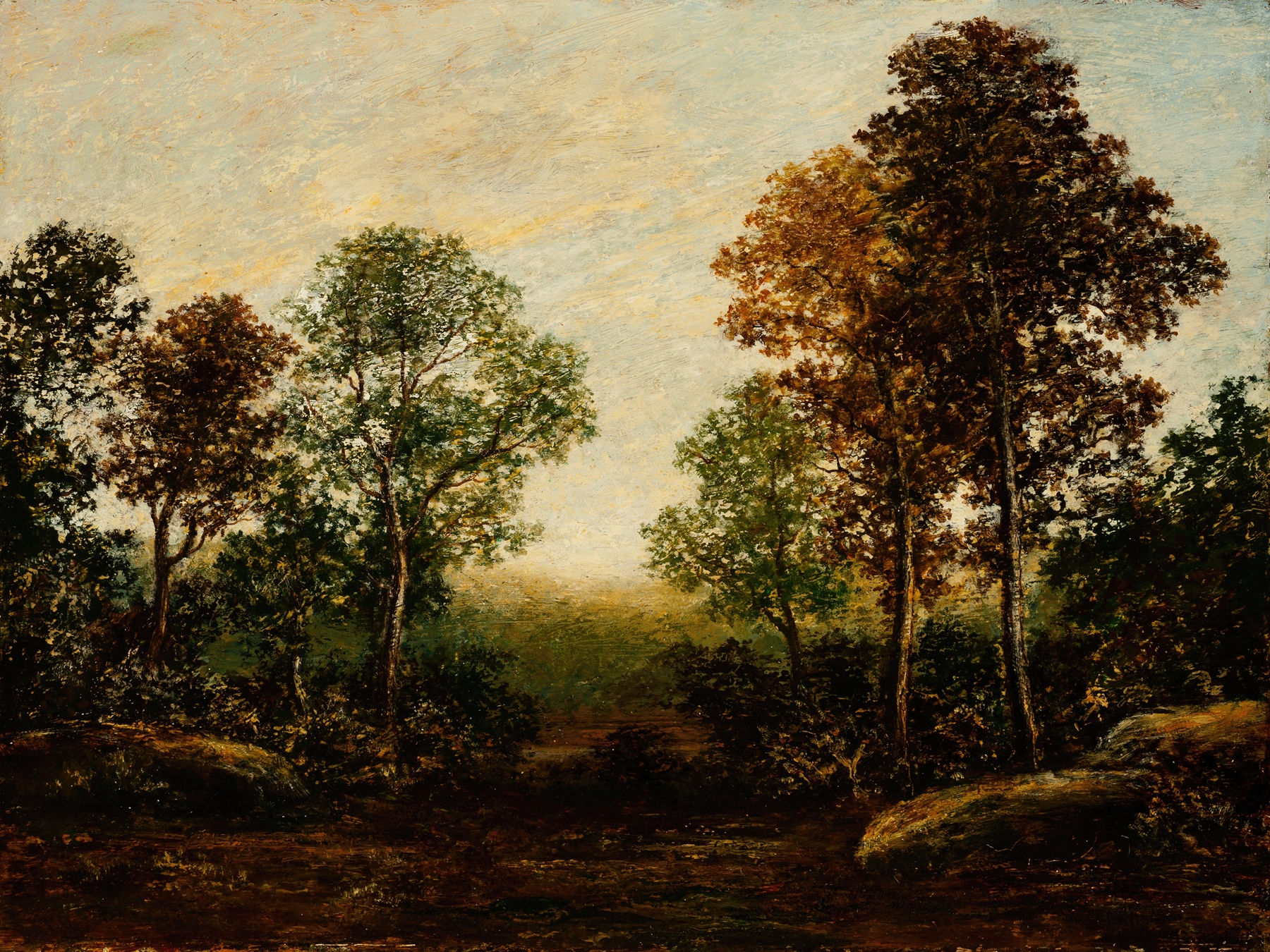
Who listens when art speaks of silence? In the stillness of Landscape, a gentle whisper of movement echoes through the expansive, tranquil scene, inviting the viewer to pause and reflect. Look to the horizon where deep blues and soft greens merge, creating an atmospheric depth that draws the eye. The delicate brushstrokes render the foliage with a sense of fluidity, as if the trees sway subtly in an unseen breeze.
Notice how the light filters through the canopy, casting dappled shadows upon the ground, illuminating the textures of the earth while inviting an air of mystery that envelops the viewer. Within this serene landscape lies a profound contrast between the vibrant, living elements of nature and the expansive stillness surrounding them. The distant mountains loom like guardians of time, their silent presence contrasting with the tangible movement of the foreground’s vegetation. Each stroke reveals not just the physical beauty of the scene but also an invitation to contemplate the passage of time and the fleeting nature of existence.
Ralph Albert Blakelock created Landscape between 1885 and 1895, a period marked by his struggle against mental health challenges alongside a burgeoning career in art. Working primarily in New York, he was influenced by the Hudson River School while striving to evoke emotion through the interplay of light and shadow. At the time, the art world was shifting towards Impressionism, yet Blakelock maintained a unique vision, capturing the profound stillness within nature's vibrant movement.