Landscape after Wynants (in the Louvre). — History & Analysis
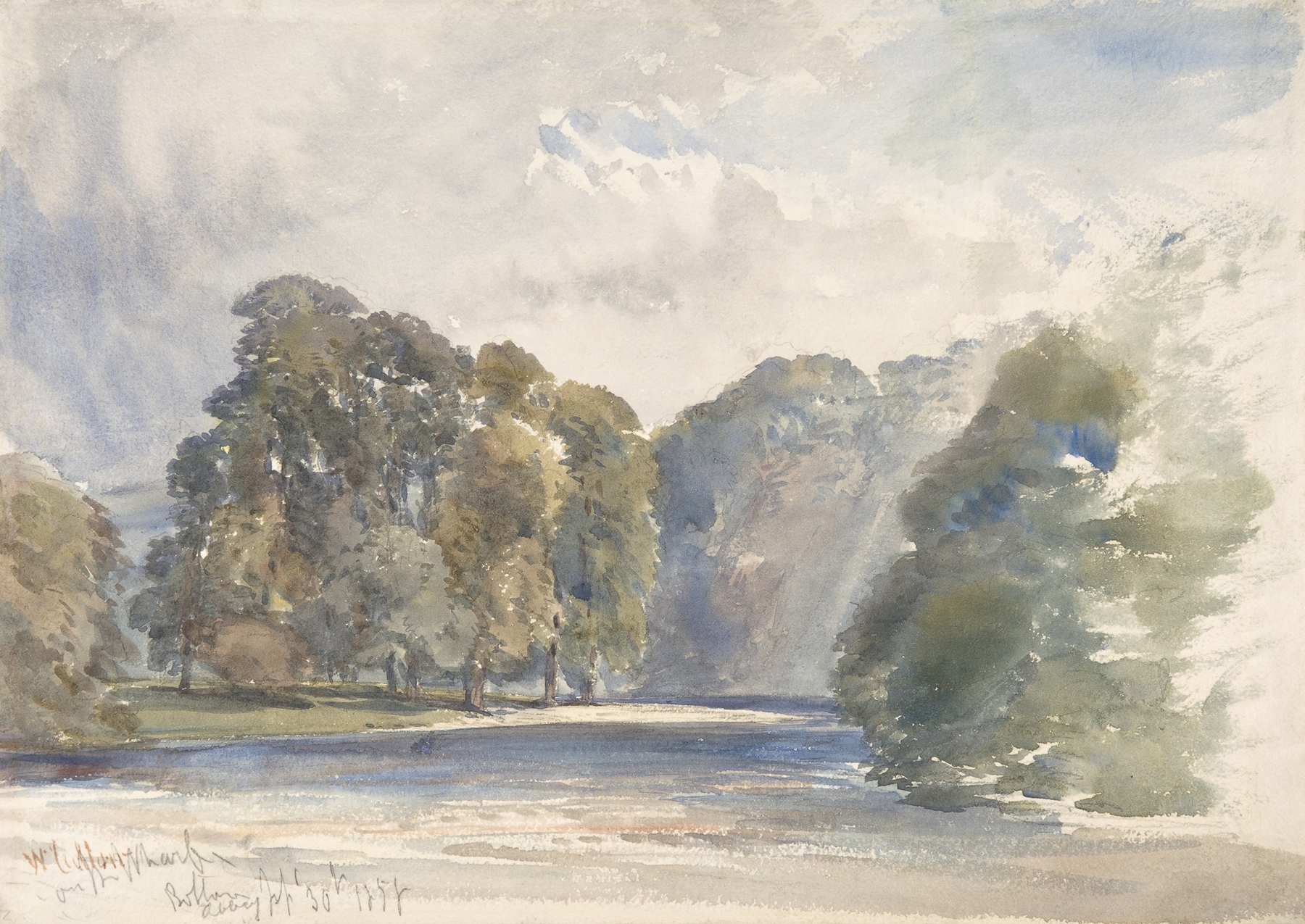
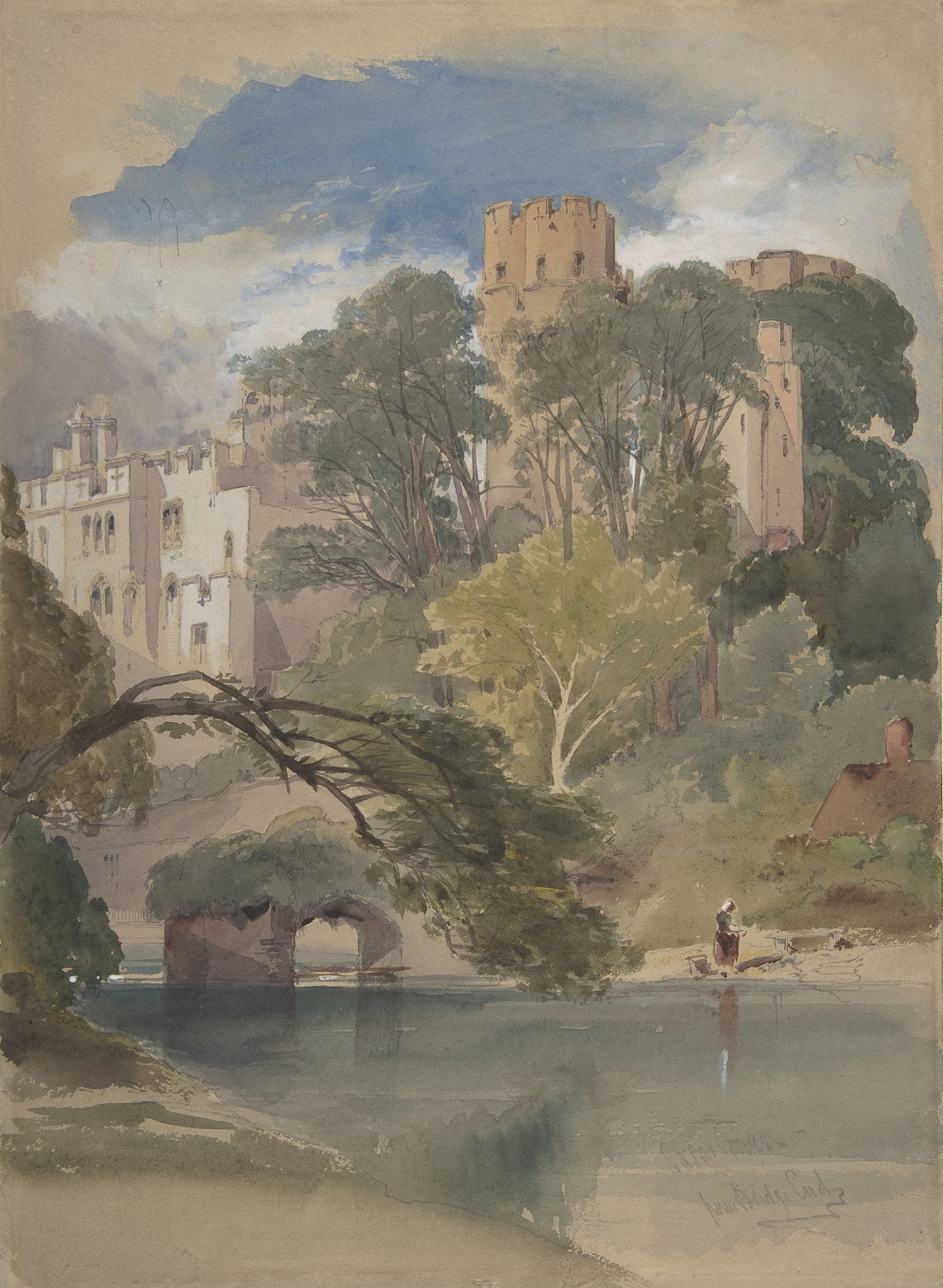
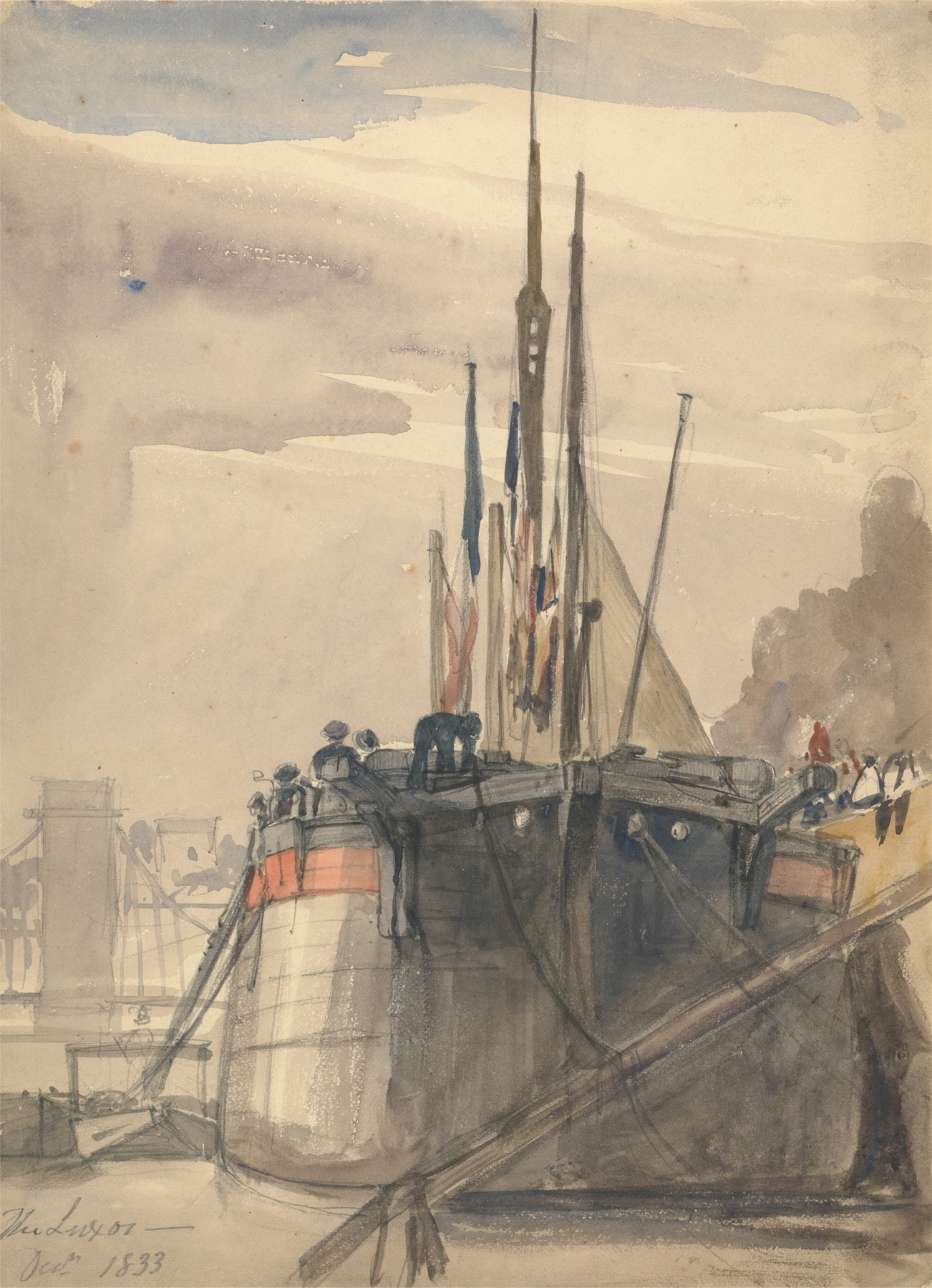
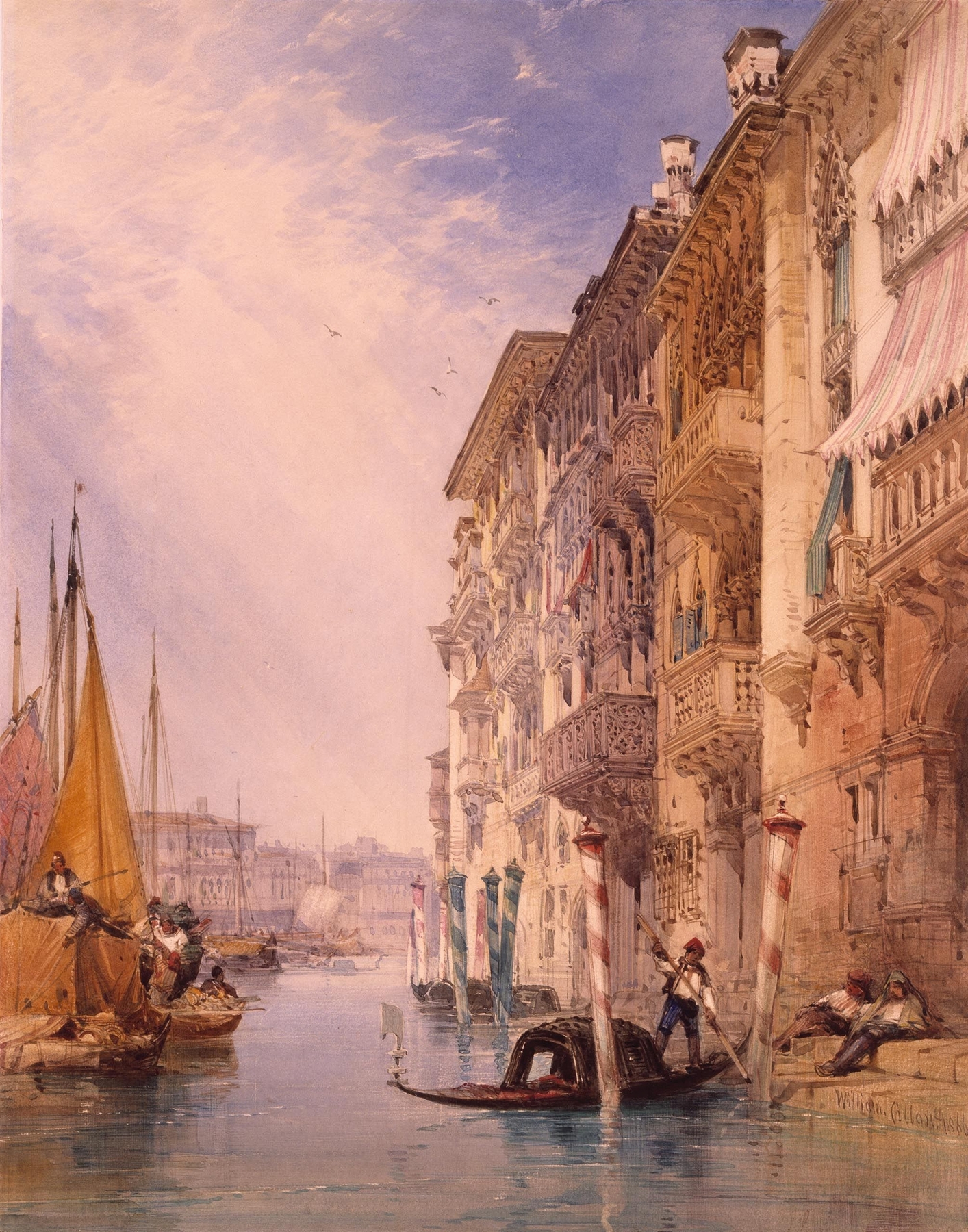
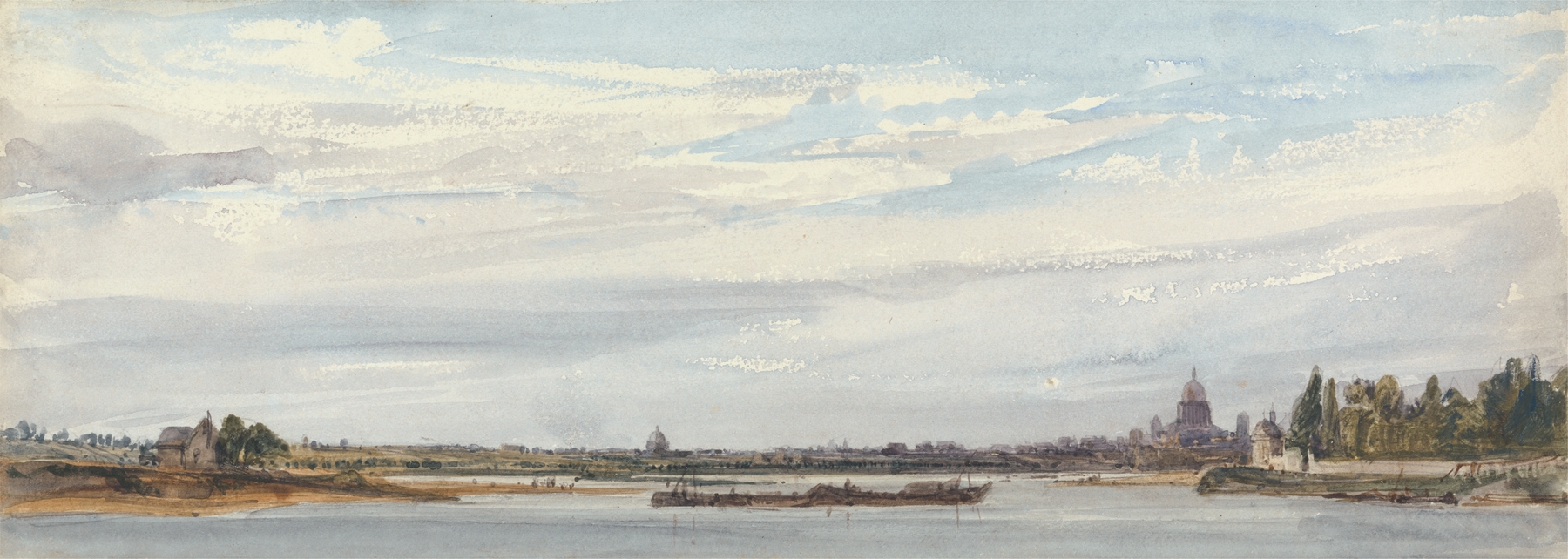
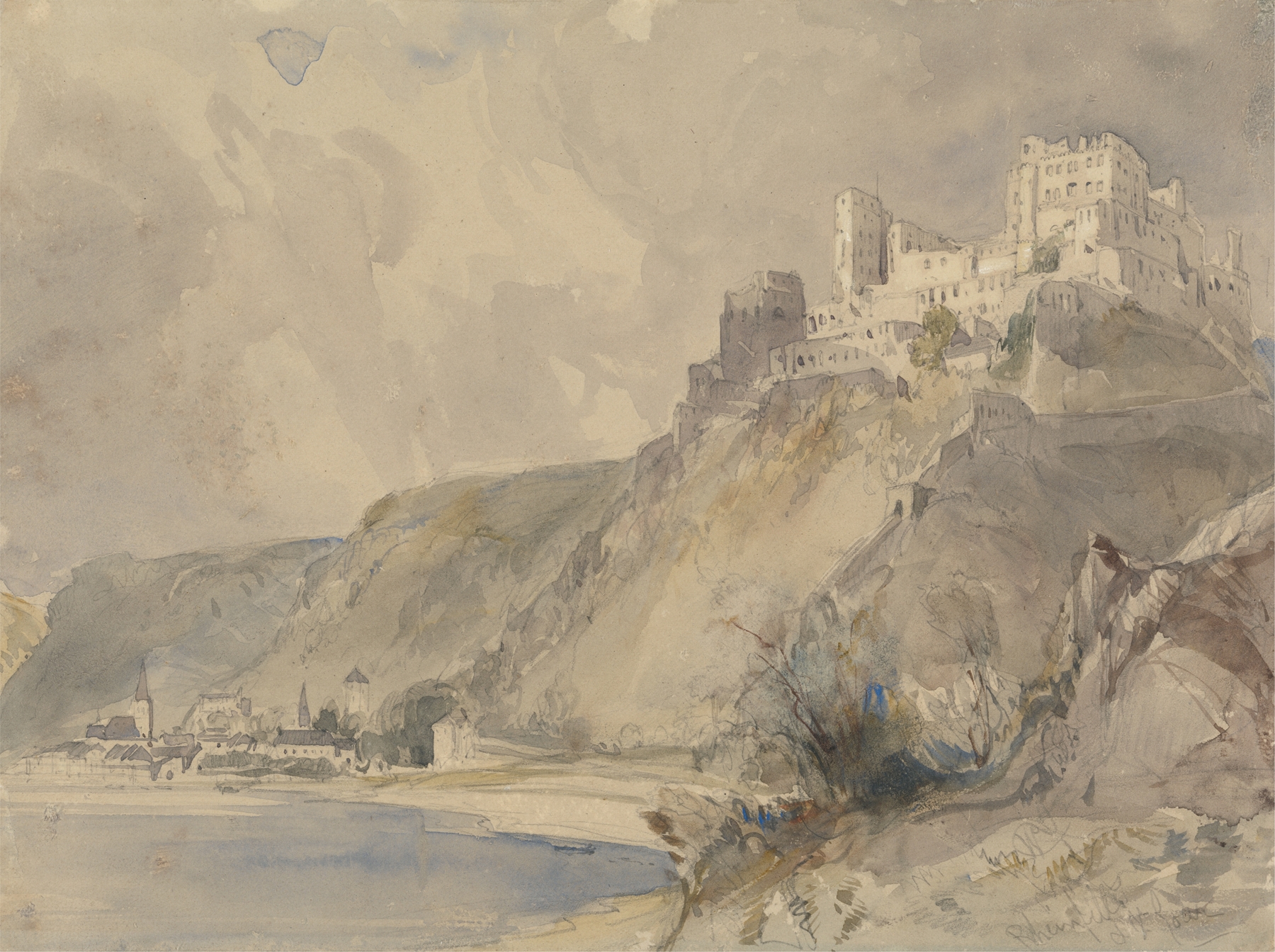
What if beauty was never meant to be finished? Each brushstroke in this work whispers of an unquenchable longing, an invitation to explore the depths of nature's embrace. Focus on the expansive sky, where soft hues of cerulean and lavender blend seamlessly, hinting at the day's dawn or dusk. Notice how the distant trees stand like sentinels, their deep greens grounded by the gentle touch of sunlight filtering through leaves. The tranquil water below reflects this serene tableau, a perfect mirror that blurs the line between reality and reverie.
Callow's technique captures the essence of a moment suspended in time, urging the viewer's gaze to dance across the canvas. Yet, the painting stirs conflict within its beauty. The harmony of the landscape is punctuated by subtle hints of decay—the withering grasses and fading flowers suggest the inevitable passage of time. This dichotomy creates a tension between tranquility and transience, reminding us that even the most serene moments are tinged with the bittersweet knowledge of impermanence.
The desire for preservation, for eternity, resonates deeply within the viewer, drawing them into a contemplative state. In the mid-19th century, Callow painted this work during a period of artistic exploration, seeking to merge the Romantic ideals of nature with the emerging Realism movement. Living in London, he was influenced by the thriving artistic community, yet remained dedicated to capturing the essence of the landscape. The world was shifting, and as Impressionism began to take root, Callow's dedication to detail and atmosphere solidified his place within the dialogue of a transforming art world.