Landscape, La Gaude (Paysage, La Gaude) — History & Analysis
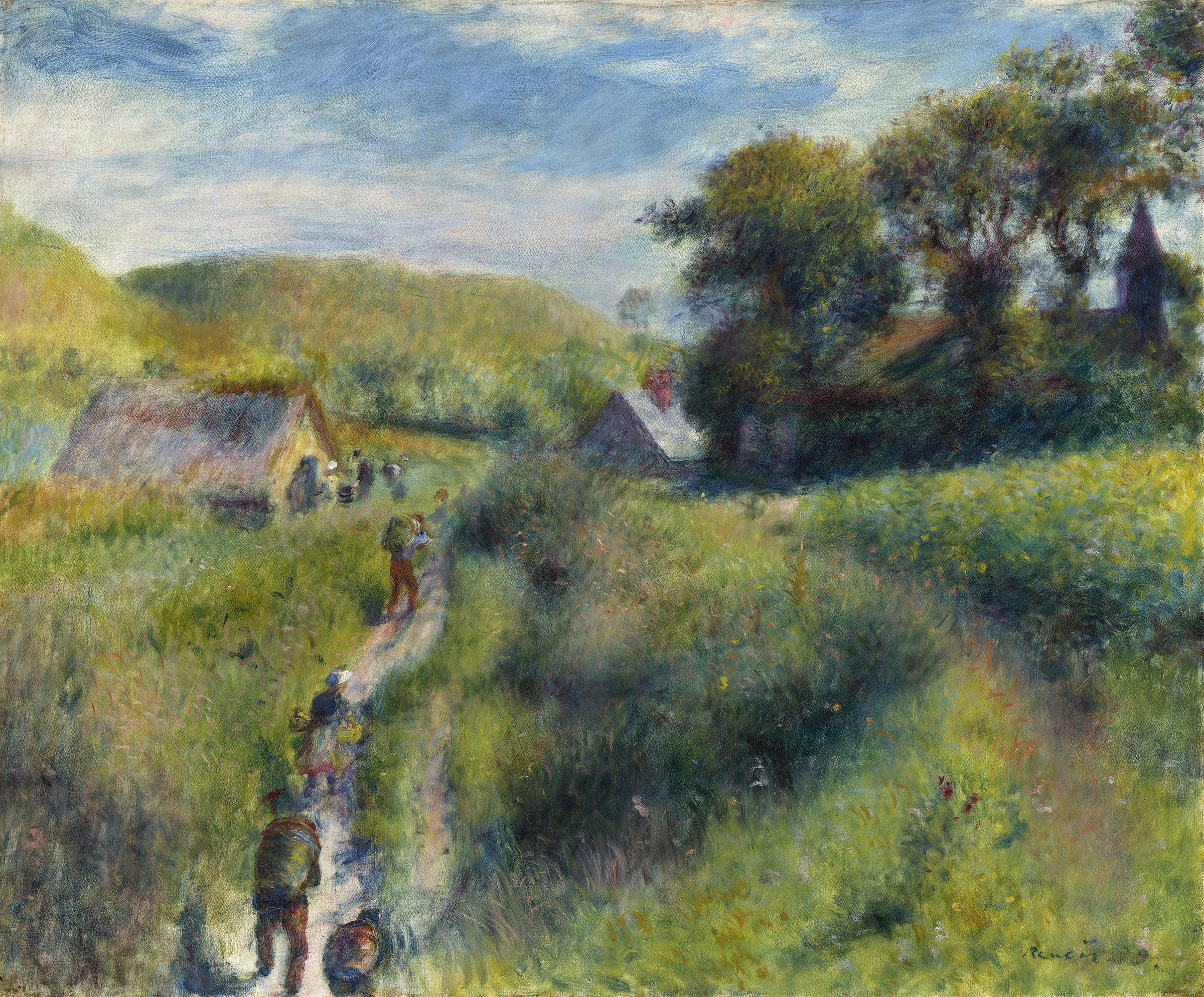
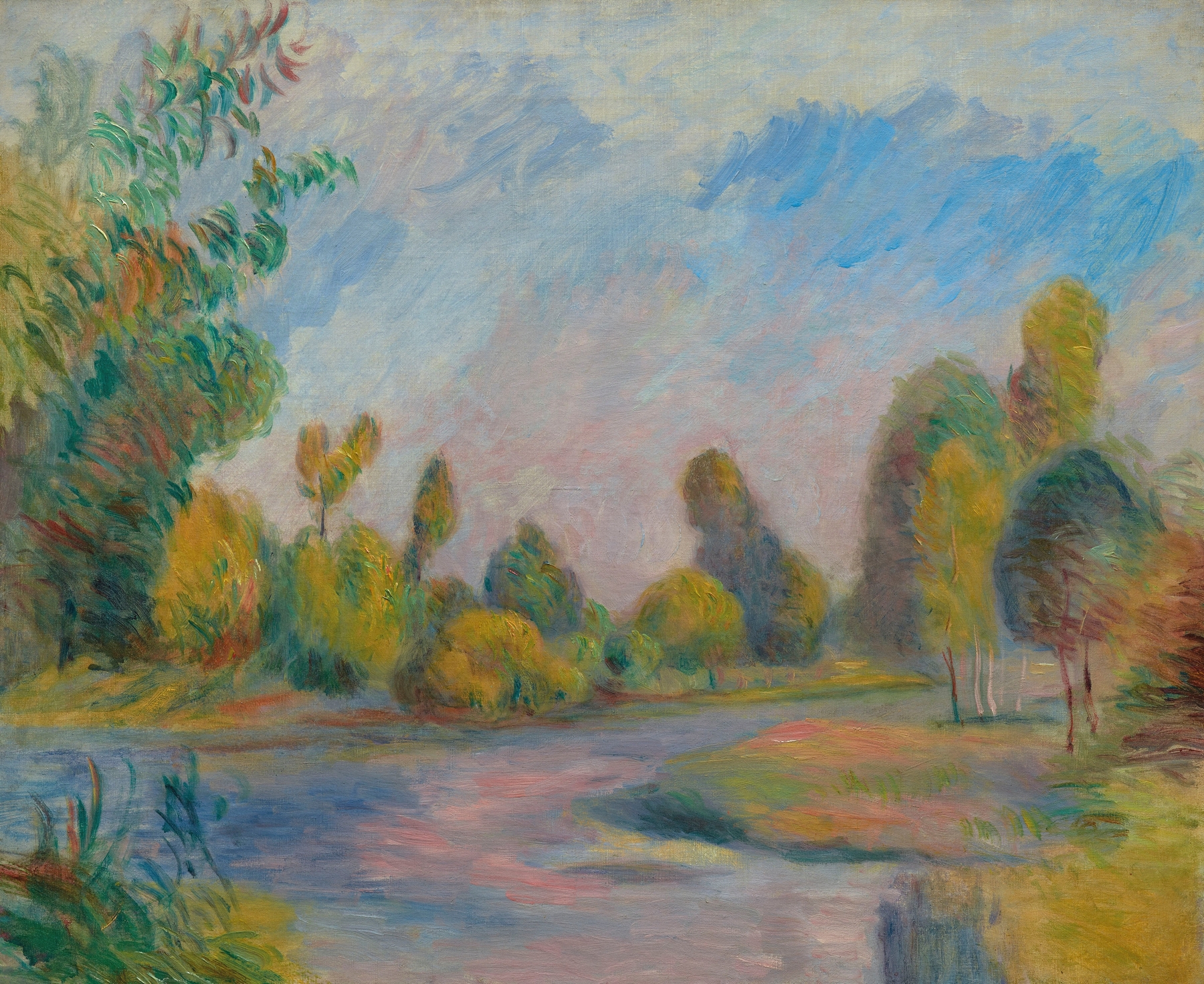
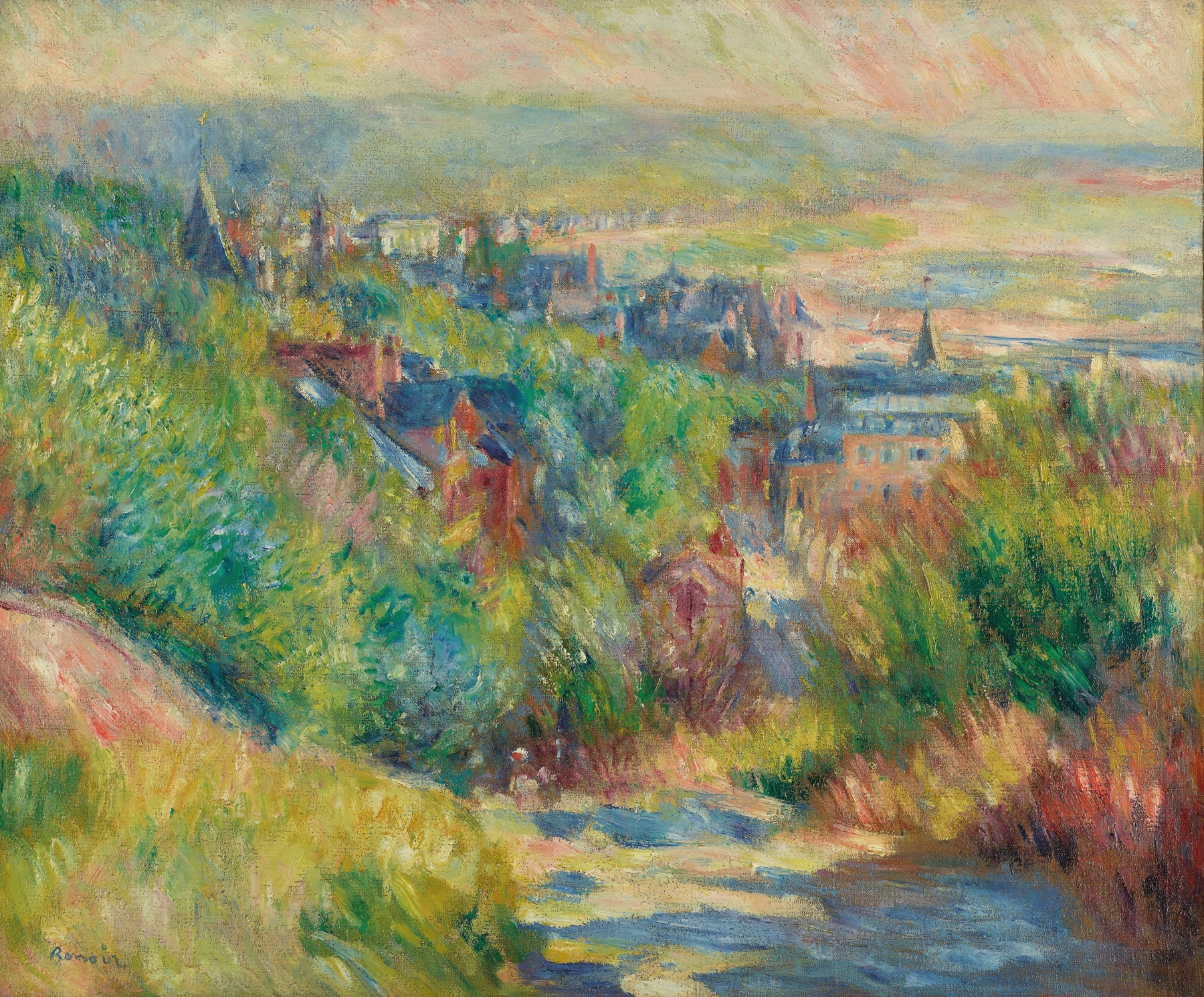
“Sometimes beauty is just pain, disguised in gold.” In Landscape, La Gaude, the essence of reflection transcends the mere act of seeing; it invites an intimate dialogue between light and shadow, revealing the complexity of existence. Focus on the vibrant hues that dance across the canvas, where green foliage meets the warm embrace of sunlight. Your eyes should first be drawn to the luminous strokes that capture the heart of the landscape — the amber tones that melt into cool blues. Notice how the brushwork gives life to the scene, each dab of paint a whisper of movement that evokes the gentle rustle of leaves and the soft caress of a summer breeze.
The composition, balanced yet fluid, draws you deeper into its enchanting realm. Yet beneath this picturesque exterior lies an intricate interplay of emotion. The soft contrast between light and shadow suggests a fleeting moment of tranquility, hinting at the transience of beauty in nature. The scattered clouds loom overhead, perhaps reflecting not only the physical sky but also the inner turmoil of the artist.
This juxtaposition reveals a profound understanding of the duality of existence — that joy and sorrow can coexist, echoing the complexities of Renoir’s own life. In the early 1910s, Renoir, now in the twilight of his career, painted this work while grappling with declining health. Settled in the South of France, he found solace in the natural beauty surrounding him, using his brush to express a serenity that belied his personal struggles. At this time, the art world was shifting, yet his commitment to impressionism remained resolute, capturing ephemeral moments with the same passion he had embraced decades earlier.