Landscape near Arnhem — History & Analysis
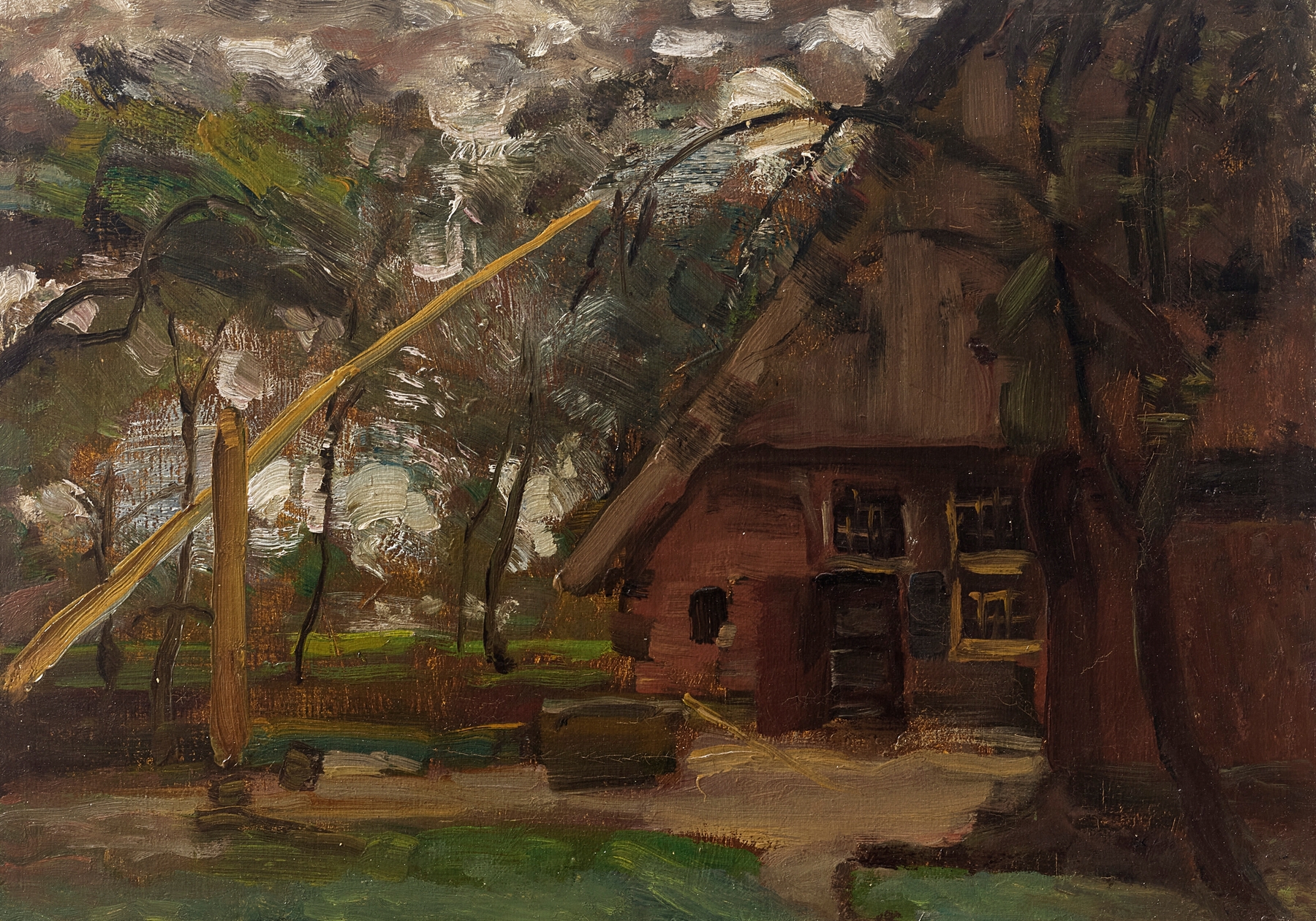
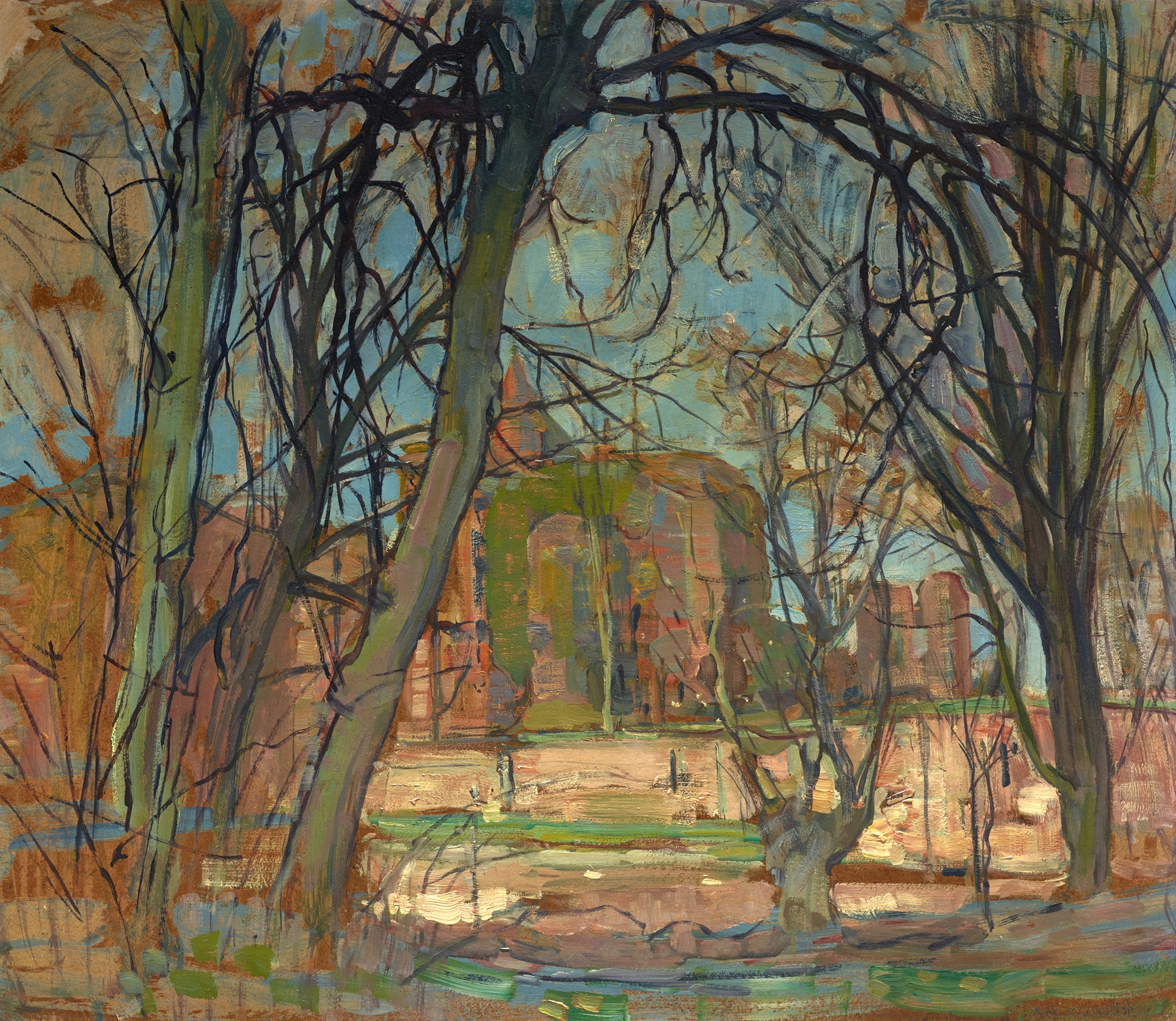
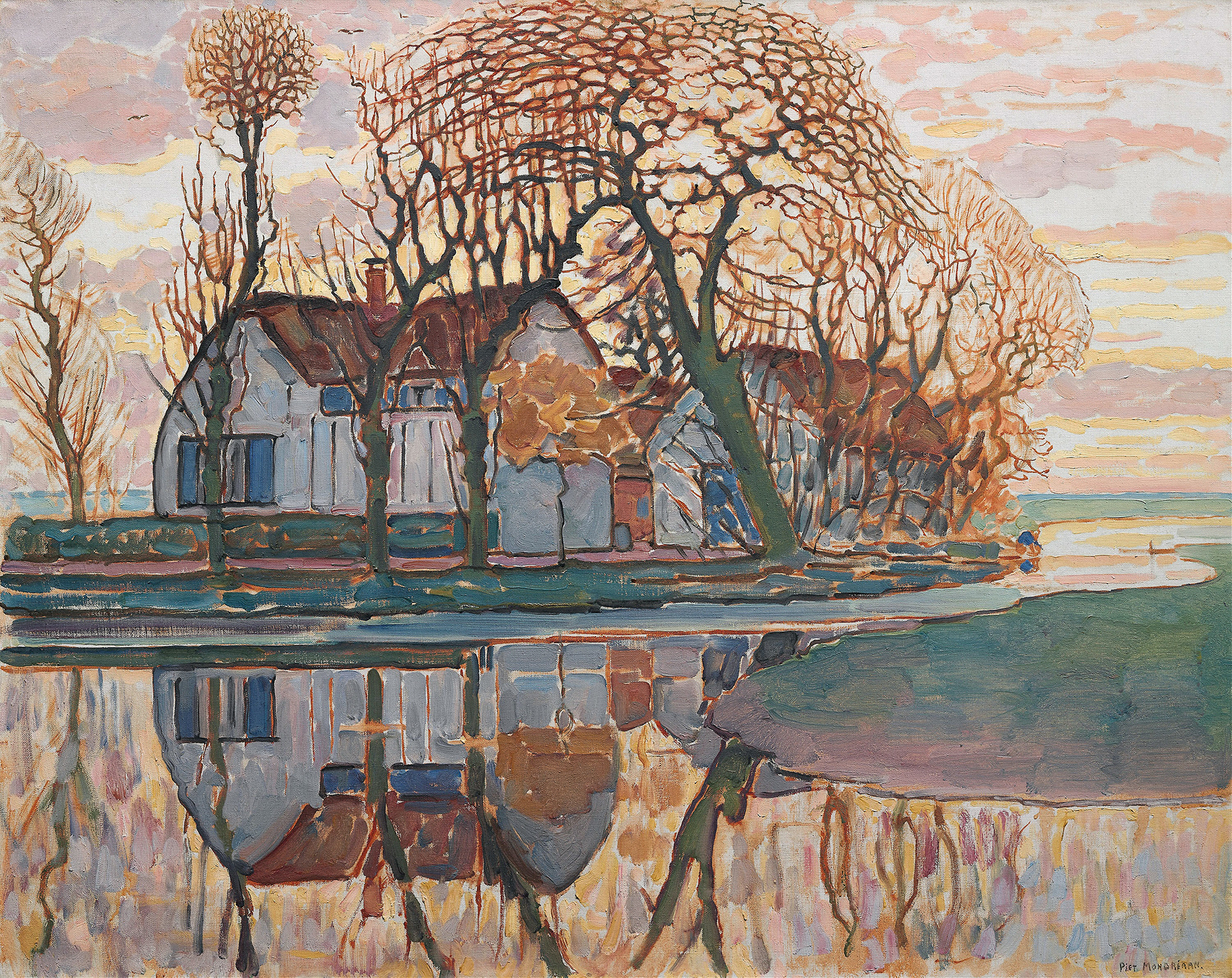
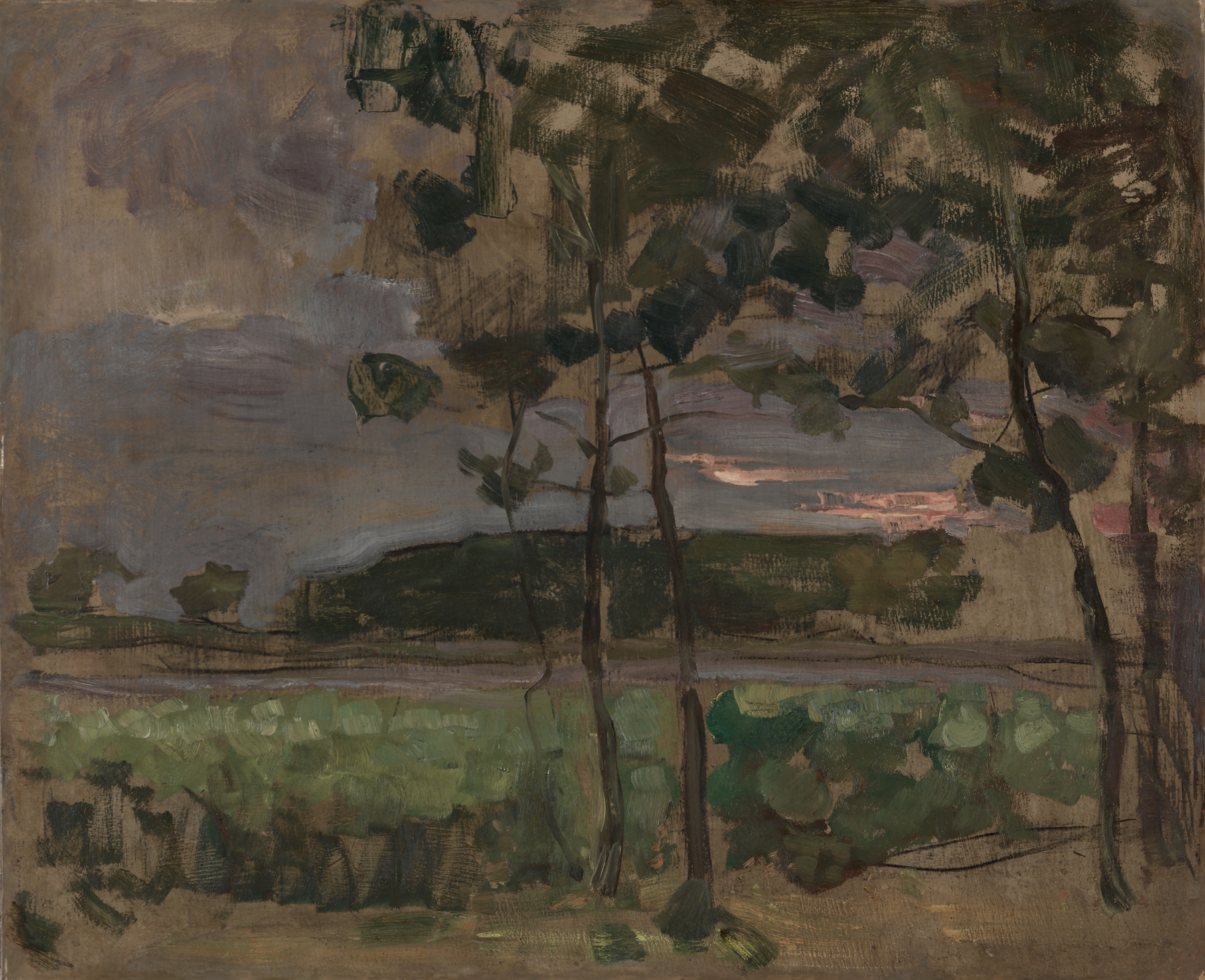
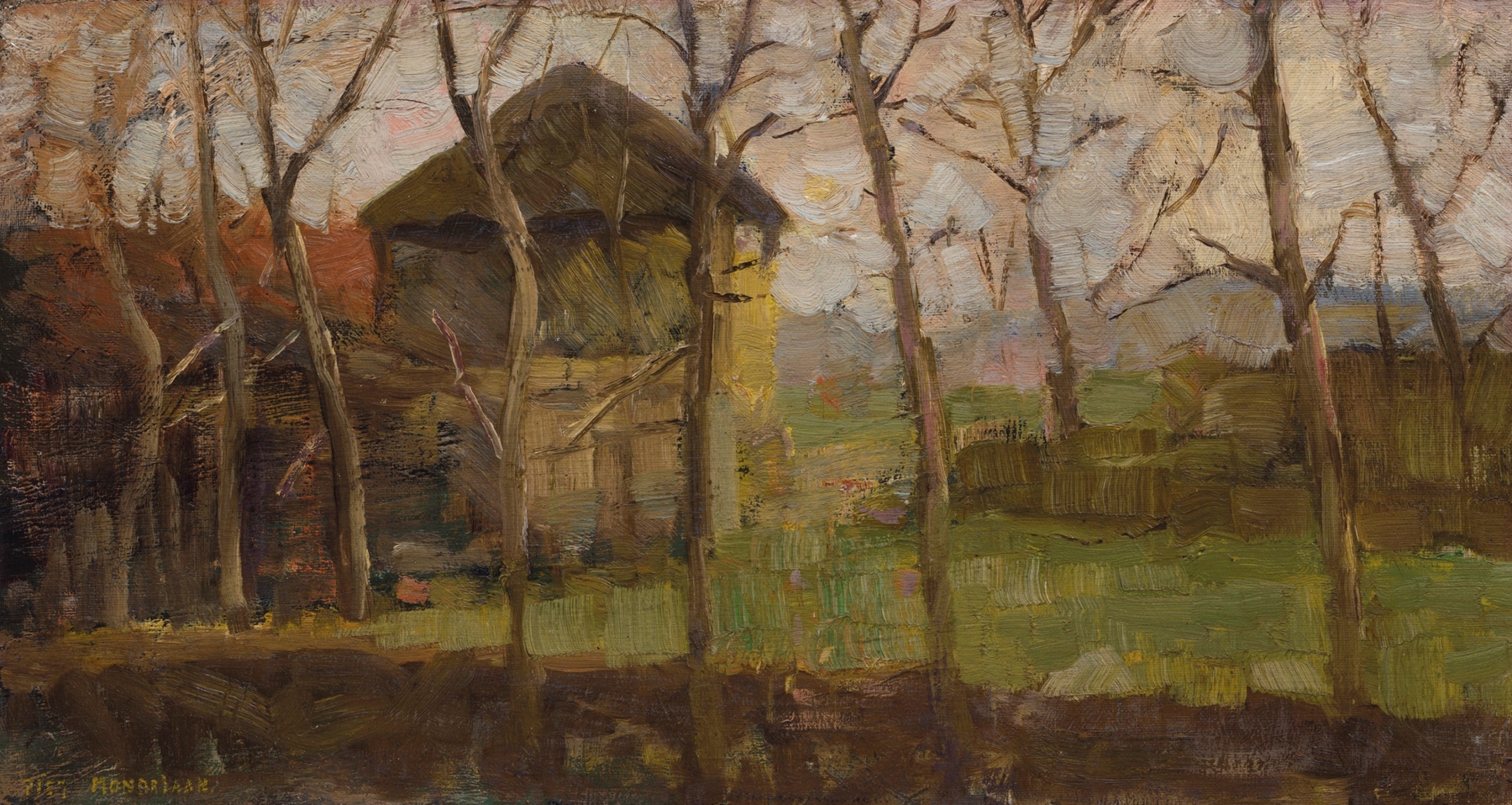
“Between color and silence, truth hides.” In the stillness of a landscape, a quiet unease lingers beneath the vibrant hues. It whispers of fears unspoken, waiting to be unveiled in the strokes of the artist’s brush. Look to the edges of the canvas, where gentle greens and muted browns converge, drawing your gaze toward the horizon. The layered brushwork suggests movement, perhaps a breeze rustling through the trees, while the soft yet bold colors create a harmonious tension.
Notice how the interplay of light and shadow casts an almost palpable anxiety over the scene, revealing not just the beauty of nature, but the vulnerability that resides within it. The interplay of vibrant and subdued colors reflects a deeper emotional landscape. The surrounding tranquility is punctuated by the darker tones of the foreground, hinting at an underlying fear of the unknown, a fear that resides within each stroke. The distant trees stand tall yet lonely, suggesting isolation, while the expansive sky above evokes both freedom and the anxiety of vastness.
Each element holds significance in the delicate balance between serenity and trepidation. During the late 19th century, a time ripe with artistic experimentation and change, the Dutch painter created this piece in the Netherlands, navigating his early artistic journey. The world of art was shifting towards abstraction, influenced by burgeoning movements that questioned traditional representations. This landscape marks a pivotal point in his evolution, bridging the gap between impressionistic representation and his later embrace of geometric abstraction.