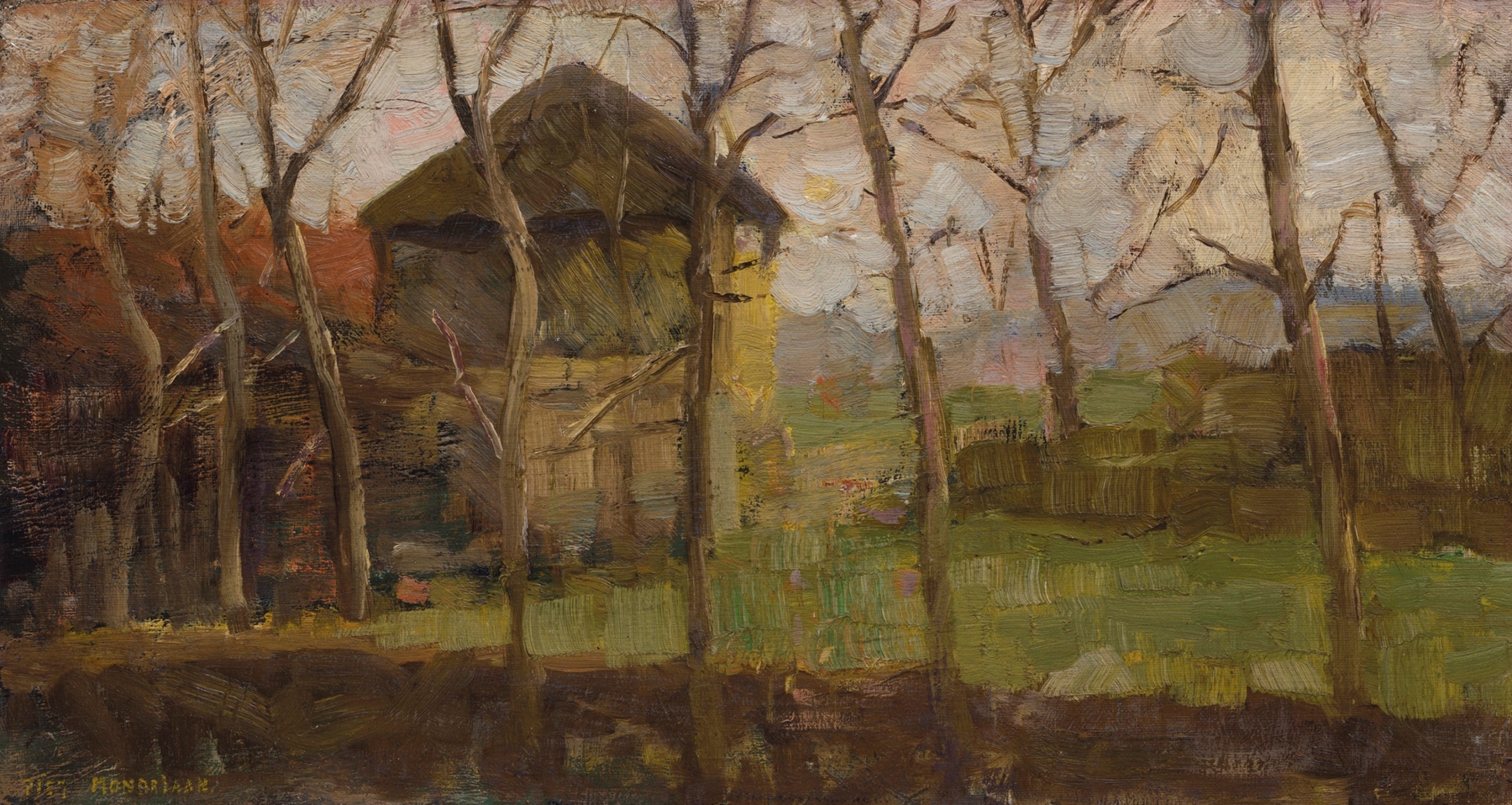
Landscape With Group Of Five Cows — History & Analysis
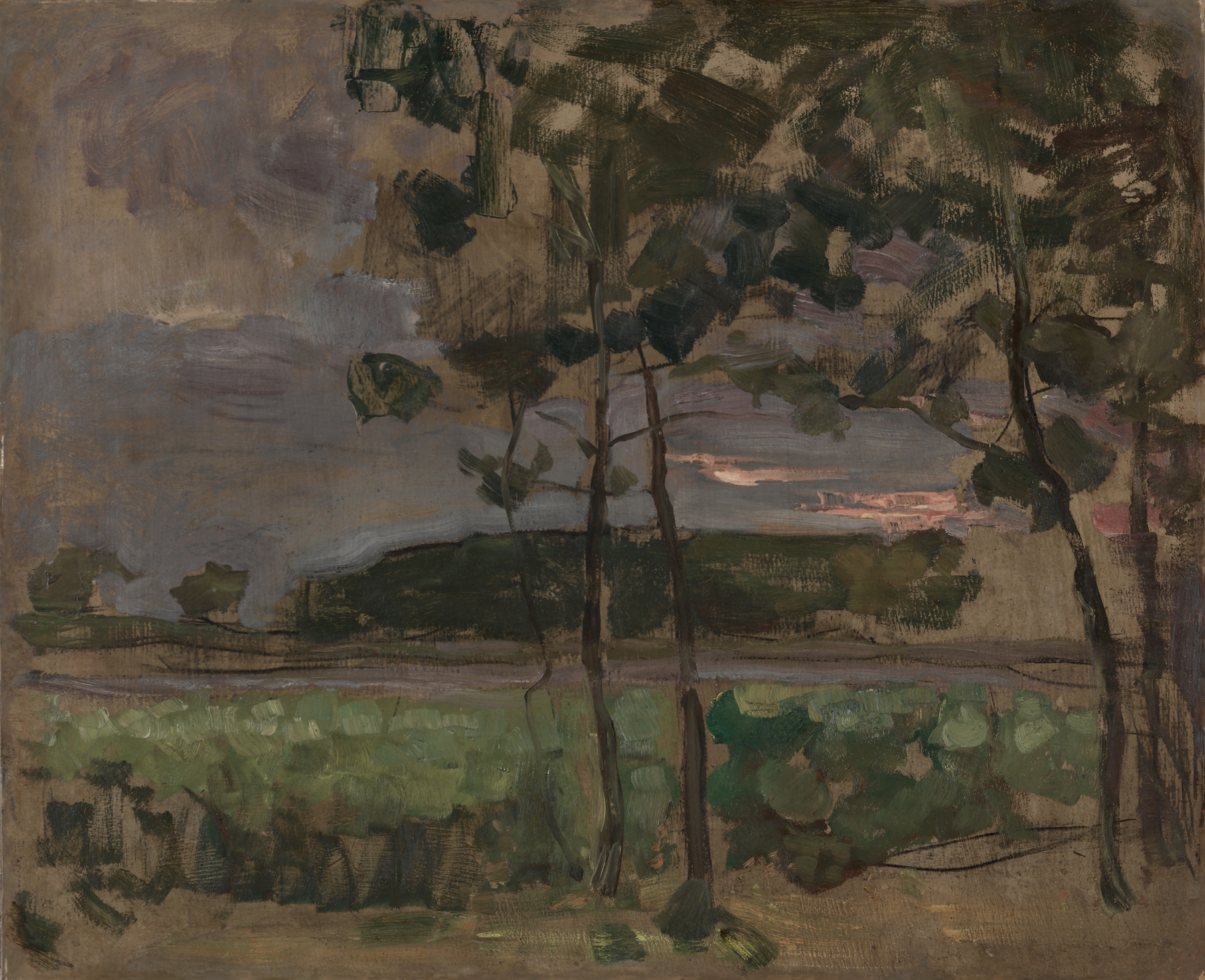
“Sometimes beauty is just pain, disguised in gold.” In the quietude of rural life, desire manifests through the stillness of nature, evoking a complex interplay of longing and tranquility. Look to the lower left, where five cows rest, their forms grounding the composition. Each animal, rendered with a gentle touch, invites the eye to linger upon their subtle details. Notice how the soft blues and greens of the grass and sky cradle the animals, while patches of warm hues peek through the landscape, suggesting the warmth of the sun's embrace.
The brushstrokes blend seamlessly, creating a serene atmosphere that feels both timeless and inviting. Yet, beneath this pastoral beauty lies an undercurrent of emotional tension. The cows appear at peace, yet they are tethered by the unchanging rhythms of their existence, symbolizing an unfulfilled desire for freedom that resonates with the viewer. The contrasting colors evoke a sense of longing for connection, reflecting the delicate balance between nature and the emotions it stirs within us.
Each glance reveals new nuances, as if the landscape is a canvas of dreams waiting to be realized. Created between 1901 and 1902, this piece emerged during a pivotal period for the artist, who was exploring the intersections of abstraction and representation. Living in Amsterdam at the time, Mondrian was influenced by the burgeoning movement of post-impressionism, laying the groundwork for his later, more abstract works. This painting captures a moment of transition, where the beauty of rural life meets the artist's intrinsic desire to convey deeper truths through form and color.