Landscape with trees — History & Analysis
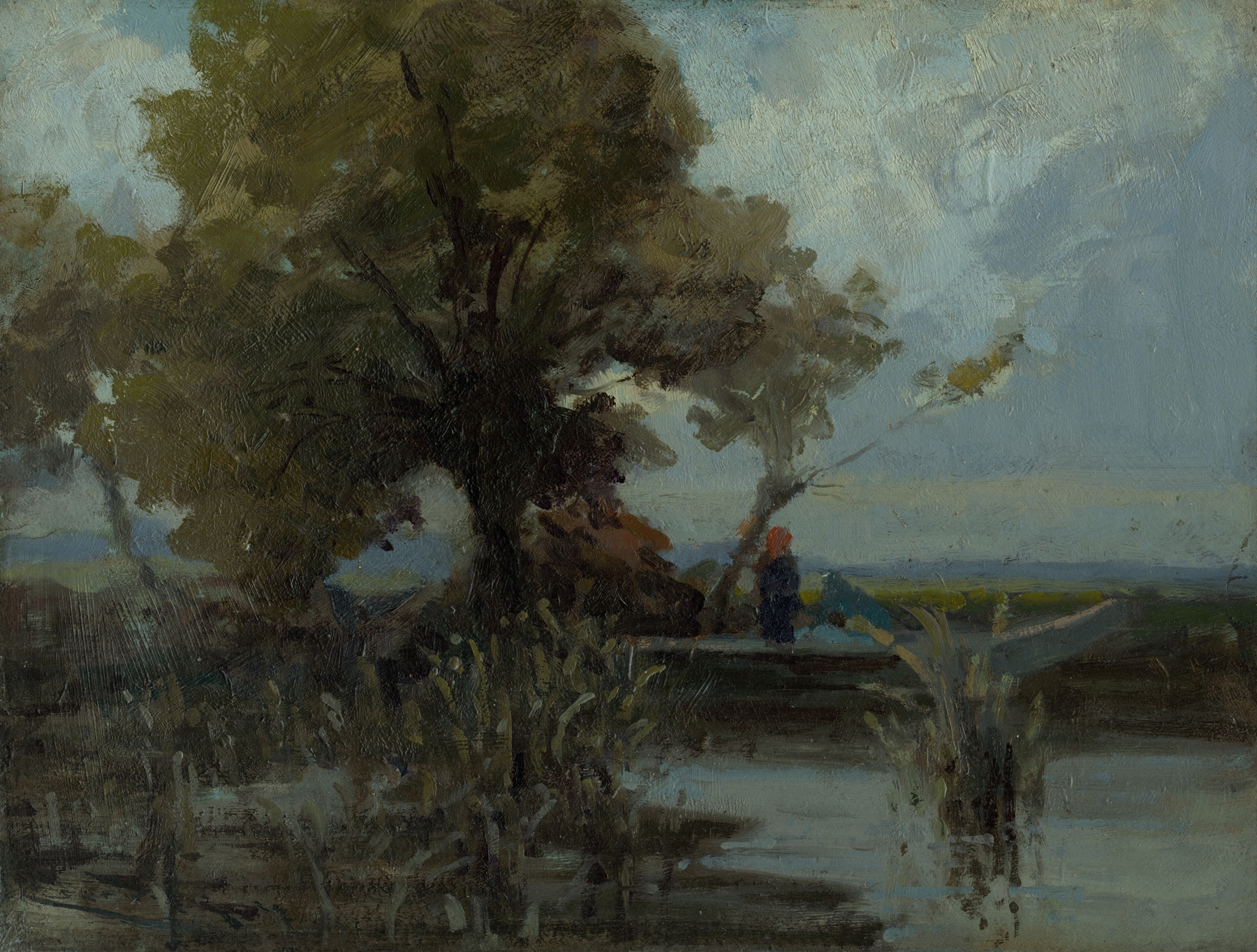
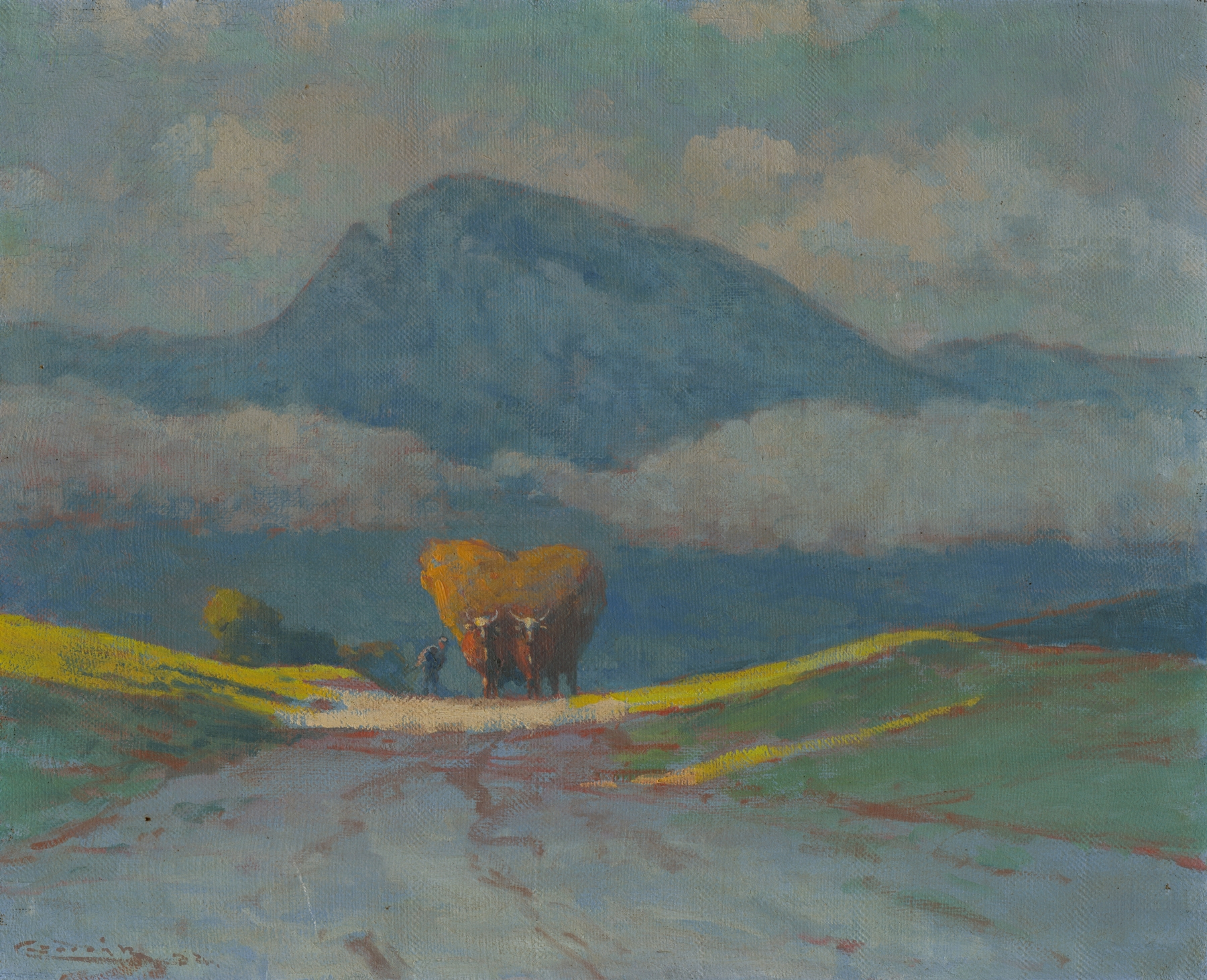
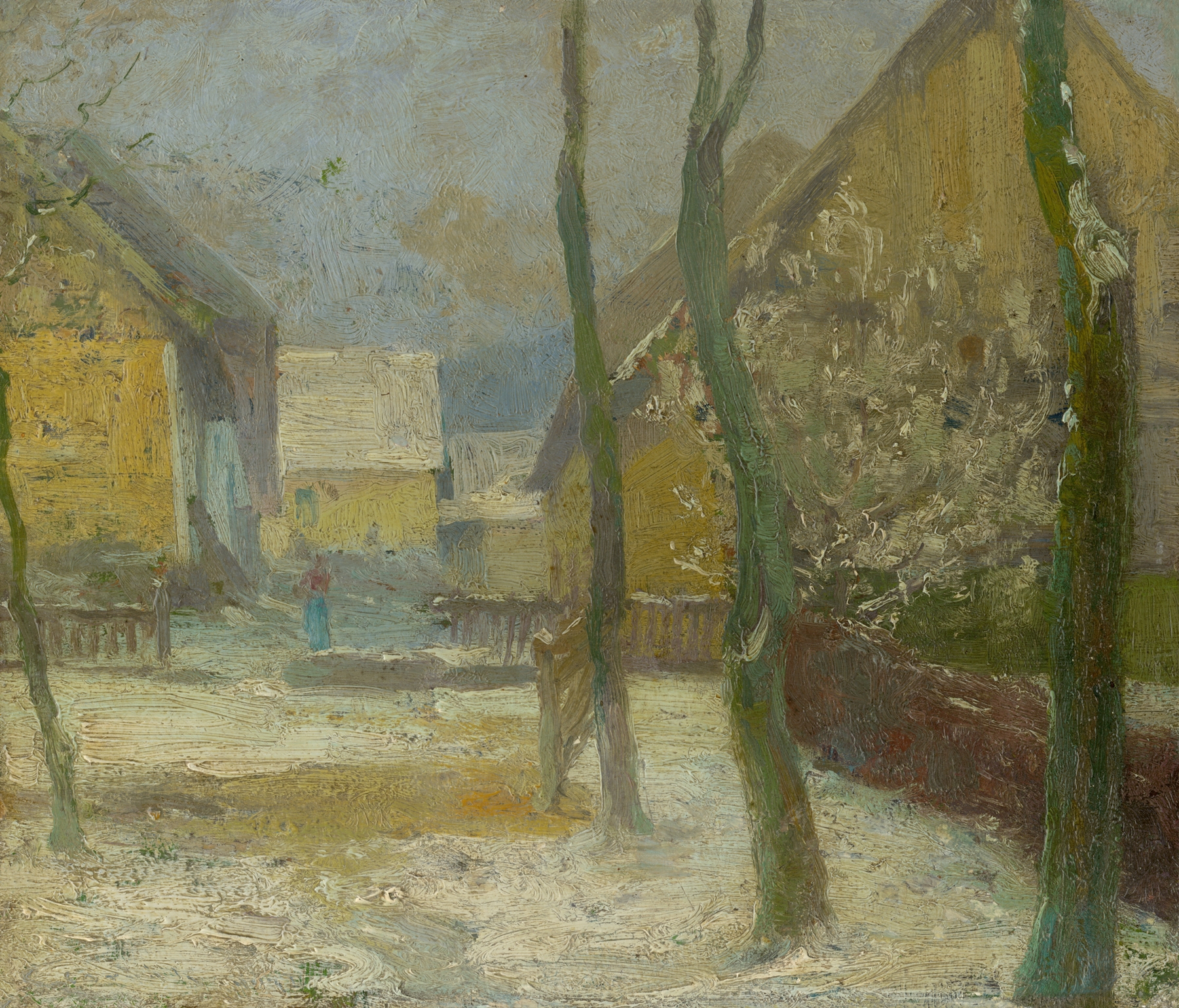
Can beauty exist without sorrow? In Landscape with Trees, that poignant question reverberates through the delicate brushstrokes and the serene yet melancholy scenery. Focus your gaze on the horizon, where soft, muted greens and blues blend into one another, crafting a tranquil atmosphere that beckons the viewer. Notice how the trees stand sentinel-like, their branches swaying gently but resolutely, casting intricate shadows across the earth.
The light, filtered through the foliage, dances delicately across the canvas, highlighting a symphony of textures and creating a sense of depth that draws you into the landscape. At first glance, the pastoral beauty seems idyllic, yet a subtle tension underpins the scene. The trees, though vibrant, hint at a timelessness that speaks of change and decay; some are robust, while others are sparse and worn, whispering stories of seasons past. Each stroke feels imbued with the artist’s reflection on legacy—the enduring beauty of nature intertwined with the inevitability of loss, inviting contemplation on what remains after we are gone.
In 1898, while living in Slovakia, the artist captured this moment amidst a burgeoning wave of national identity in art. This era was pivotal for Čordák, as he sought to establish a unique voice within the landscape genre, drawing from local themes and natural beauty. The world around him was shifting profoundly, and through his work, he contributed to a dialogue on what it meant to belong, preserving a timeless connection to the land.