Landzicht Farm under Light Blue Sky — History & Analysis
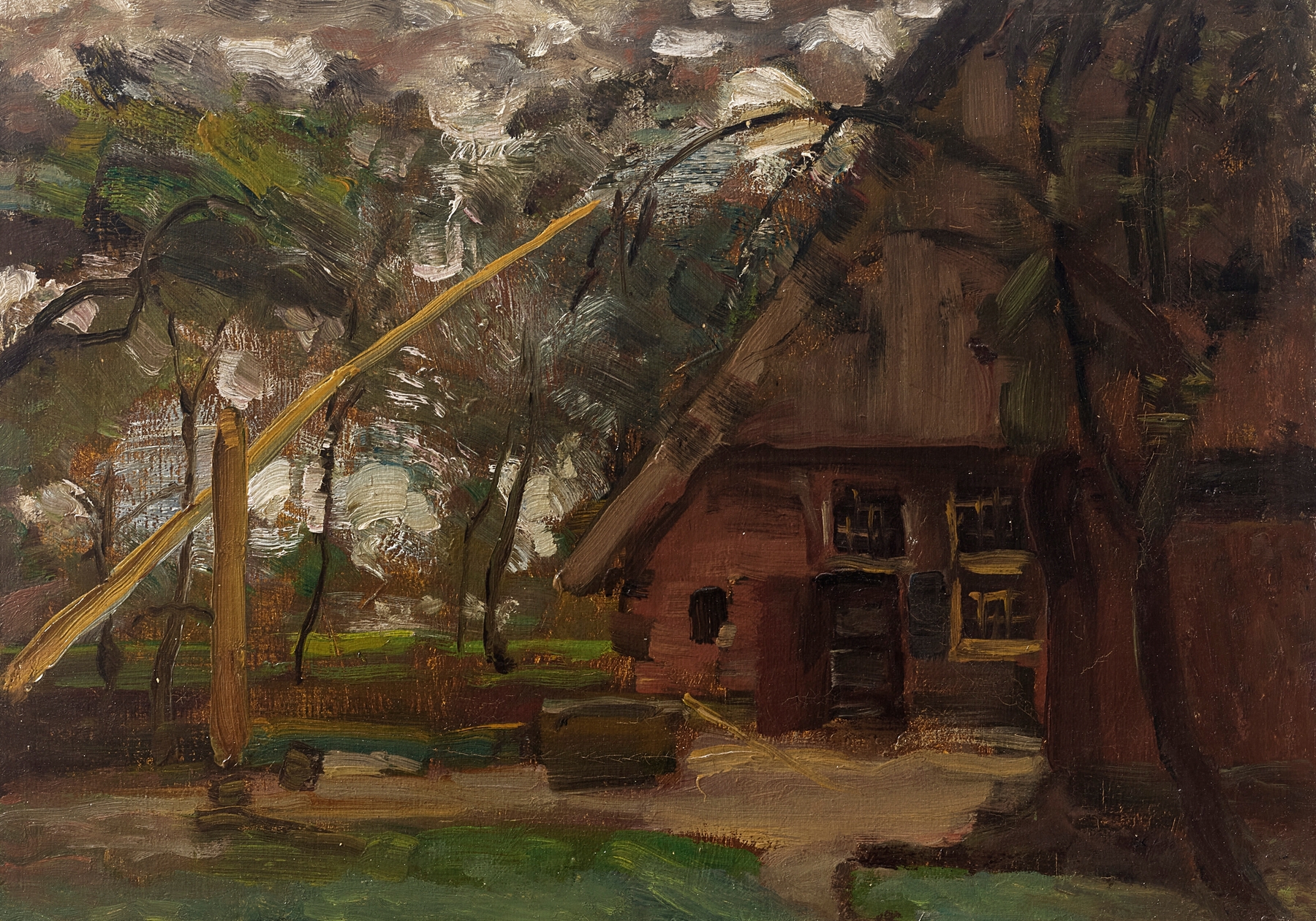
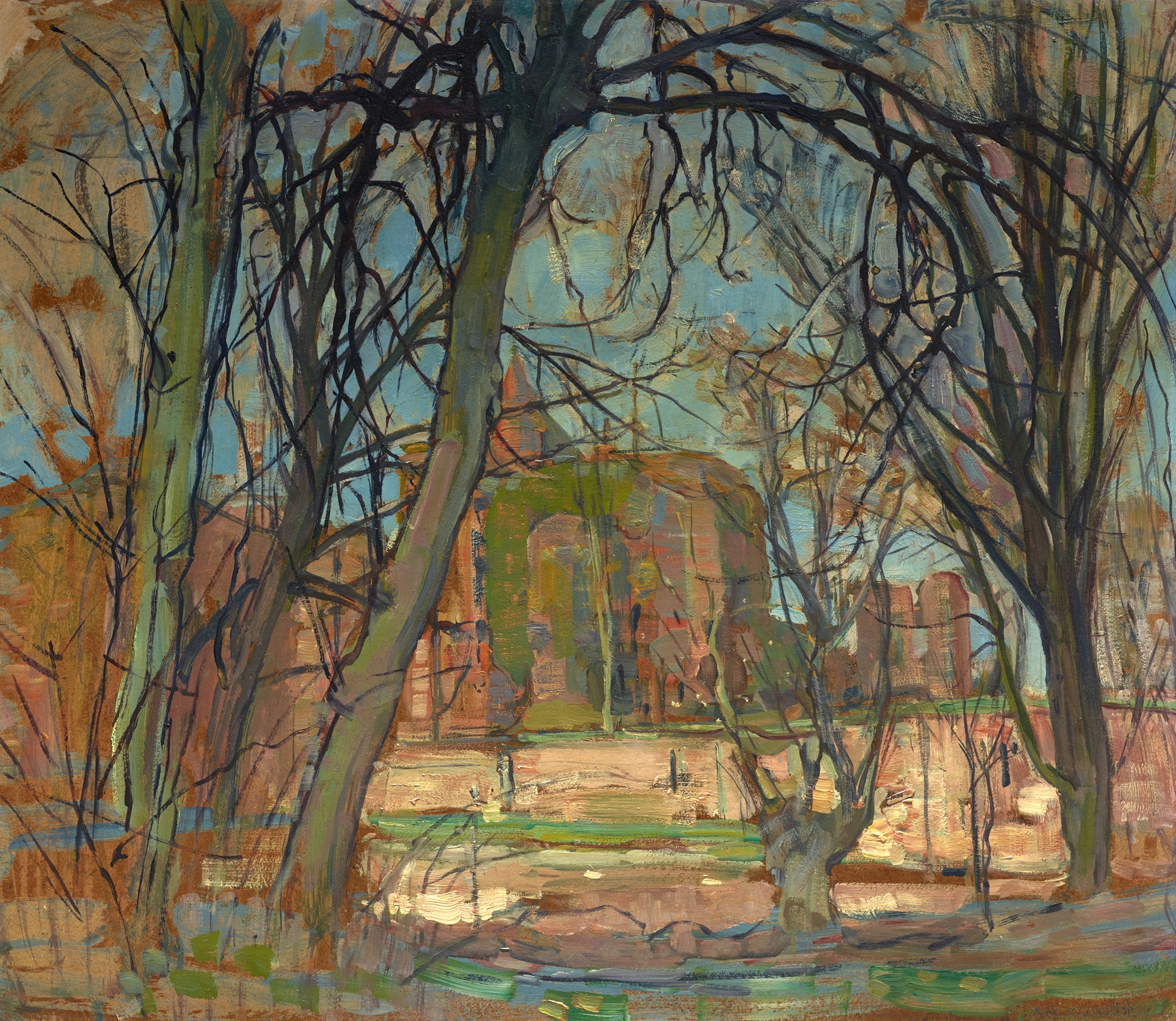
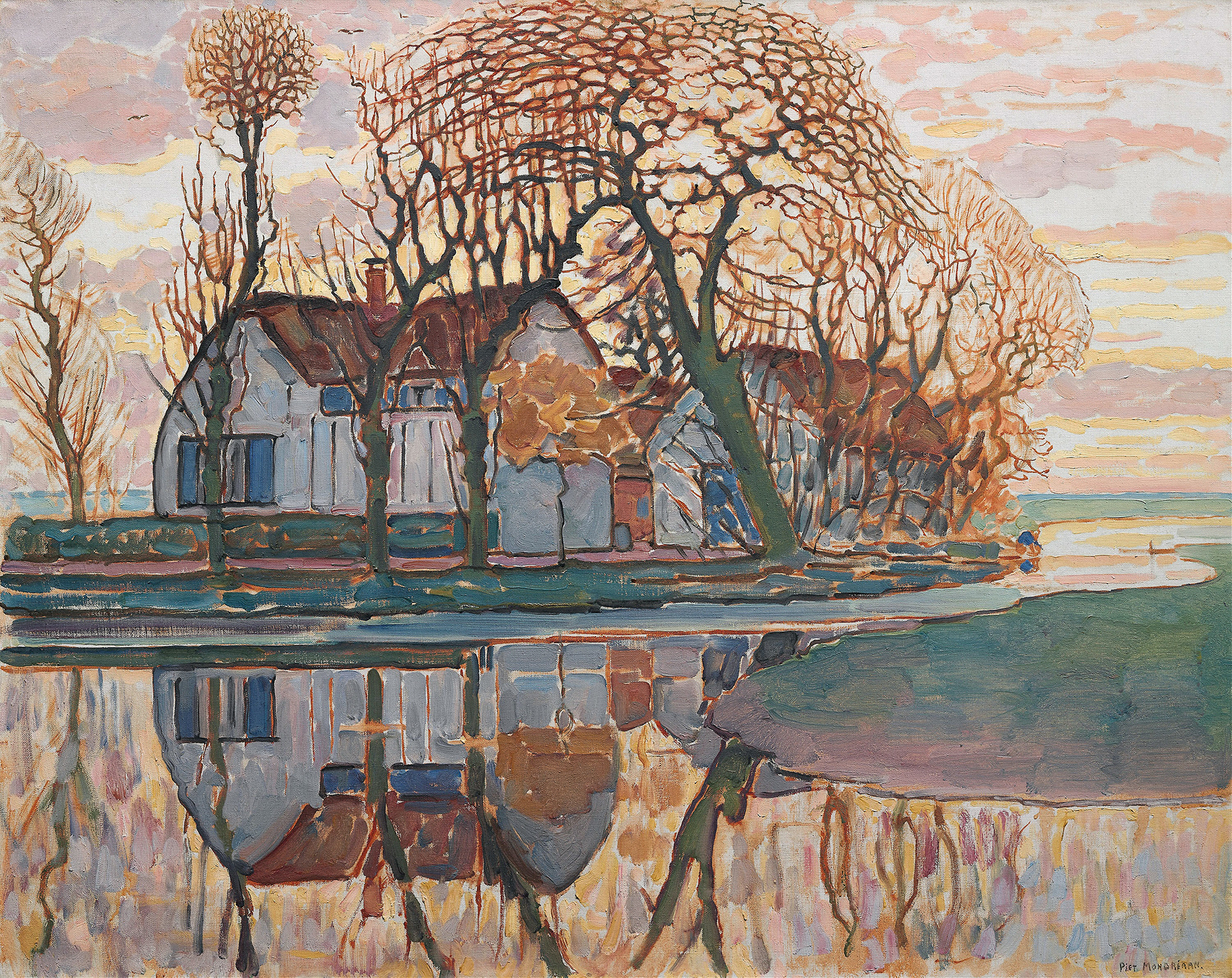
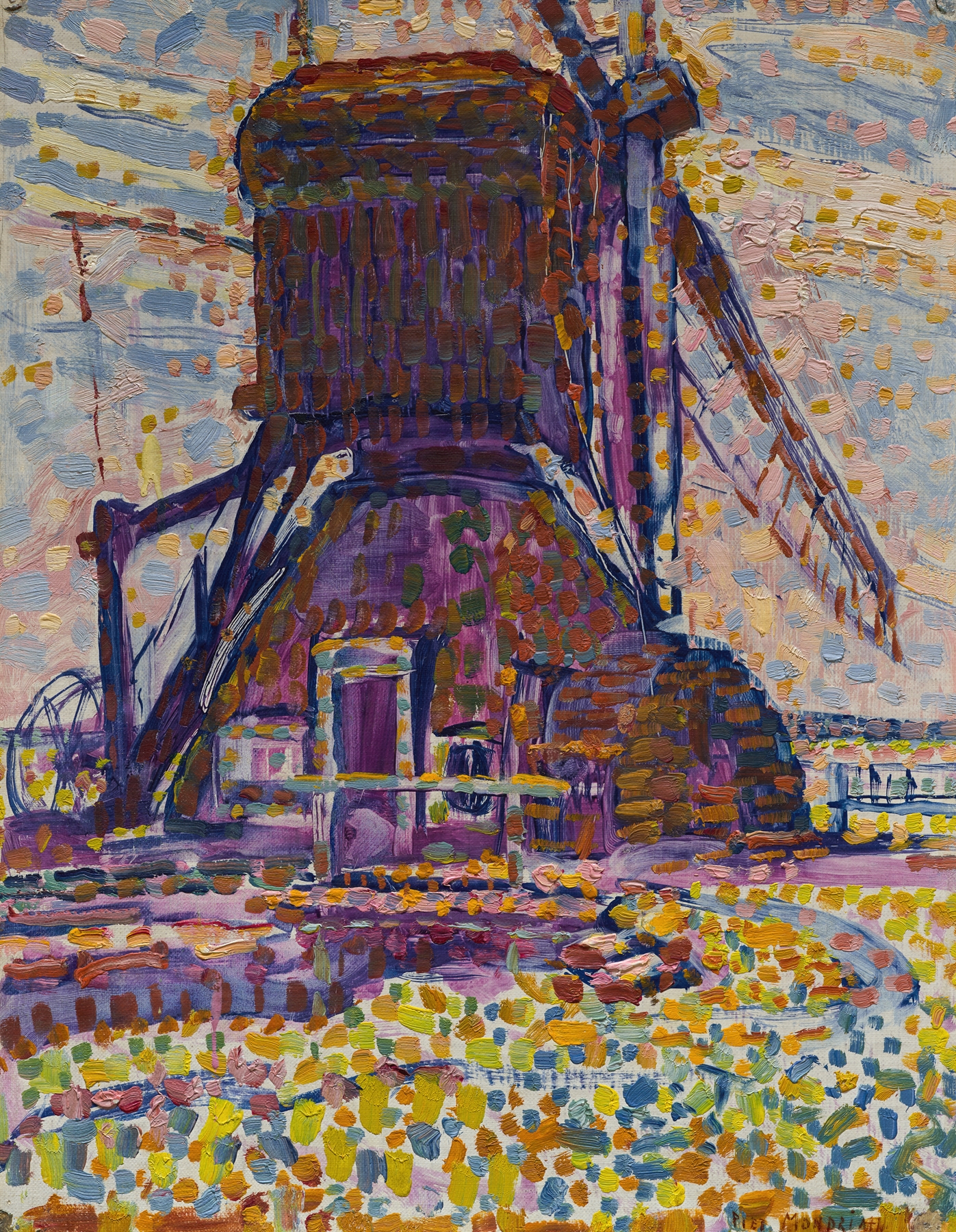
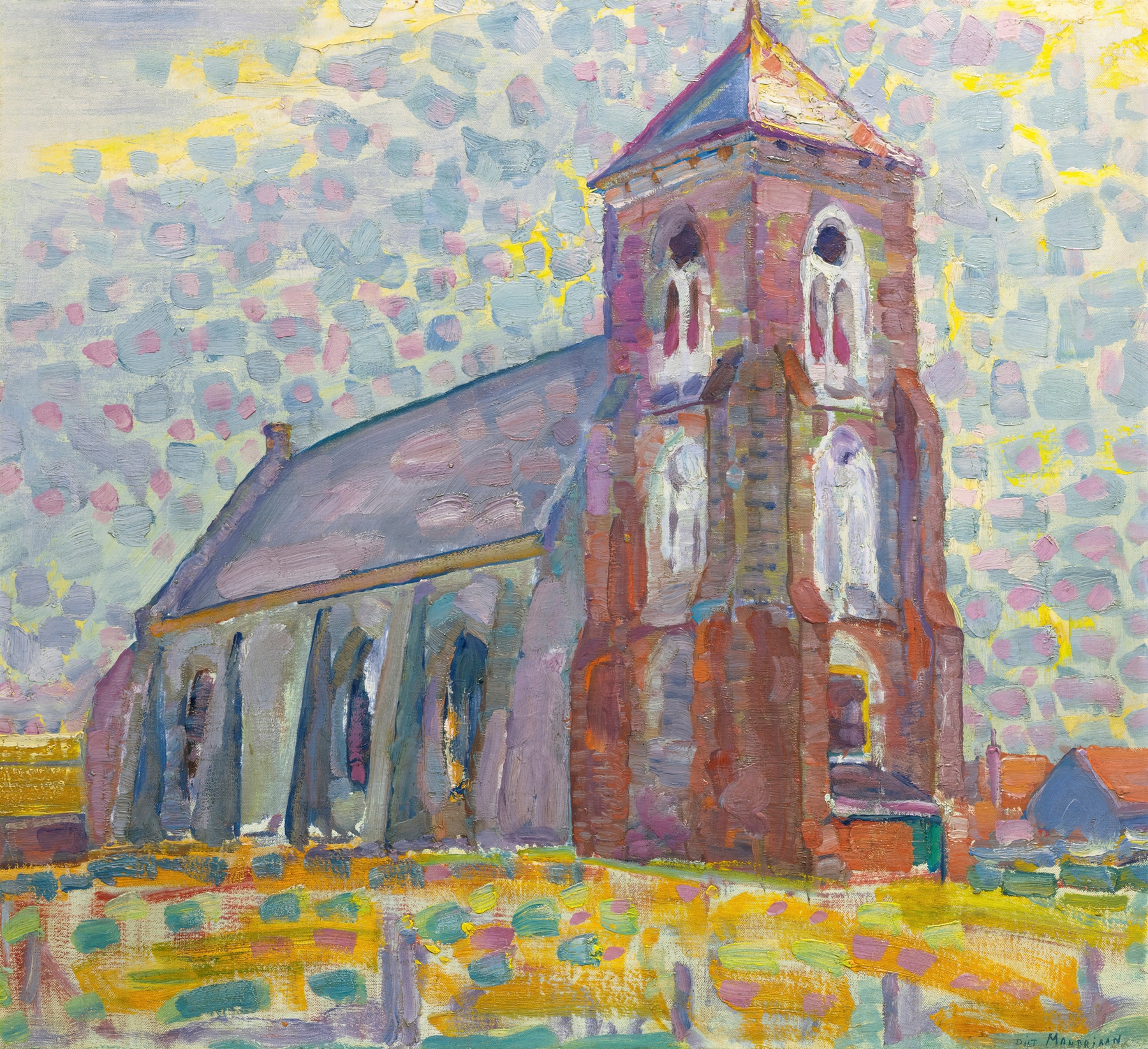
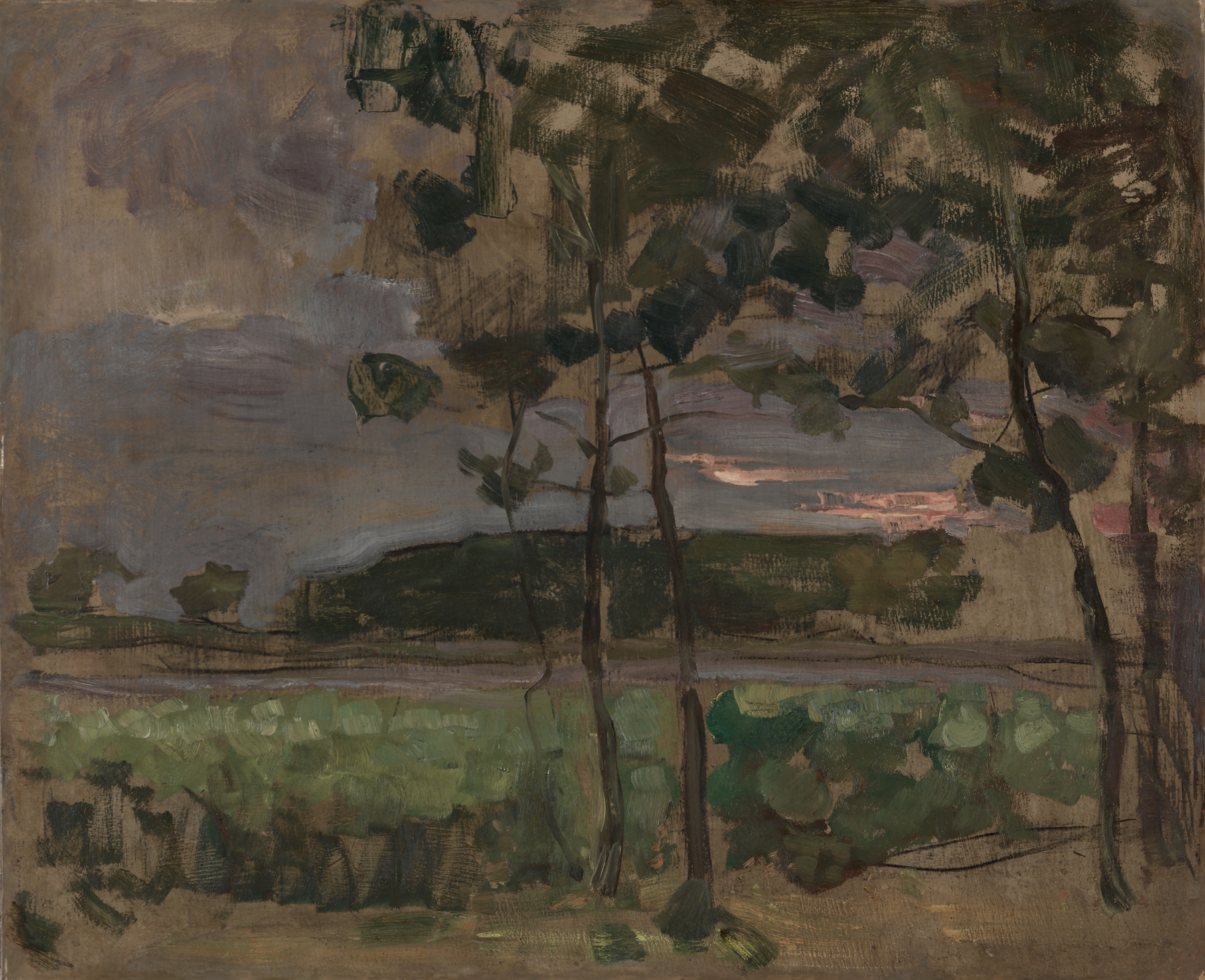
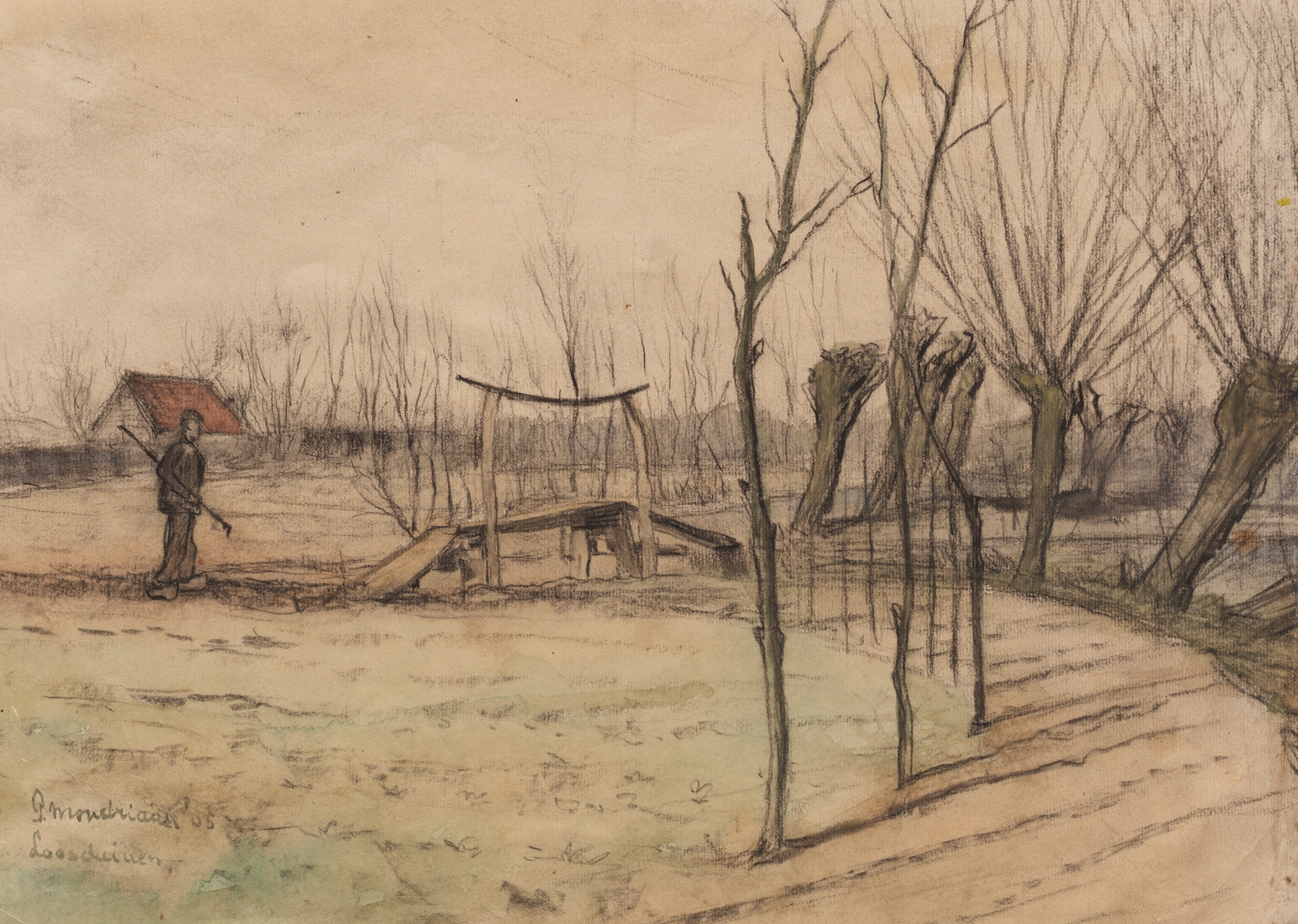
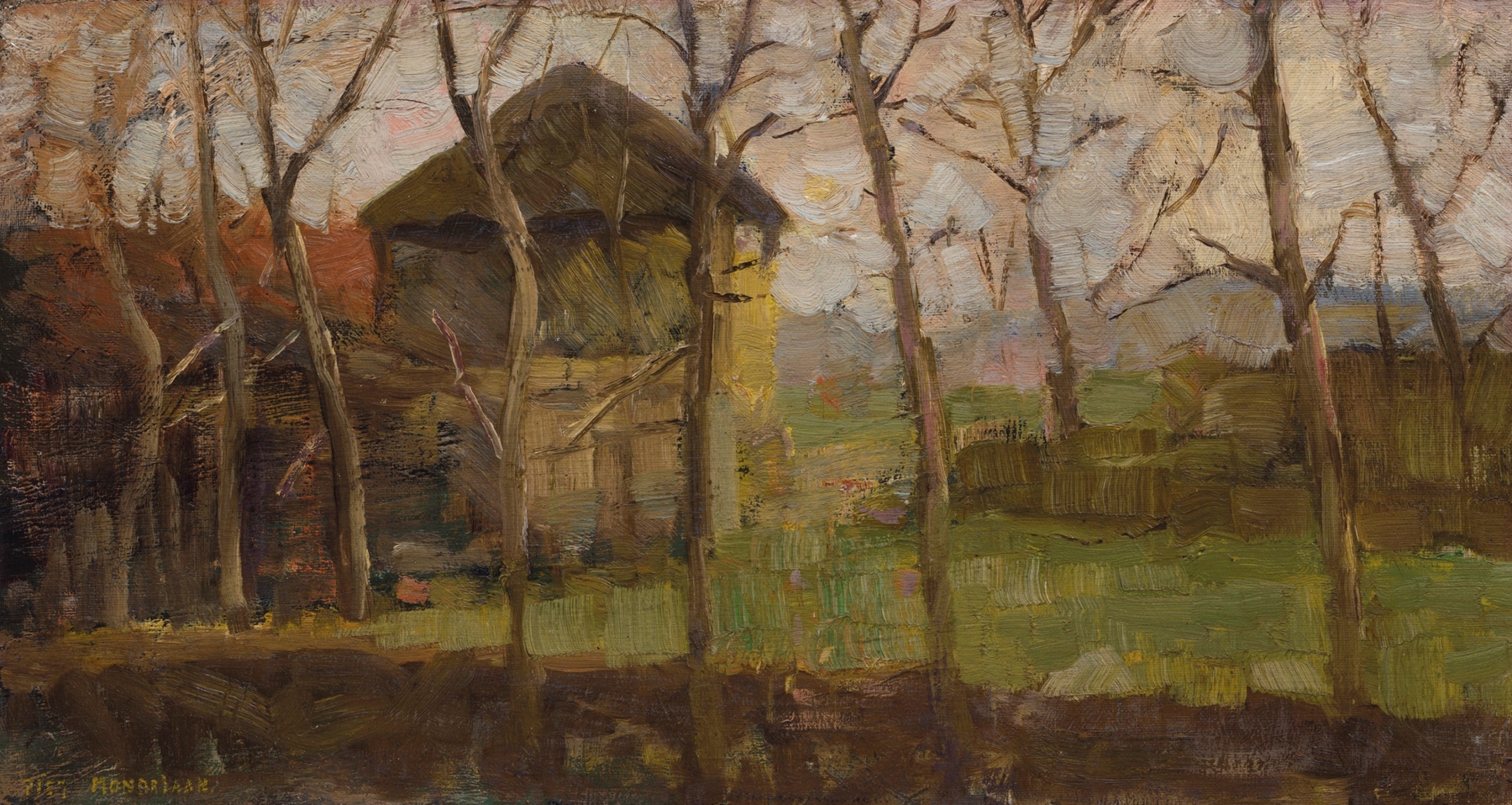
“Sometimes beauty is just pain, disguised in gold.” In the delicate interplay of shapes and colors, creation emerges as both a struggle and a triumph. Gaze at the center of the canvas where a serene landscape unfolds, dominated by earthy tones of green and brown. Against a backdrop of soft blue, the composition draws you in with a sense of balance and harmony. Notice how the lighter shades dance across the fields, connecting the viewer to the artist's intention.
The meticulous brushwork showcases a fusion of natural and geometric forms, a precursor to the abstraction that would later define his career. Beneath the calm surface lies a tension between nature and structure. The strong outlines of the house, juxtaposed with the organic curves of the landscape, evoke a sense of the artist's inner conflict: the desire to represent the real while exploring the boundaries of abstraction. The light blue sky, almost ethereal in its quality, whispers of the endless possibilities of creation, while the grounded earth suggests a firm connection to reality, reminding us that beauty often arises from struggle.
In 1906, during his time in Amsterdam, the artist was deeply engaged in exploring the relationship between form and color. He sought to distill the essence of the landscape around him, grappling with the emerging trends of modernism. This period marked a pivotal point in his artistic journey, laying the groundwork for the radical abstraction that would later define his legacy, yet here, he celebrates the quiet beauty of the familiar.