Latarnia morska w Tréport — History & Analysis
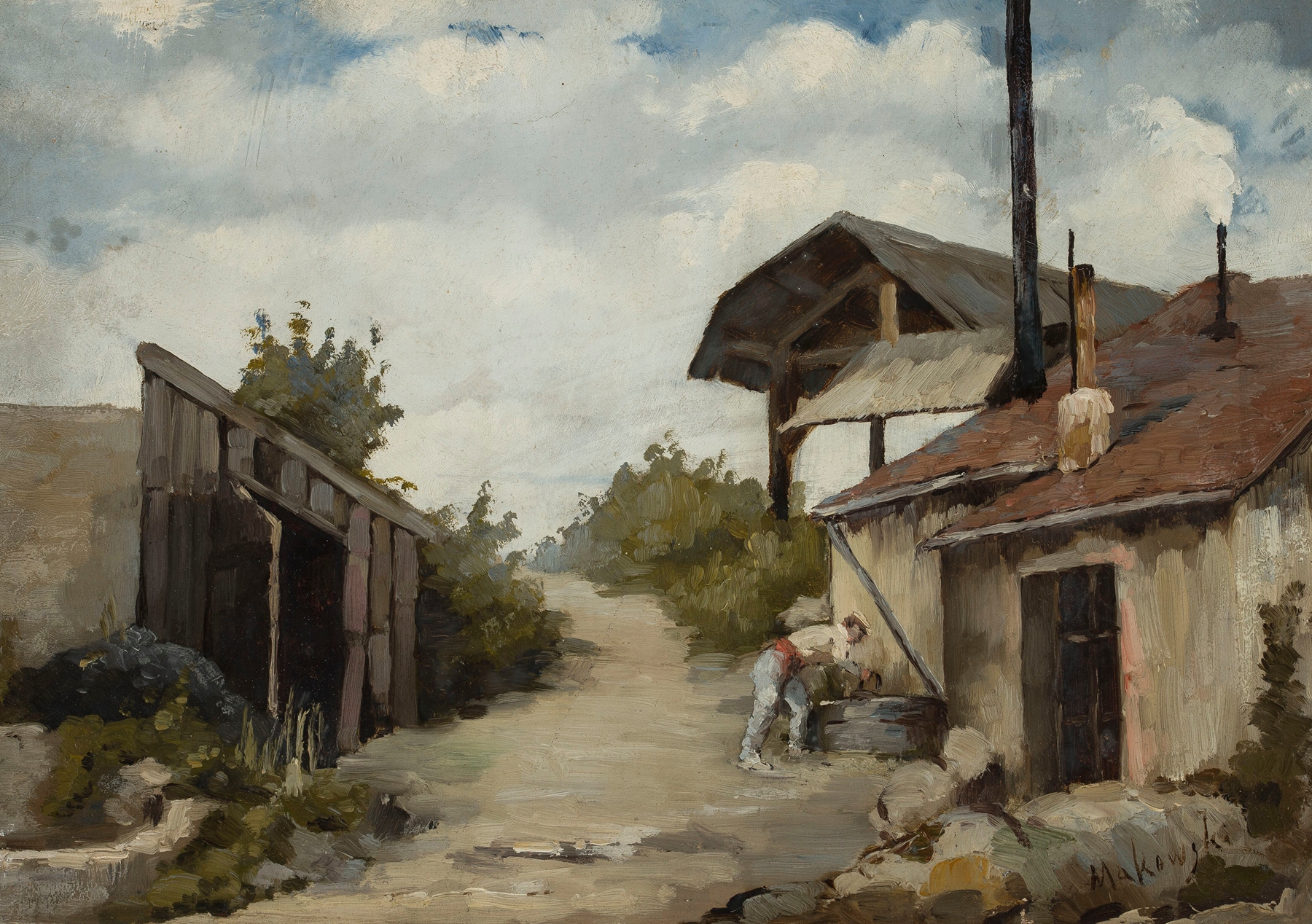
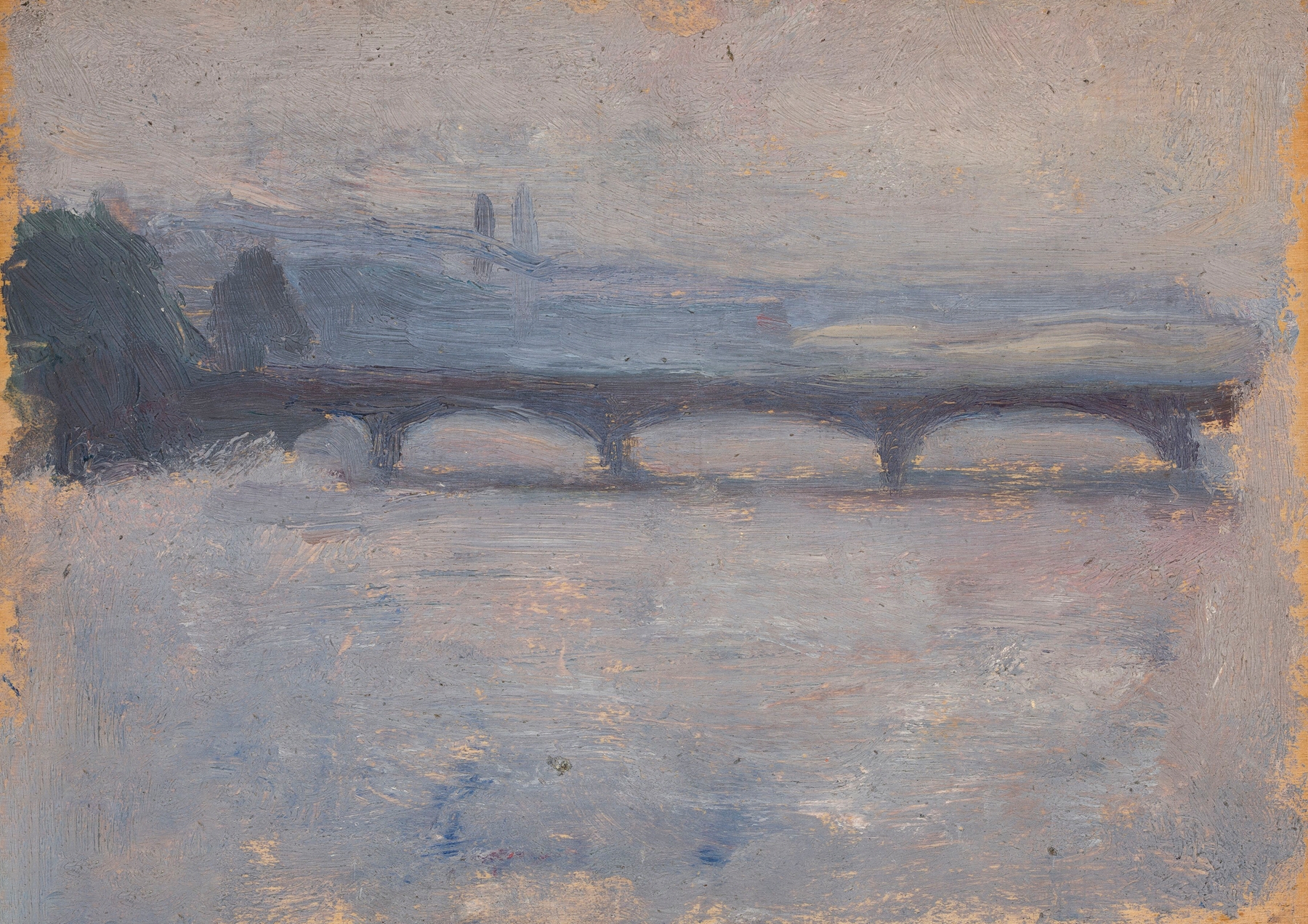
Can paint confess what words never could? In Latarnia morska w Tréport, the canvas unfolds a tale of silence and solitude intertwined with a hint of betrayal, as light dances upon the surface, revealing the weight of unspoken secrets. Focus on the lighthouse, stark and imposing on the left, painted in deep, contrasting hues that evoke both strength and desolation. Notice how the brushstrokes capture the icy winds that whip against its walls, while the muted sky looms overhead, a mixture of grays and blues that suggests an impending storm.
The gentle waves at the base of the lighthouse whisper their own stories, curling like fragile thoughts as they collide with the rocky shore. This careful composition draws the eye, instilling a sense of isolation within nature’s relentless rhythm. As you delve deeper, consider the light emanating from the lighthouse—a beacon of hope amidst a backdrop of despair. It contrasts sharply with the ominous clouds, hinting at the duality of safety and danger, a metaphor for the fragility of trust.
This emotional tension reverberates through the painting, suggesting that the lighthouse, a symbol of guidance, may also harbor secrets that betray its purpose. Tadeusz Makowski created this piece in 1927 while living in Paris, during a time of vibrant artistic exploration and personal turmoil. The interwar period saw a clash of ideals, where artists like Makowski sought to express the complexities of human emotion against the backdrop of societal change. This work reflects his struggle to convey profound feelings through his distinctive blend of expressionism and a touch of realism, capturing a moment where beauty and betrayal coexist.