Layer Marney Hall, Essex — History & Analysis
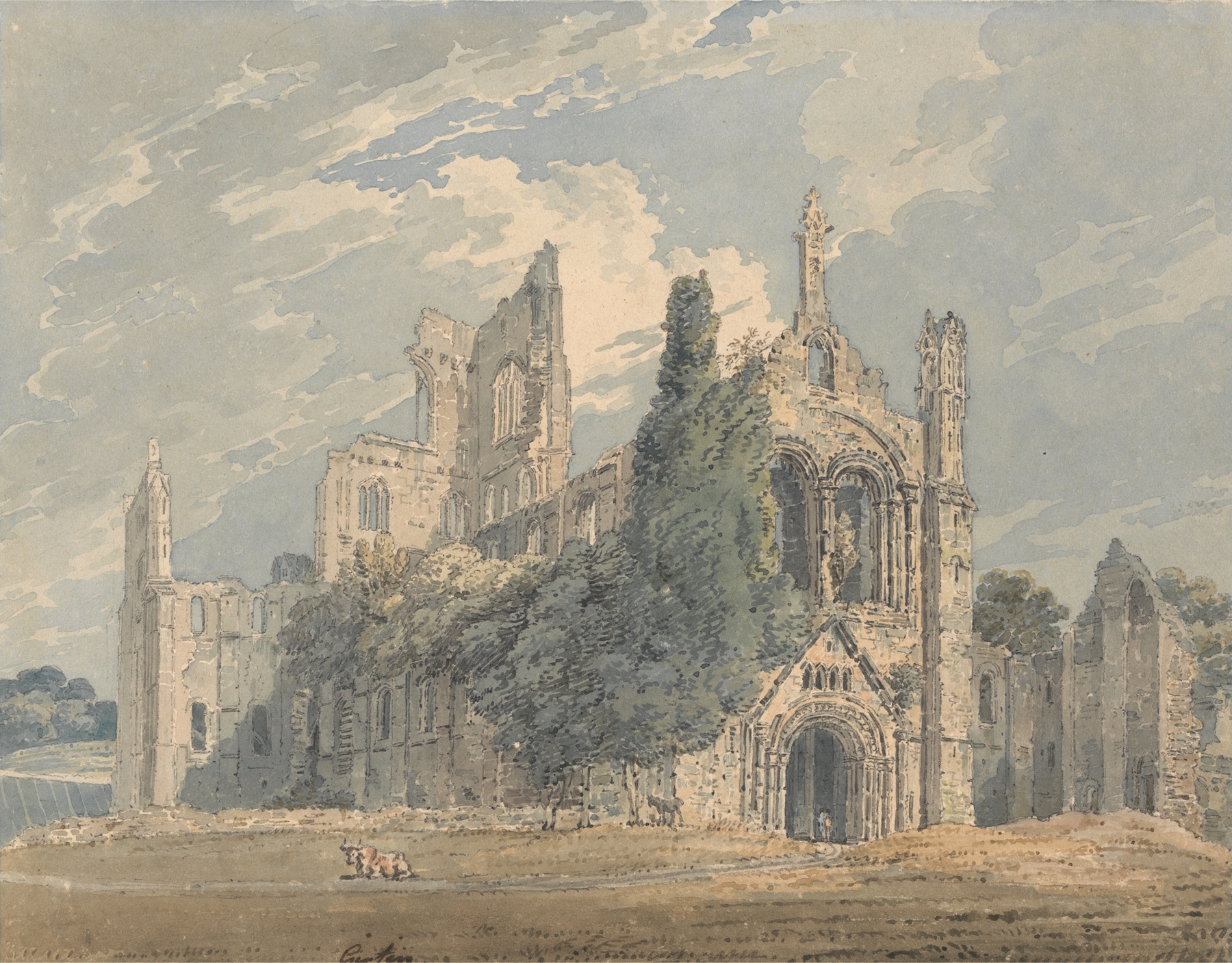
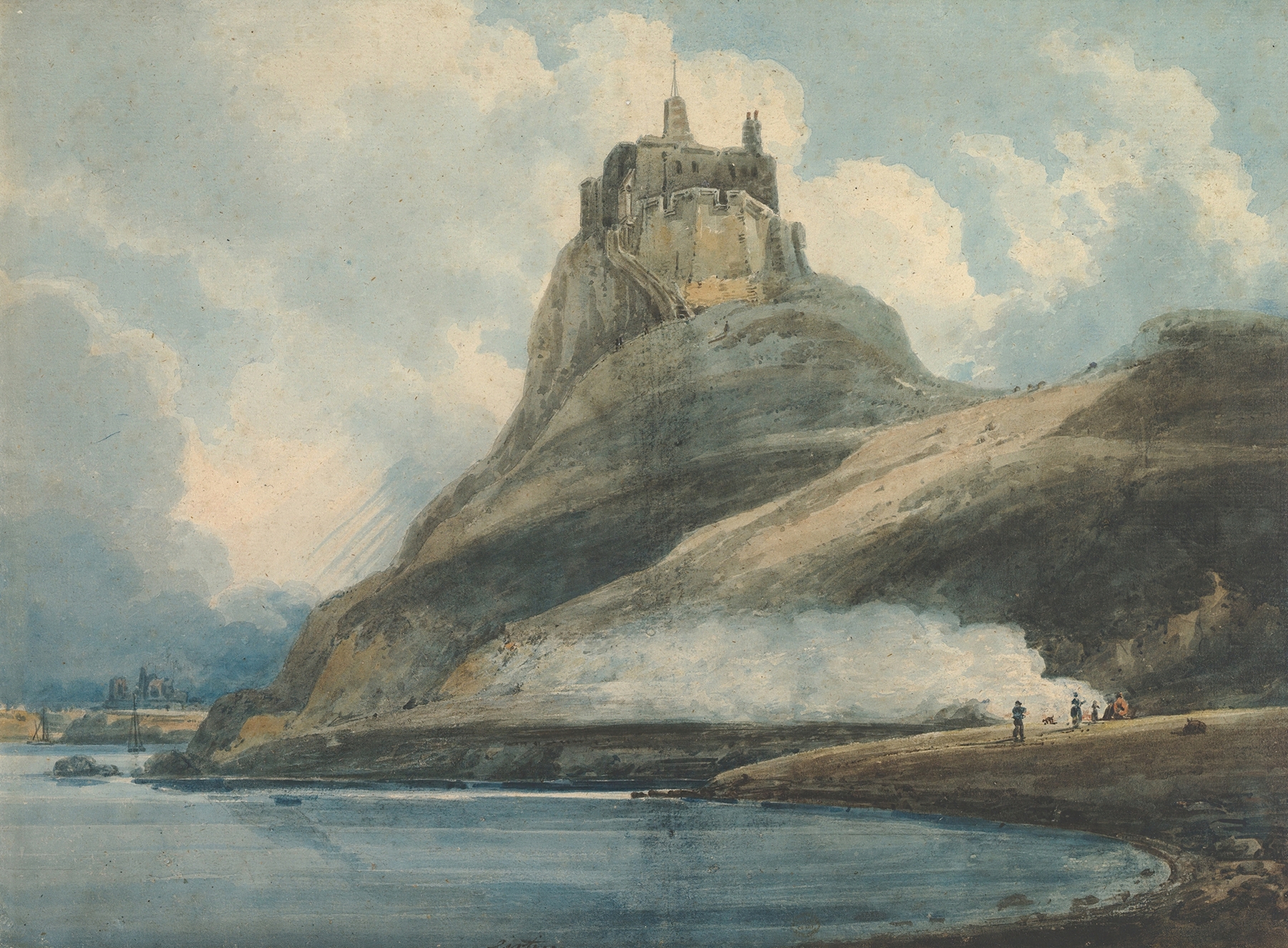
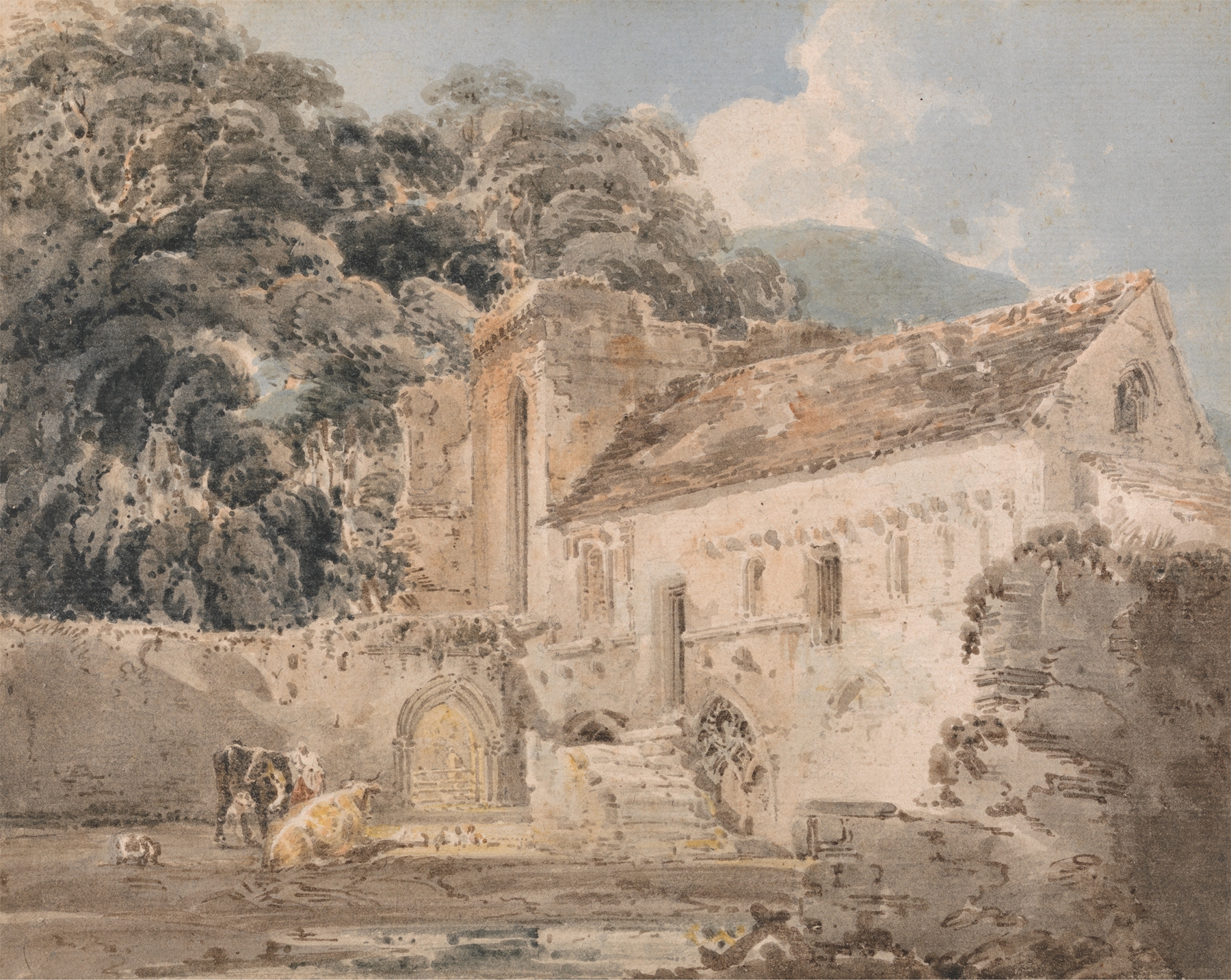
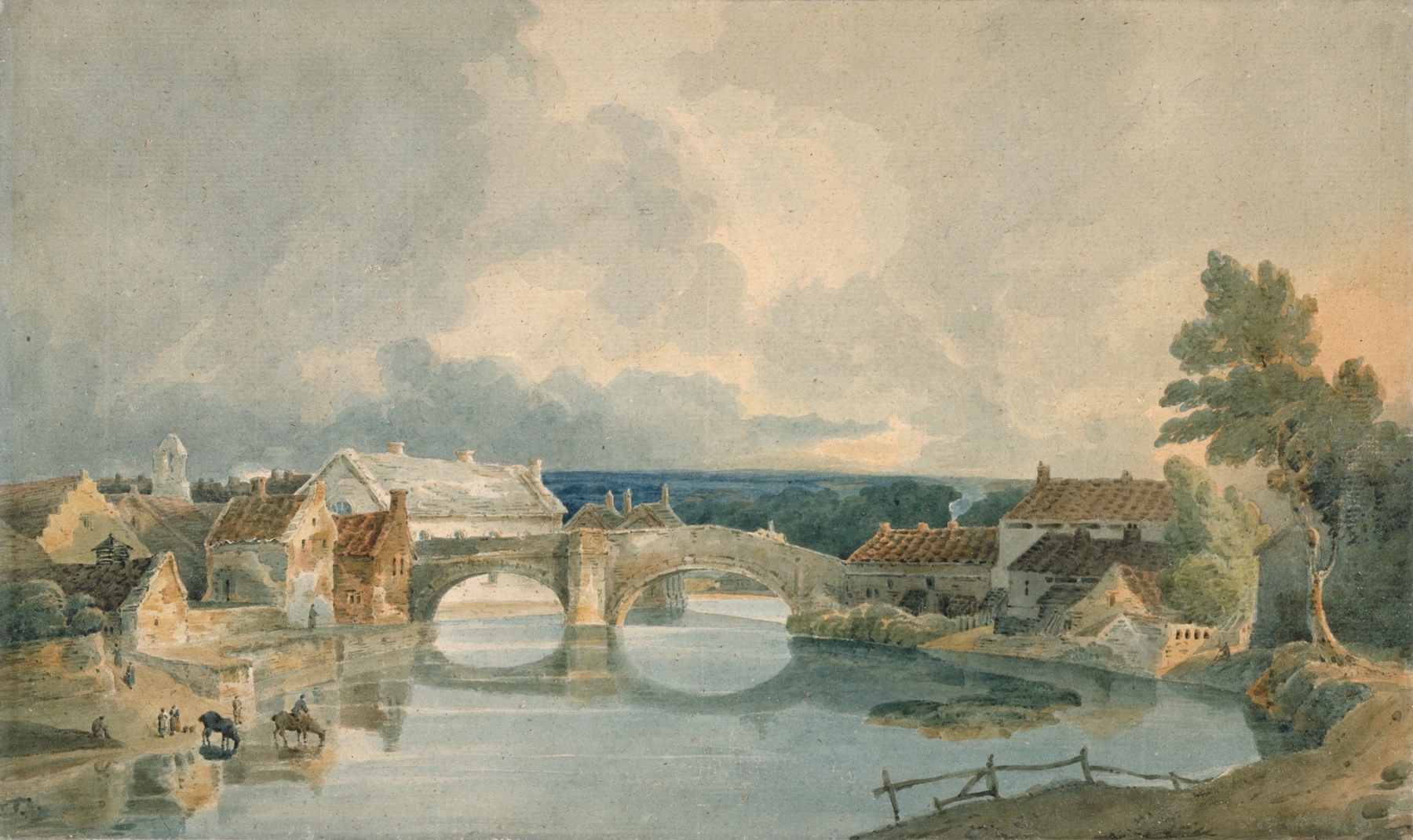
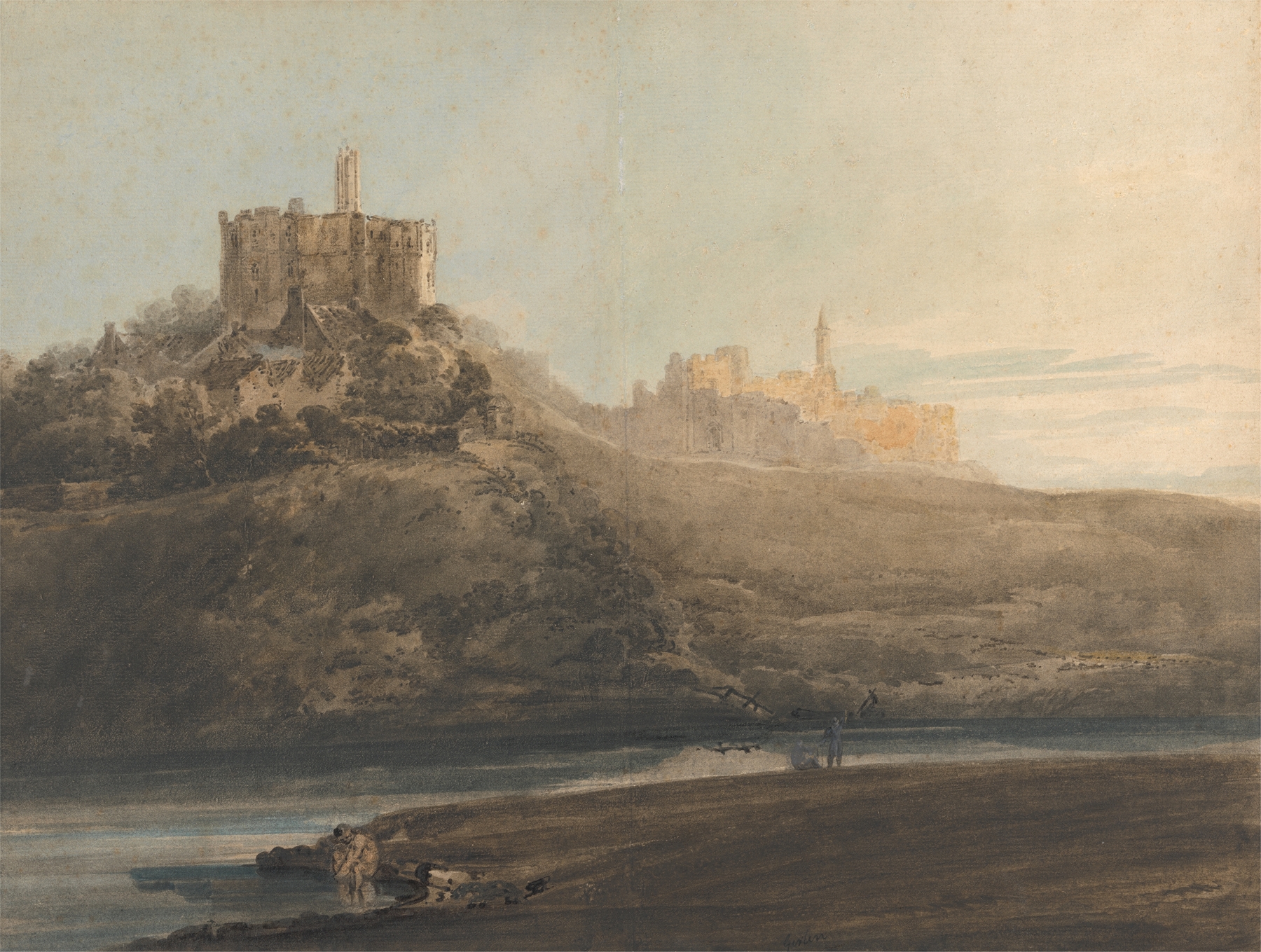
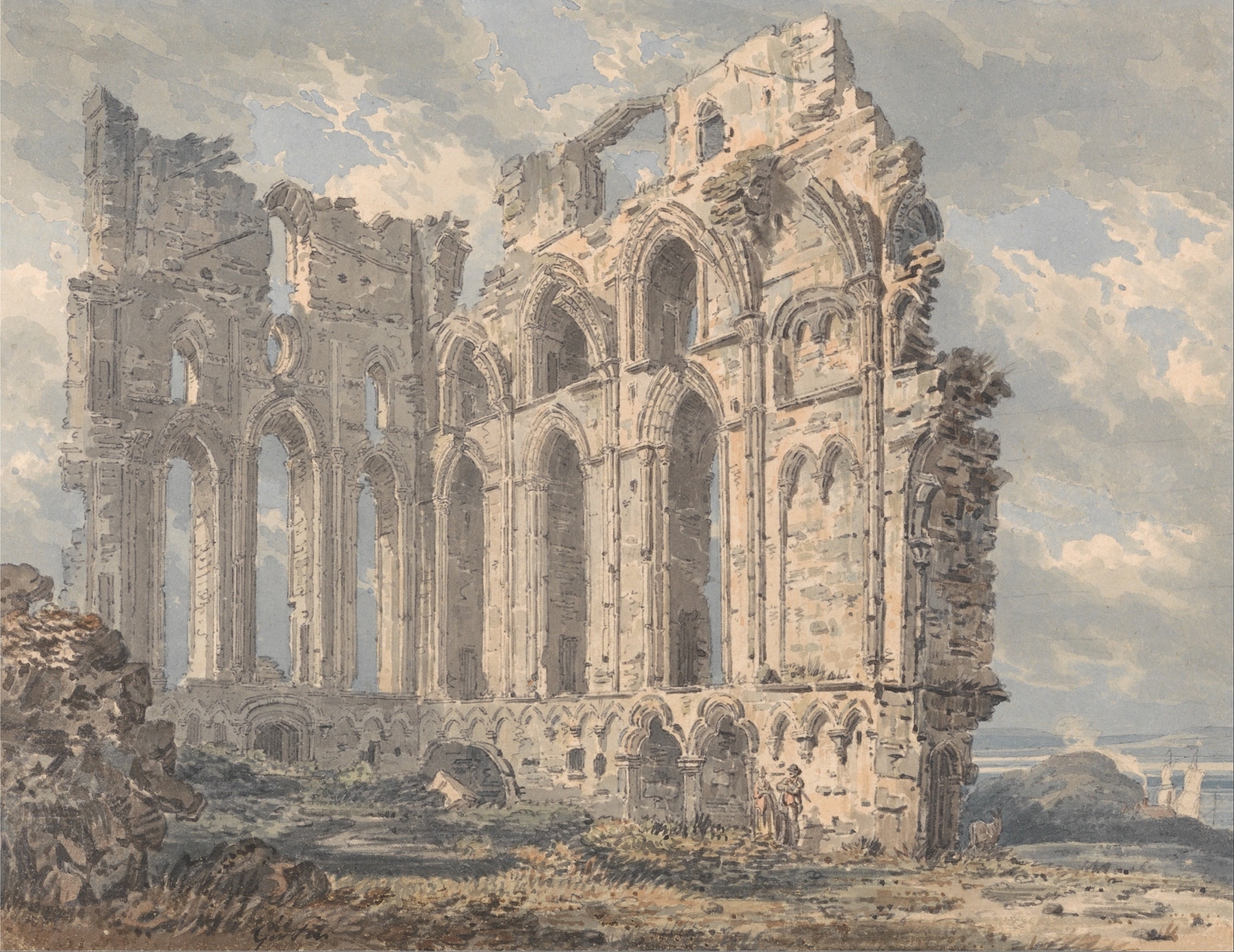
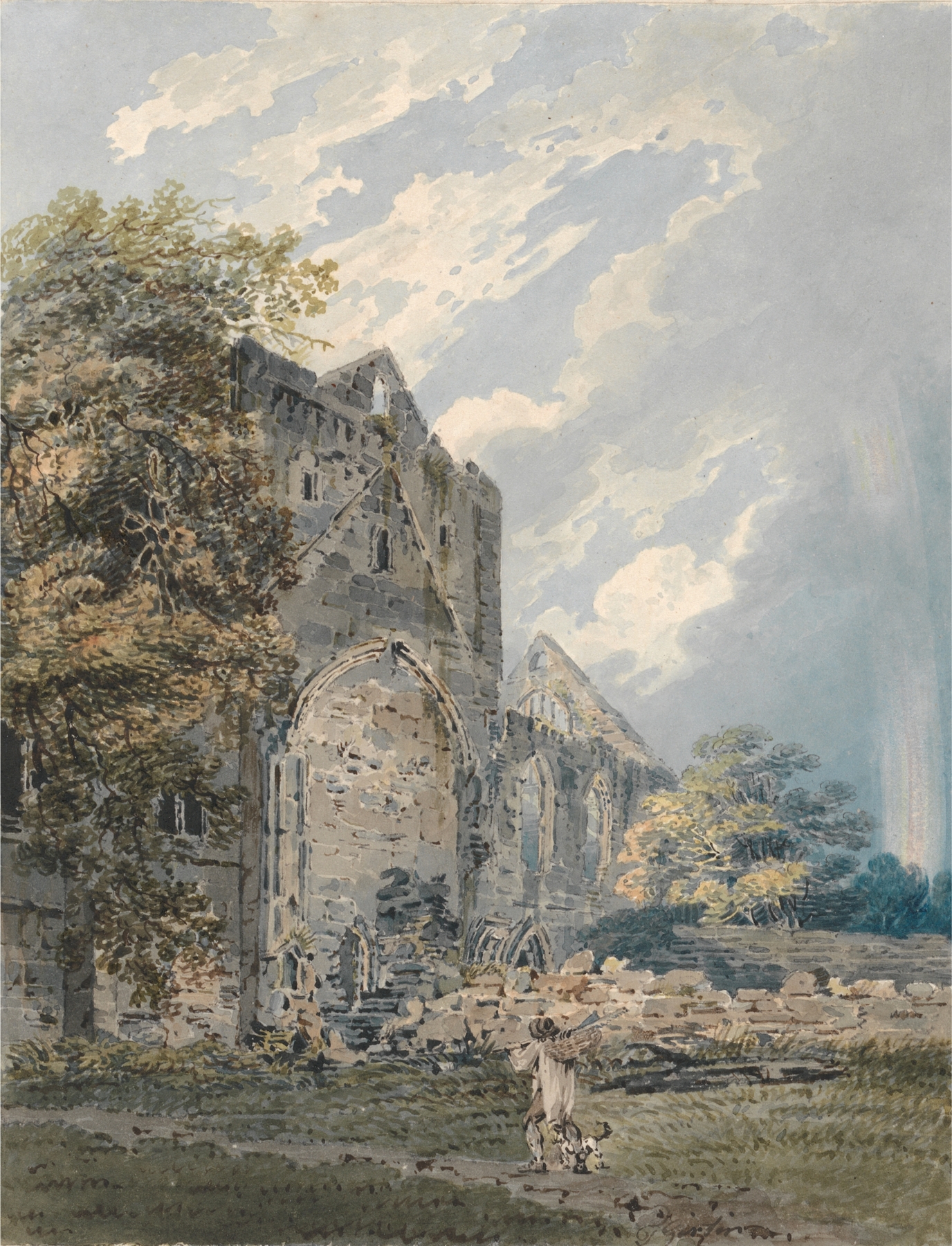
Where does light end, and longing begin? In the delicate interplay of sky and architecture, a world emerges that speaks to the heart’s deepest yearnings. Look to the left at the sweeping expanse of the sky, where soft hues of blue and white mingle, creating a sense of infinite possibility. Notice how Girtin employs gentle watercolors to render the historic Layer Marney Hall, its intricate gables and chimneys delicately outlined against the ethereal backdrop.
The warmth of the sunlight bathes the scene, casting a golden glow that invites the viewer to linger, as if time itself pauses in reverence for this architectural marvel. Yet, beneath this serene façade lies a tension between permanence and transience. The crumbling edges of the hall juxtaposed against the vibrant sky evoke nostalgia for a bygone era, suggesting a longing for connection to memories and places lost. The contrast of light and shadow creates a visual dialogue, illuminating both the grandeur of human achievement and the inevitable decay that follows.
Each brushstroke whispers stories of those who once walked these grounds, while the expansive horizon hints at dreams yet unfulfilled. In 1795, Girtin painted this work during a time when England was grappling with industrial change and the romantic ideals of nature. Emerging as a leader in the watercolor movement, he was captivated by the landscapes of his homeland, seeking to elevate the medium beyond mere representation. Layer Marney Hall became a canvas not just for architecture, but for the emotions and aspirations of a shifting world, cementing Girtin’s legacy in the annals of art history.