Le Château de Chillon, Lake Geneva — History & Analysis
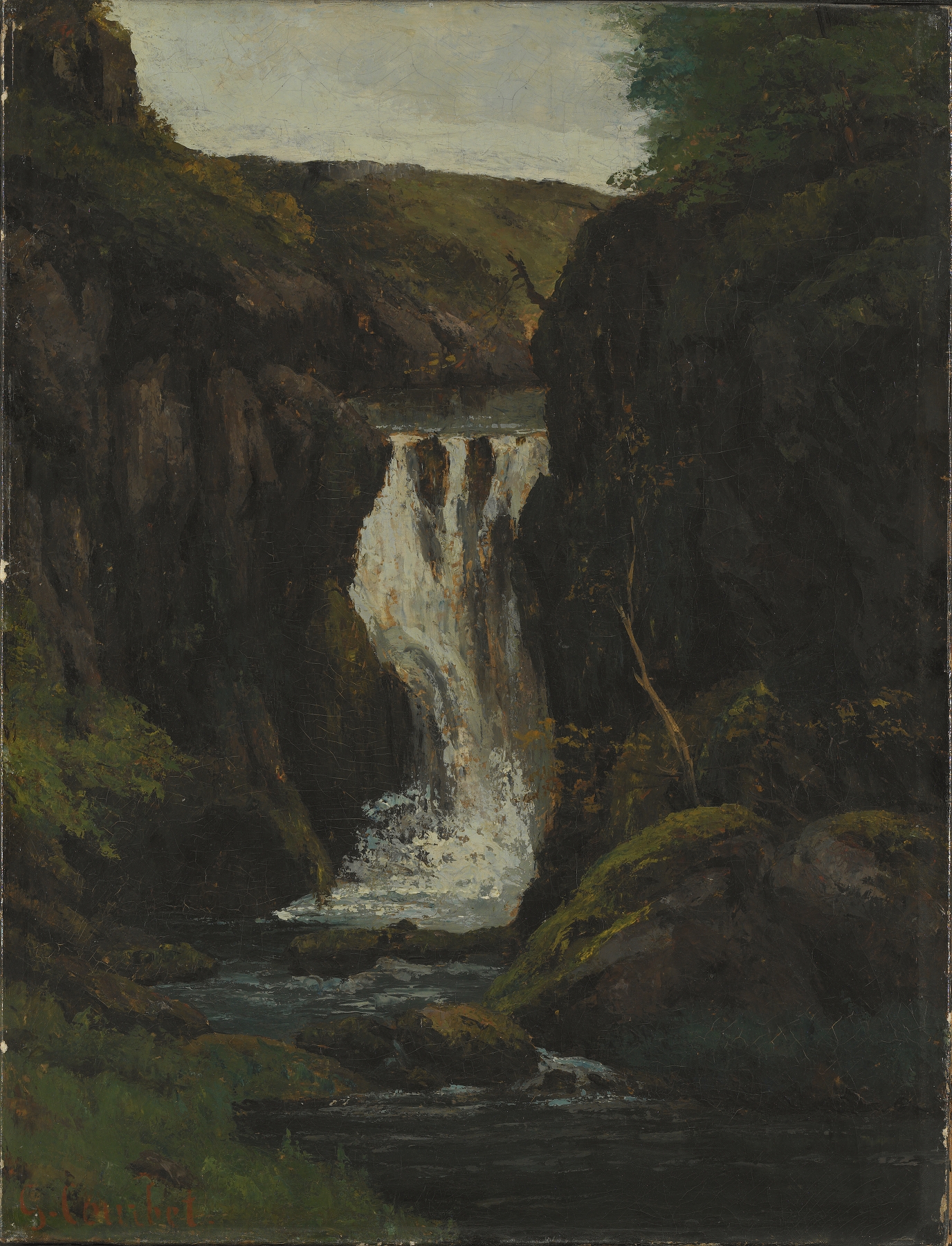
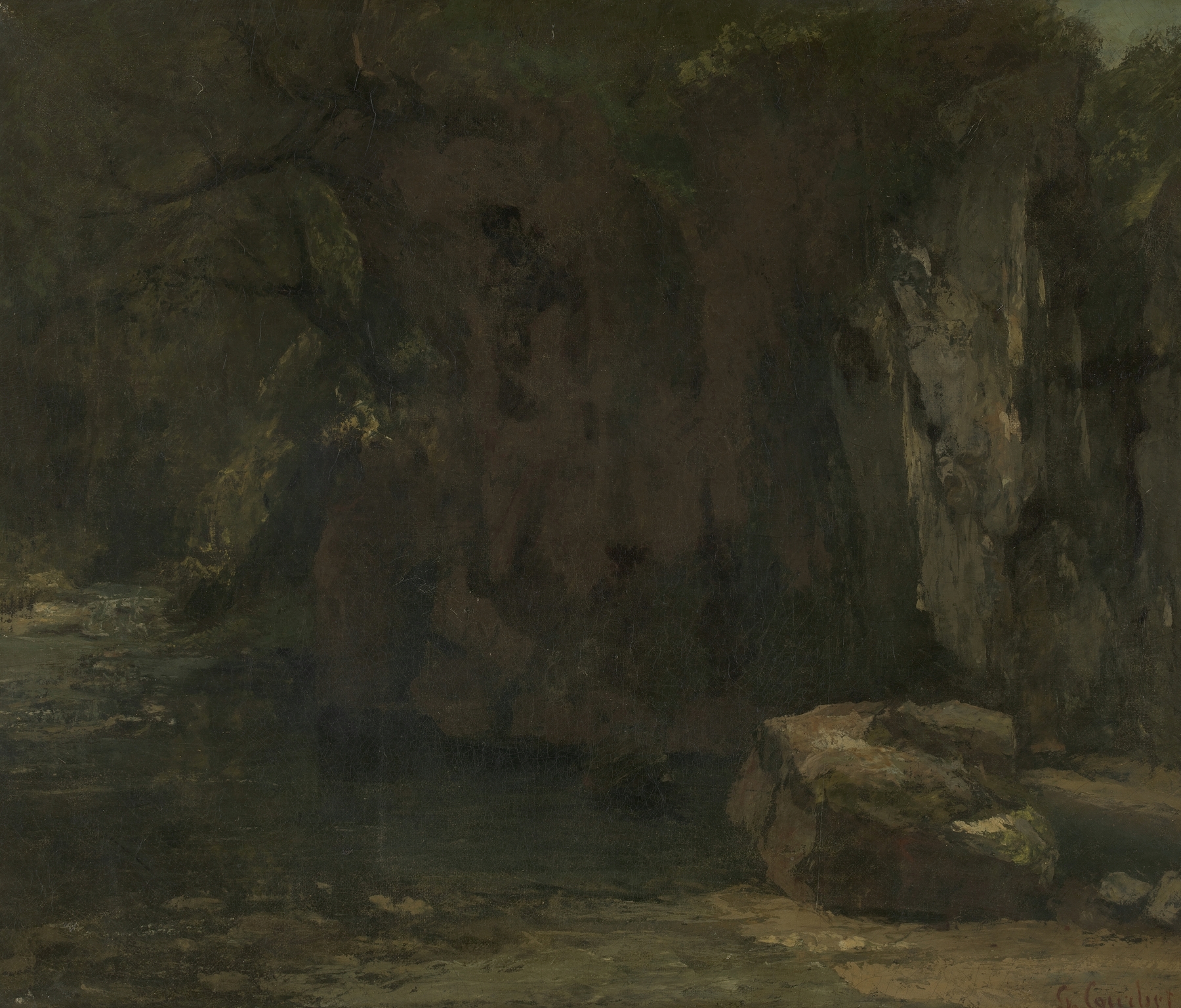
“Under the brush, chaos becomes grace.” In the face of mortality, how does one capture the essence of a moment that breathes life into decay? Begin by focusing on the fortress, its ancient stones standing resolute against the shimmering expanse of Lake Geneva. Notice how Courbet’s palette mixes deep blues and somber grays, evoking the quiet strength of the structure while simultaneously reflecting the weight of time’s passage. The gentle ripples on the water mirror the fortress's steadfastness, creating a dialogue between permanence and transience.
As you explore the canvas further, observe the play of light and shadow. The sun casts a warm golden glow that highlights the rough texture of the castle walls, while the darker areas hint at the encroaching shadows of dusk. This interplay creates an emotional tension, suggesting both the beauty of the landscape and an underlying sense of melancholy. The scene is not merely a landscape; it’s a meditation on existence, inviting reflections on how places and memories endure beyond their fleeting moments.
Courbet painted this work in 1876, a time when he was deeply engaged in exploring the truths of nature and human experience. Living in France amidst the throes of social and political change, he sought to represent reality unembellished. His focus on landscapes during this period was a departure from earlier, romantic ideals, marking a significant evolution in his artistic journey. As he captured Le Château de Chillon, he infused it with his contemplation of mortality and the impermanence of life itself.