Le Tonnelier — History & Analysis
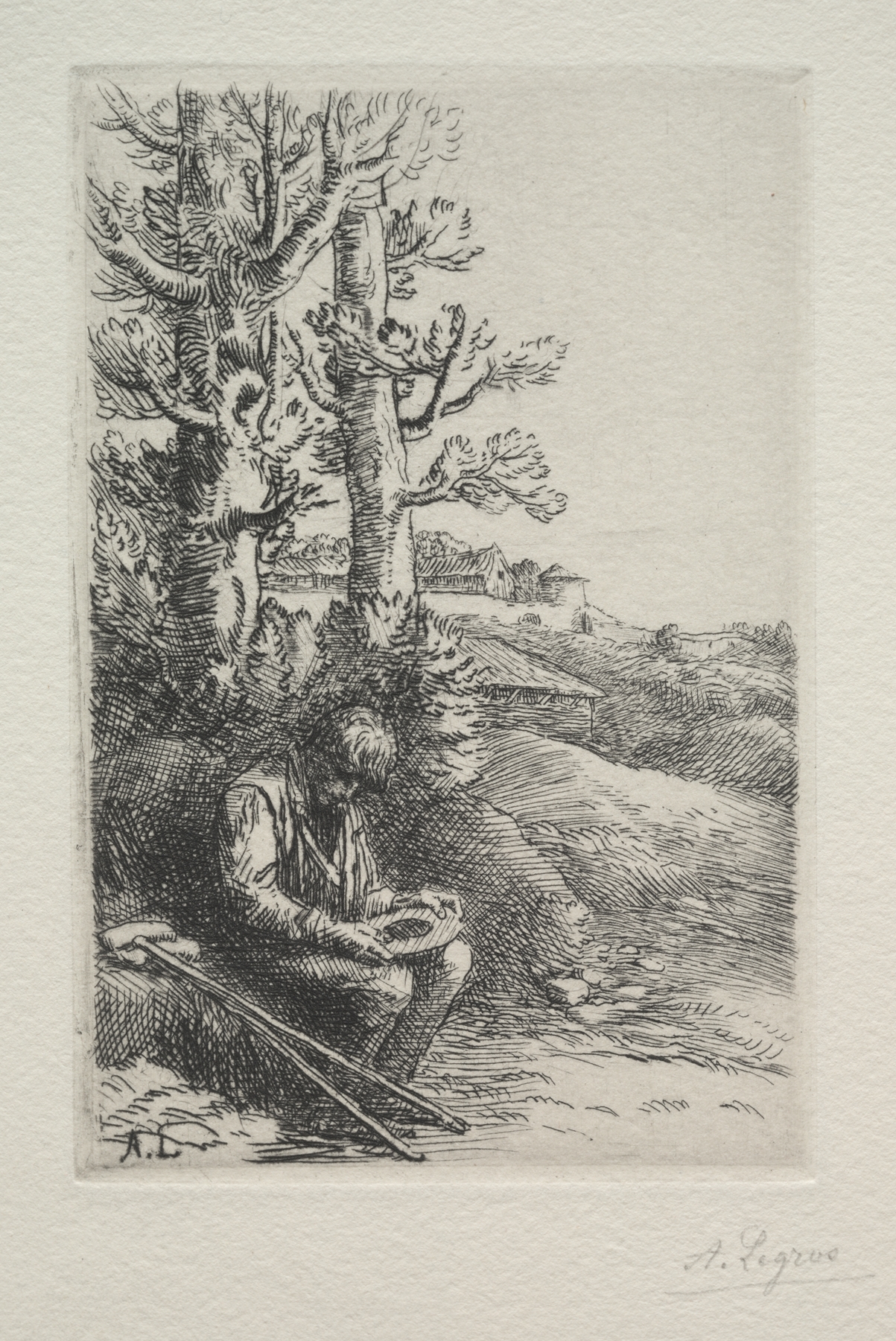
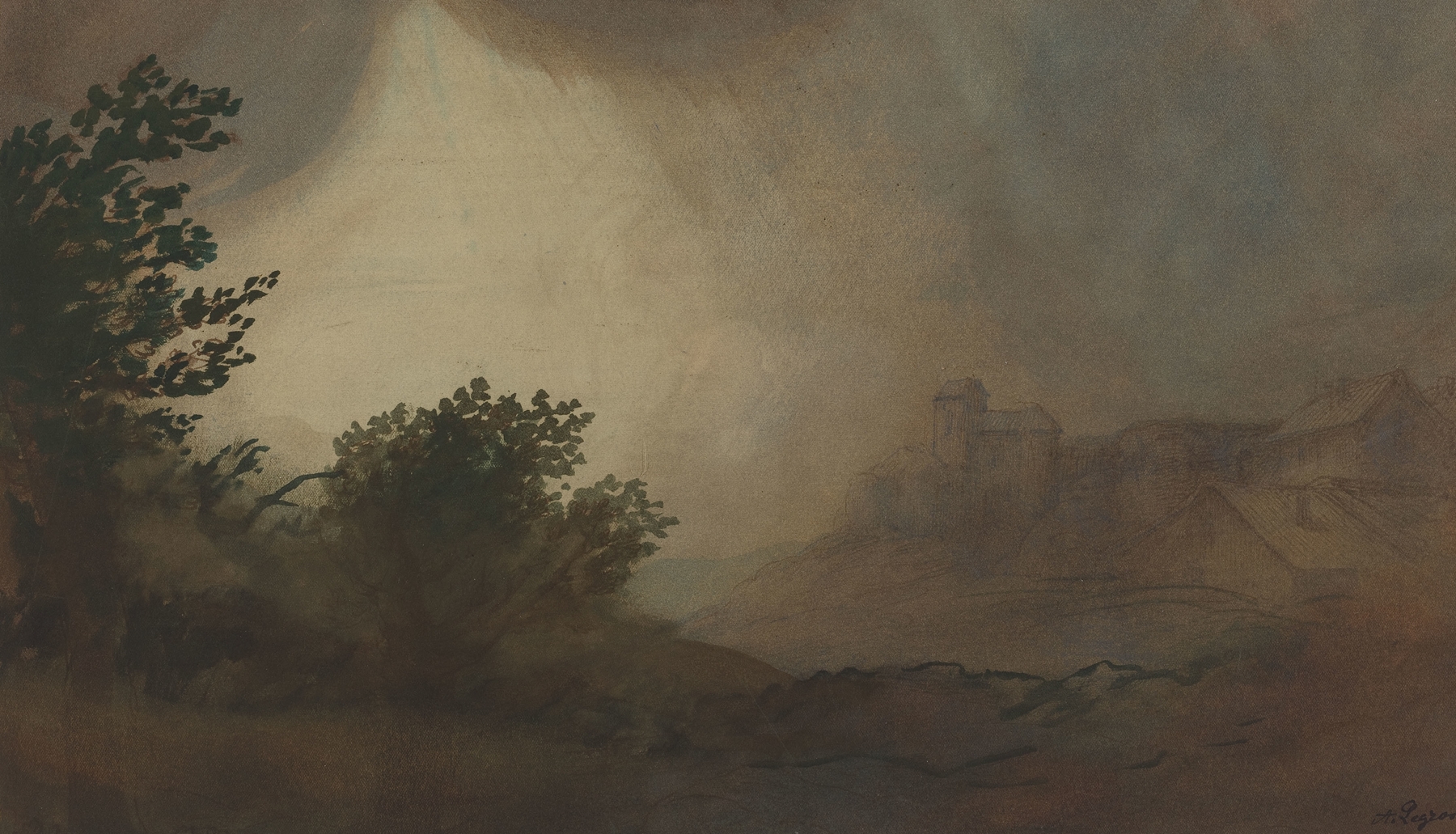
What secret hides in the quiet of the canvas? In a world brimming with noise, there lies an invitation to explore the depths of transformation captured within the strokes of Le Tonnelier. Look to the center of the composition, where the figure of the cooper stands, surrounded by an array of barrels that pulse with potential. Notice how the light gently illuminates the wood grain, each barrel resonating with the warmth of labor.
The earthy tones of browns and ochres blend harmoniously, creating a sense of unity around the artisan, while the shadows cast by his figure suggest both weight and solitude, evoking the quiet dignity of manual work. The contrasts in this piece are striking; the solid forms of the barrels juxtapose the delicate, almost ephemeral quality of the craftsman’s gesture as he shapes the wood. The interplay between light and shadow hints at the transformative power of his craft—not merely altering materials, but also crafting a narrative of tradition and resilience. This scene encapsulates a moment of contemplation, suggesting that within each laborious act lies the promise of creation and renewal.
Alphonse Legros painted Le Tonnelier during a period of personal reflection and artistic evolution in the late 19th century. Residing in France, he was influenced by the changing tides of the art world, navigating through the transition from realism to impressionism. At this juncture, he sought to portray the nobility of everyday labor, underscoring the importance of skilled craftsmanship amid an industrializing society.