Les laveuses à Moret — History & Analysis
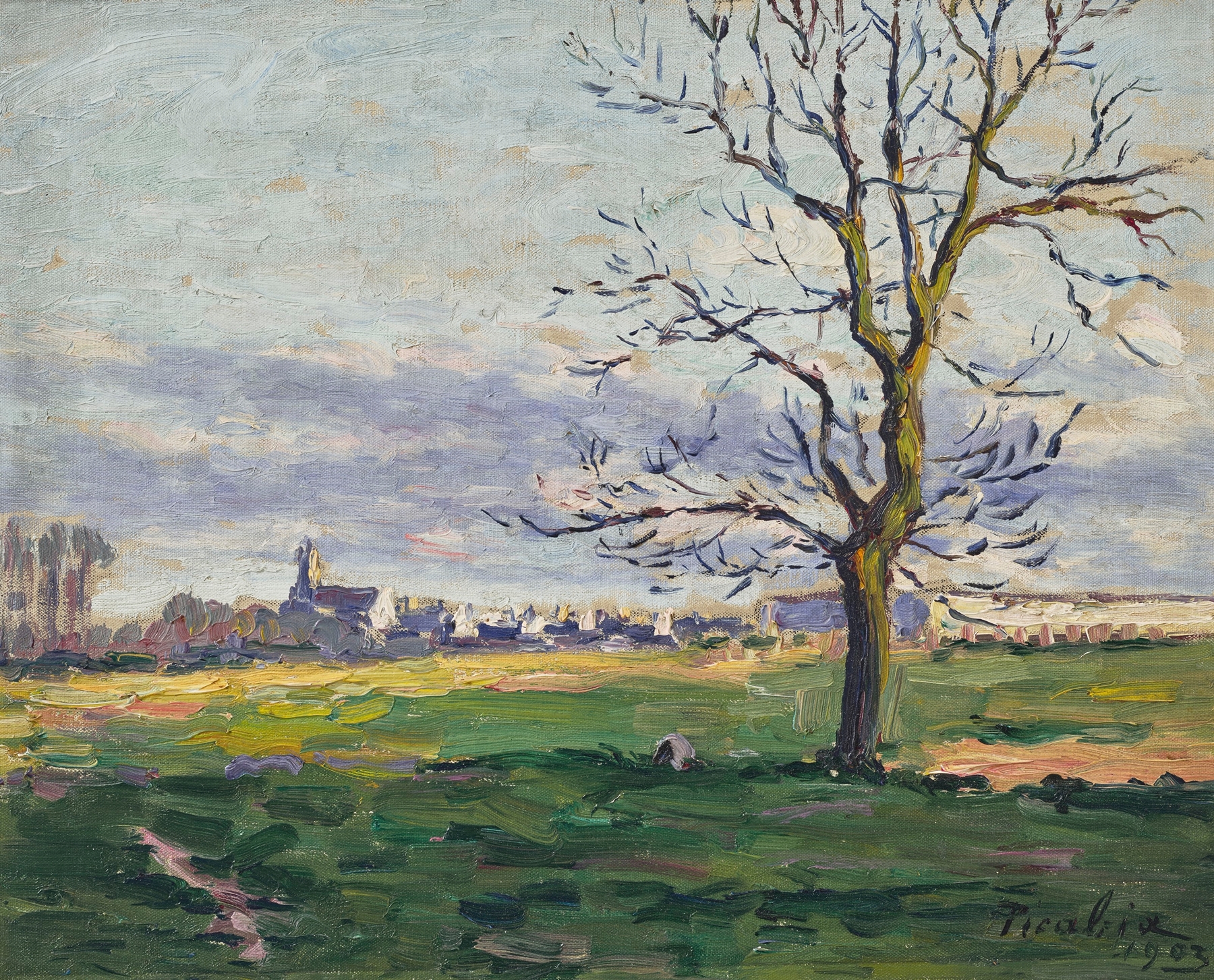
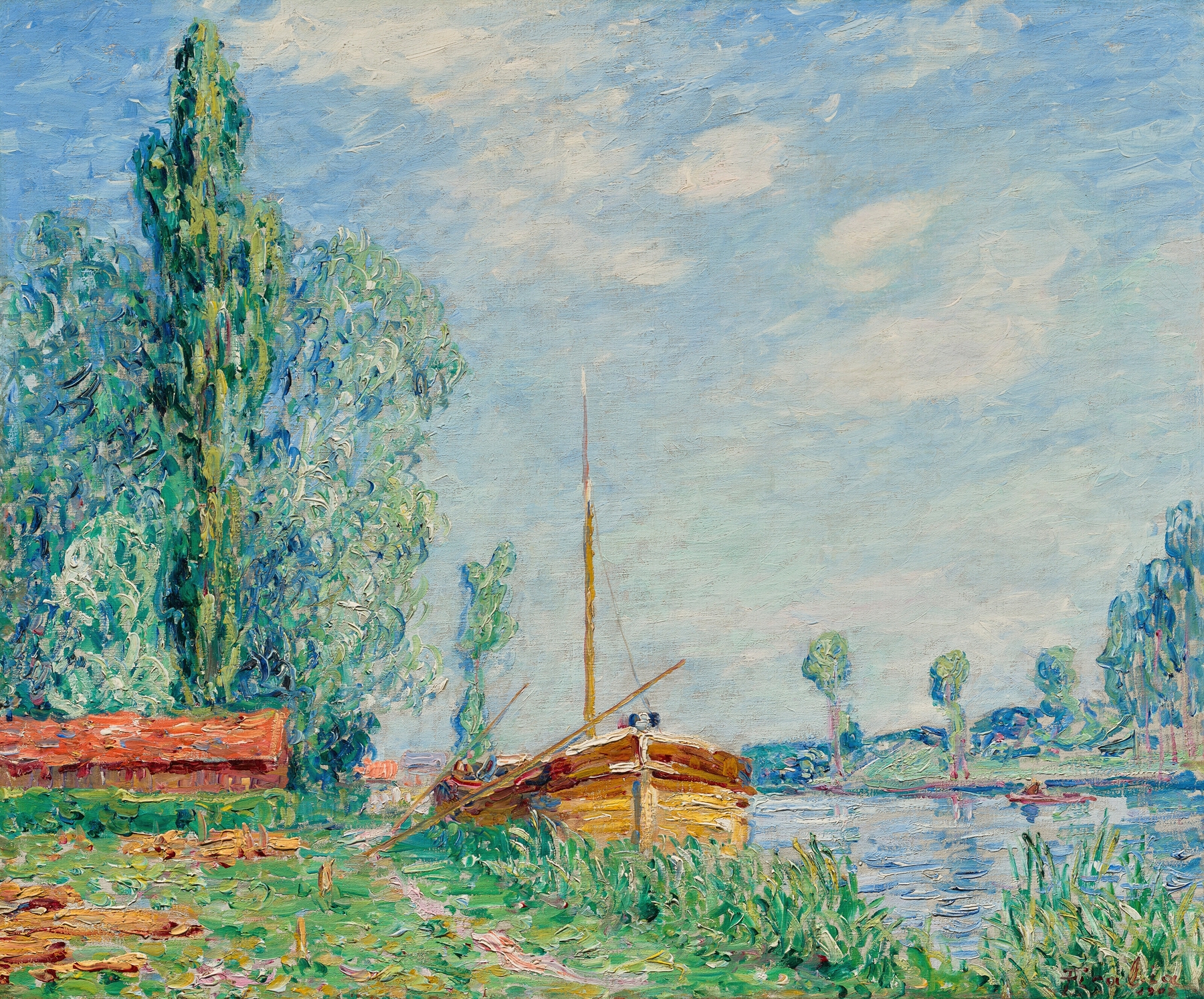
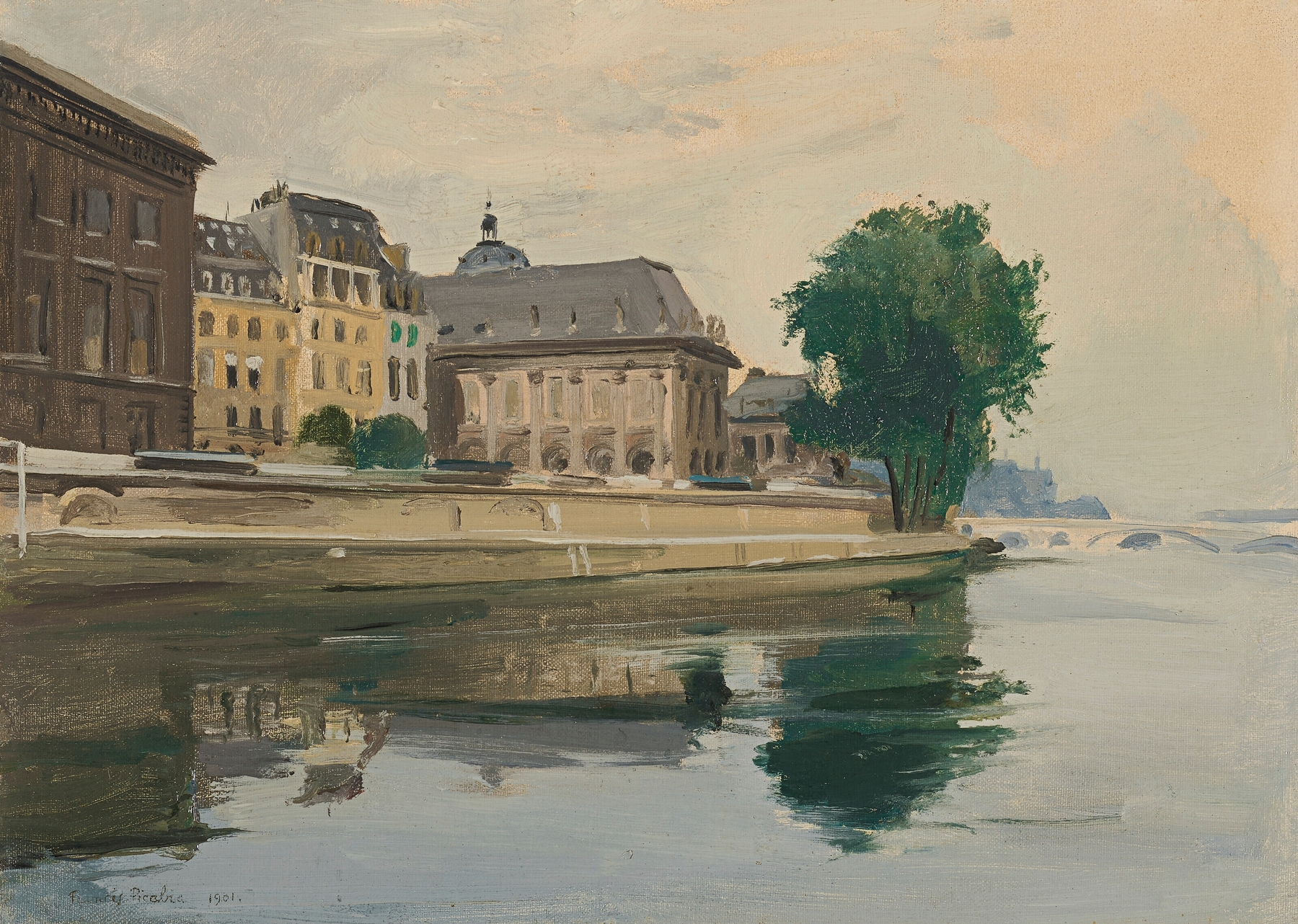
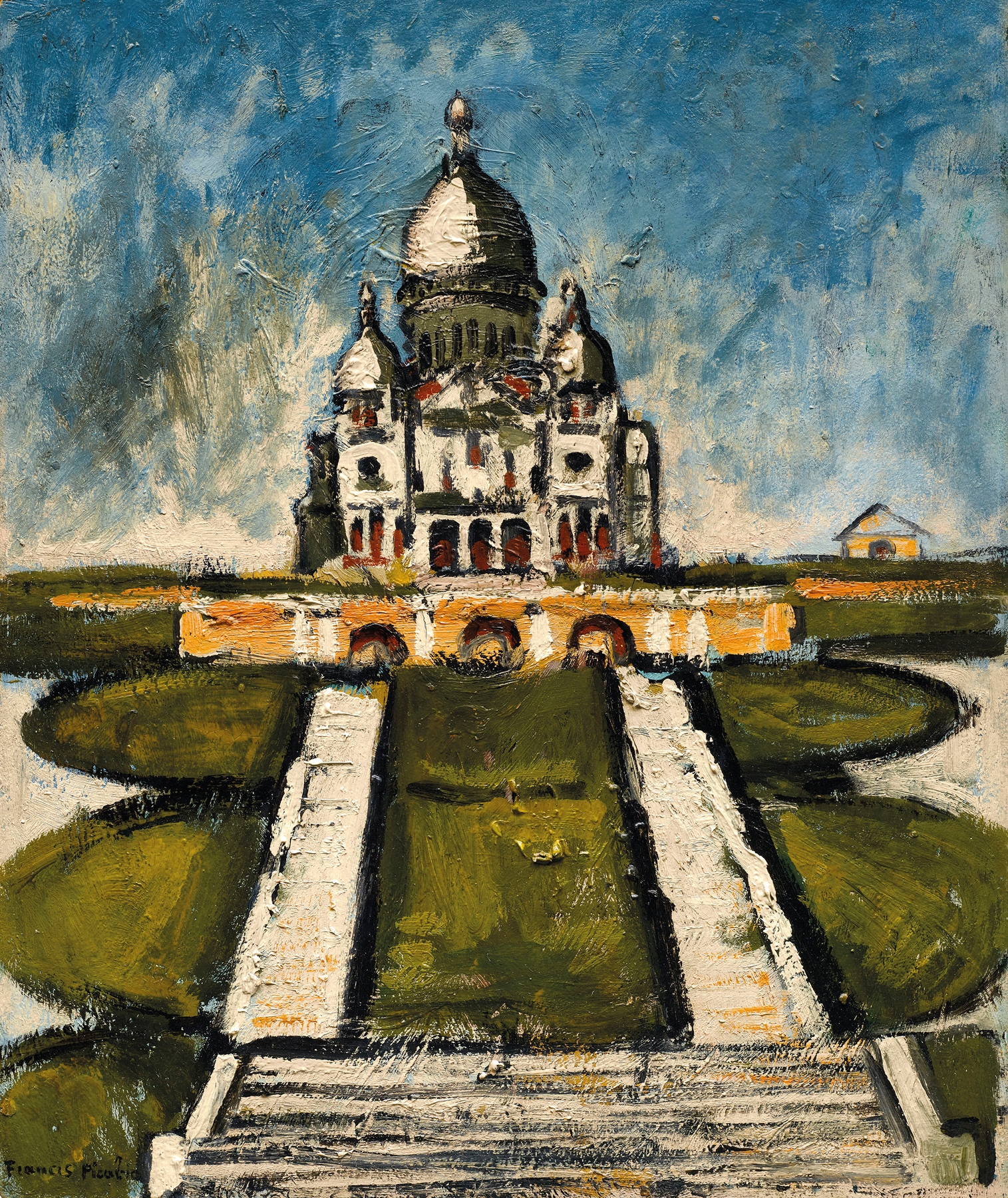
“To paint is to remember what time wants us to forget.” This sentiment lingers in the air like the steam rising from the water in the midst of toil. Hope often emerges from the mundane, shining through the labor of daily life, illuminating the resilience found in the most ordinary moments. Look closely at the left side of the canvas; the figures of women are skillfully rendered, their bodies harmonizing with the landscape around them. The gentle waves of fabric and rippling water create a rhythmic flow that draws your gaze across the scene. Notice how the colors blend—muted earth tones punctuated by dashes of bright whites and blues, capturing both the vitality and weight of their work.
This composition speaks to a world that, while demanding, also holds beauty in its simplicity. Beneath the surface, there exists a contrast between labor and the surrounding natural bounty. The women, engaged in their repetitive tasks, symbolize both weariness and strength, embodying the hope that endures amid hardship. The gentle strokes evoke a sense of camaraderie, inviting viewers to reflect on the connections between individuals and their environment.
In this ordinary setting, an extraordinary narrative of perseverance unfolds, reminding us that hope is often found in the details of life. In 1904, the artist found himself amid the burgeoning avant-garde movement in France, exploring themes of modernity and everyday life. During this time, Picabia was transitioning from impressionism toward a more abstract approach, influenced by the vibrant artistic discourse around him. Les laveuses à Moret reflects his engagement with both traditional practices and the evolving spirit of the time, capturing a fleeting moment that resonates with timeless human experience.