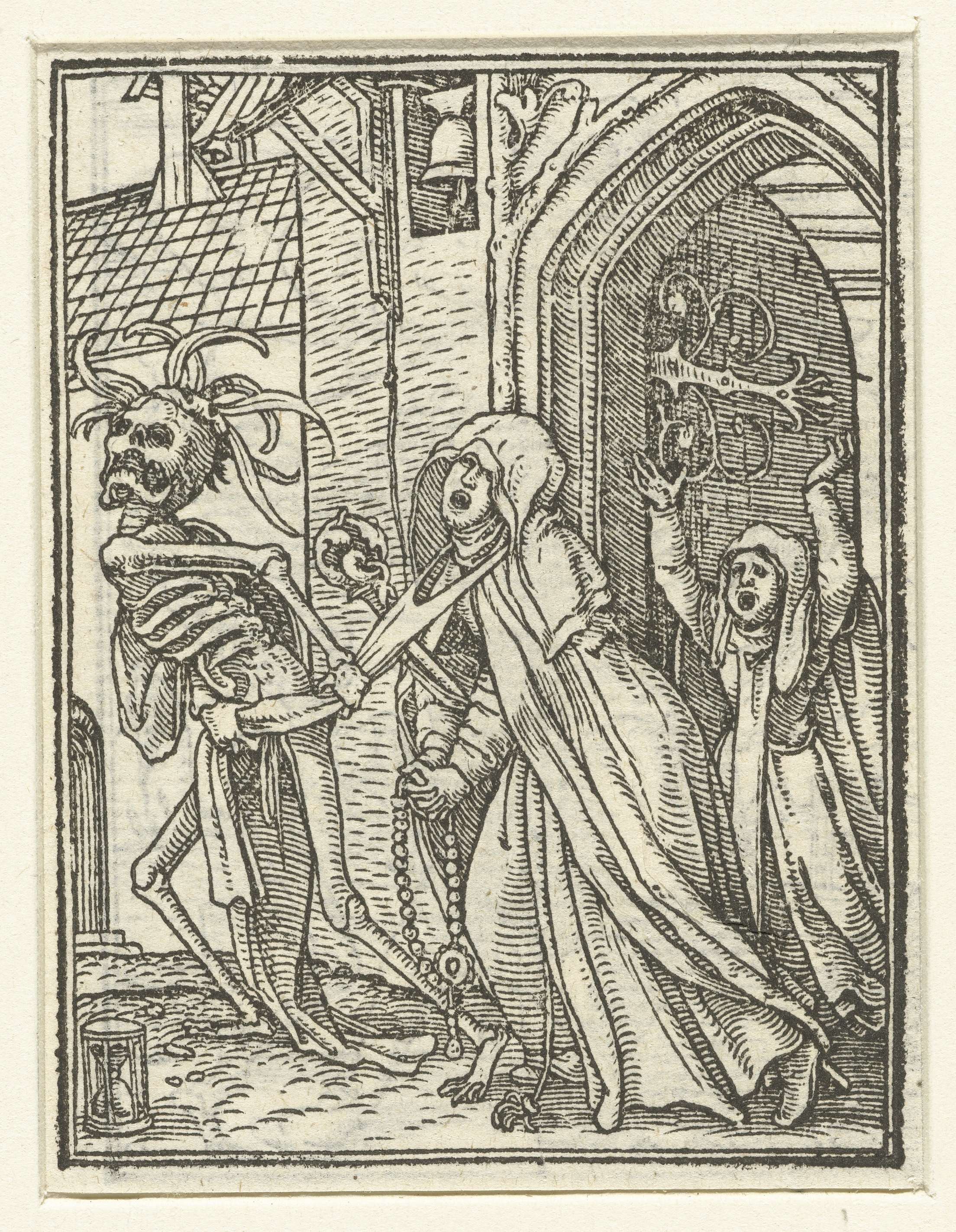
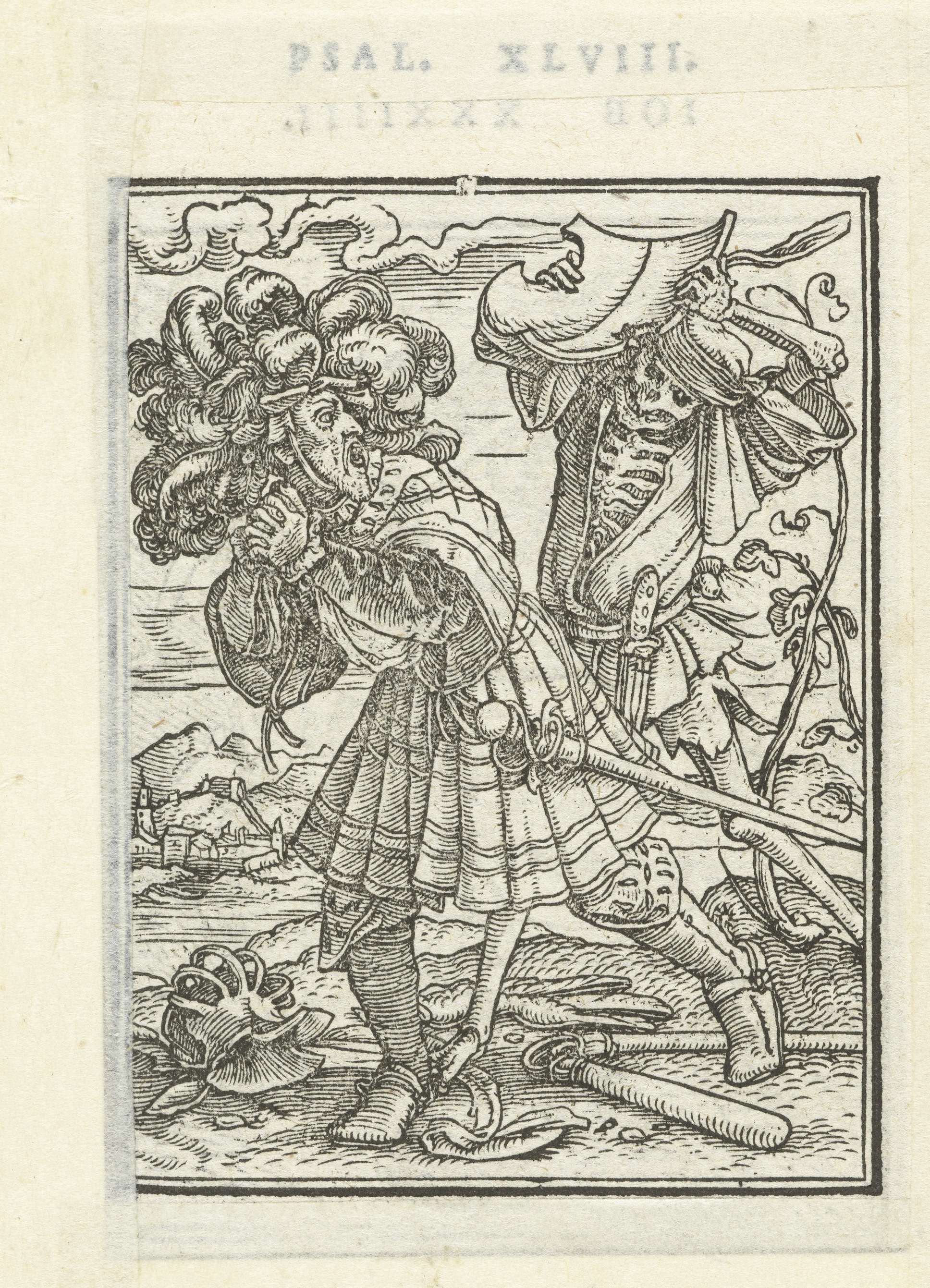
Letter H met vier kinderen van wie een kind zit op de rug van een kruipend kind — History & Analysis
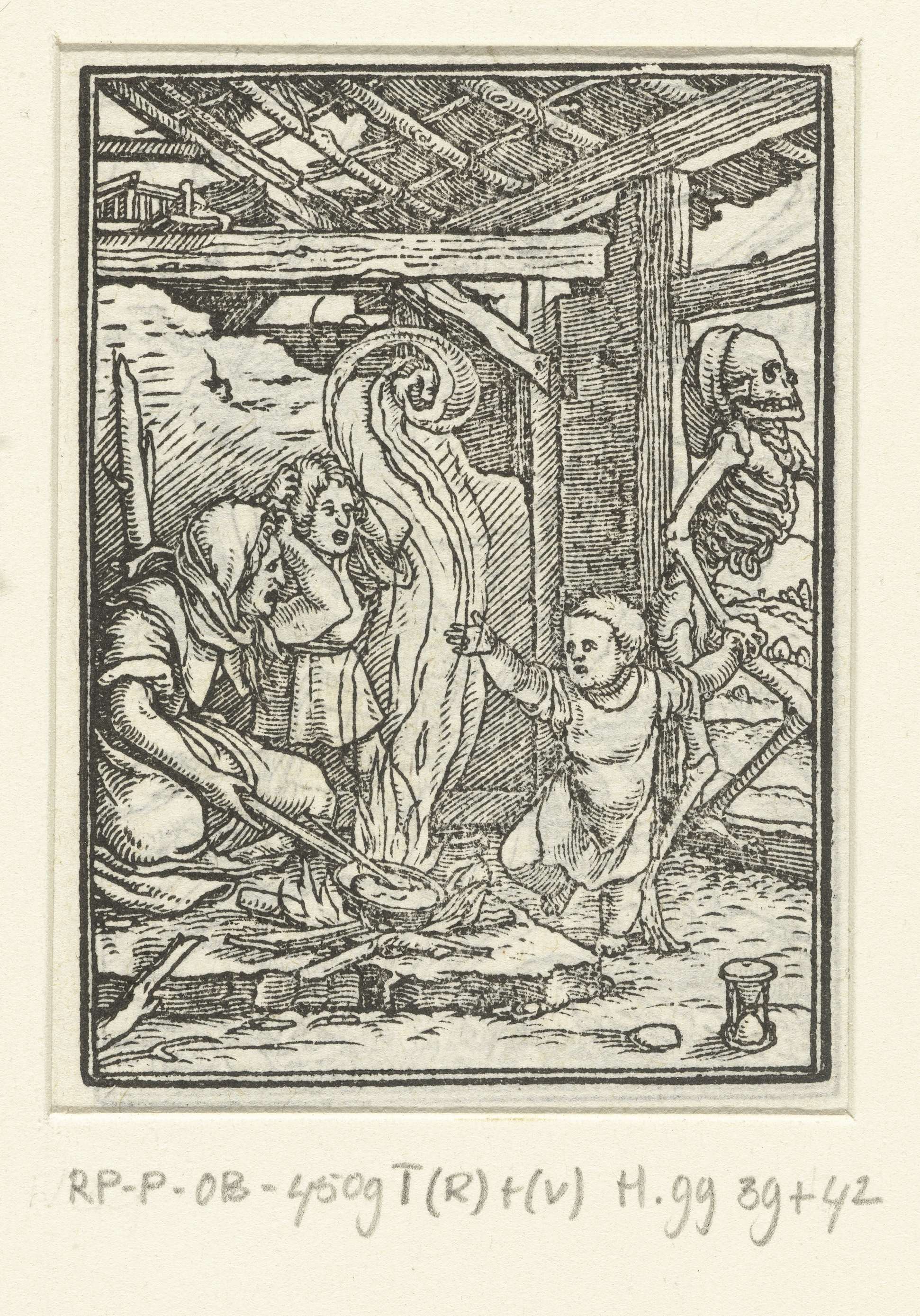
“Art reveals the soul when the world turns away.” In the quiet embrace of the canvas, emotions lie bare, waiting to be uncovered. Within the intricate composition, the tension of childhood innocence brushes against the shadow of fear, revealing a deeper narrative that lingers just beneath the surface. Look closely at the two figures at the center, one child perched on the back of another, both seemingly unperturbed by the tumult surrounding them. The warm, earthy tones of skin contrast with the cooler hues of their garments, drawing your gaze to their expressions—a blend of joy and naiveté.
Notice how the artist’s meticulous attention to detail captures the subtle play of light across their faces, accentuating the innocence of youth while hinting at the vulnerabilities they harbor. The composition teems with dualities; the child on the ground crawls forward while the other child seems to cling to a fleeting moment of carefree play. This juxtaposition of movement and stillness embodies the tension between freedom and the creeping fear of growing up. The curious expressions of the children suggest an awareness of their surroundings, as if they sense the untold stories and challenges that lie ahead, waiting just beyond the edges of their idyllic scene.
During 1522 to 1526, Holbein was immersed in the vibrant artistic milieu of Renaissance Europe, balancing his life between Switzerland and England. He was deeply engaged in portraying the human experience, often reflecting the societal tensions of his time. As he painted this piece, he was honing his skills in portraiture and narrative, capturing the very essence of humanity while navigating the complexities of his own era.