Letter P met drie staande kinderen en zittend kind — History & Analysis
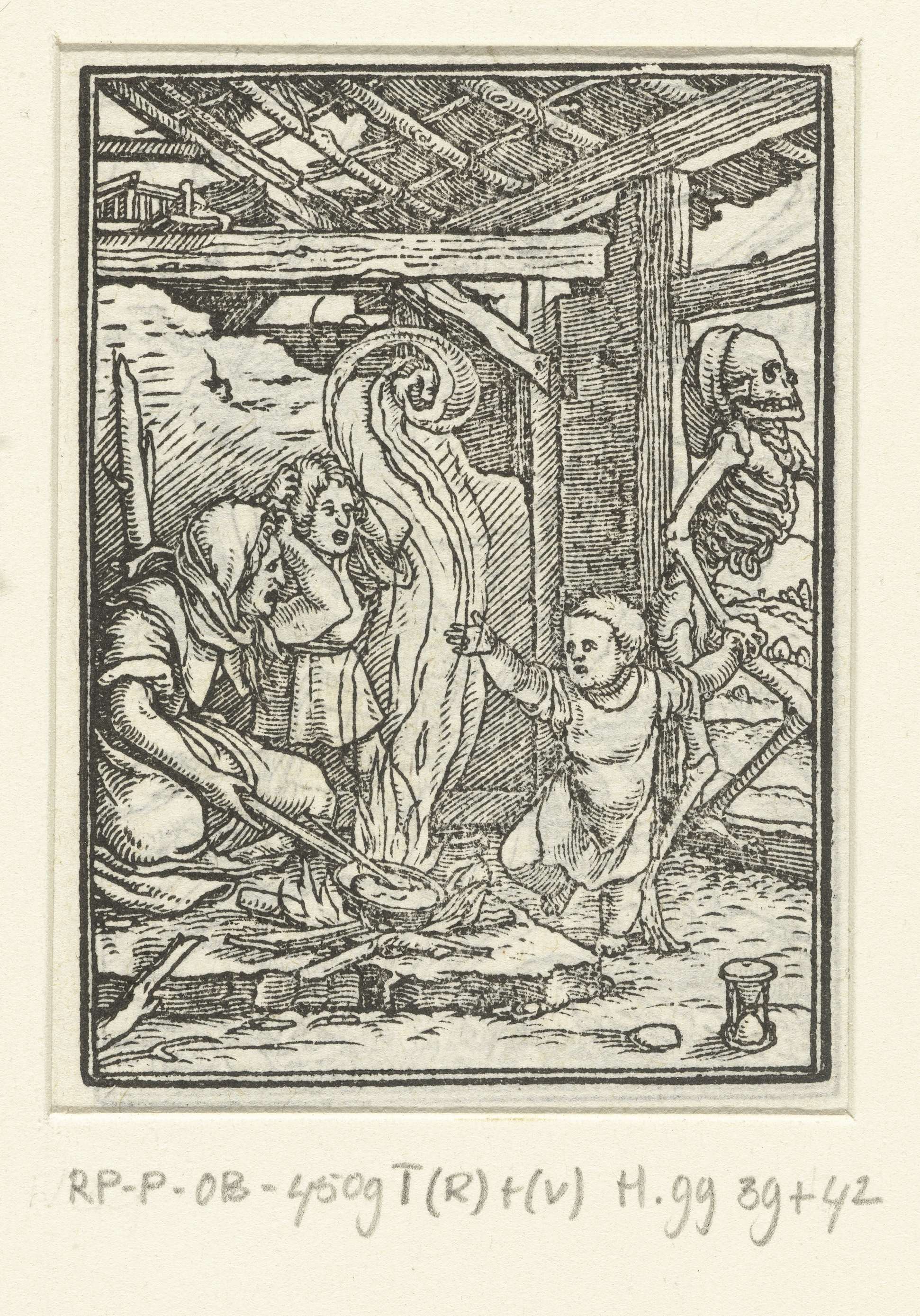
Did the painter know this moment would outlive them? In a world where colors fade and lives intertwine, the vibrant hues of his canvas breathe life into the stillness of time. Focus on the central letter "P," a striking element that draws the eye immediately. The figures of three standing children and one seated companion create a dynamic composition, their colorful garments standing out against the soft, muted background.
Notice how the artist employs rich reds, deep blues, and lush greens to evoke a sense of vitality, while expertly managing light and shadow to lend depth to each figure. The meticulous details are a testament to the artist's skill, inviting viewers to explore the expressions of the children, each a reflection of youthful innocence and curiosity. A silent dialogue unfolds within the painting, revealing the contrasts between the active stance of the standing children and the contemplative posture of the seated one. The interplay of colors suggests a harmony, yet an underlying tension resonates in the way they seem to gaze in different directions—each child's world distinct yet woven together.
These subtle gestures challenge the viewer to ponder the complexities of childhood and the emotional narratives that lie within the simplest of moments. Between 1522 and 1526, Holbein painted this work in Basel, during a period of significant artistic change. The Renaissance was in full bloom, and the artist was deeply involved in the vibrant cultural life of the city, capturing both the essence of his subjects and the evolving ideals of beauty and expression. His dedication to precision and emotional depth within the portraiture exemplifies the innovative spirit of his time, solidifying his place as one of the era's foremost painters.