L’Église de Quillebeuf — History & Analysis
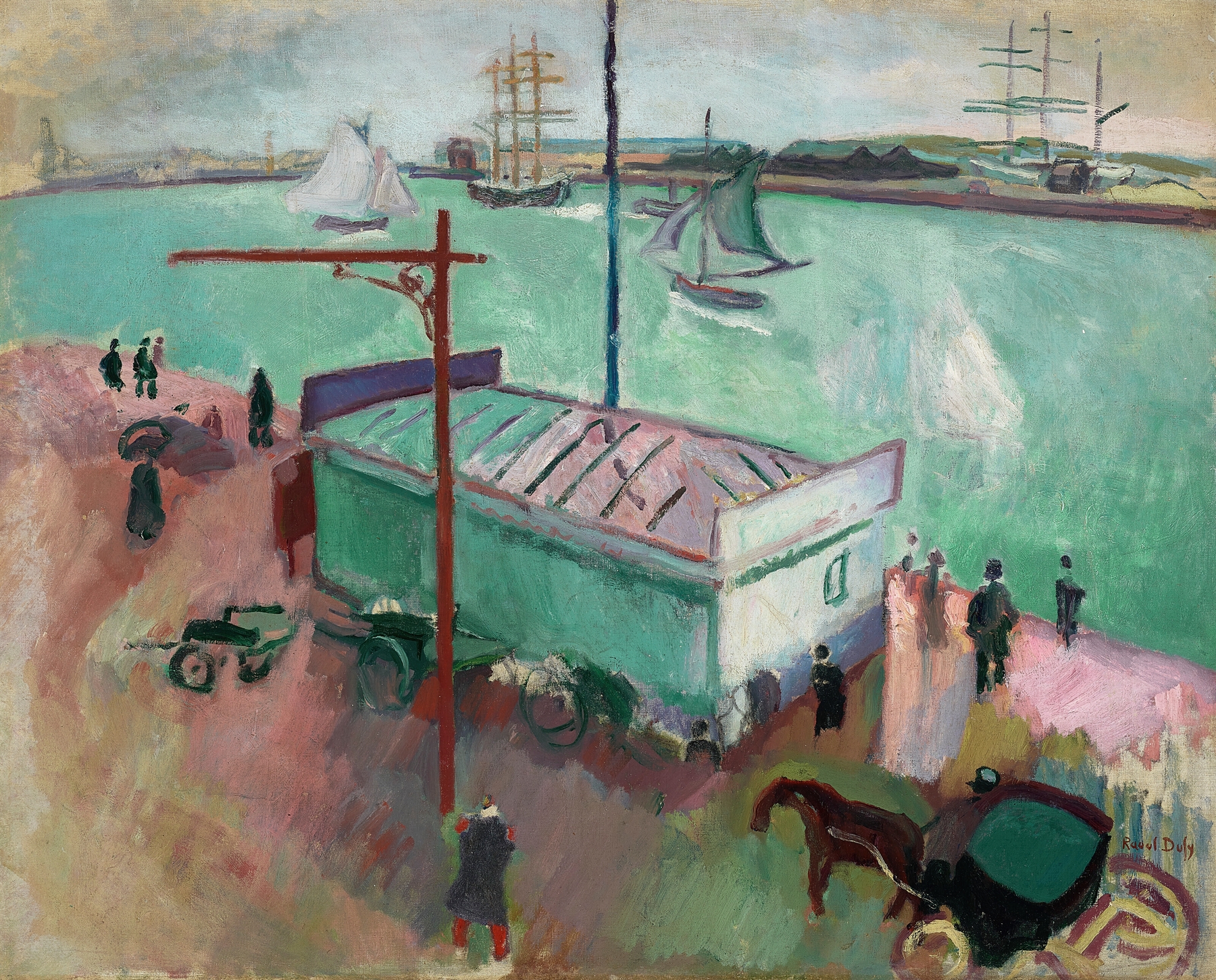
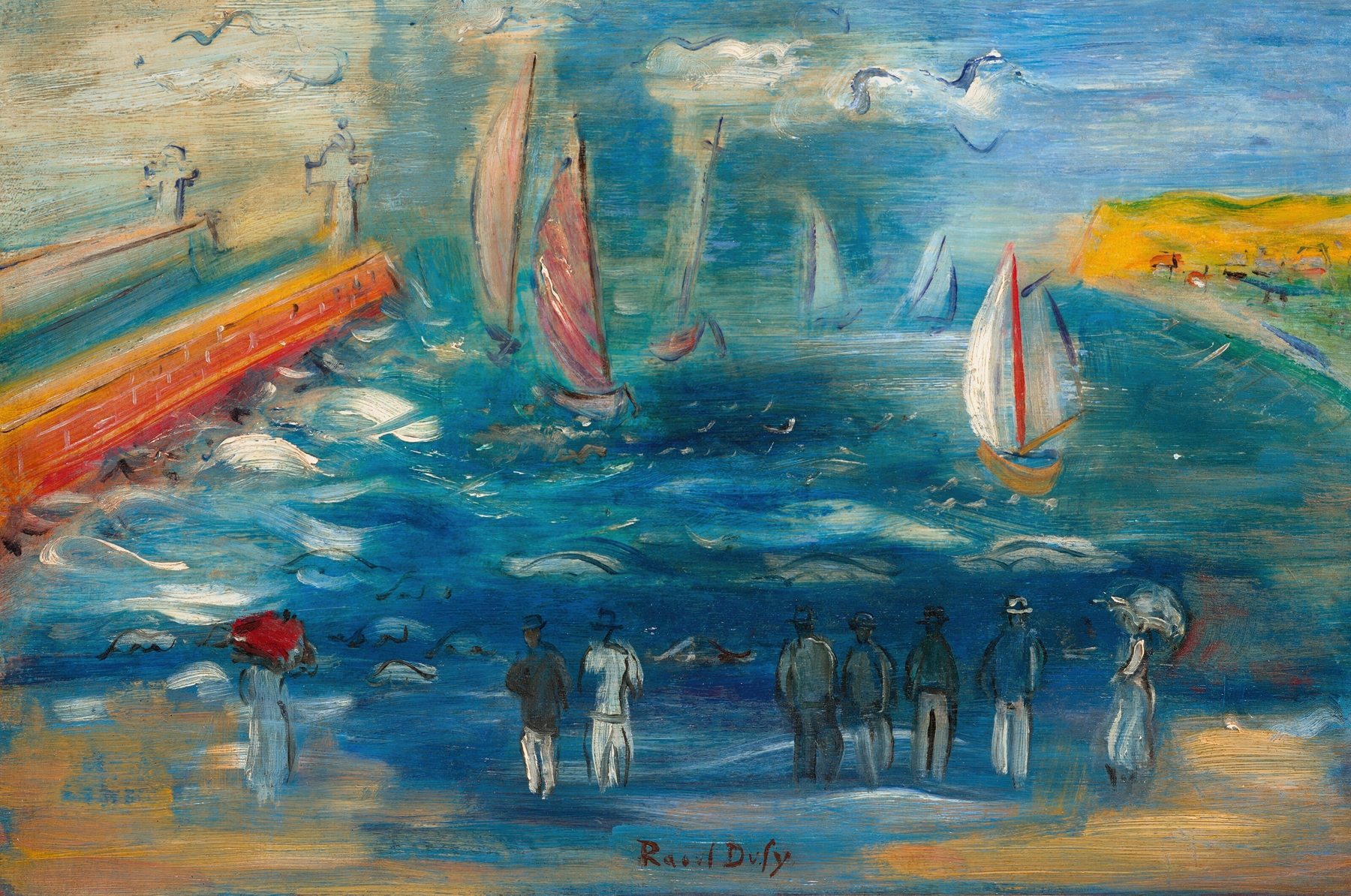
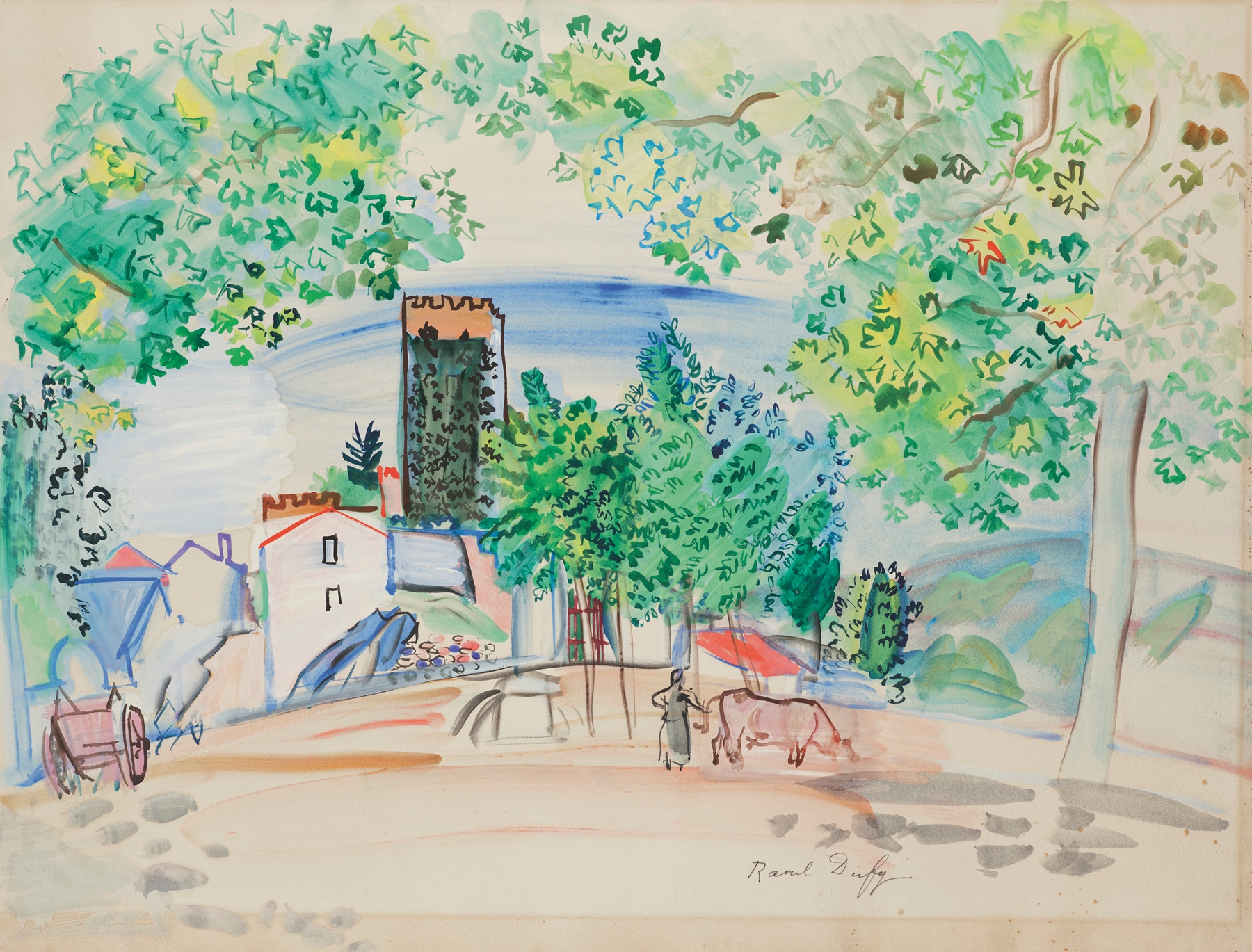
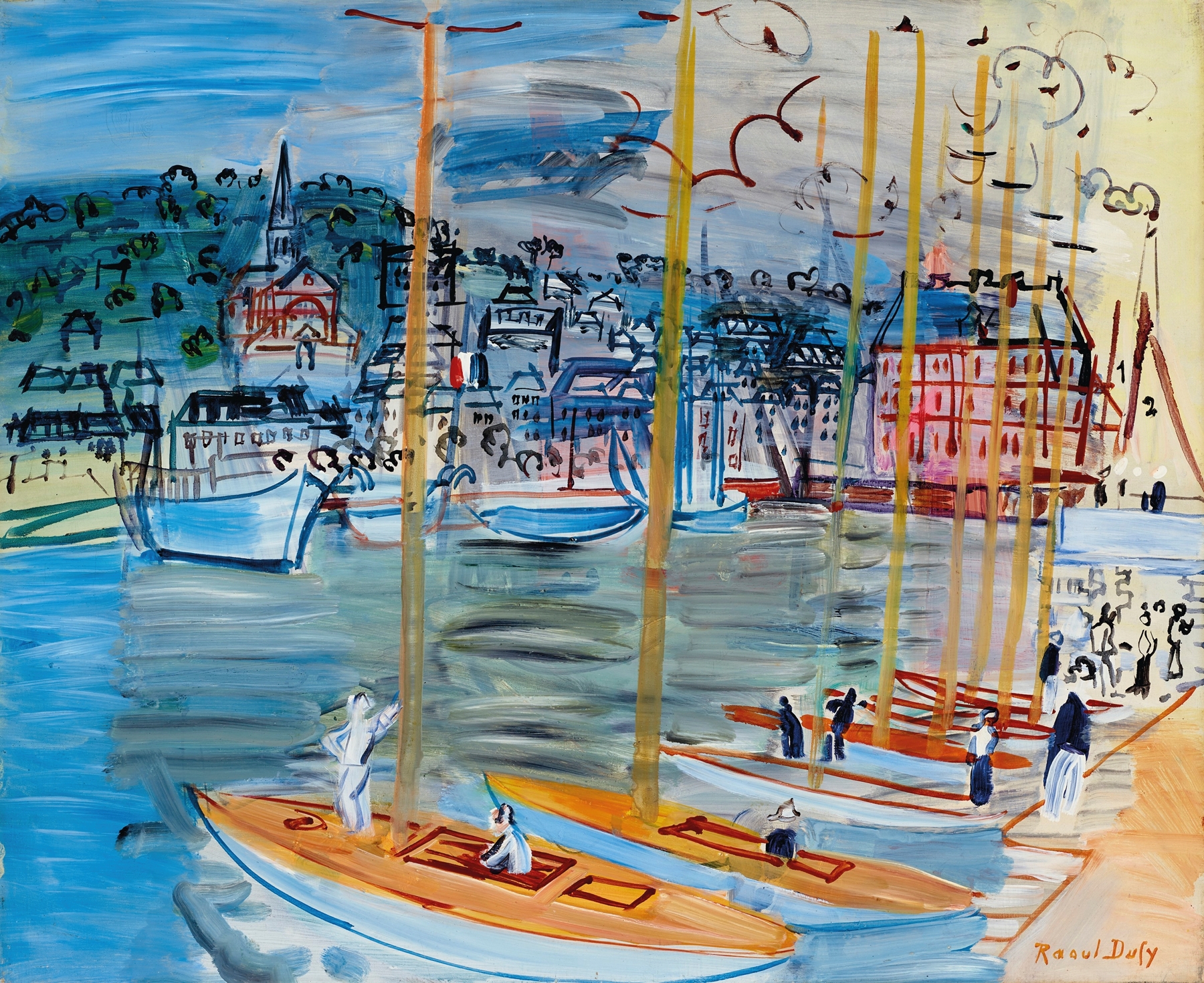
When did color learn to lie? This question lingers in the air, evoking a sense of melancholy that pulses through the brushstrokes of this vibrant piece. In a world where hues speak louder than reality, the artist invites us to ponder the truth hidden beneath layers of paint. Look to the left at the grand church, its steeple reaching skyward yet softened by a wash of pastel blues and greens. The strokes are loose and fluid, capturing the essence rather than the exactness of the structure.
Notice how the dappled light dances across the façade, creating an interplay of shadow and illumination that suggests both reverence and remoteness. The sky, awash with radiant yellows and oranges, contrasts sharply with the somber, earthy tones of the surrounding landscape, drawing the eye toward the sacred edifice at the center. Yet within this vibrant arrangement lies a subtle tension. The lively palette suggests warmth, yet the church stands solitary, almost forsaken, as if caught between the joy of a sunlit day and an impending dusk. The way the trees encroach upon the scene hints at nature's dominance over manmade constructs, while the vibrant colors betray an underlying sorrow—a longing for connection that feels just out of reach.
The juxtaposition of life and stillness invites contemplation about the passage of time and the nature of faith. Created in 1928, this piece reflects Dufy’s exploration of color as both a joyful expression and a medium for deeper emotion. At this stage in his career, he was heavily influenced by Fauvism, and the post-war period marked a transition in his works—moving toward a more introspective use of color, even while delighting in the vibrancy of life. As he painted in the calm of his studio, the world around him was grappling with change, echoing the complexities laid bare in this captivating piece.