Limehouse — History & Analysis
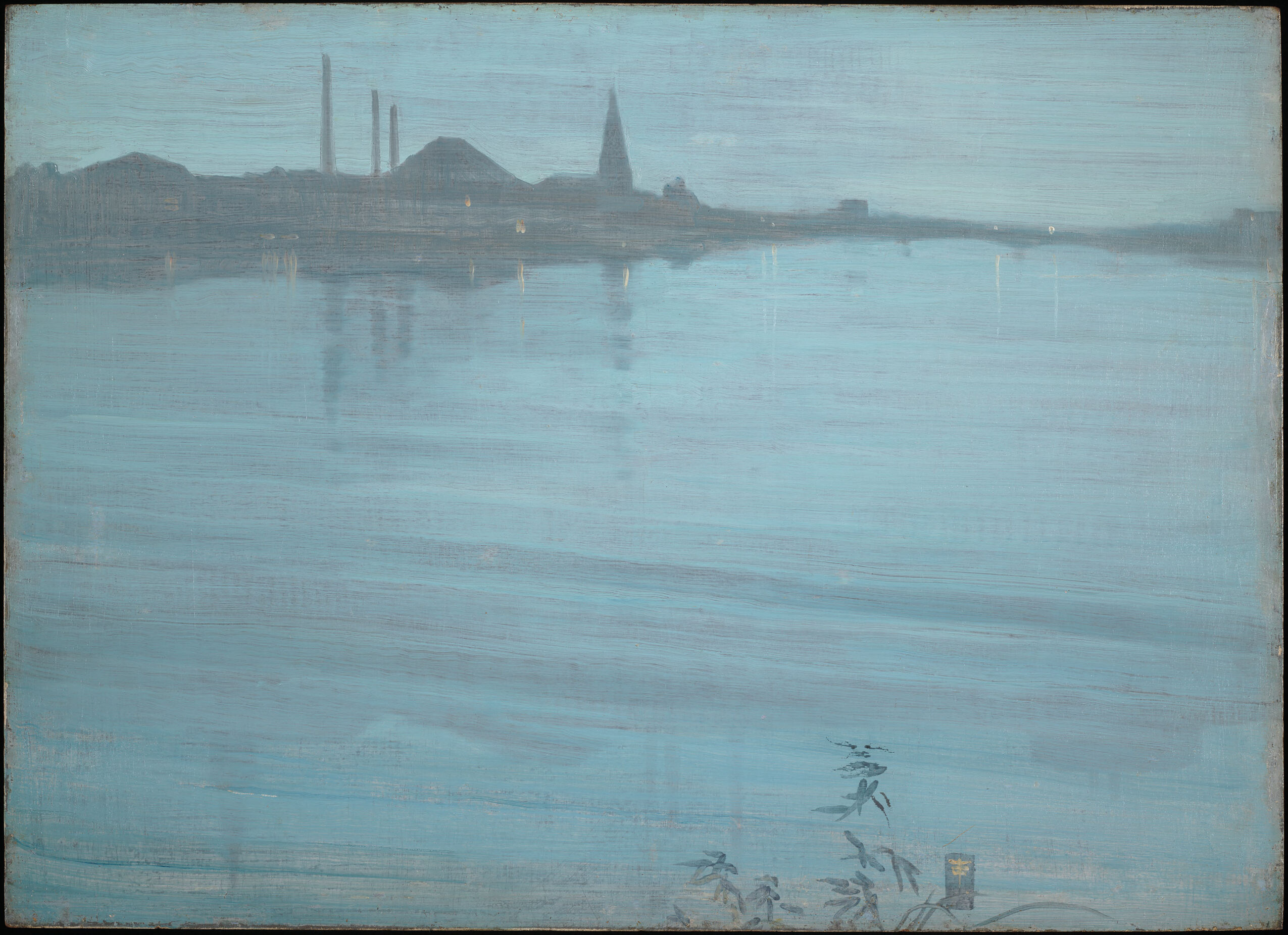
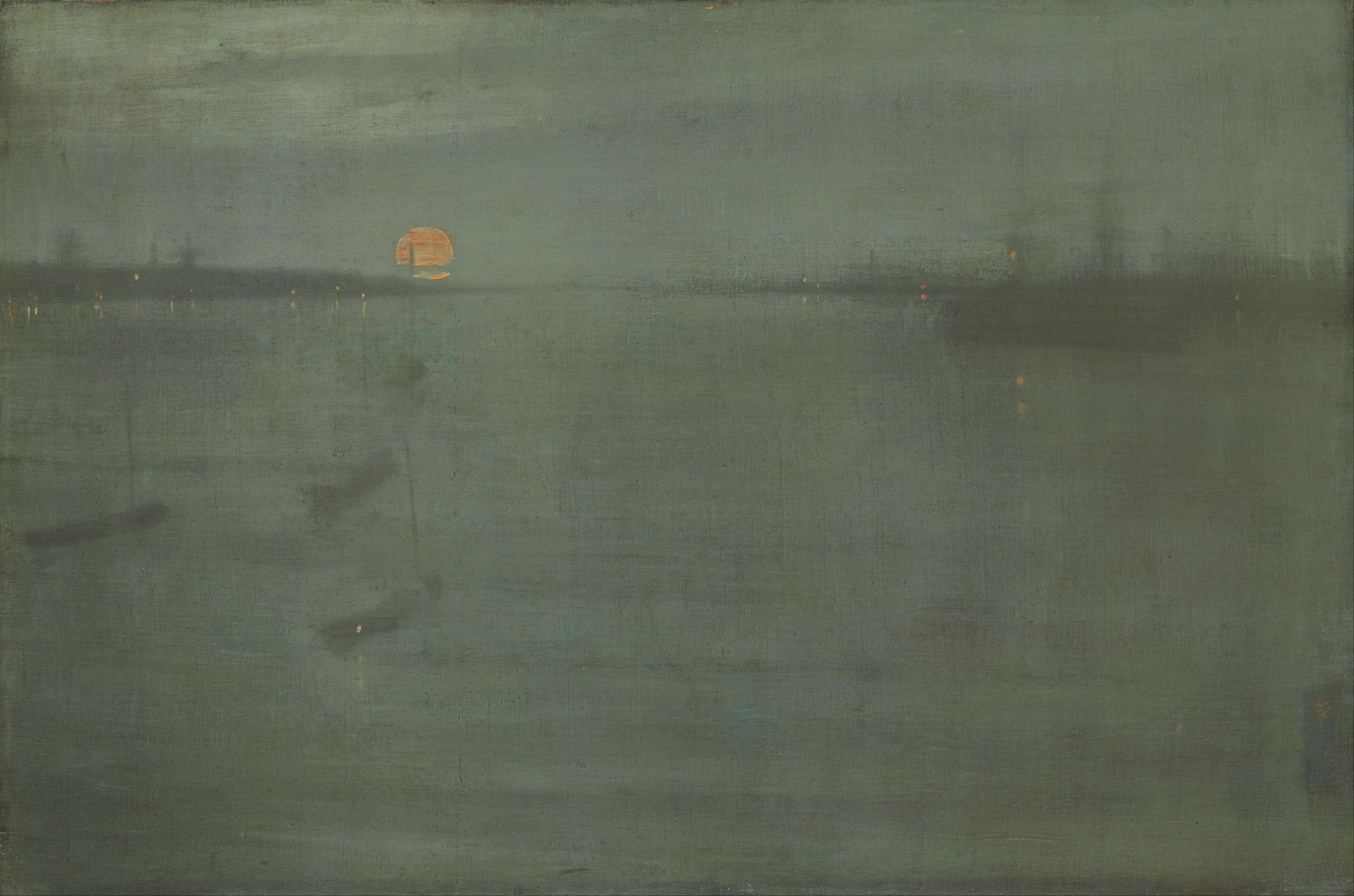
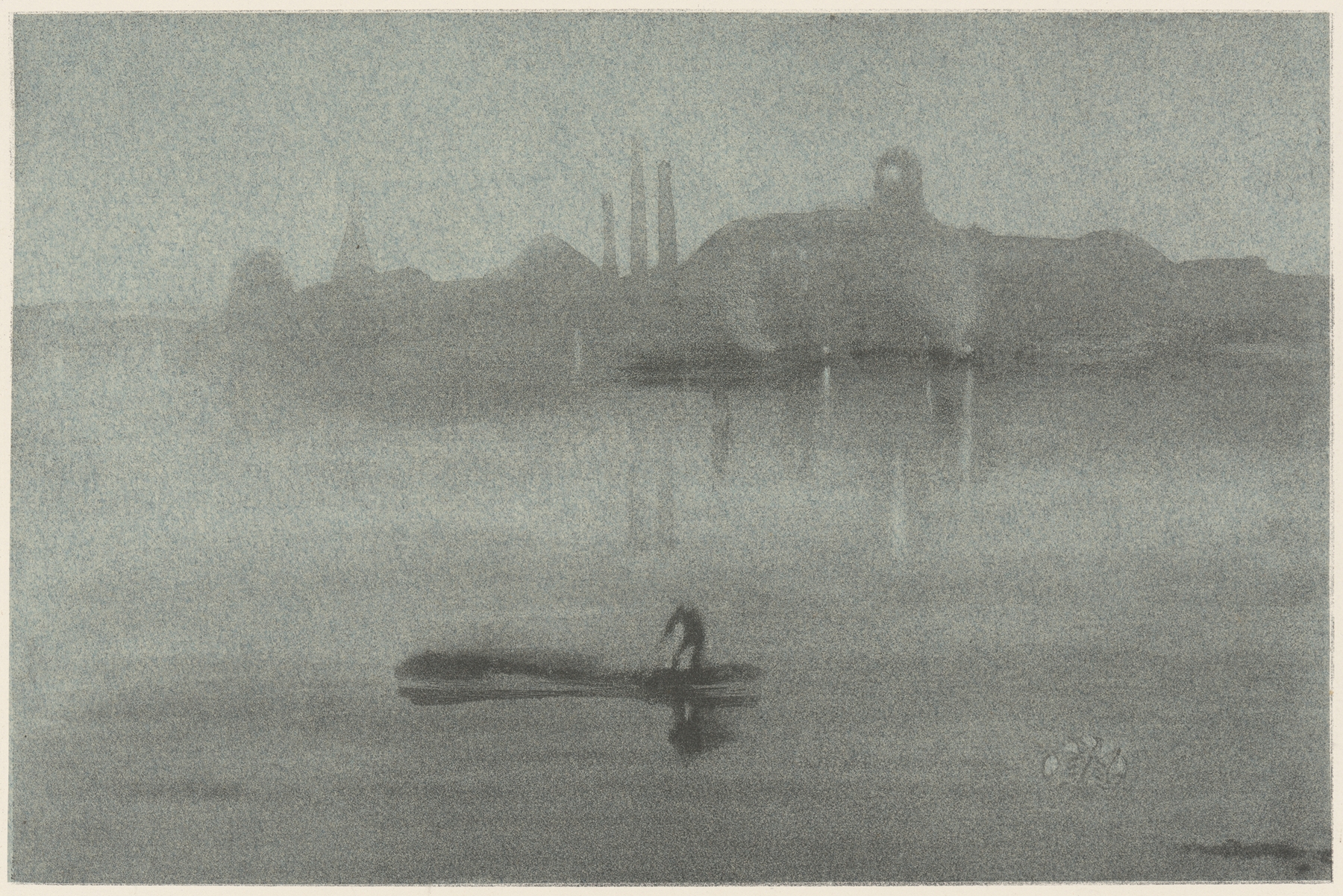
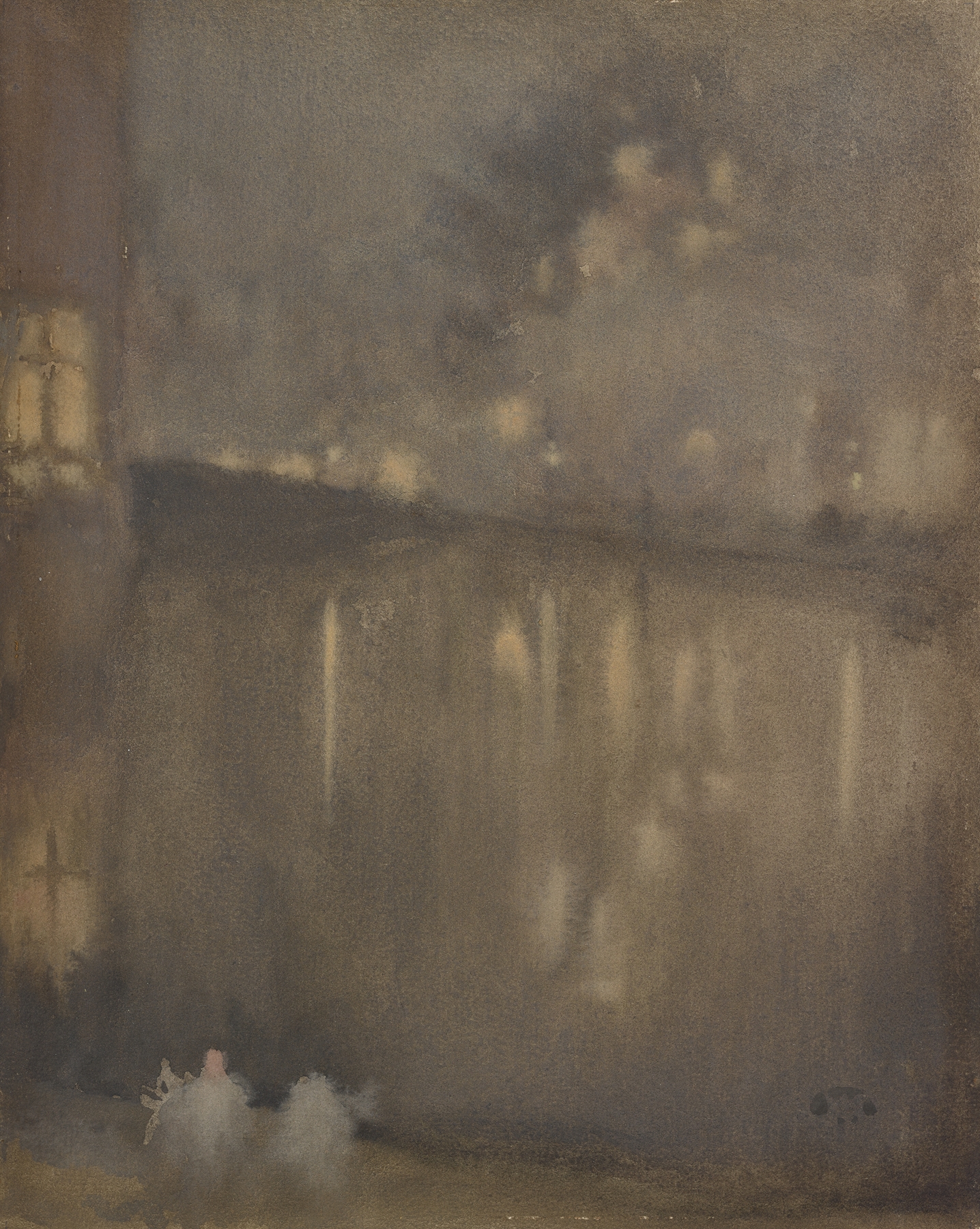
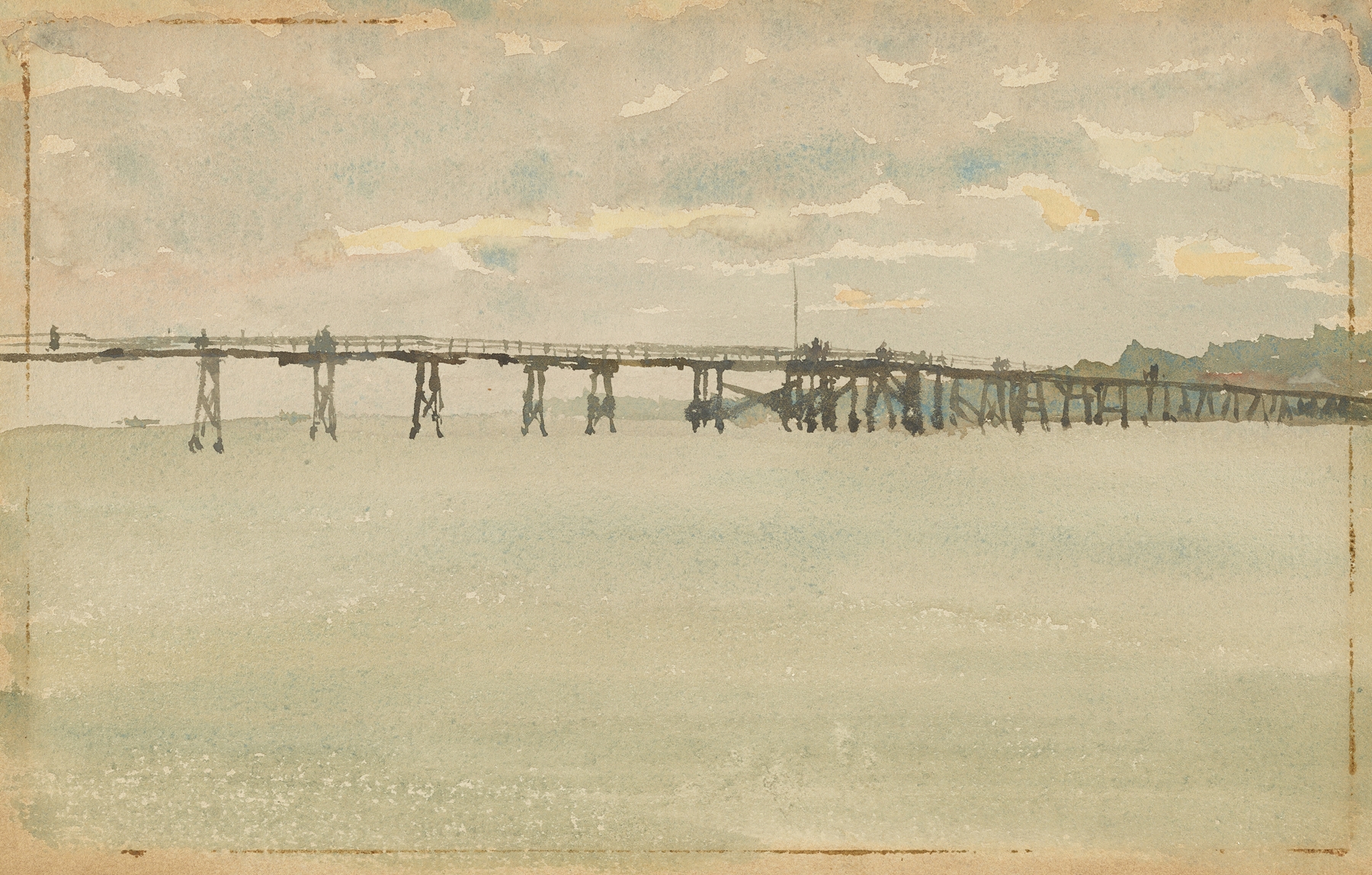
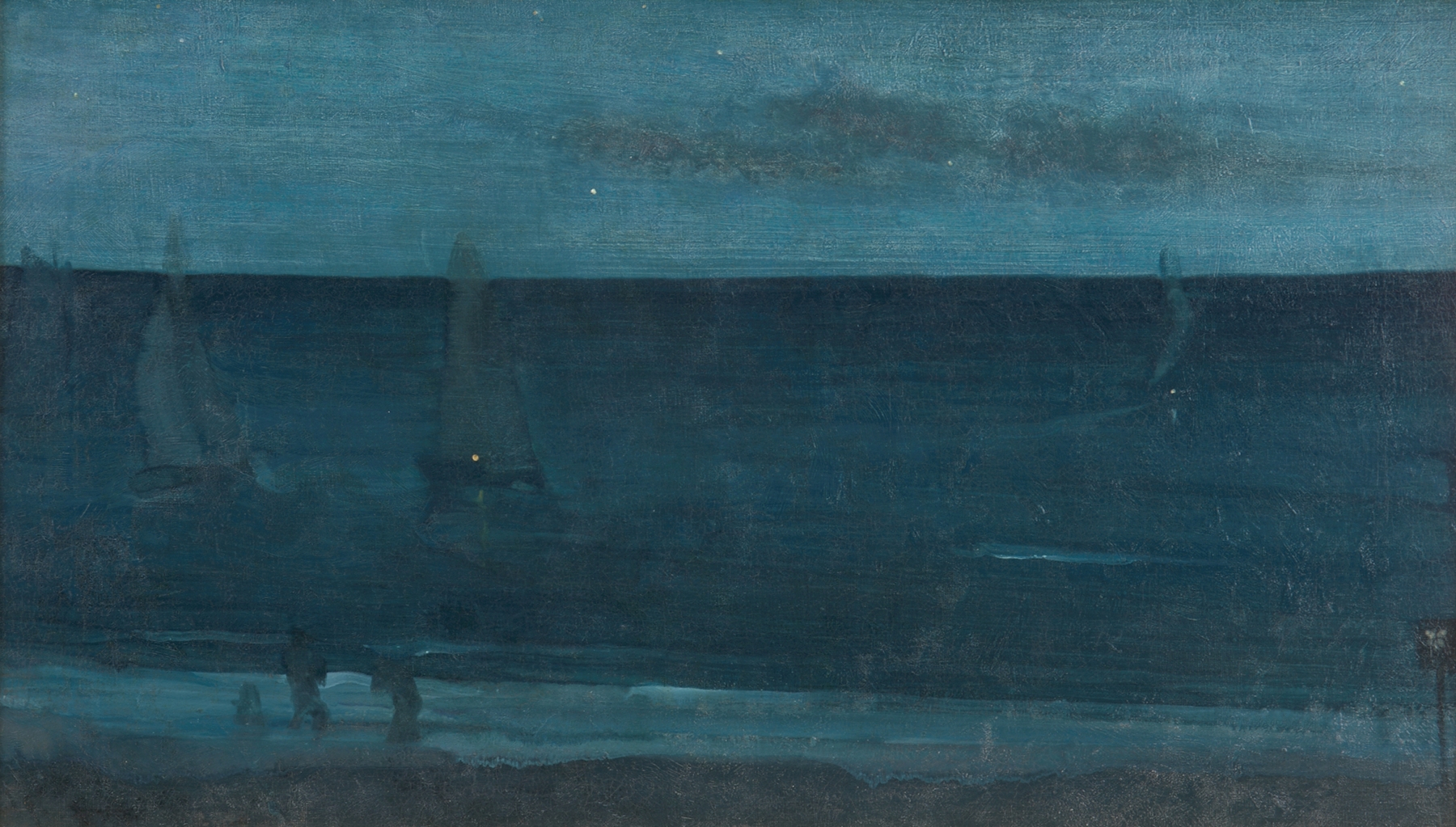
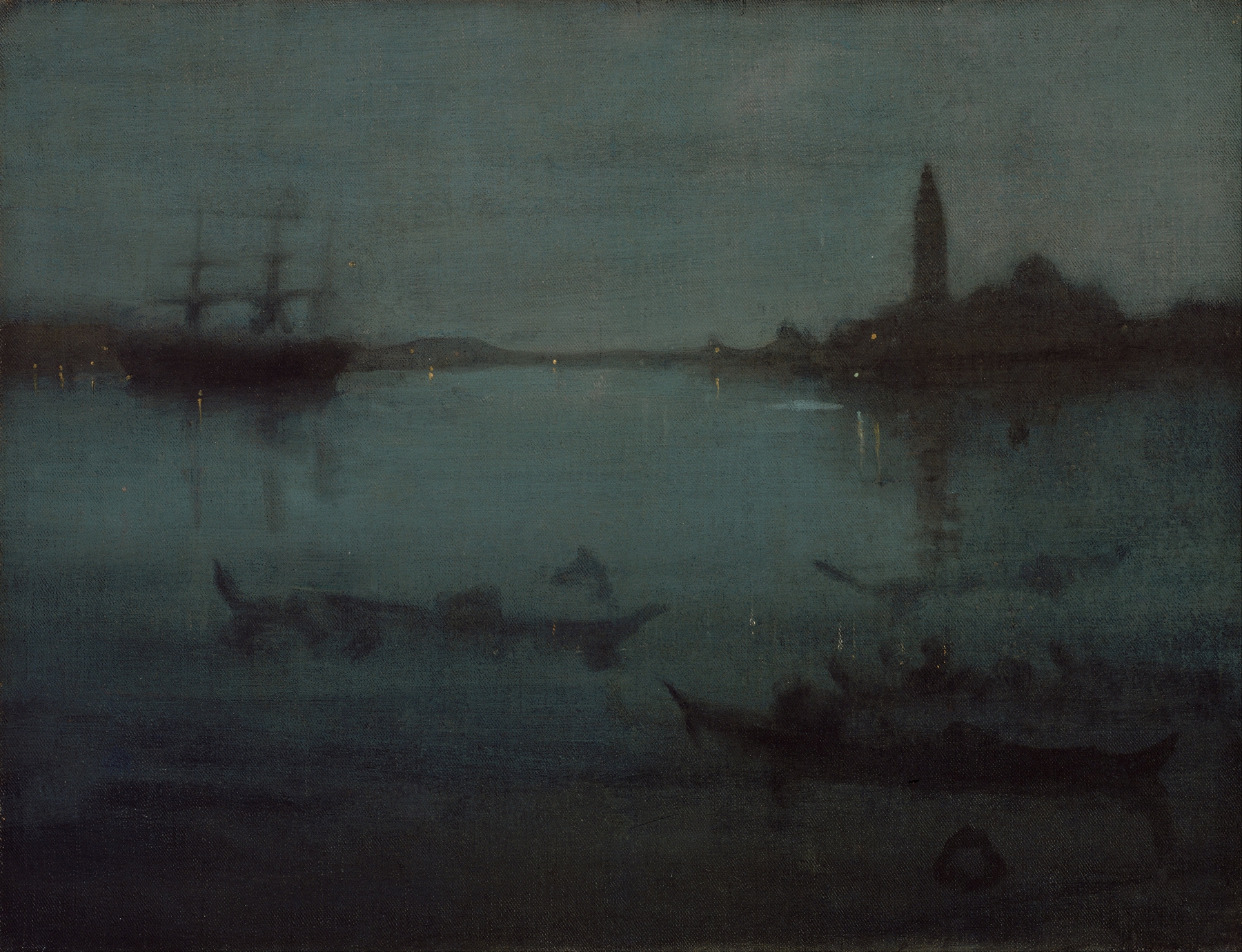
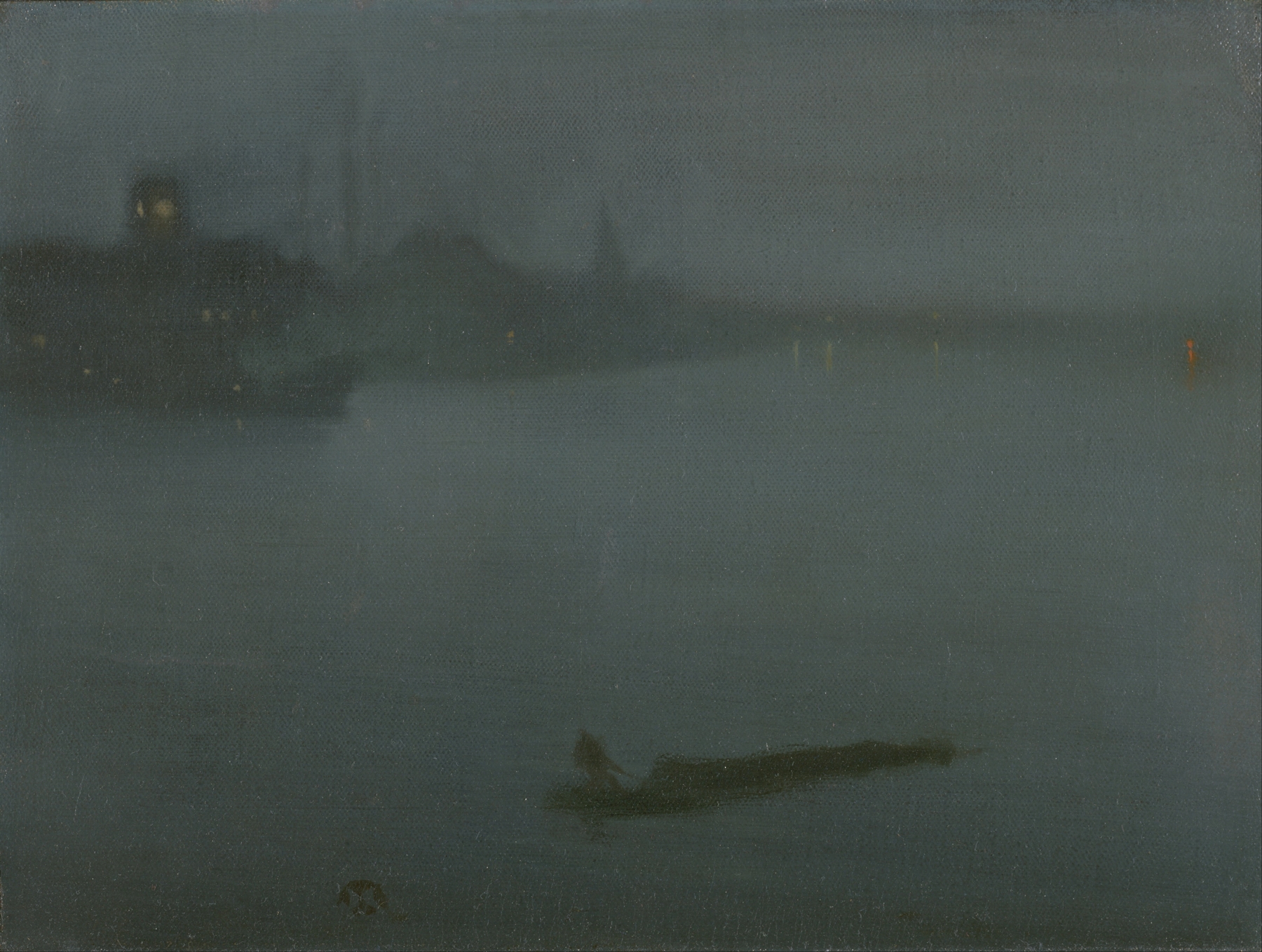
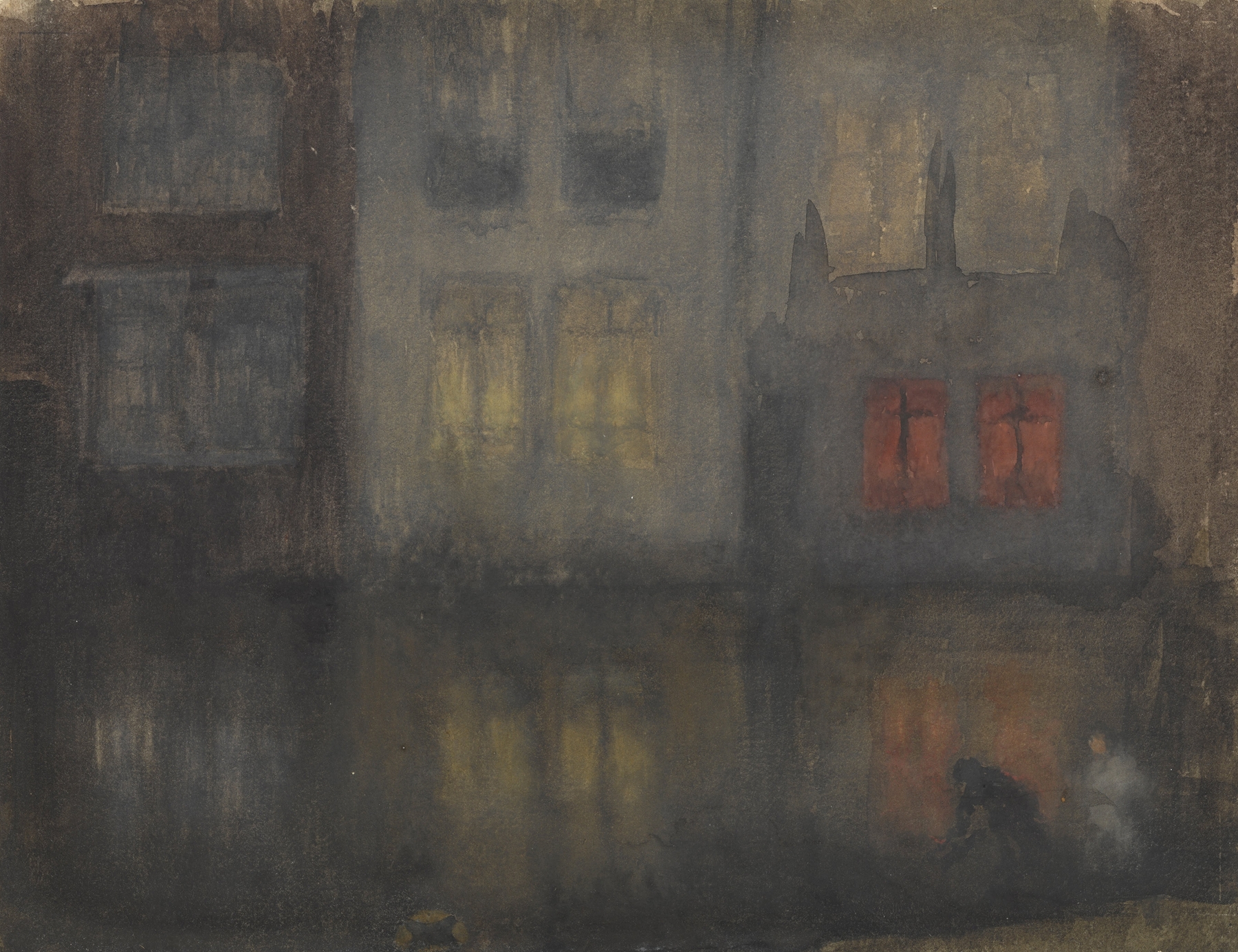
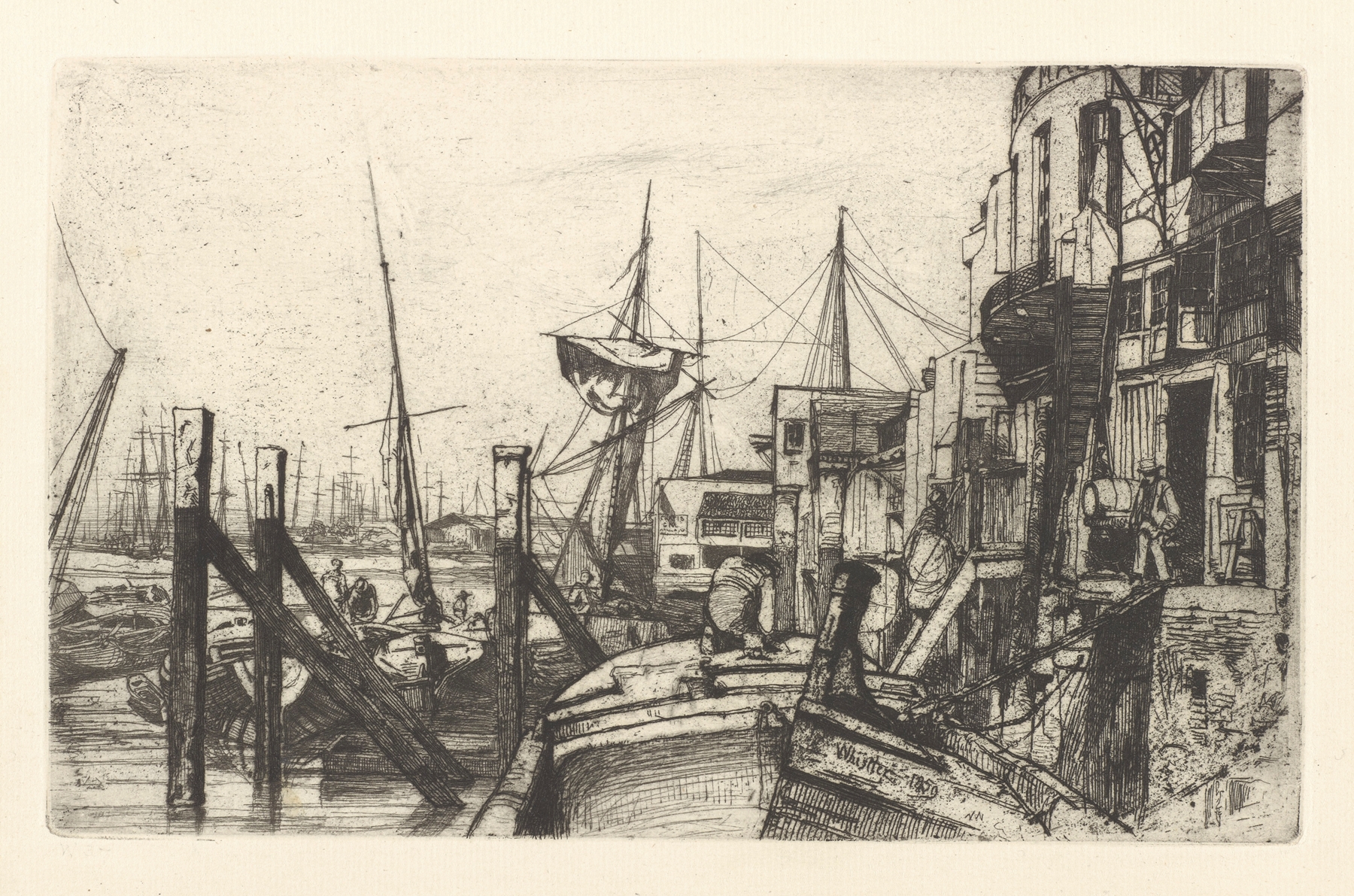
Could a single brushstroke hold eternity? In Limehouse, the tension of fear intermingles with beauty, challenging the viewer to confront the depths of human experience. Look to the left at the darkened silhouettes of buildings, their forms looming like ancient sentinels watching over the scene. The muted palette of grays and blues creates a moody atmosphere, while soft, ephemeral wisps of fog dance in the background, blurring the edges where reality and imagination intertwine.
Notice how the light flickers in the water, reflecting not just the infernal glow of the industrial age but also the anxieties of progress that haunted Whistler’s time. Within this composition lies a profound contrast between the calm surface of the river and the chaotic energy of the boats bobbing in the foreground. Each vessel represents a fleeting moment of existence, bound by the currents of life and time. The unsteady strokes of the brush evoke a sense of instability, capturing both the vibrancy and the fragility of the world.
Here, in the interplay of light and shadow, Whistler reveals the delicate dance between beauty and fear, reminding us that even in moments of splendor, darkness lurks just beneath the surface. In 1859, Whistler was deeply immersed in his artistic pursuits in London, where he was influenced by the burgeoning Impressionist movement. The industrial landscape of Limehouse reflected the rapid changes occurring in society, both in art and in daily life. His exploration of urban themes signaled a shift towards modernity, as he grappled with the complex emotions elicited by the gritty yet captivating environment surrounding him.