Little Wapping — History & Analysis
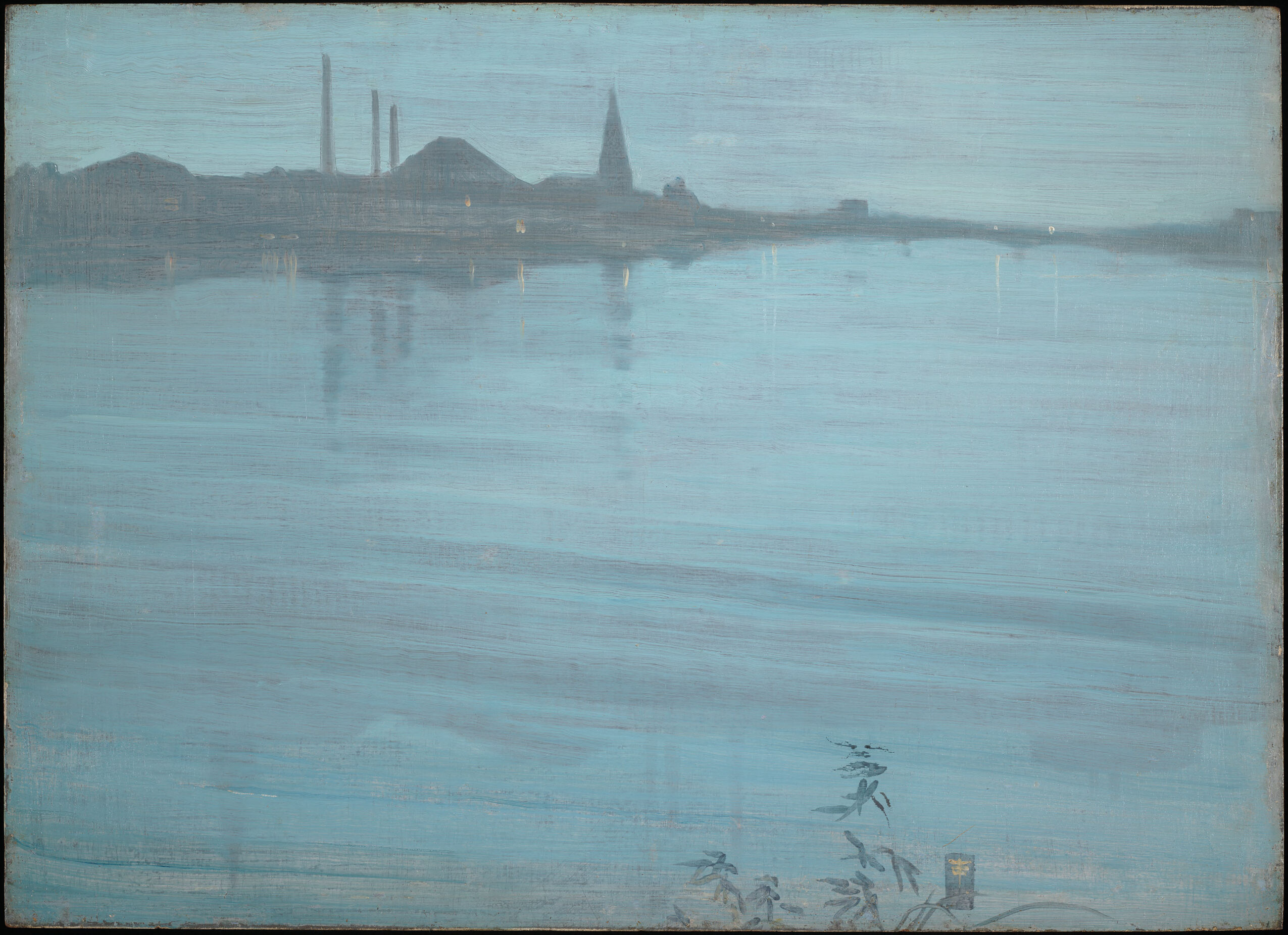
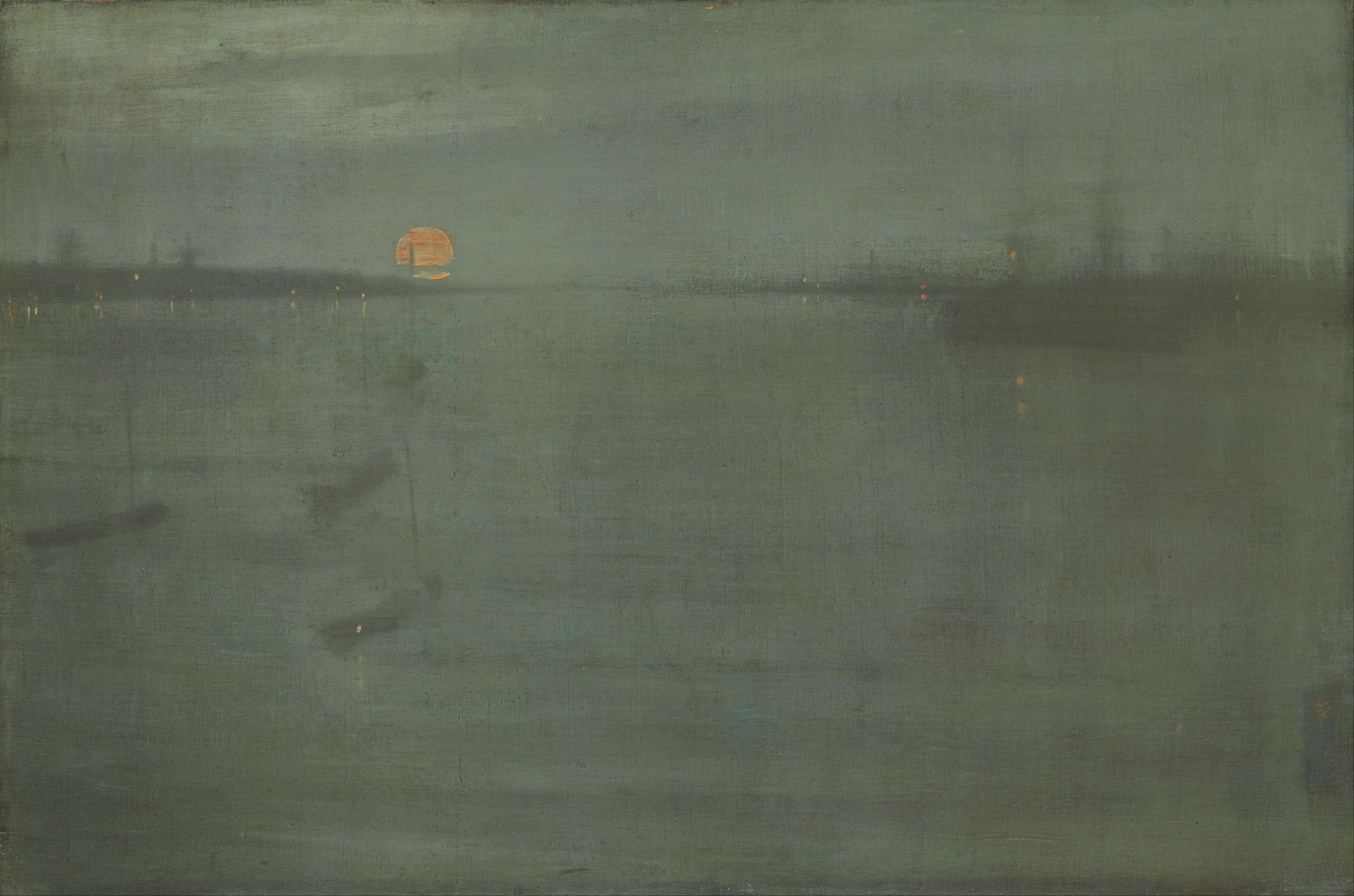
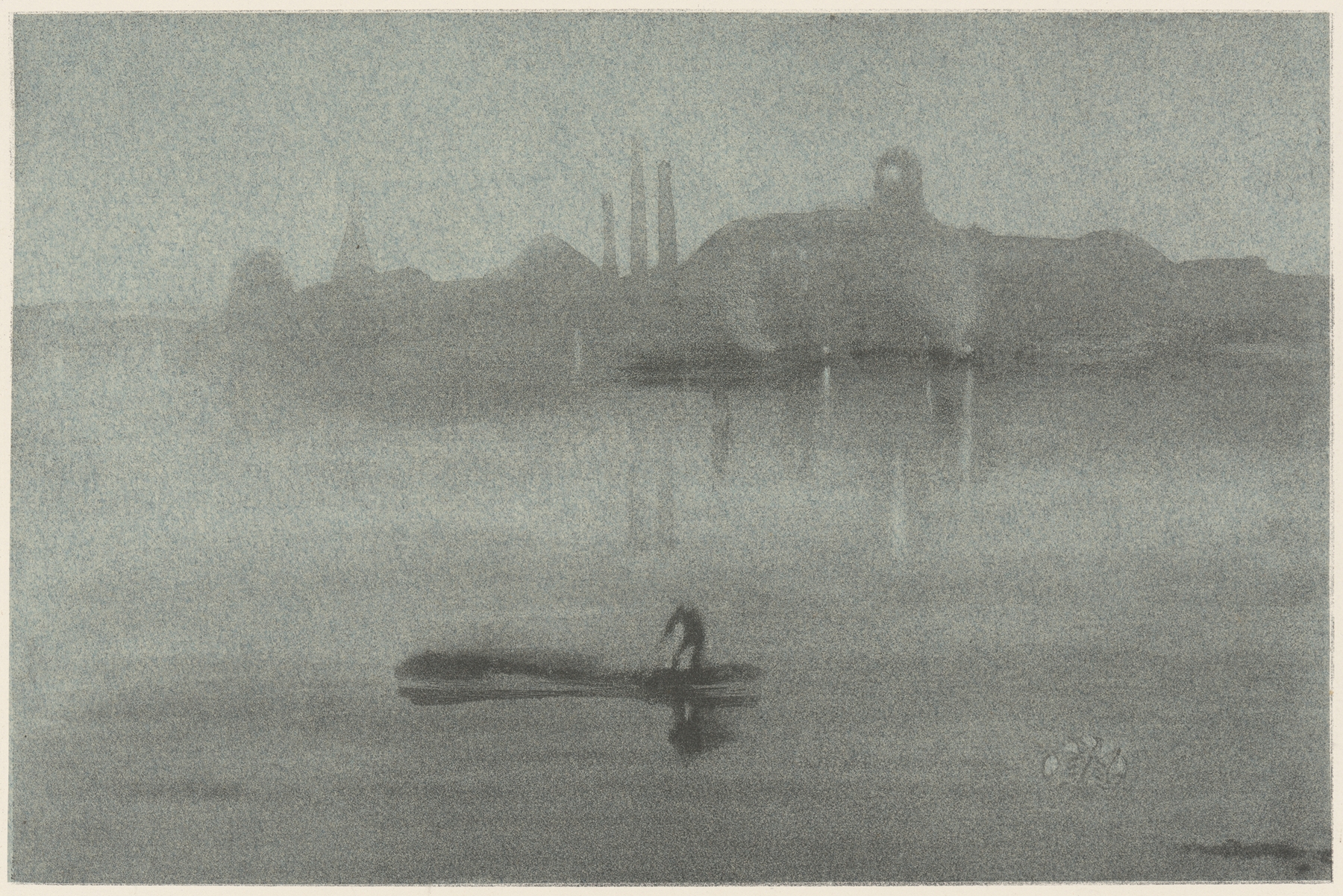
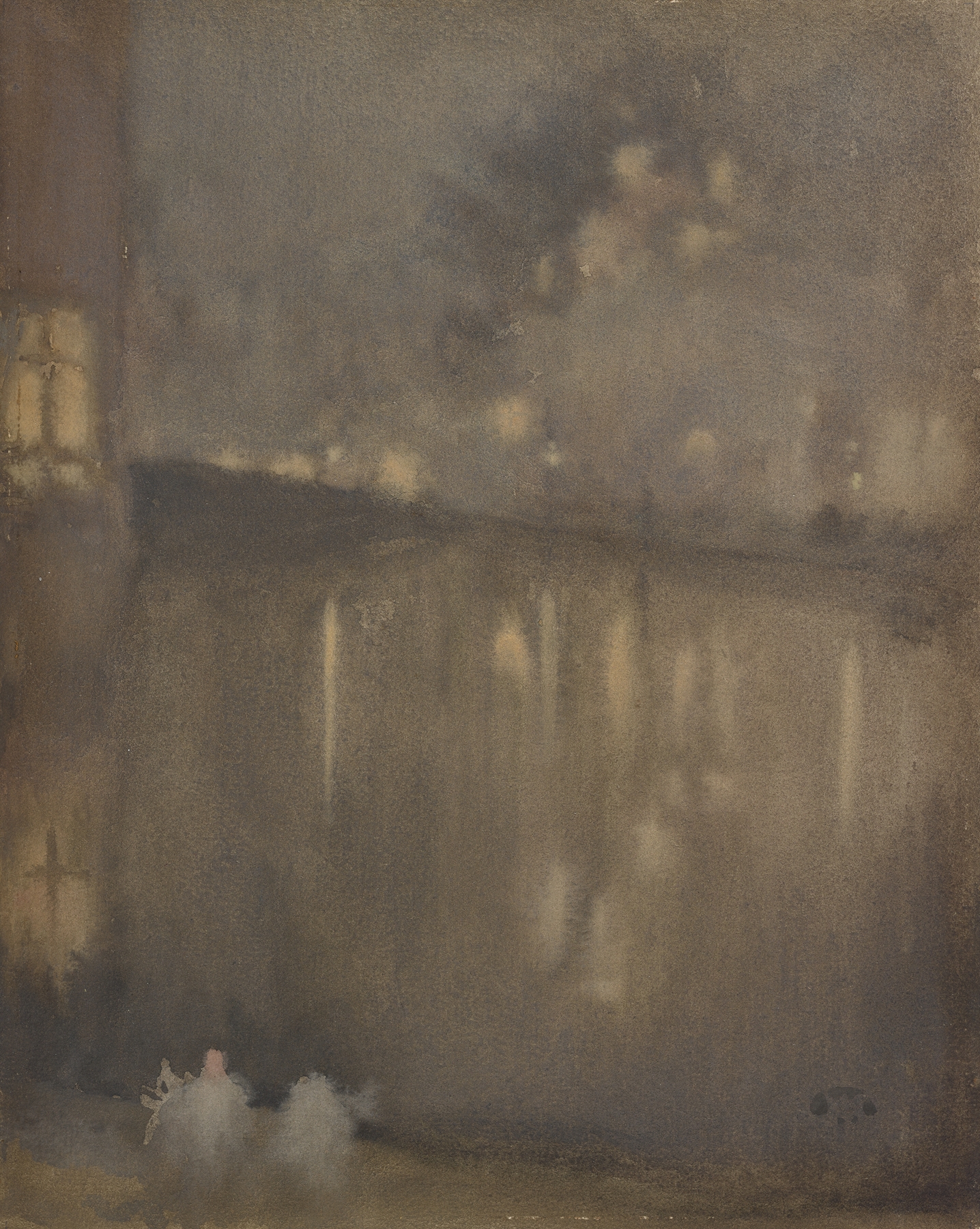
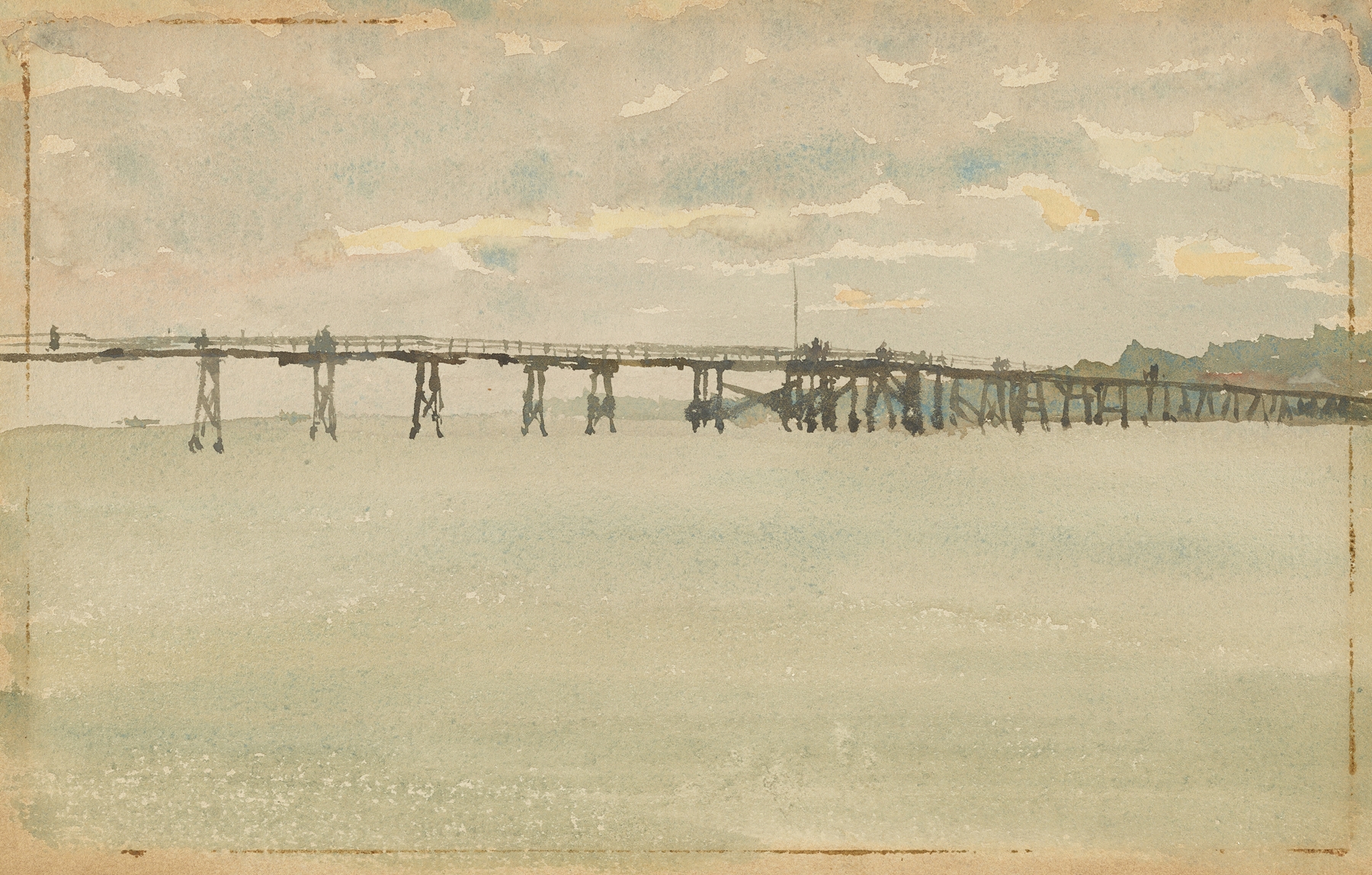
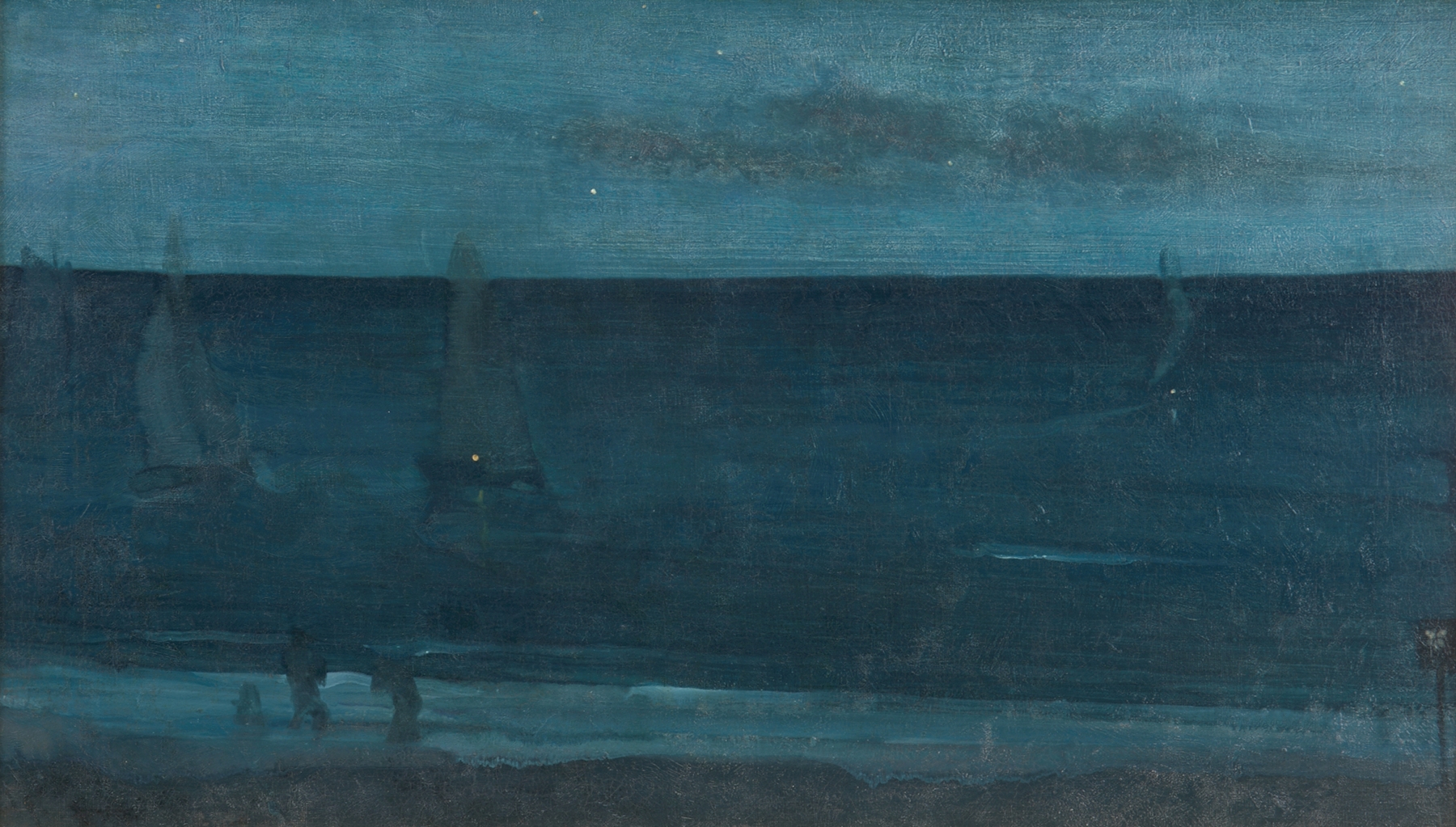
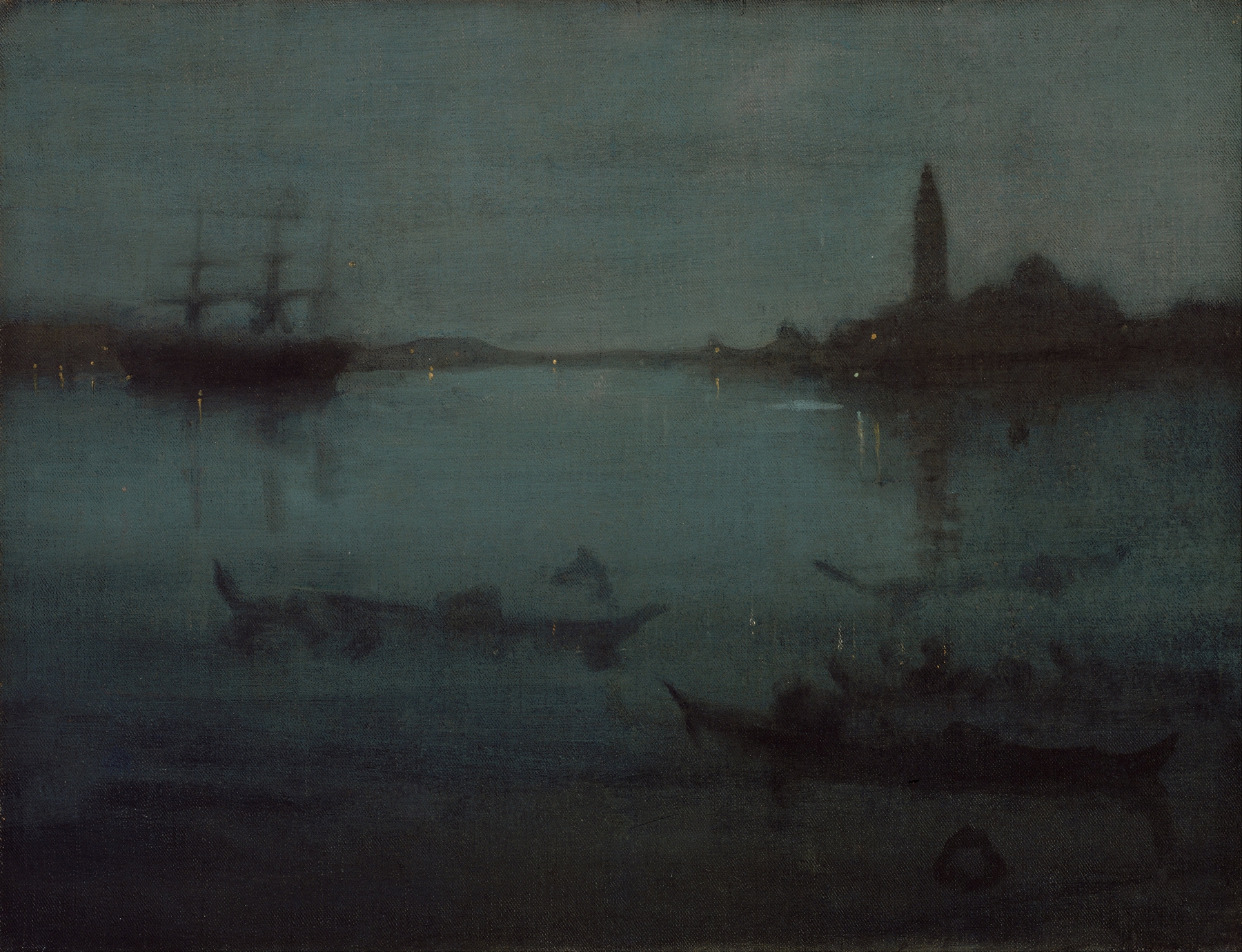
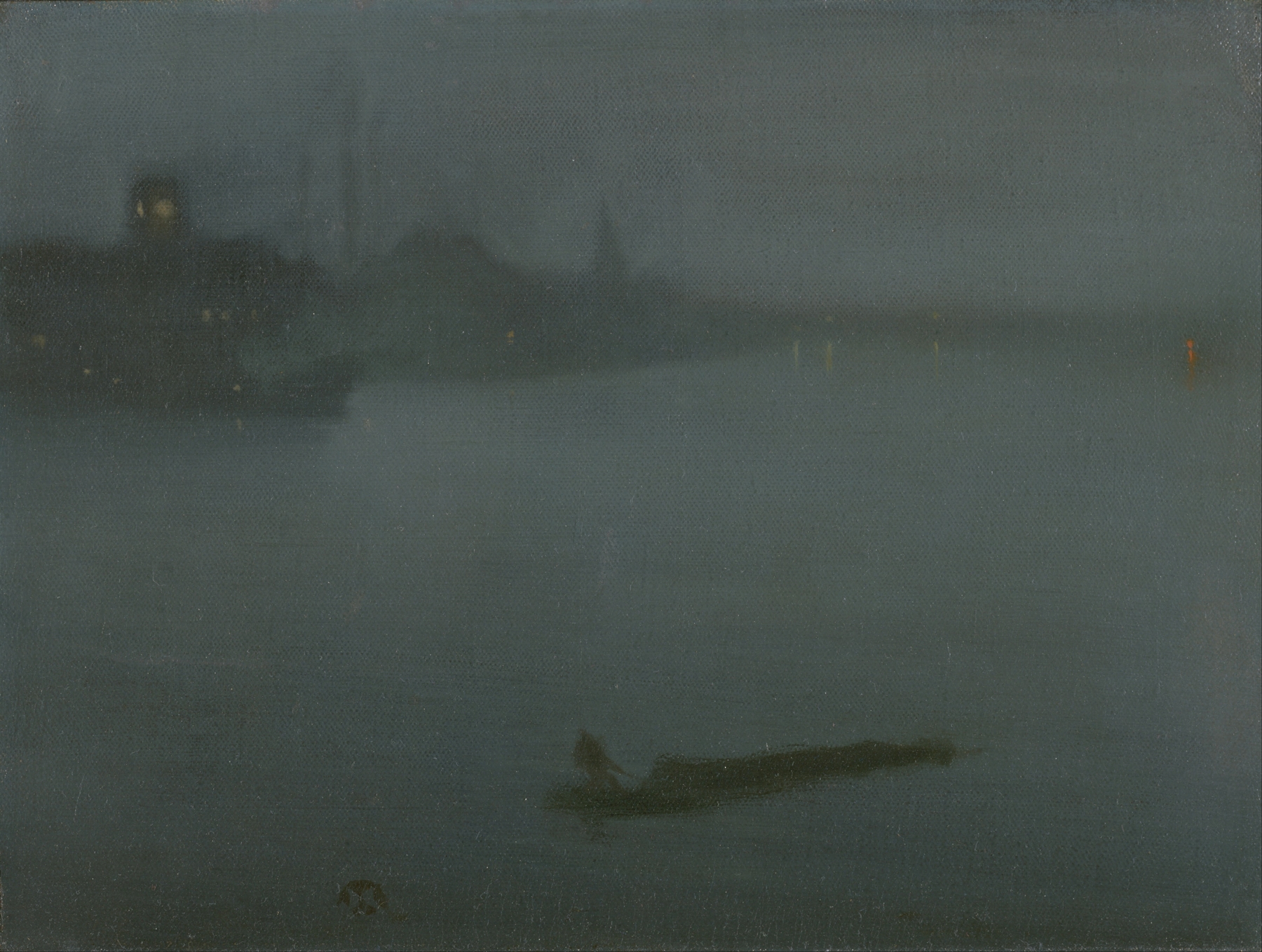
“Every silence here is a confession.” In the stillness of Little Wapping, destiny unfolds in the delicate balance of light and shadow, whispering secrets of a place caught between time and transformation. Look to the center of the canvas, where the graceful contours of the river flow, drawing our eyes in as reflections dance upon the water’s surface. The muted palette of blues and greys evokes a sense of melancholy, while soft strokes blend together, creating a dreamlike atmosphere. Notice how the boats, mere silhouettes against the backdrop, hint at lives intertwined with the ebb and flow of the tide, their forms barely discernible, yet brimming with poignant stories waiting to be told.
At first glance, the scene appears tranquil, yet it brims with emotional undercurrents. The juxtaposition of the still water and the slight ripples suggests an undercurrent of change and uncertainty. The figures, although small and indistinct, embody the weight of existence in a world shifting around them, their presence a reminder of the fragility of human endeavor against the relentless march of destiny. The overall composition invites reflection on what lies beneath the surface, revealing the unspoken narratives woven into the fabric of everyday life.
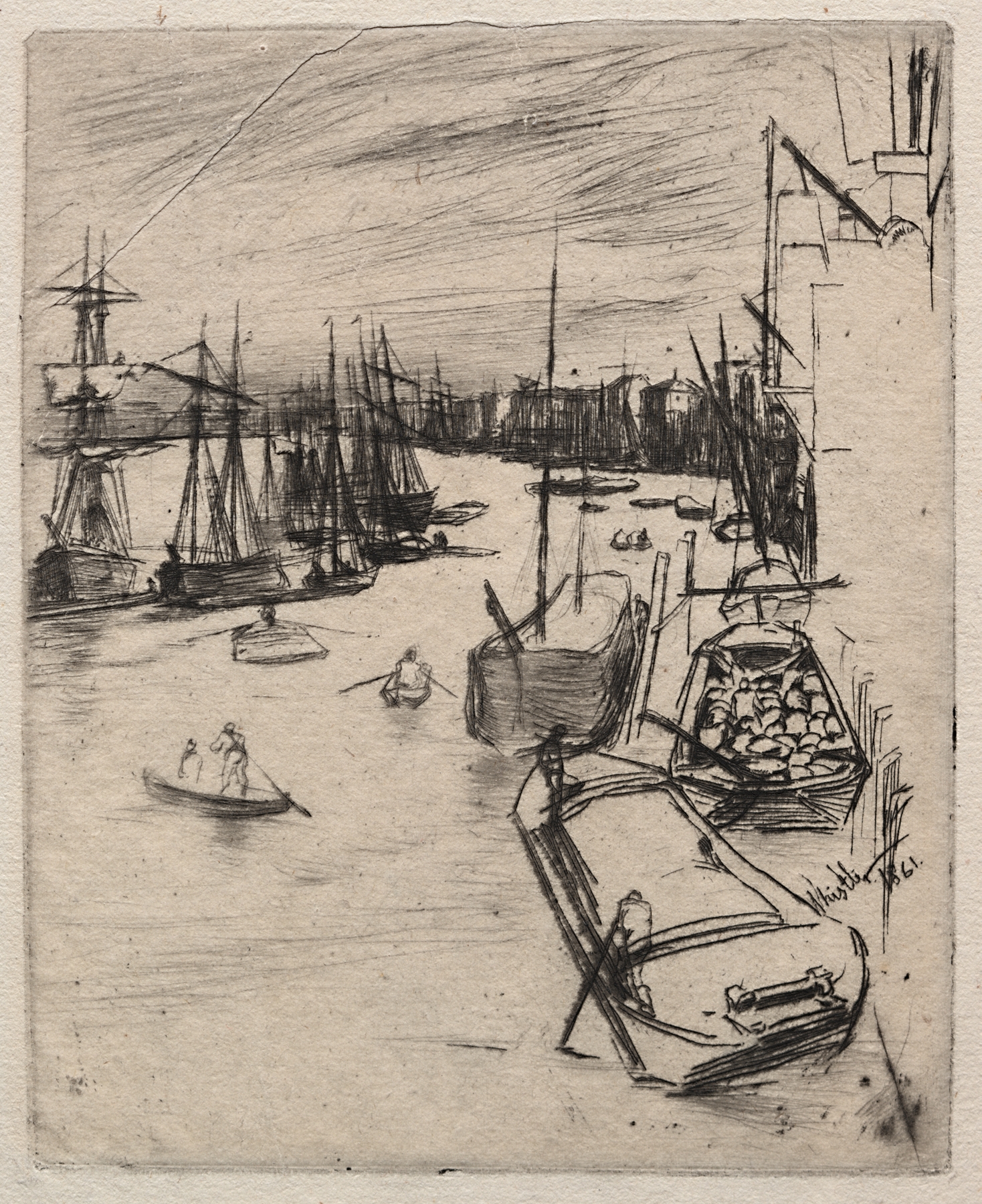
In 1861, Whistler painted this piece during his time in London, grappling with his burgeoning identity as an artist. The influence of Japanese aesthetics and the growing Impressionist movement infused his work, as he sought to capture the essence of his surroundings with a fresh perspective. Amidst a city shifting with industrial progress, Little Wapping serves as a moment of introspection, a testament to the artist’s contemplation of place, identity, and the quiet unfolding of fate.