Londres, le Parlement — History & Analysis
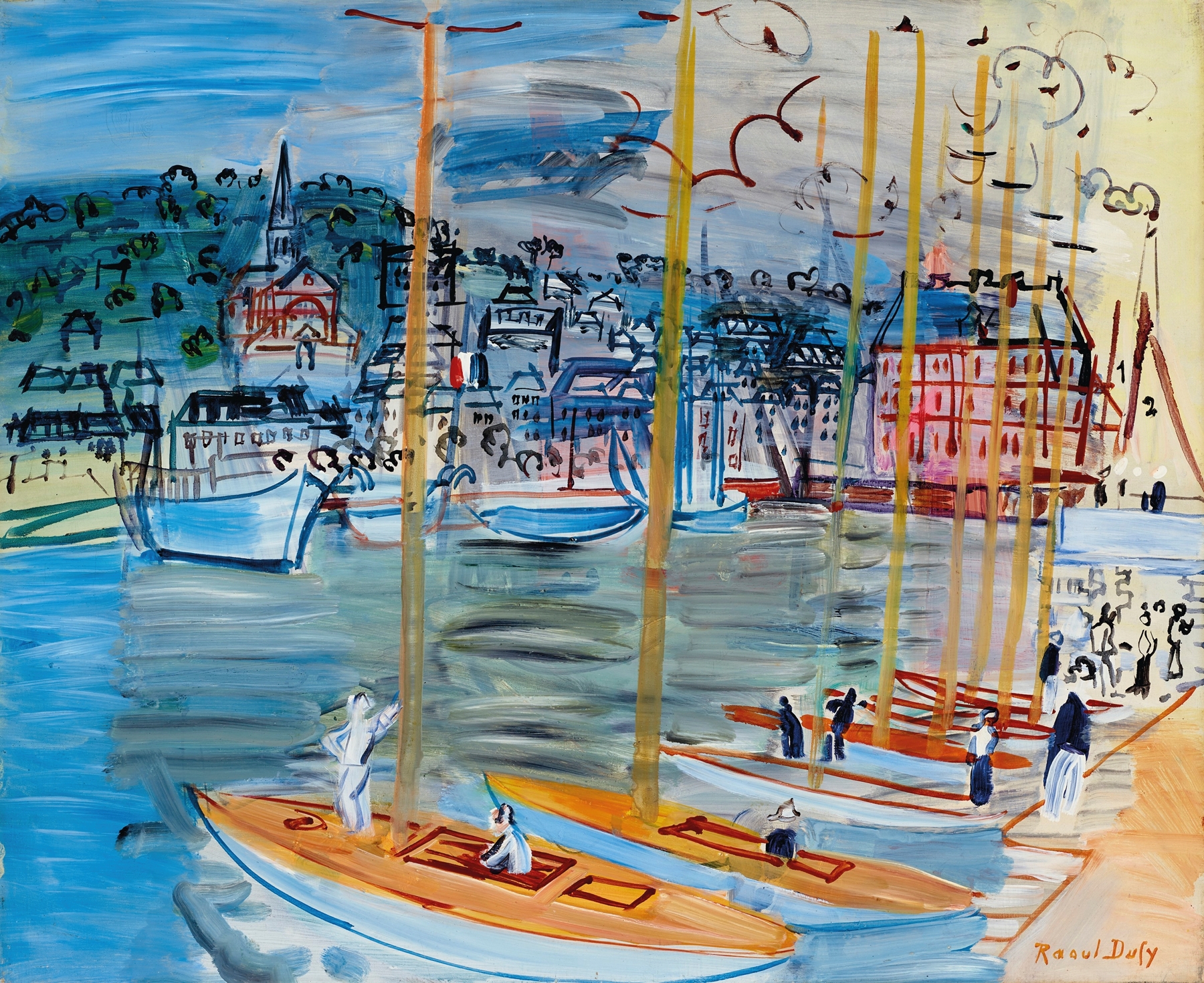
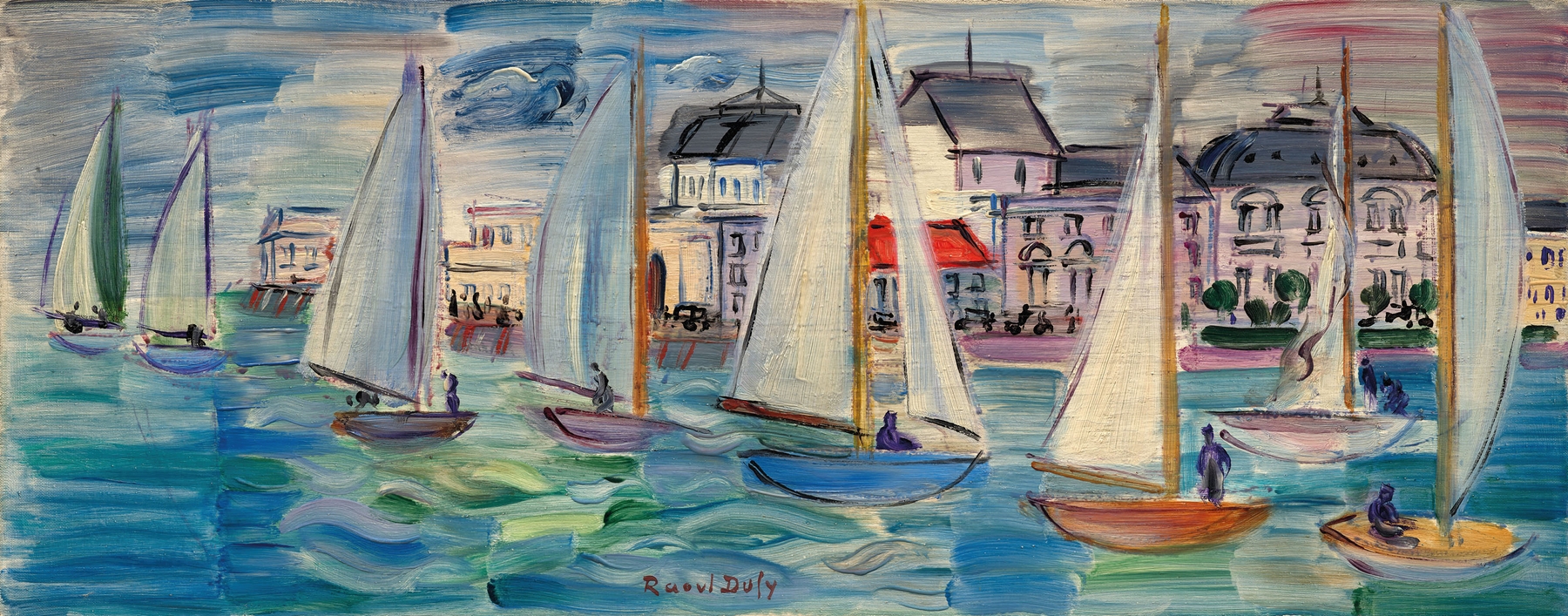
Can beauty exist without sorrow? In the delicate brushstrokes of a bygone era, nostalgia weaves through every detail, evoking a bittersweet longing for moments lost. Focus on the sweeping blue sky that gently embraces the iconic silhouette of the Houses of Parliament. Notice how the light dances upon the water, mirroring the soft pastel palette that Dufy skillfully employs. The rhythmic strokes create a harmonious balance between structure and fluidity, guiding the viewer’s gaze across the canvas.
The vibrant hues pulse with life, yet there’s an underlying sense of melancholy that permeates the atmosphere. As you explore the painting, consider the interplay between the lively boats in the foreground and the solemnity of the architectural marvel in the distance. The vessels, bustling with activity, contrast sharply with the stillness of Parliament, symbolizing the passage of time and the fleeting nature of life. Each stroke tells a story, evoking memories of bustling days merged with quiet reflection.
There’s an emotional tension here—joy interlaced with the melancholy of nostalgia—as if Dufy captures both the vibrancy of the present and the whispers of history. In 1930, Raoul Dufy painted Londres, le Parlement during a period when he was deeply engaged with the vibrancy of urban life and its complexities. Living in France, he was influenced by the post-war world, where art began to embrace modernism while also clinging to the past. This painting reflects his desire to merge beauty with the deeper emotions of his time, making a poignant statement about life’s transient nature.