Looking out of Battle Harbor — History & Analysis
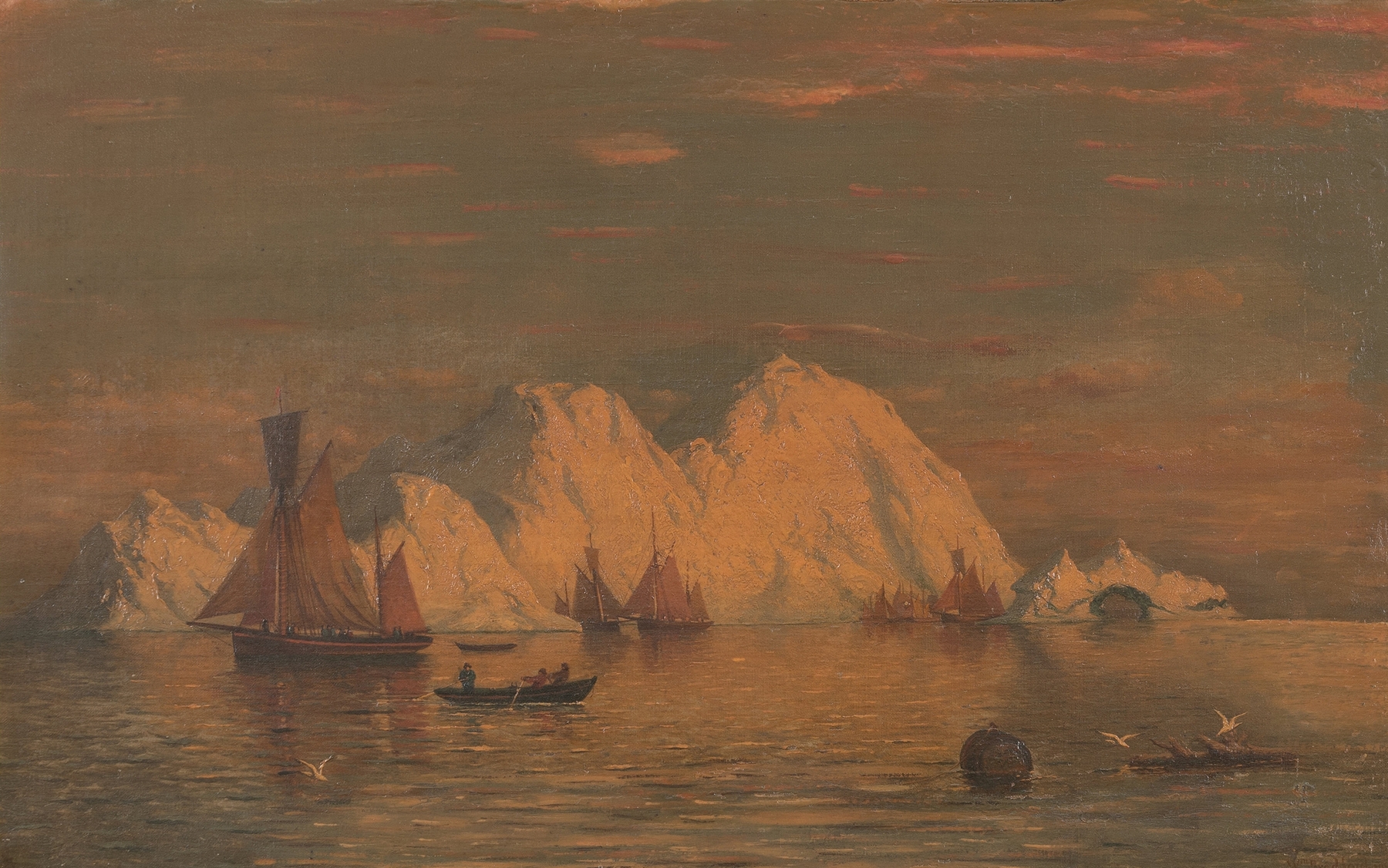
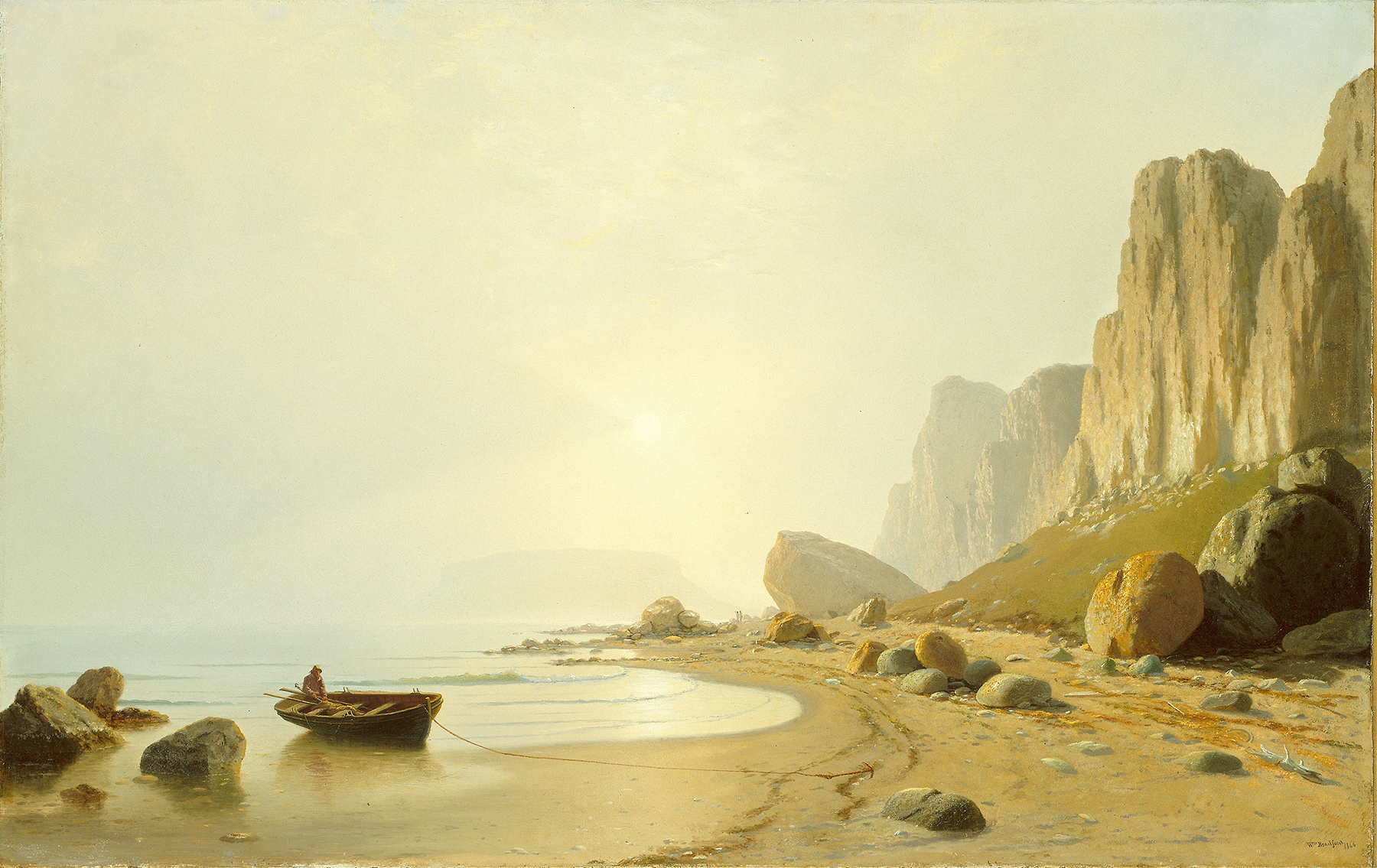
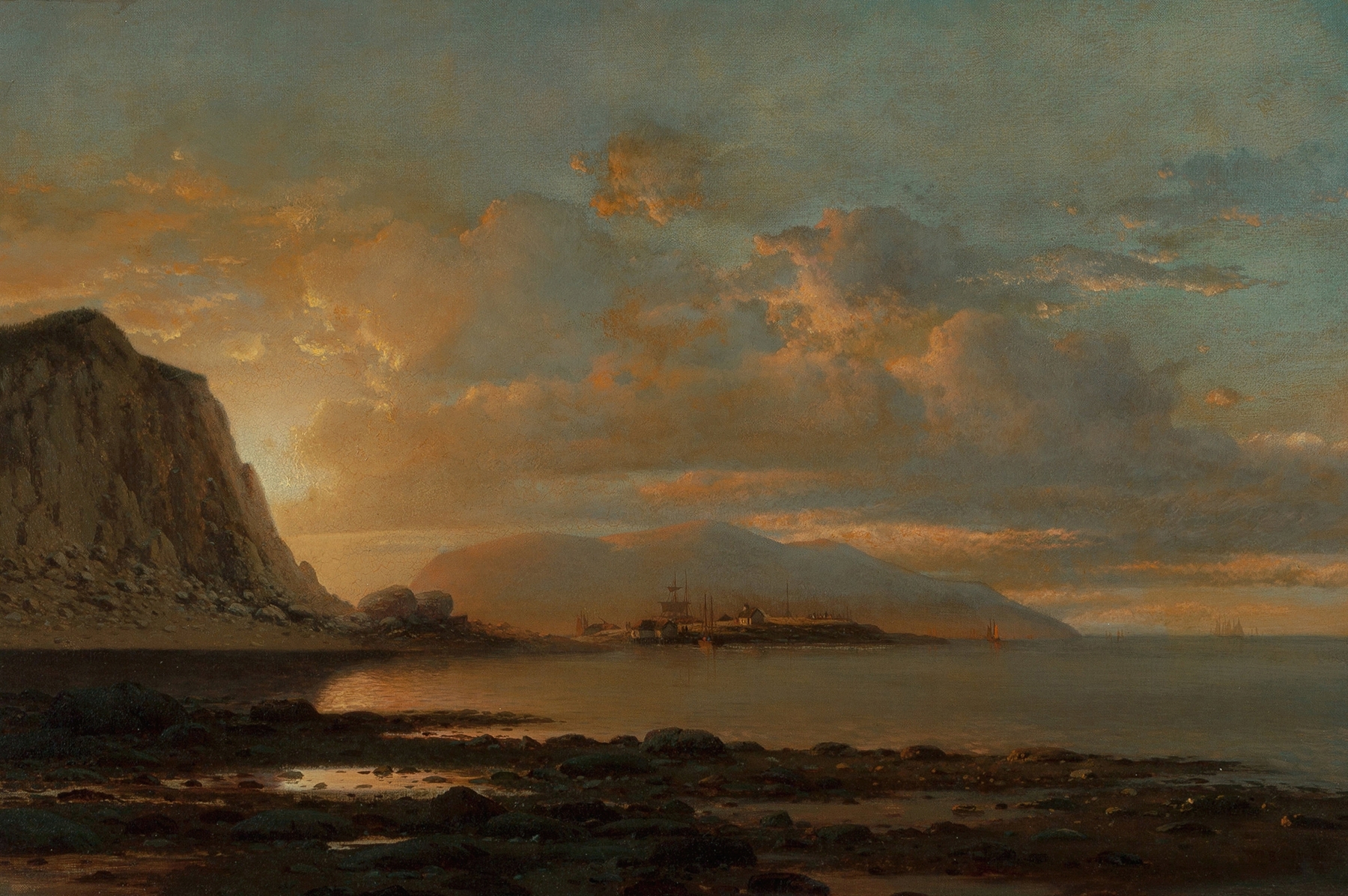
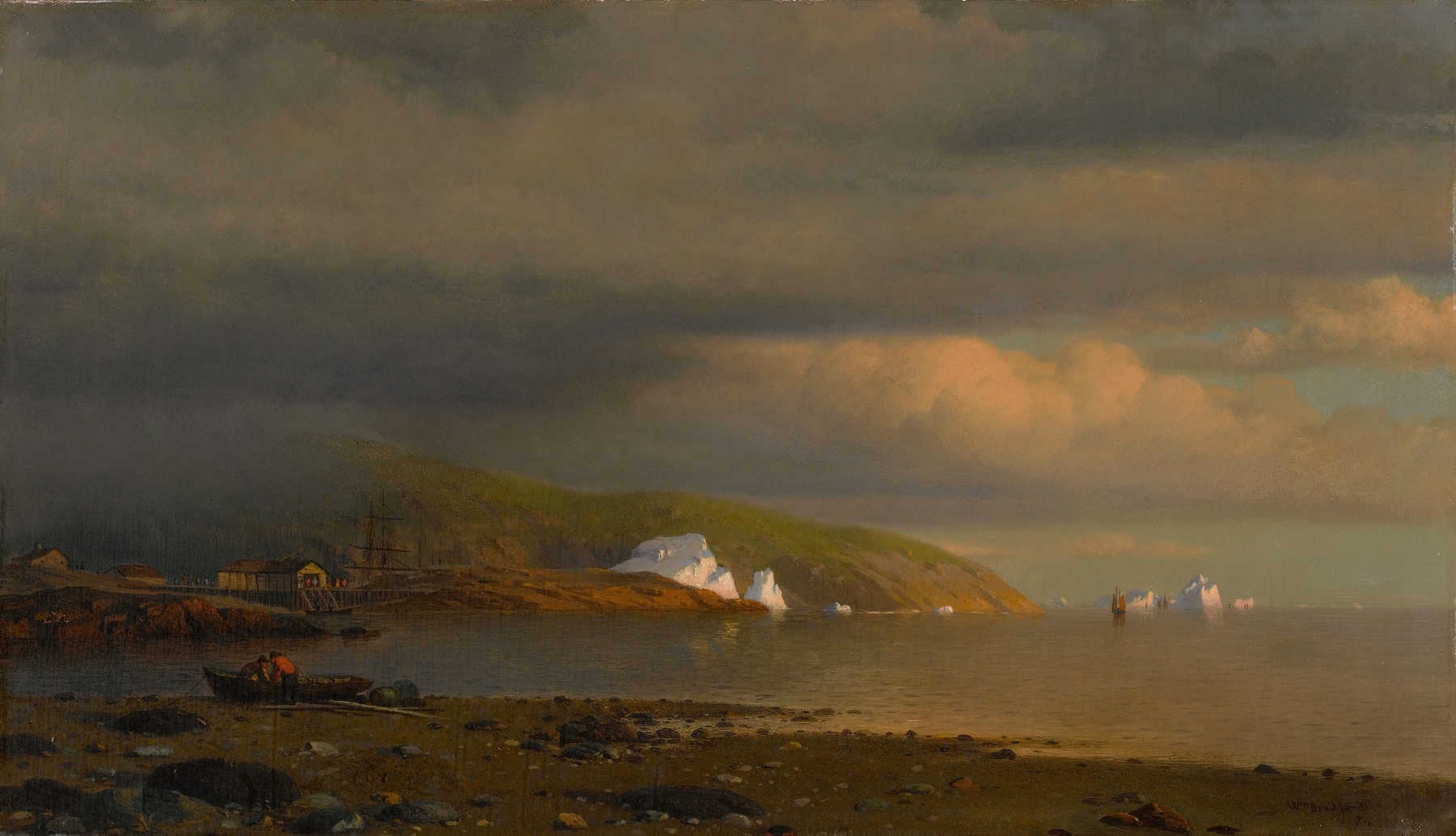
A cold wind sweeps across the rugged landscape as a lone figure stands at the edge of Battle Harbor. The sea stretches endlessly before them, embraced by sharp cliffs and the muted hues of a dusk sky. Silence envelops the scene, emphasizing the figure's isolation amidst the wild beauty of nature. Look to the left where the figure gazes out, clad in a tattered coat, their stance conveying both contemplation and loneliness.
Notice how the artist uses a palette of soft blues and grays to create a sense of vast emptiness, while the warm light of the setting sun highlights the tumultuous waves crashing against the rocks. The composition draws the eye outward, inviting the viewer to share in this moment of solitude and reflection. Delve into the contrasts present in the painting: the warm glow of sunset juxtaposed against the cold, unforgiving ocean; the human presence dwarfed by the monumental landscape. Each brushstroke conveys a yearning for connection, yet the isolation is palpable, amplifying the emotional weight of the scene.
The intricacies of the waves mirror the turmoil within, suggesting that the external landscape resonates with the figure’s inner world. William Bradford created this evocative piece during the late 19th century, a time when he was deeply immersed in capturing the harsh beauty of the Arctic and northeastern coastlines. Having traveled extensively, he sought to portray the sublime wilderness and the dichotomy of man’s place within it. His work emerged amidst a growing interest in landscape painting, reflecting both personal experiences and broader cultural themes of exploration and solitude.