Low Tide — History & Analysis
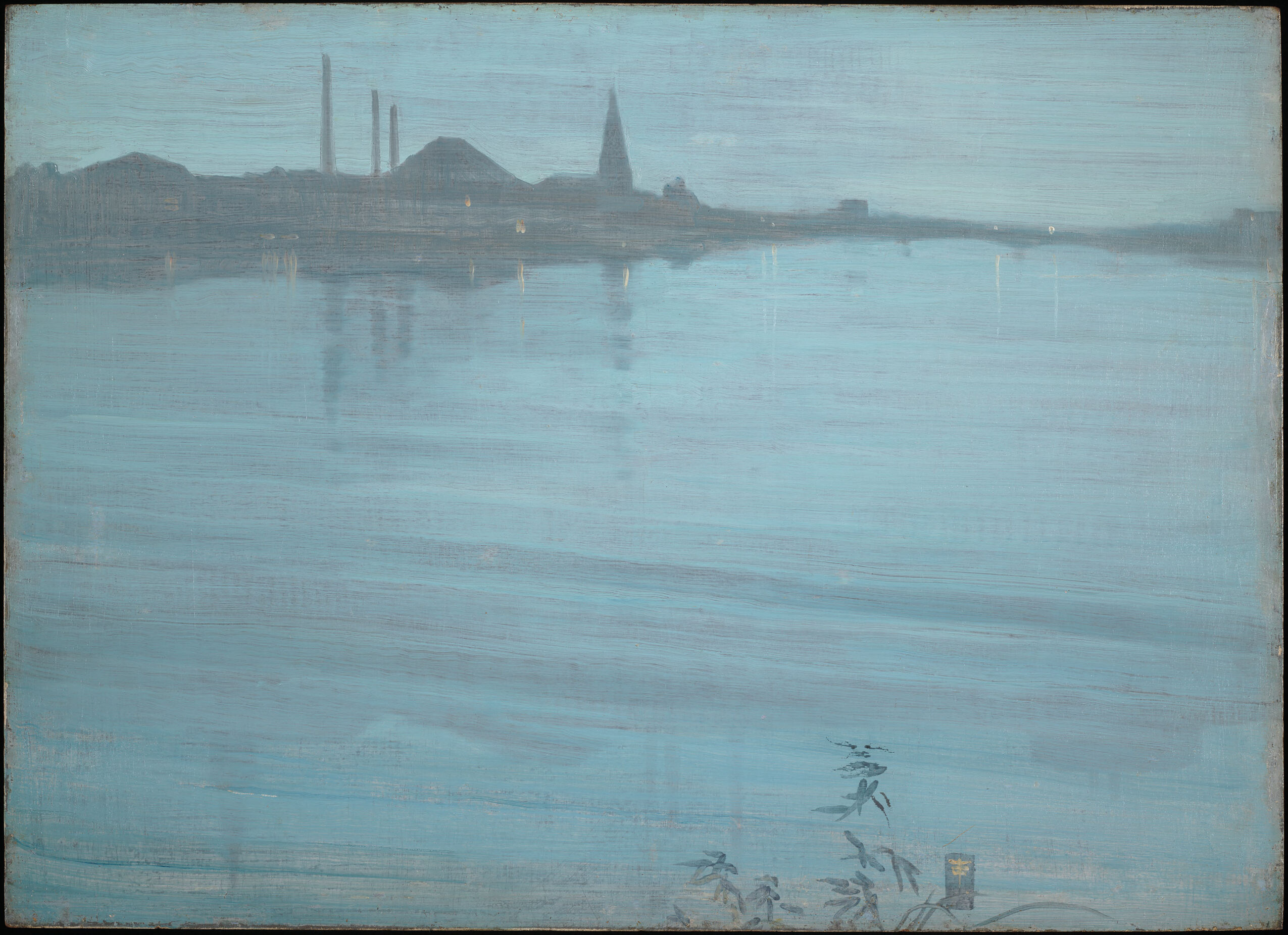
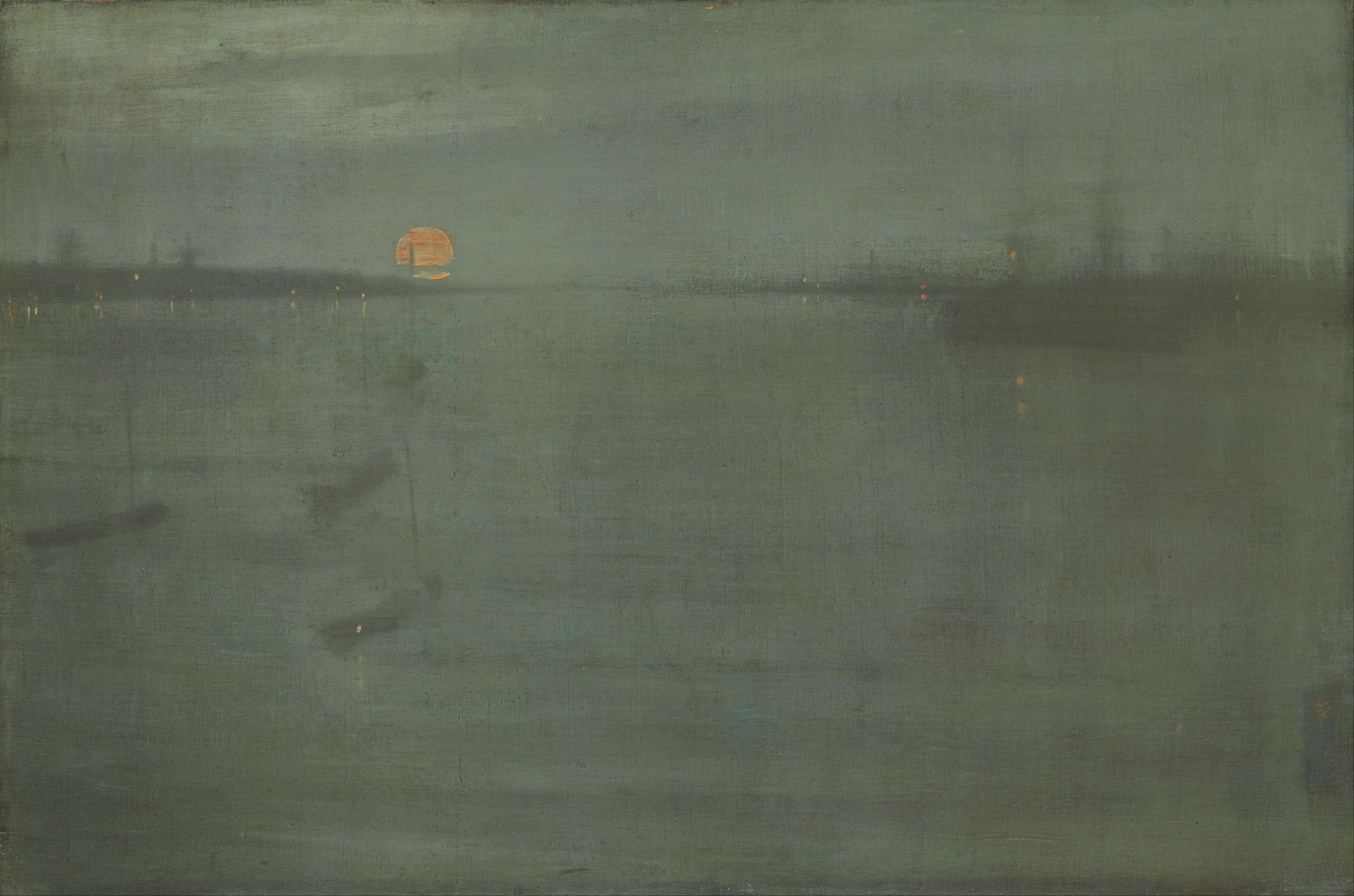
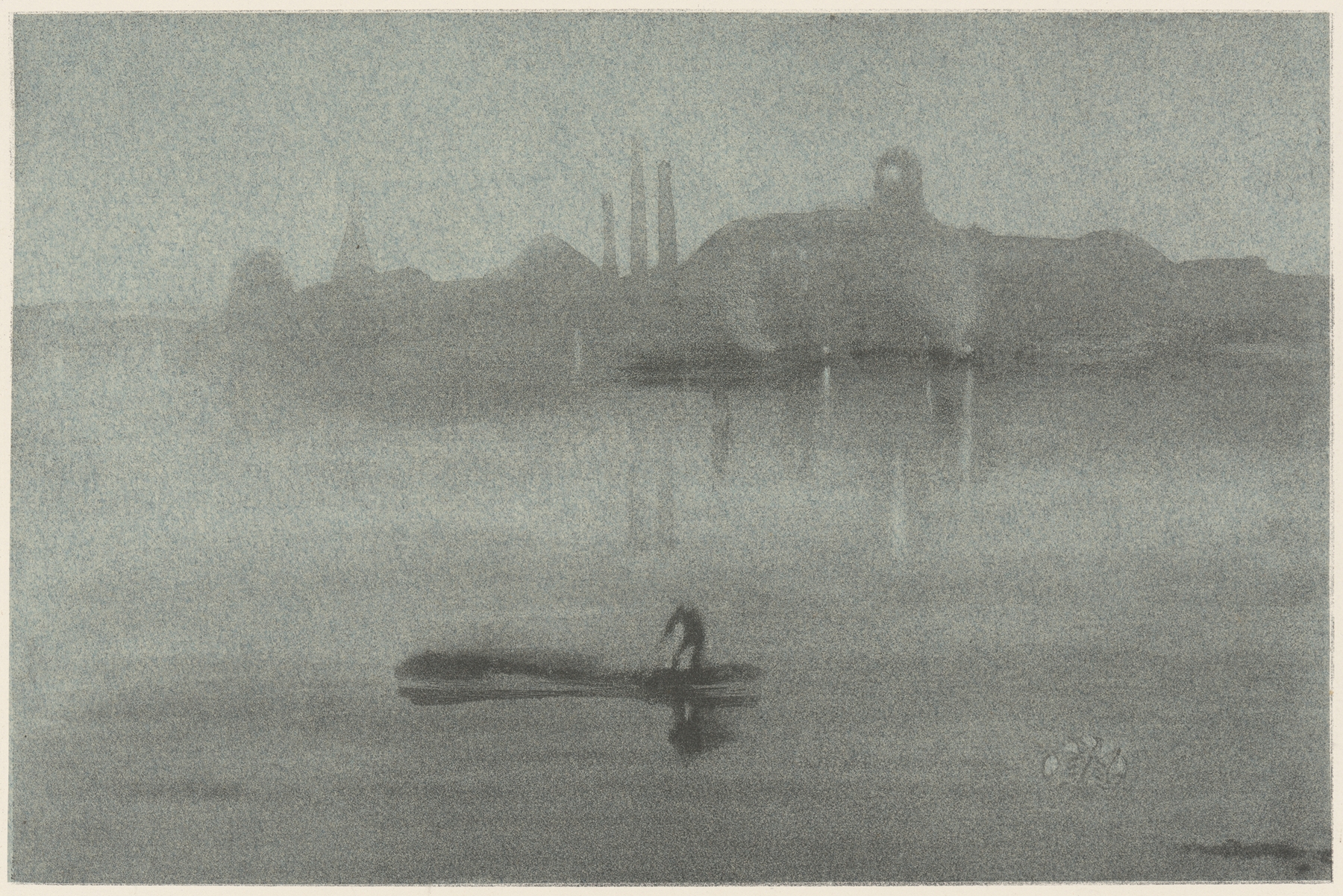
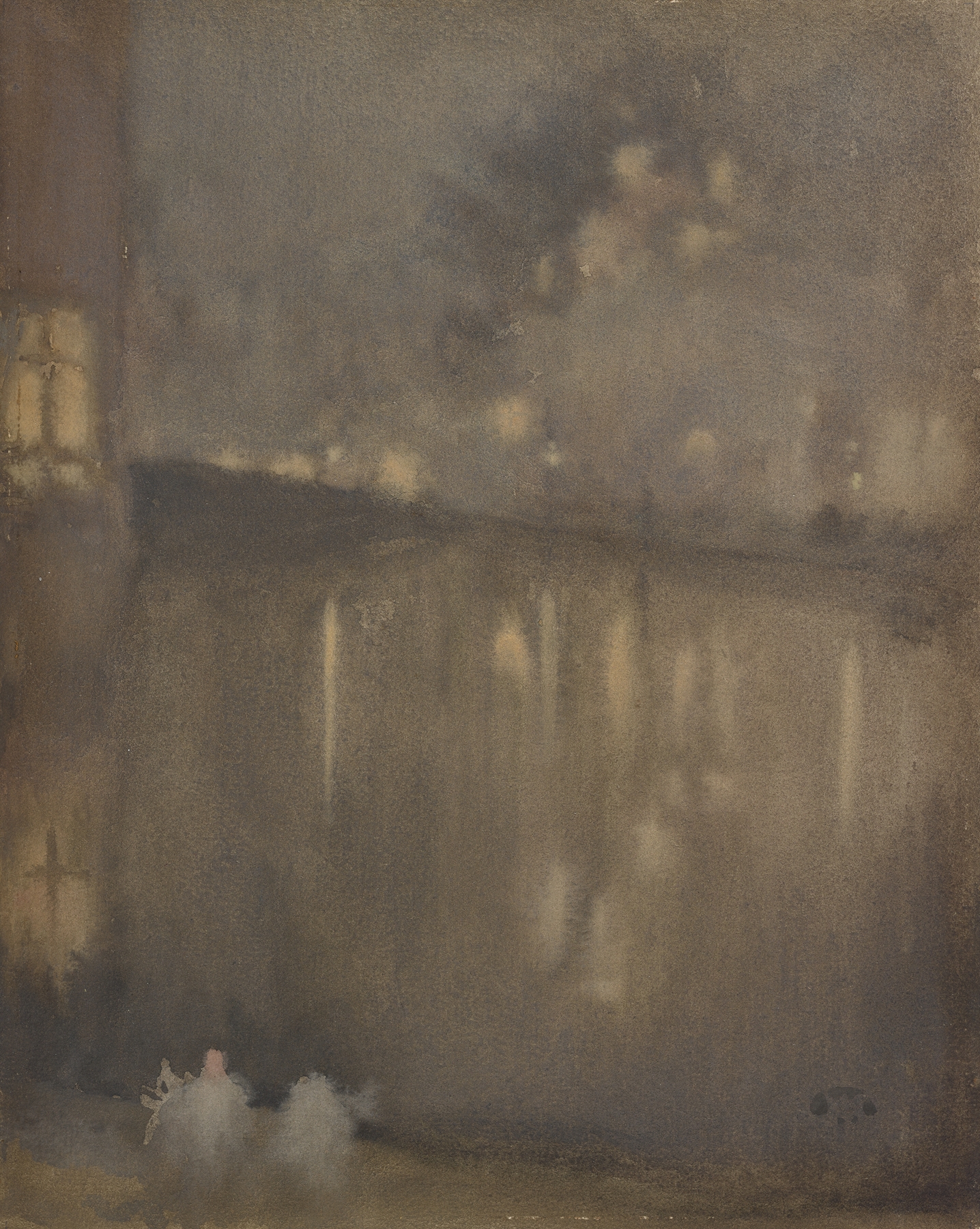
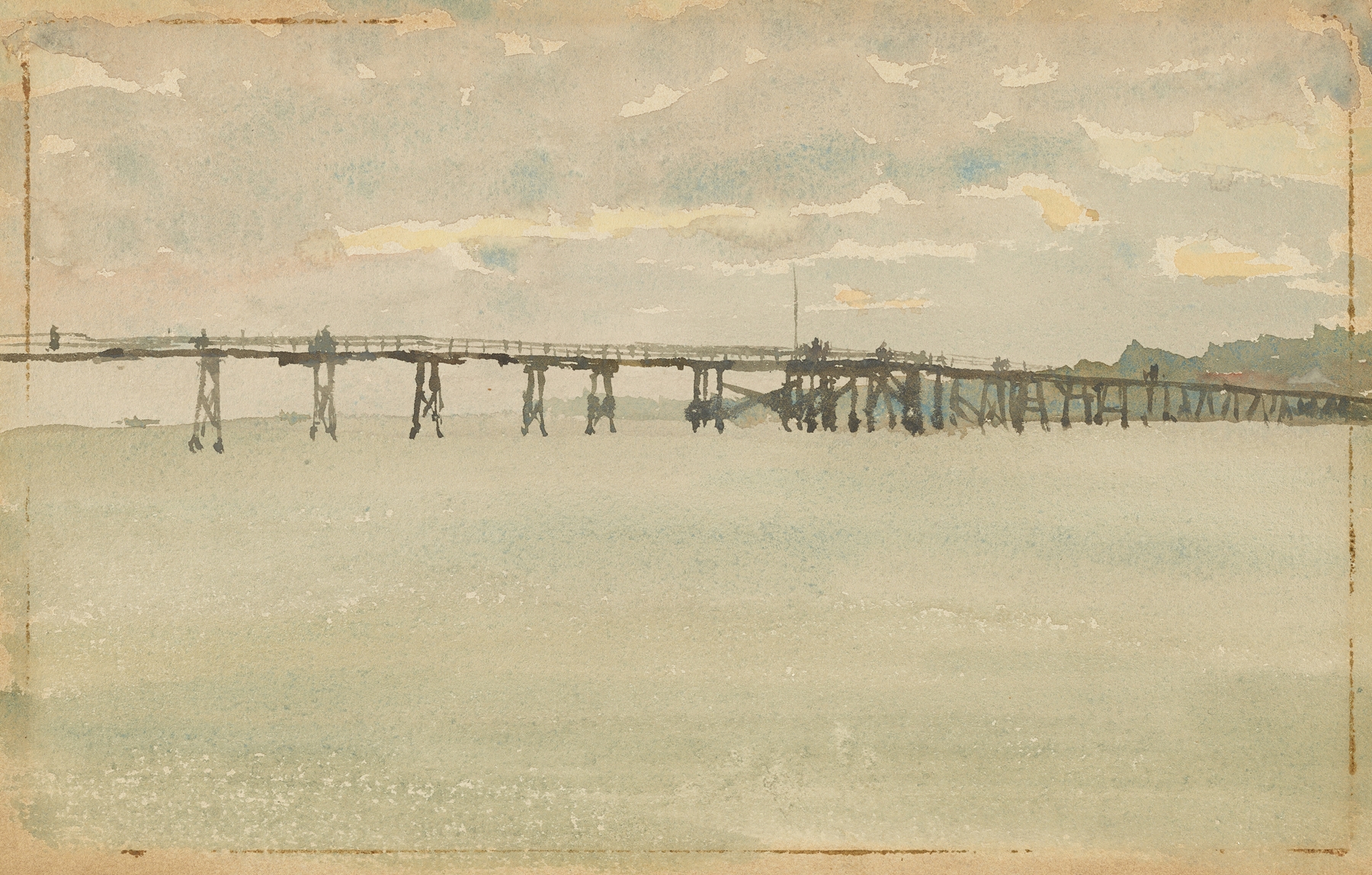
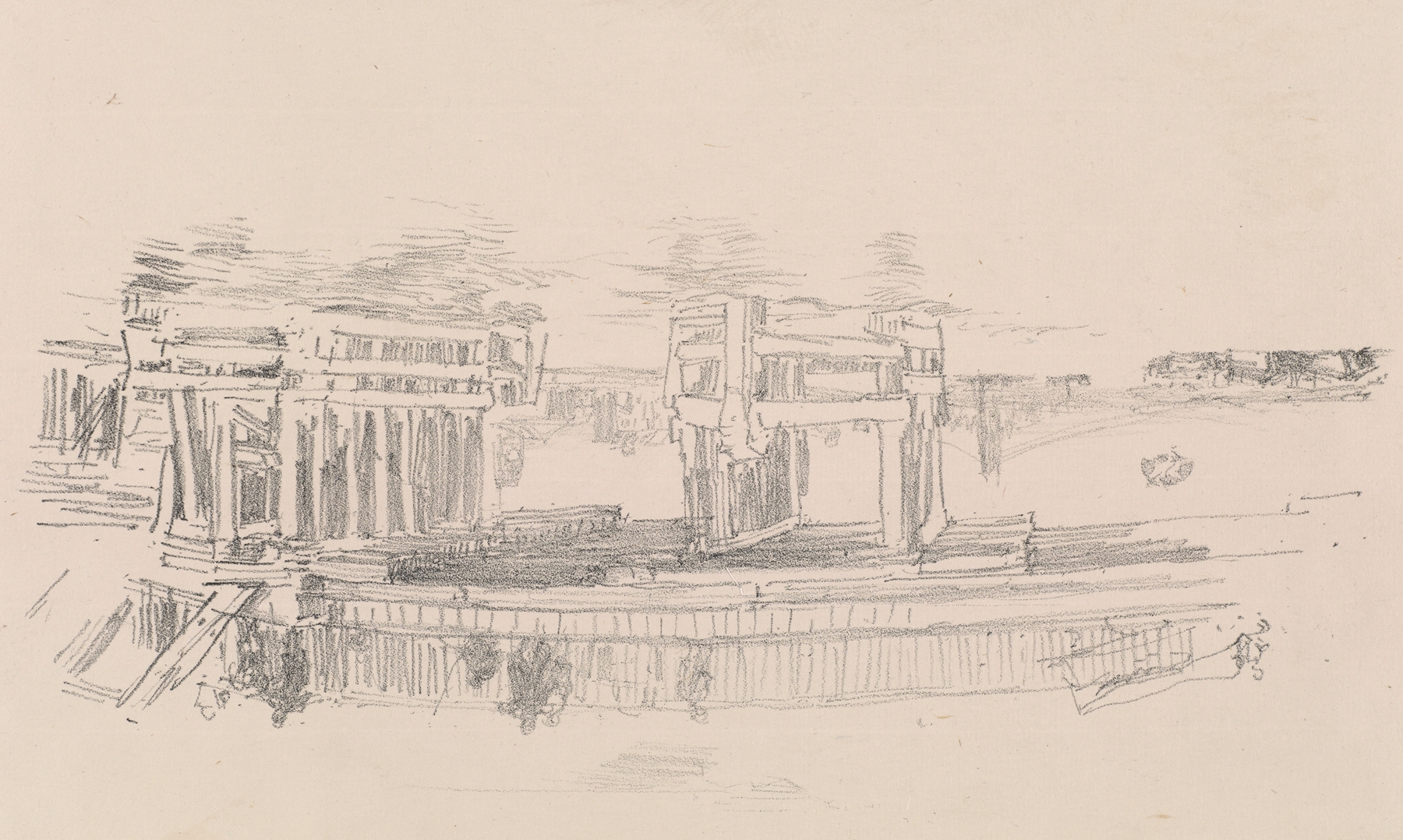
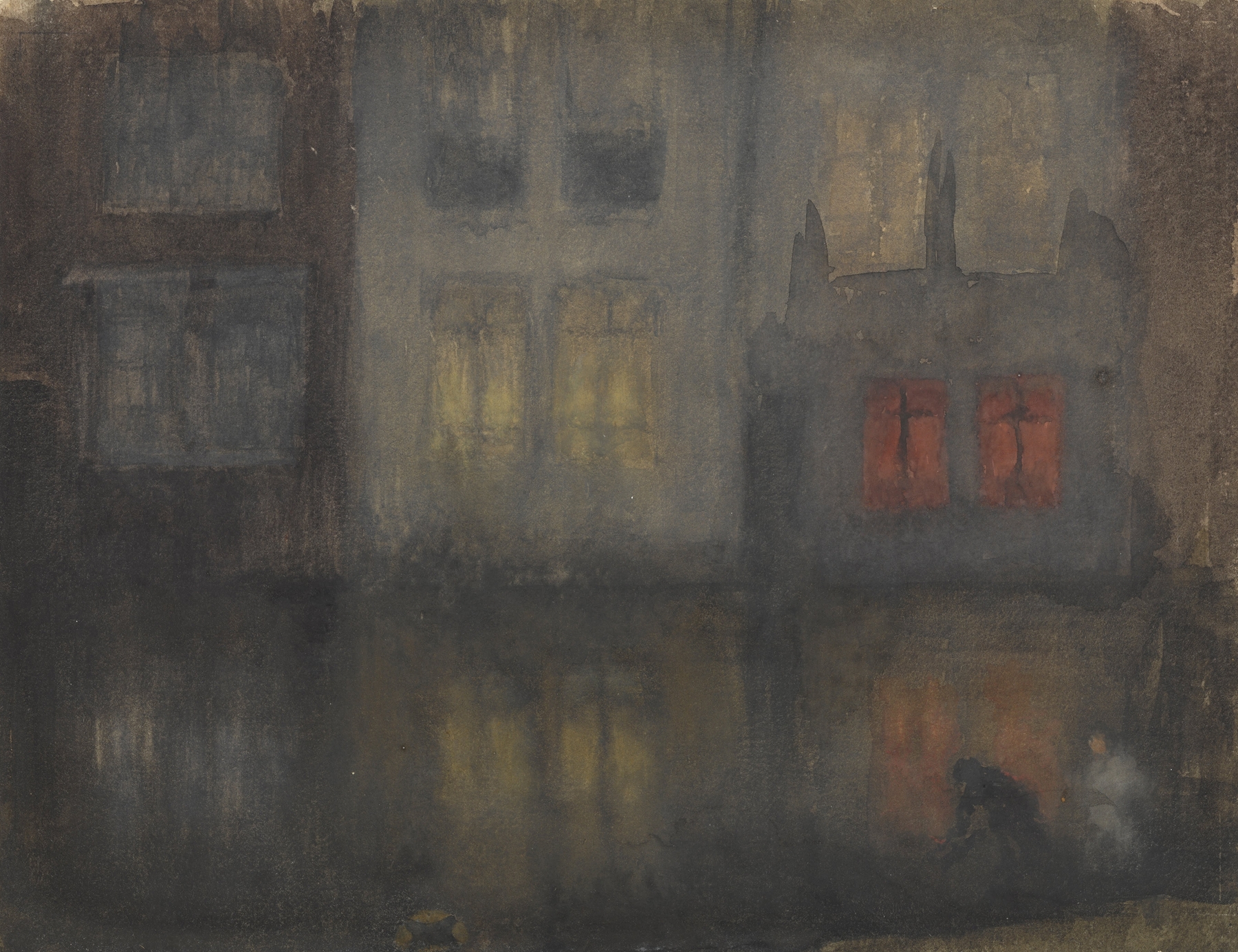
Can paint confess what words never could? In Low Tide, the water may be still, but the emotions ripple beneath its surface, whispering secrets we yearn to understand. Look to the center of the canvas where the shimmering expanse of the water draws your gaze. The subtle play of light dances across the surface, creating a mirror that blurs the lines between reality and reflection. Notice how the muted palette of blues and grays envelops the scene, evoking a serene yet melancholic atmosphere.
To the left, delicate silhouettes of boats rest on the hard ground, their stillness echoing the quietude of the tide. The composition invites contemplation, urging viewers to ponder the fragility of this moment in time. Beneath this tranquil surface lies a profound tension between presence and absence. The boats, seemingly abandoned, suggest an interplay of longing and solitude, while the rippling water reflects both the sky above and the lost potential of the day. This duality compels the viewer to explore themes of transience and memory, as well as the interplay of natural elements with human existence.
Each wave whispers a story, urging us to find meaning in what remains unsaid. Whistler painted Low Tide in 1883-1884 during his time in the vibrant artistic community of London. This era was marked by a growing interest in Impressionism, and Whistler, a key figure in this movement, sought to capture fleeting moments of beauty with a focus on light and color. His life during this period was characterized by both personal struggles and artistic experimentation, paving the way for a new understanding of landscape and its emotive power.