Low Tide at Trouville — History & Analysis
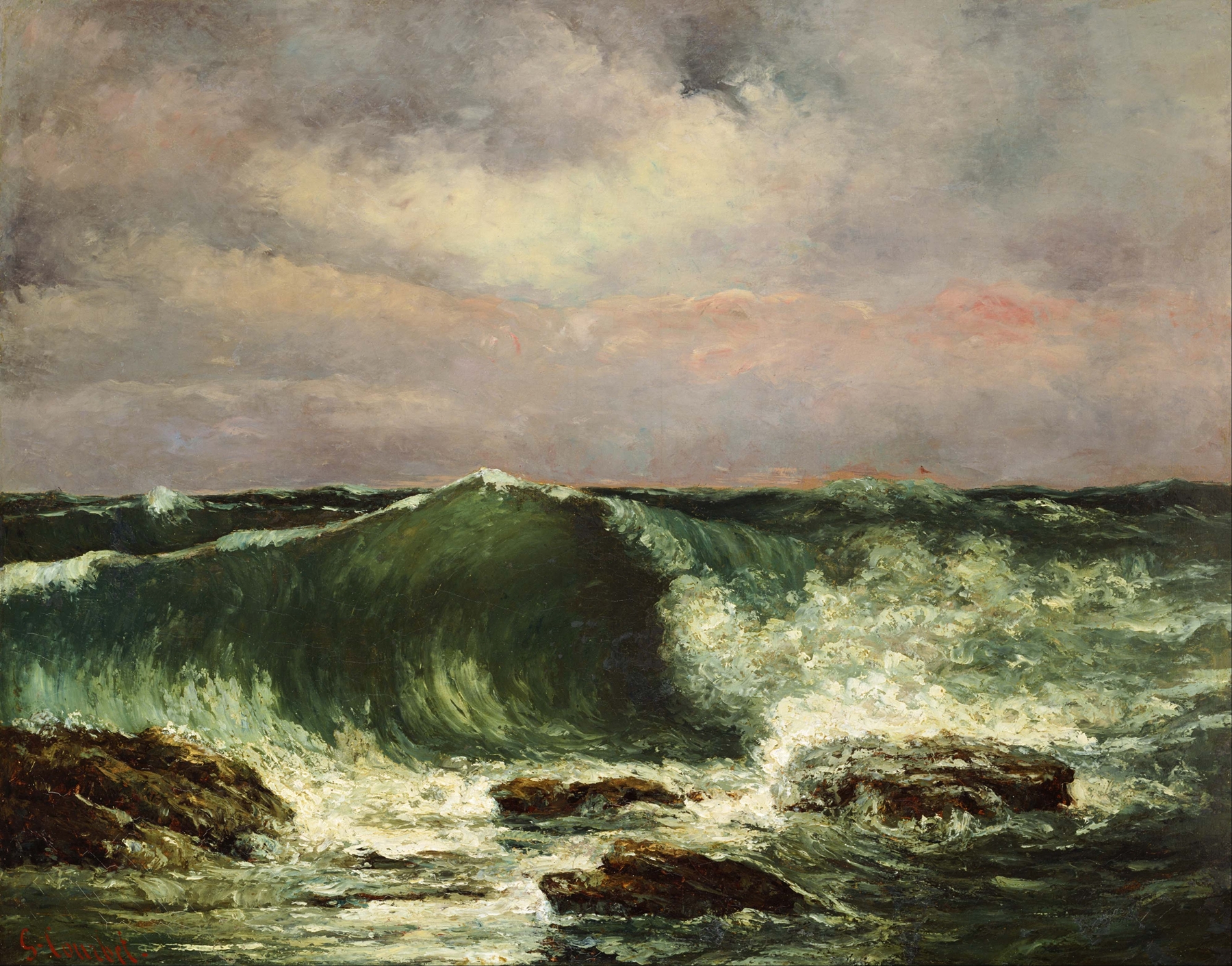
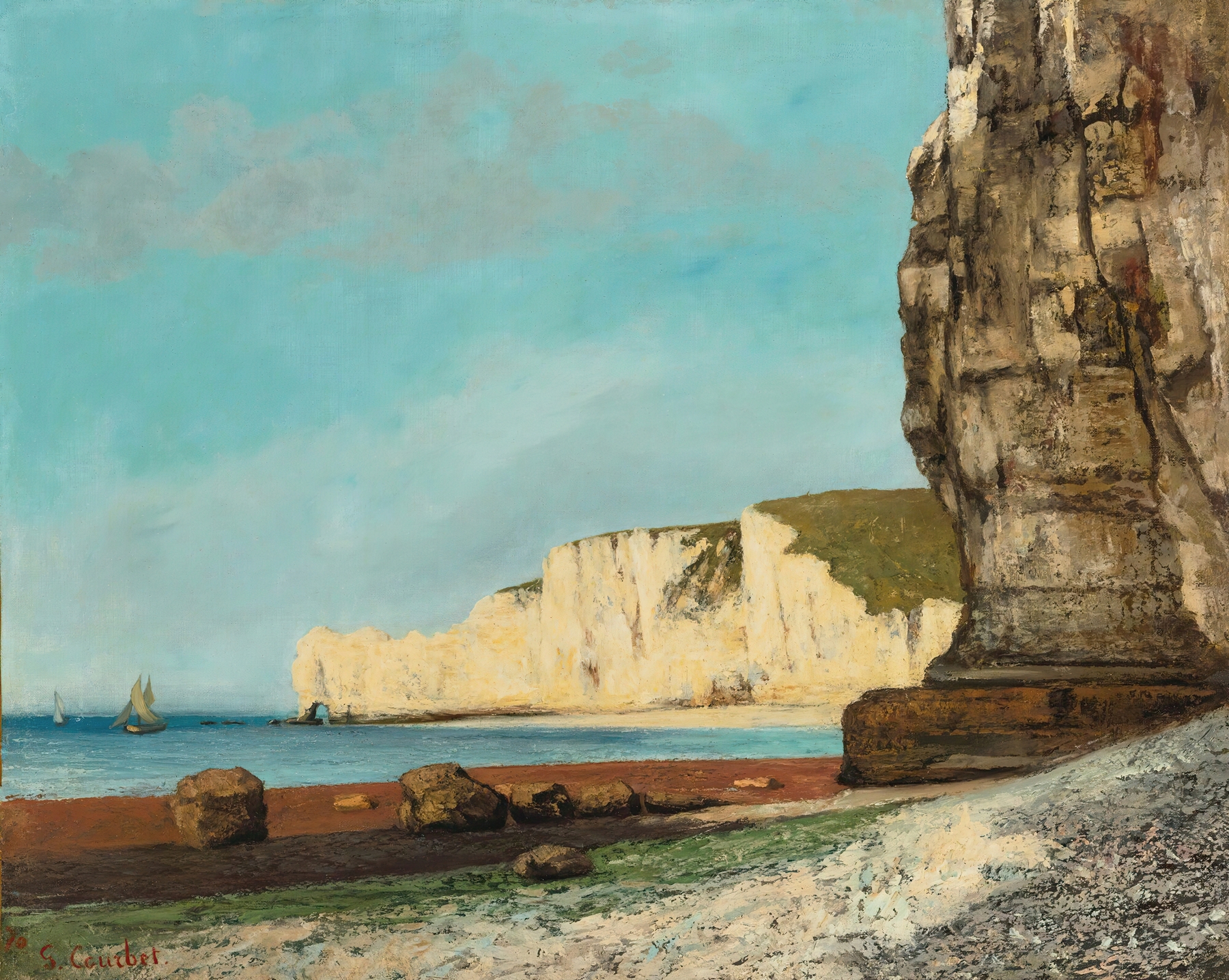
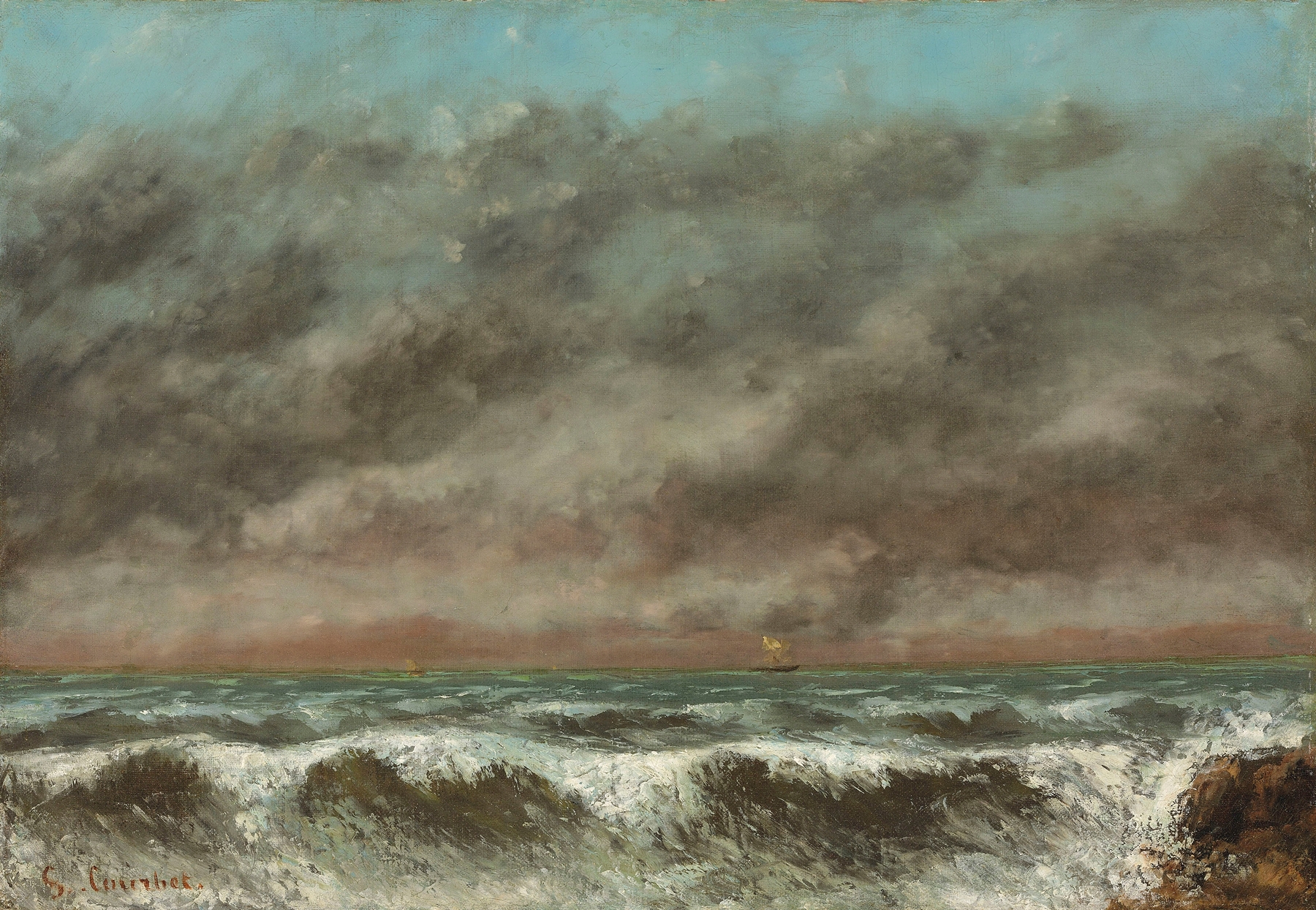
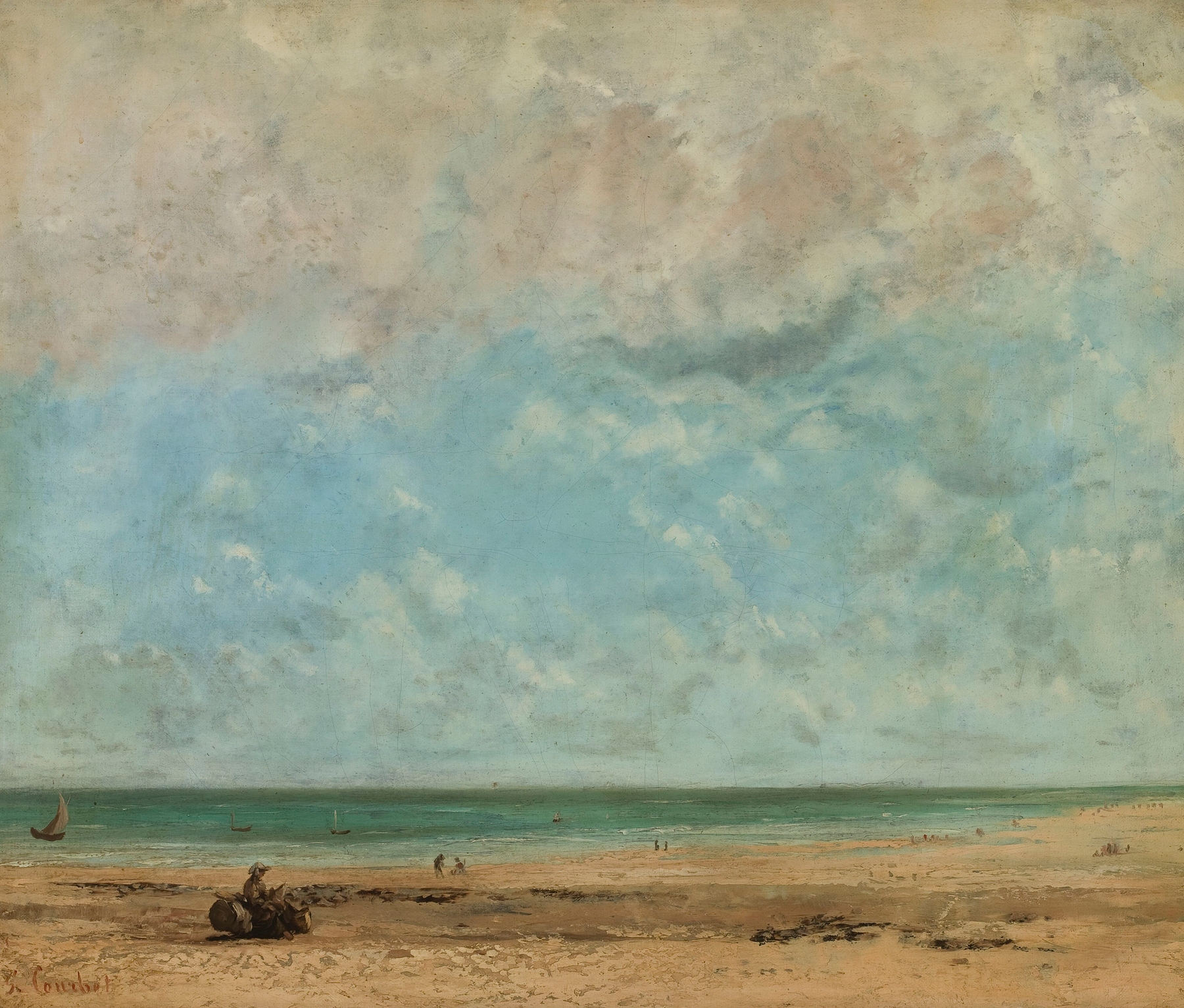
Who listens when art speaks of silence? In the stillness of Low Tide at Trouville, the weight of truth rests upon the canvas, inviting reflection and introspection. Look to the foreground where the intermingling textures of sand and seawater draw you in. The muted browns and blues create a serene palette that harmonizes with the gentle undulations of the shore. Notice how the figures of fishermen, small and seemingly insignificant, appear against the vastness of the sea.
Their presence, grounded yet transient, suggests the eternal dance between humanity and nature, light capturing the moment just before the tide’s return. Yet, it is in the contrasts that the painting finds its emotional depth. The quietness of the scene speaks volumes about the fleeting nature of time and labor. The fishermen’s toil is juxtaposed against the vast, indifferent horizon, evoking a sense of both unity with and isolation from the natural world.
The layers of paint, thick and textured, echo the struggle for existence, while the emptiness of the shoreline suggests the call of the unknown, resonating with the human experience of seeking truth amidst silence. Created during the years in which Courbet was deeply engaged with the Realist movement, Low Tide at Trouville reflects his commitment to depicting everyday life with authenticity. Painted in the mid-19th century, the work emerges from a period of social change and artistic revolution, where the boundaries of traditional representation were being pushed. It captures not just a moment but the essence of a world in transition, where art began to convey deeper truths about existence and perception.