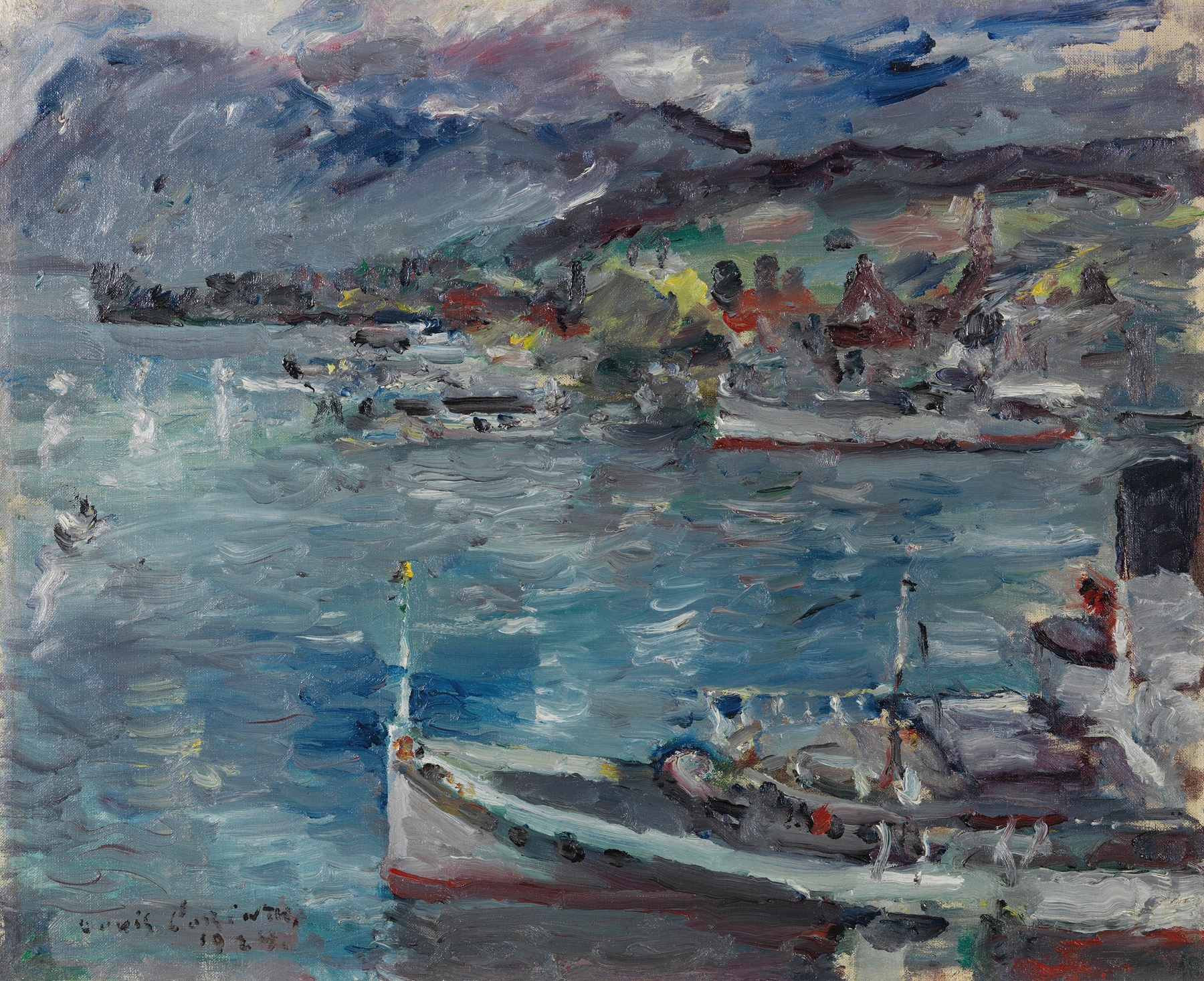
Luzerner See am Vormittag — History & Analysis
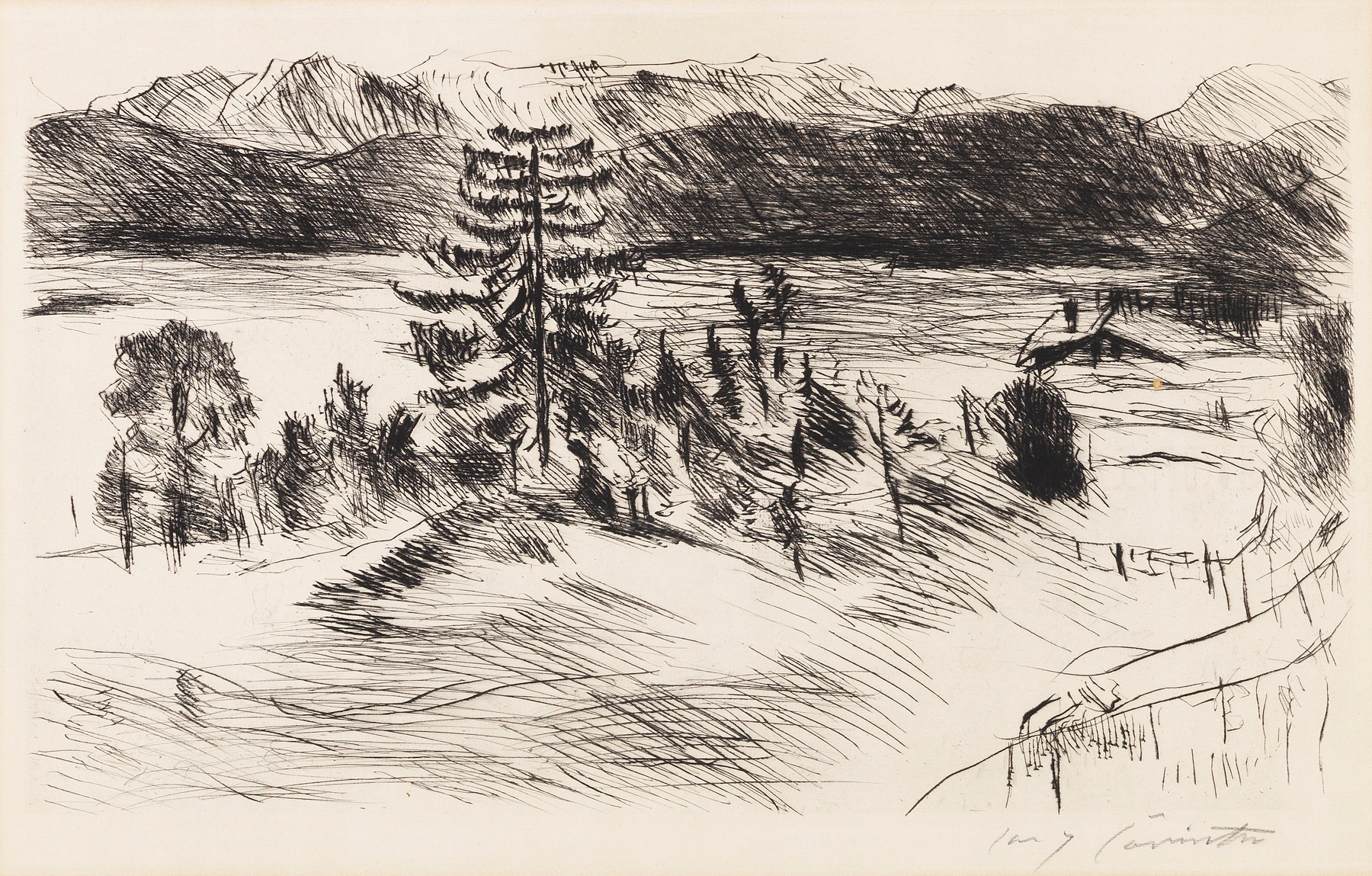
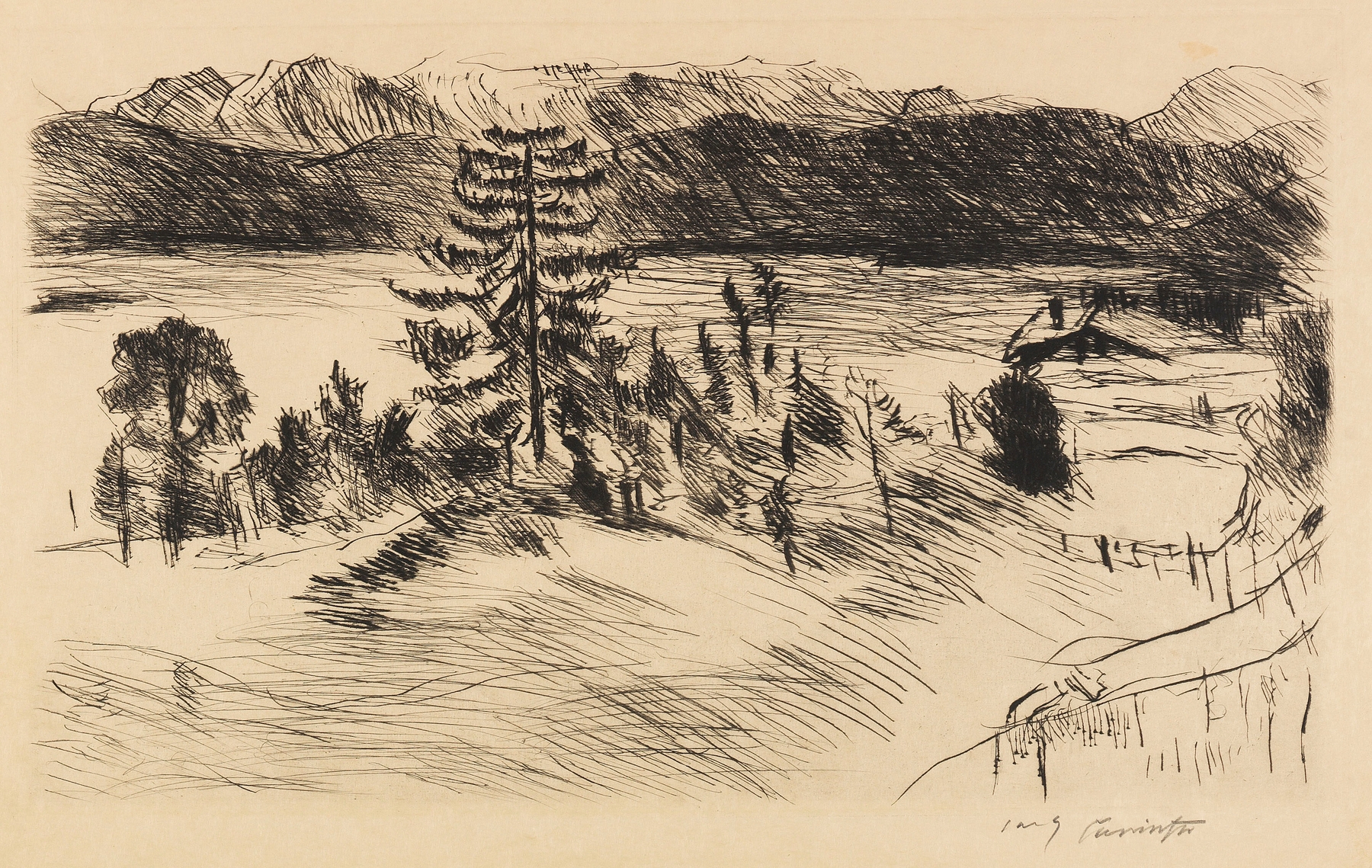
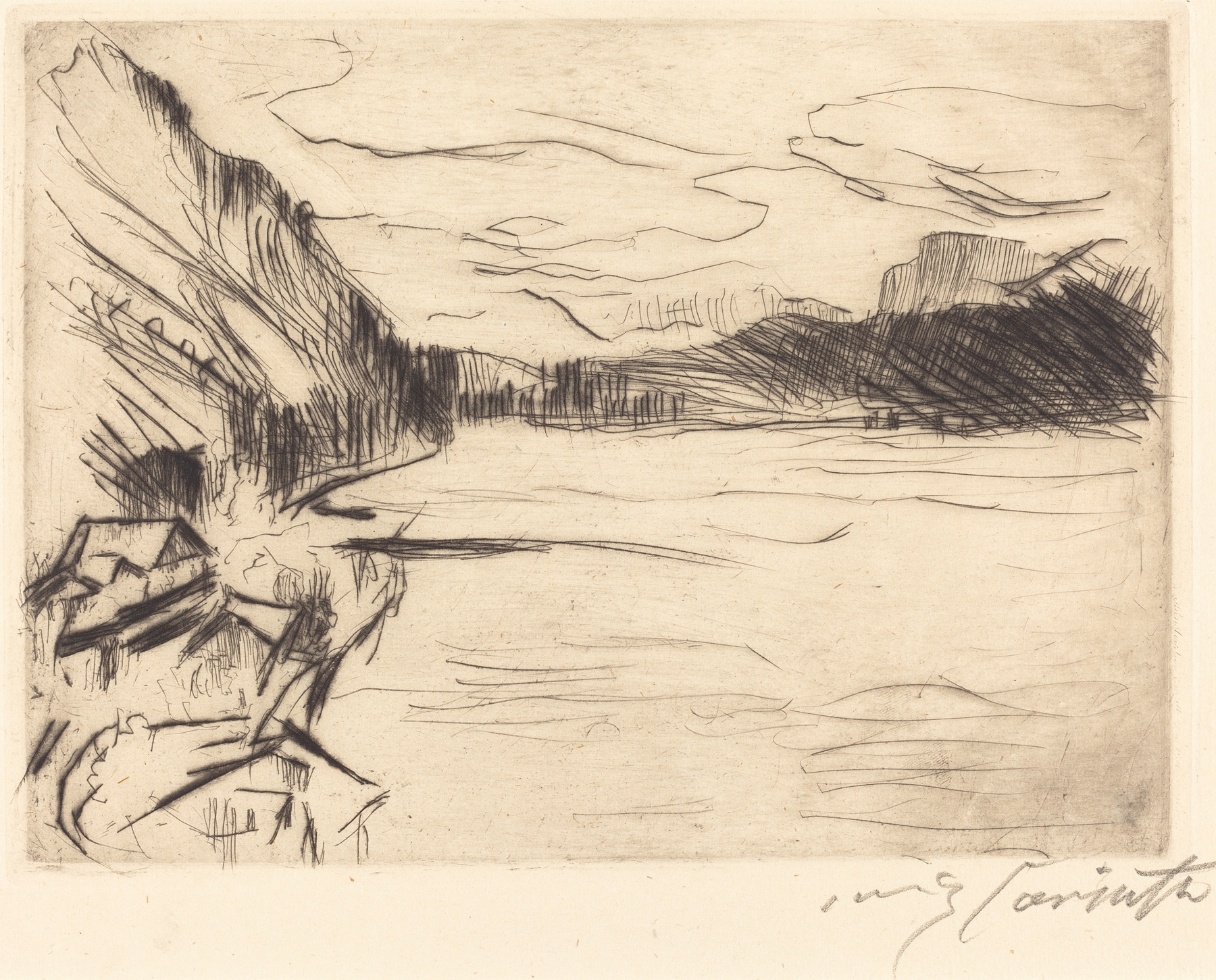
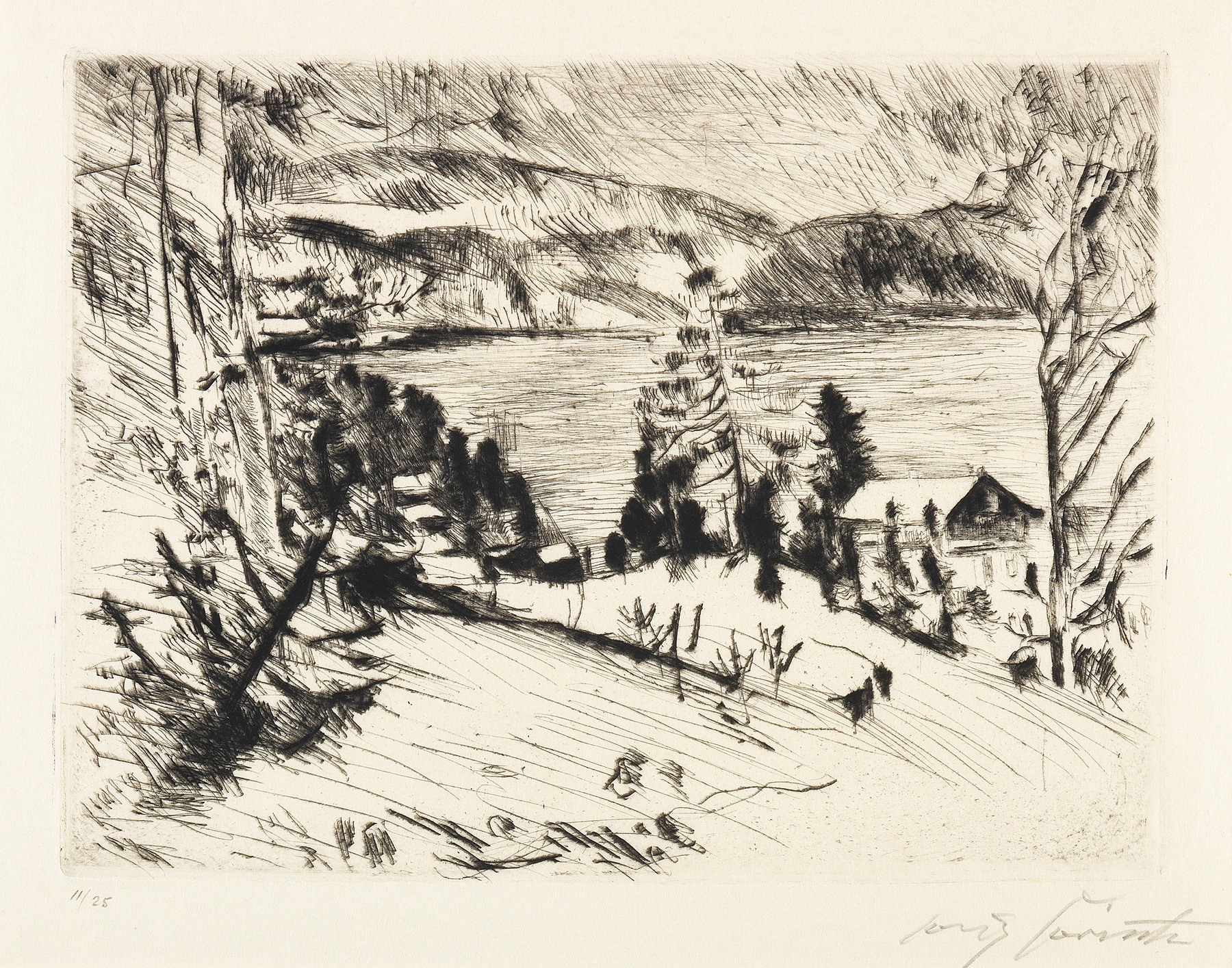
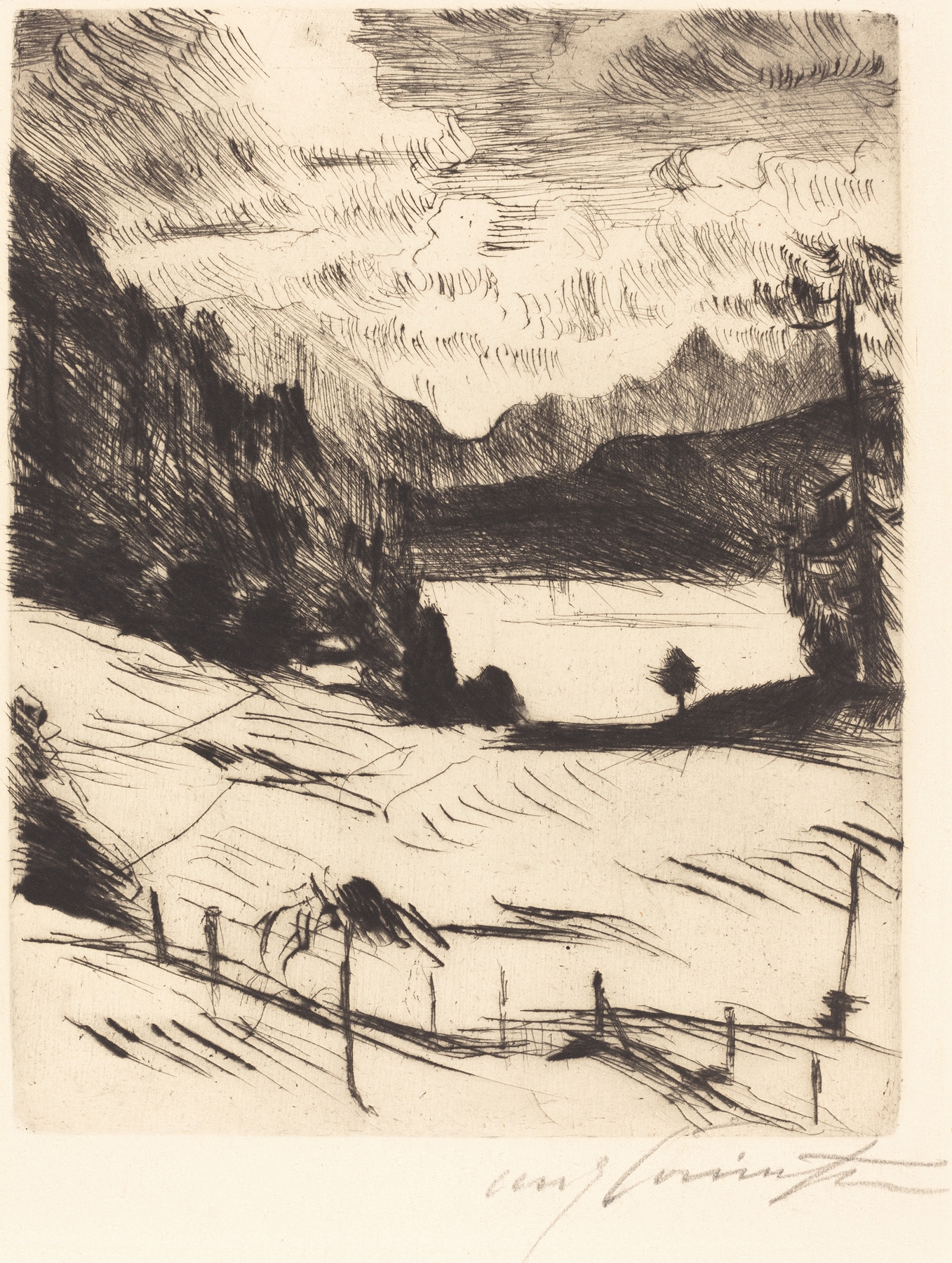
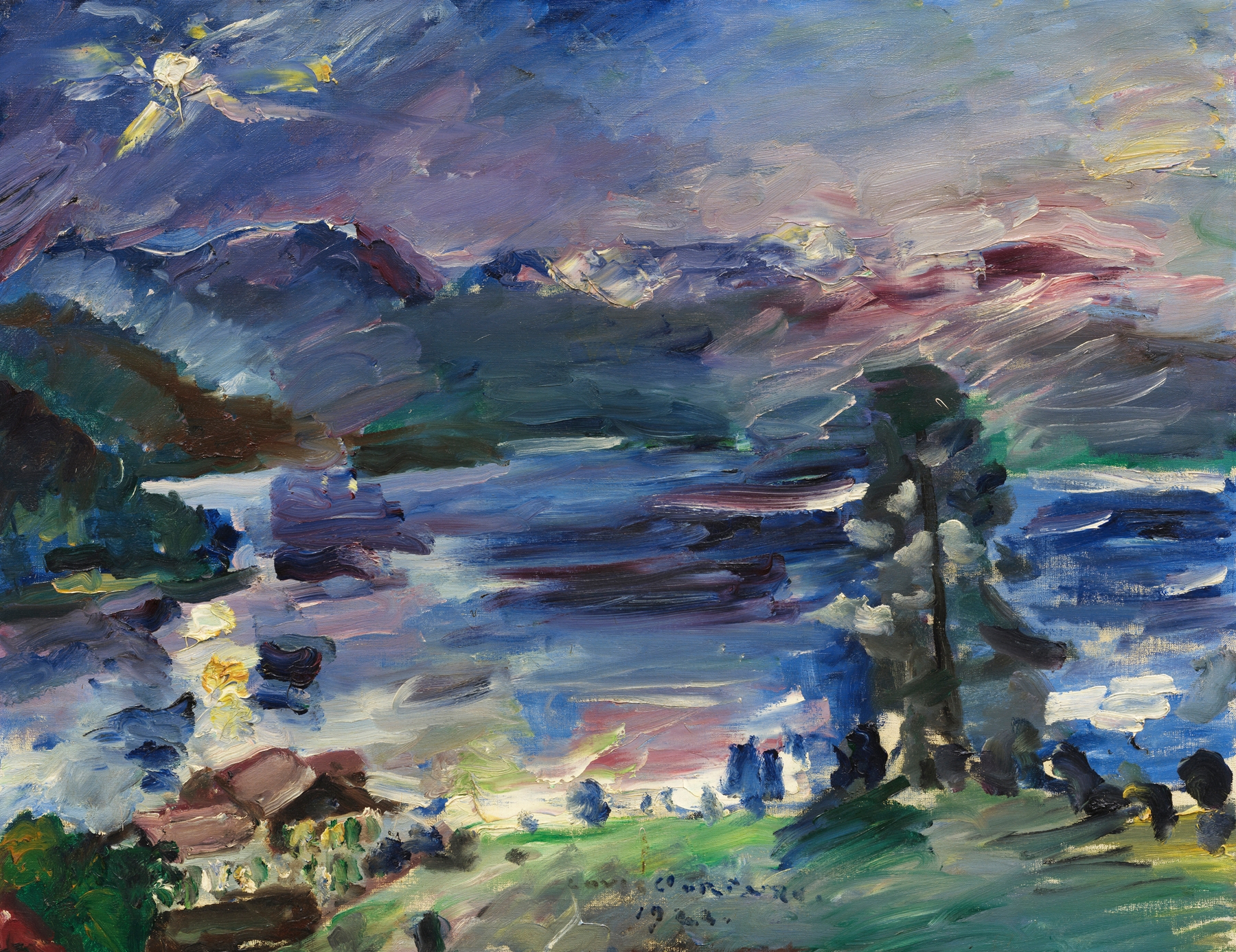
Could beauty survive in a century of chaos? In Luzerner See am Vormittag, Lovis Corinth captures the divine serenity of a lakeside morning, offering a moment suspended between tumult and tranquility. Look to the foreground, where delicate strokes of blue and green coalesce to form the shimmering lake, reflecting the gentle light of dawn. The composition leads the eye across the water, where the hues deepen toward the horizon, pulling you into a vibrant dialogue between sky and earth.
Notice how the clouds hover languidly above, their soft whites and grays contrasting with the lively palette below, creating a serene yet dynamic balance. Yet, within this picturesque scene lies an undercurrent of tension. The interplay of light and shadow evokes a sense of fleetingness, as if the beauty on display could dissolve at any moment. The vibrant colors hint at life's richness, while the stillness of the lake suggests a deeper stillness born from hidden struggles.
It's a reminder that even in moments of peace, the chaos of existence looms just beyond the frame. In 1924, Corinth created this work during a time of personal and artistic evolution. Having established himself as a prominent figure in the German art scene, he grappled with the changing tides of modernism and expressionism. The world was emerging from the devastation of the First World War, and as society sought to recover, his vibrant landscapes became a refuge, unearthing the sacredness that beauty can offer amidst uncertainty.