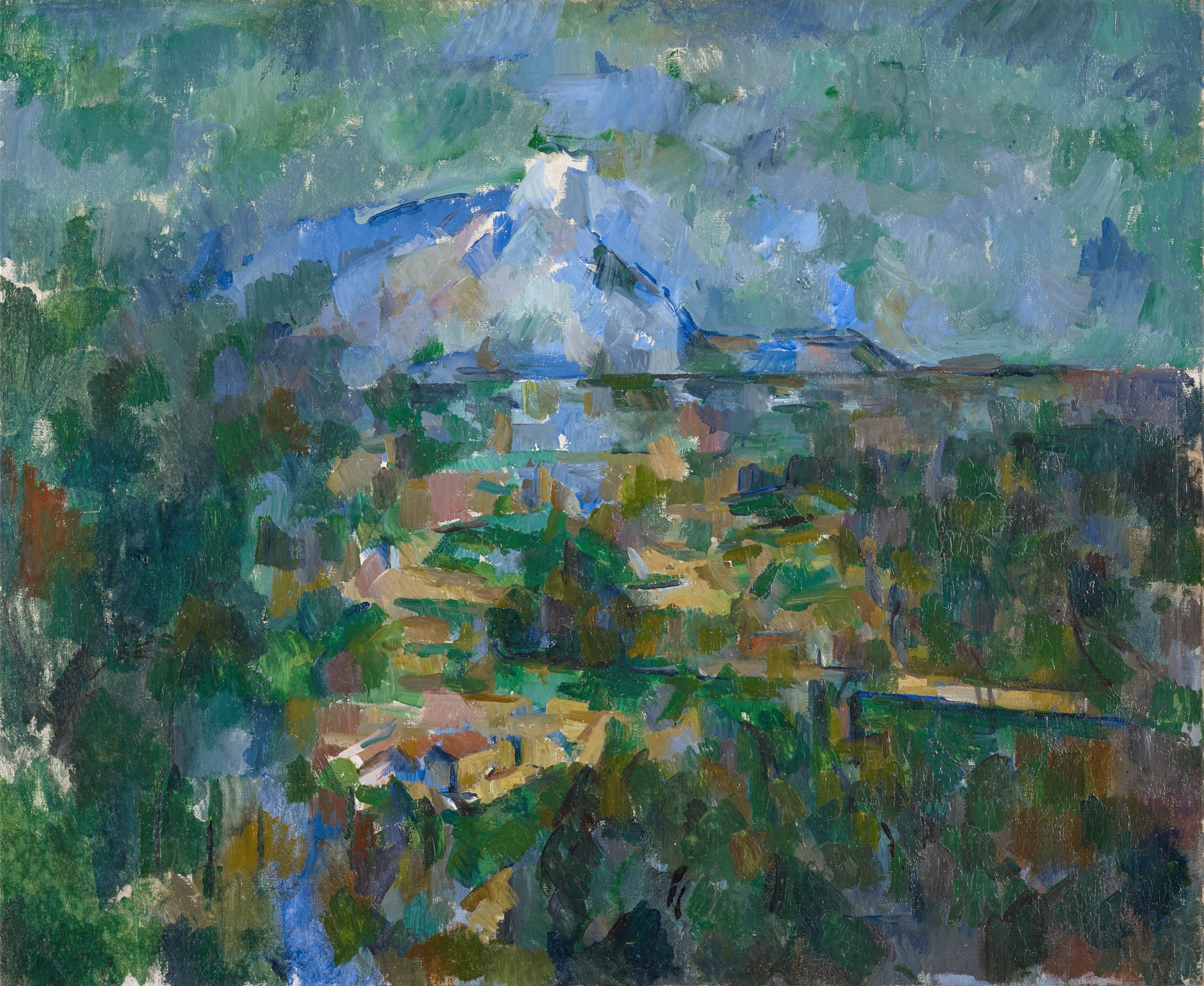
Maisons au Chou, à Pontoise — History & Analysis
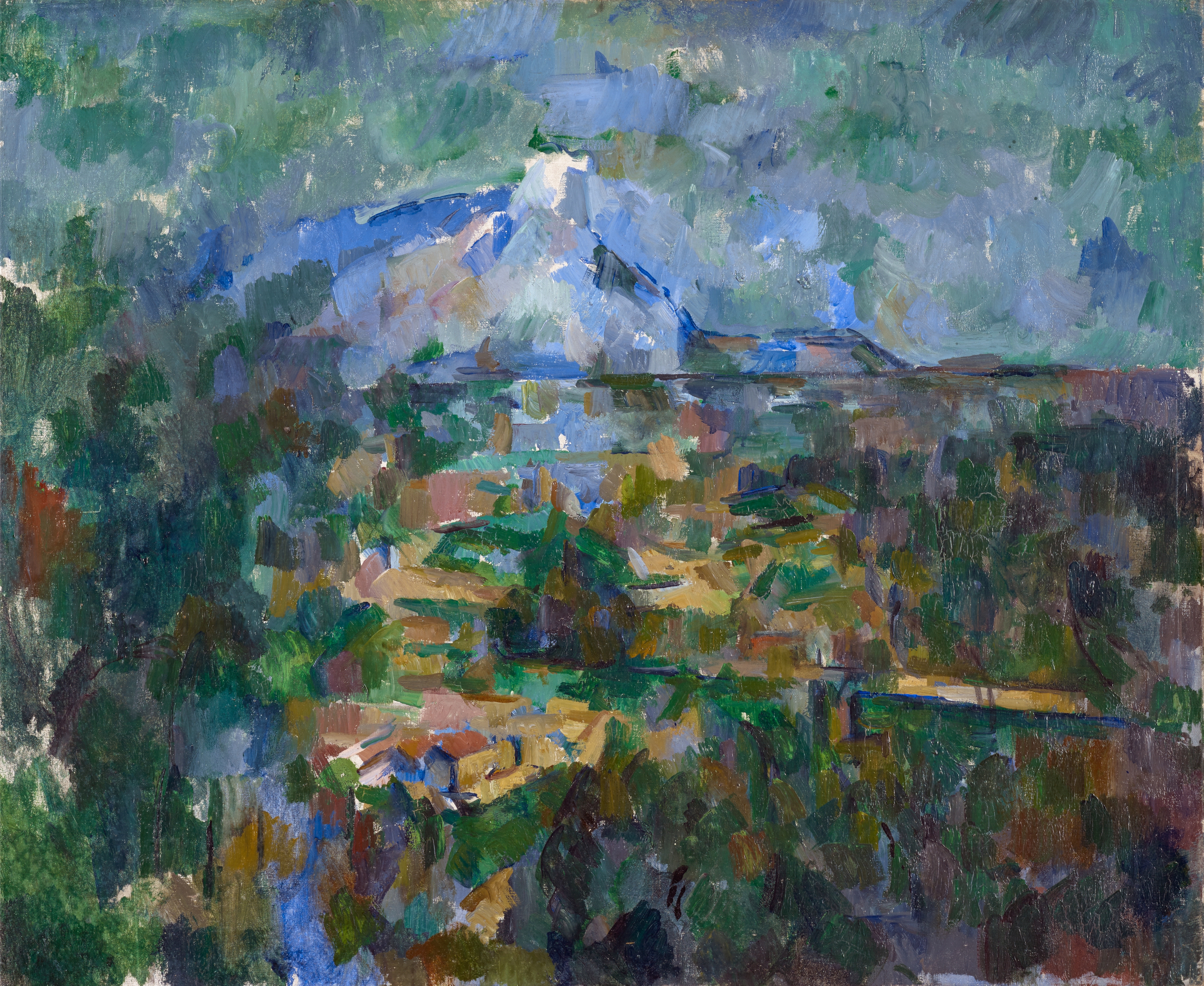
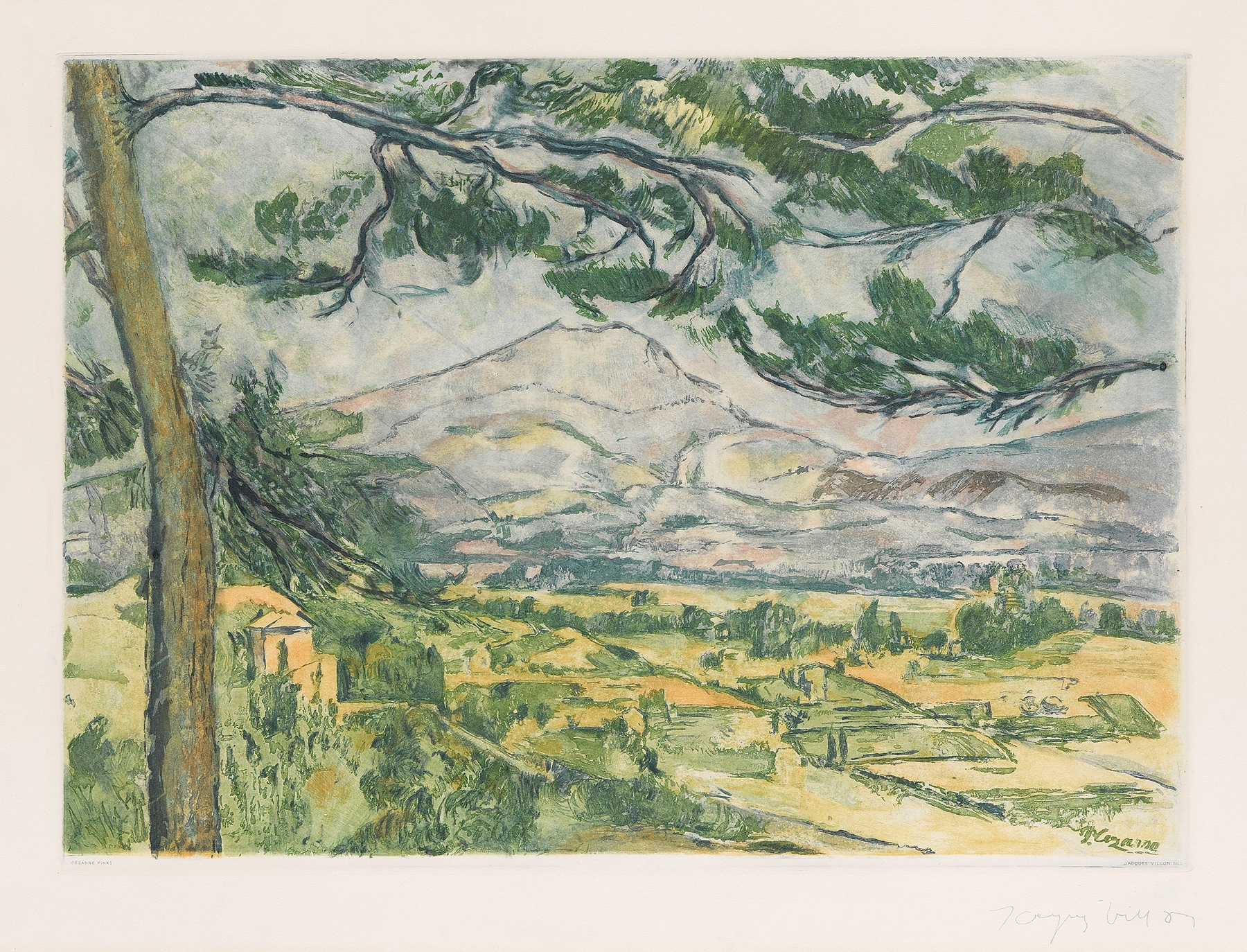
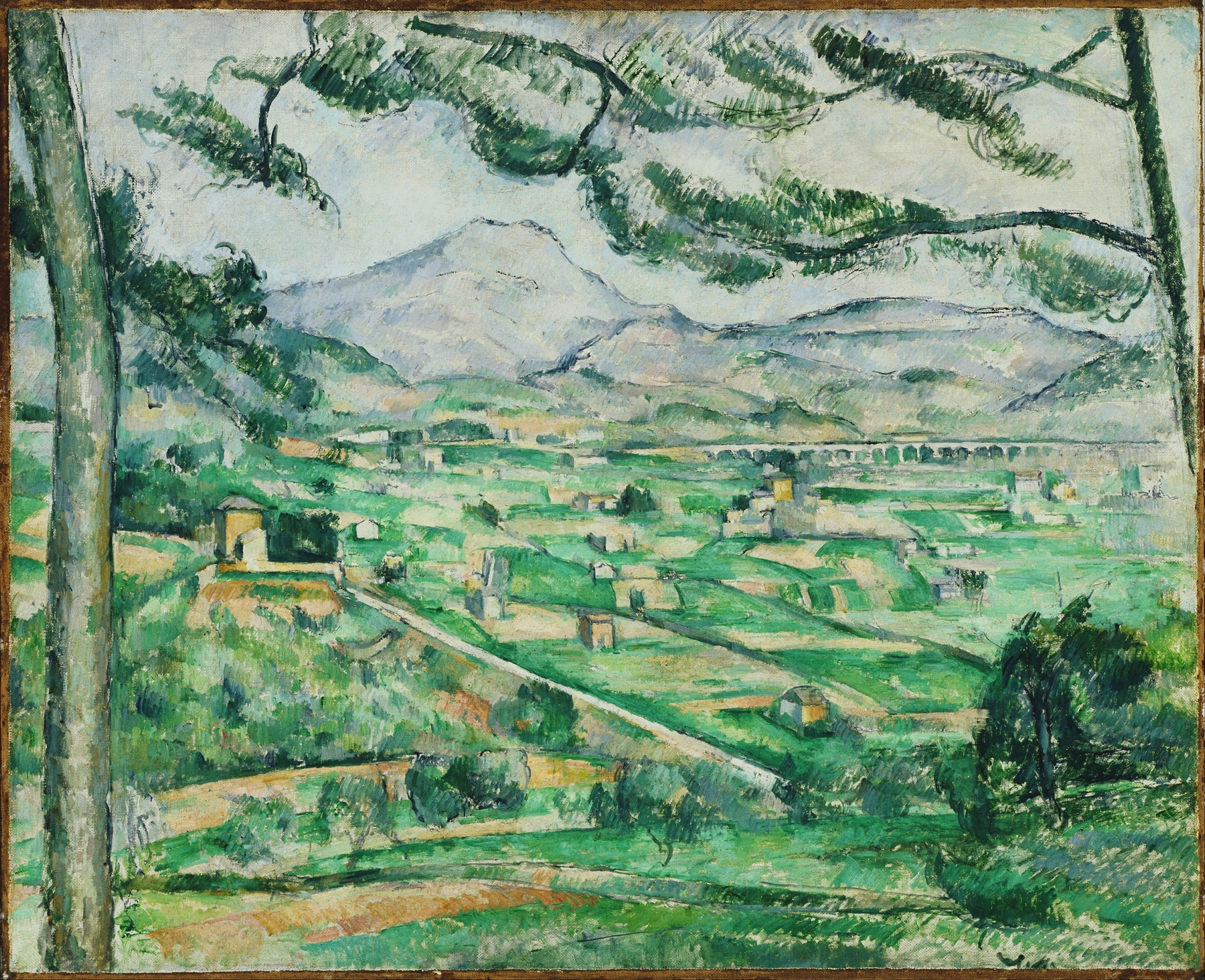
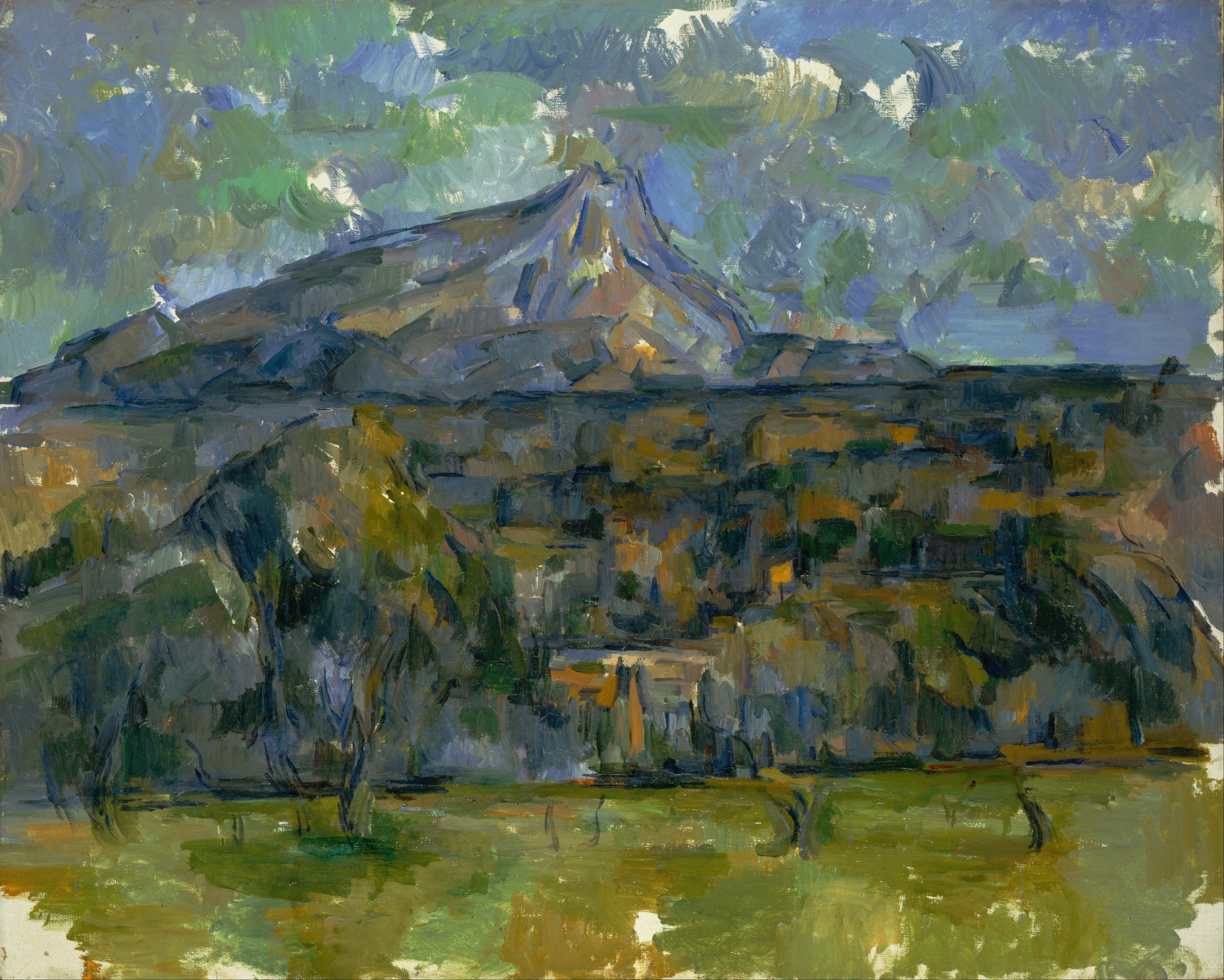
Can beauty exist without sorrow? In Maisons au Chou, à Pontoise, this question lingers in the air, as the vibrant hues of a sunlit landscape awaken a sense of nostalgia and yearning. The homes, though painted with optimism, hold a whisper of the past, inviting viewers to contemplate the duality of existence that weaves through our lives. Look to the left at the clusters of buildings nestled among the foliage.
The earthy tones of the houses contrast beautifully with the lush greens and blues of the surrounding nature, creating a harmonious yet complex tableau. Notice how the brushstrokes vary in thickness, lending texture and depth to the structures, while the soft transitions of color evoke the interplay of light and shadow that defines the charm of this countryside setting. In the foreground, the acute angles of the rooftops suggest stability, yet they are softened by the surrounding trees, illustrating the tension between man-made order and the wildness of nature. The interplay of light across the scene hints at the passage of time, reminding us that beauty often emerges from impermanence.
The subtle hints of decay in the architecture serve as a poignant reminder that even in the most idyllic settings, the specter of sorrow can linger. Paul Cézanne painted Maisons au Chou, à Pontoise in 1881 during a period of introspection and experimentation in his career. Living in the small village of Pontoise, he was immersed in a vibrant community of artists. The evolving Impressionist movement influenced his work, as he sought to capture the essence of his surroundings, inviting a deeper connection between the viewer and the landscape.