Maneschijn — History & Analysis
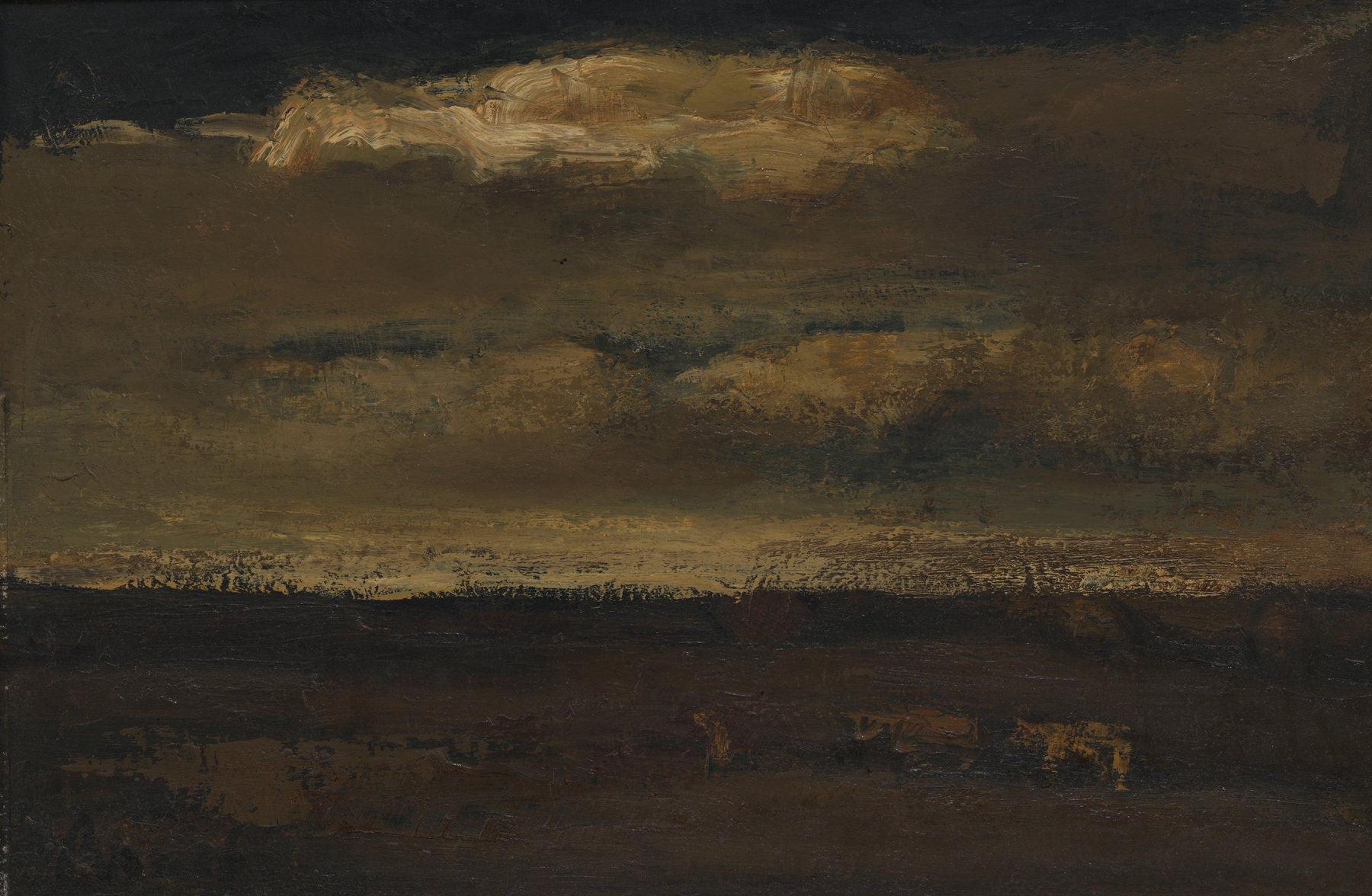
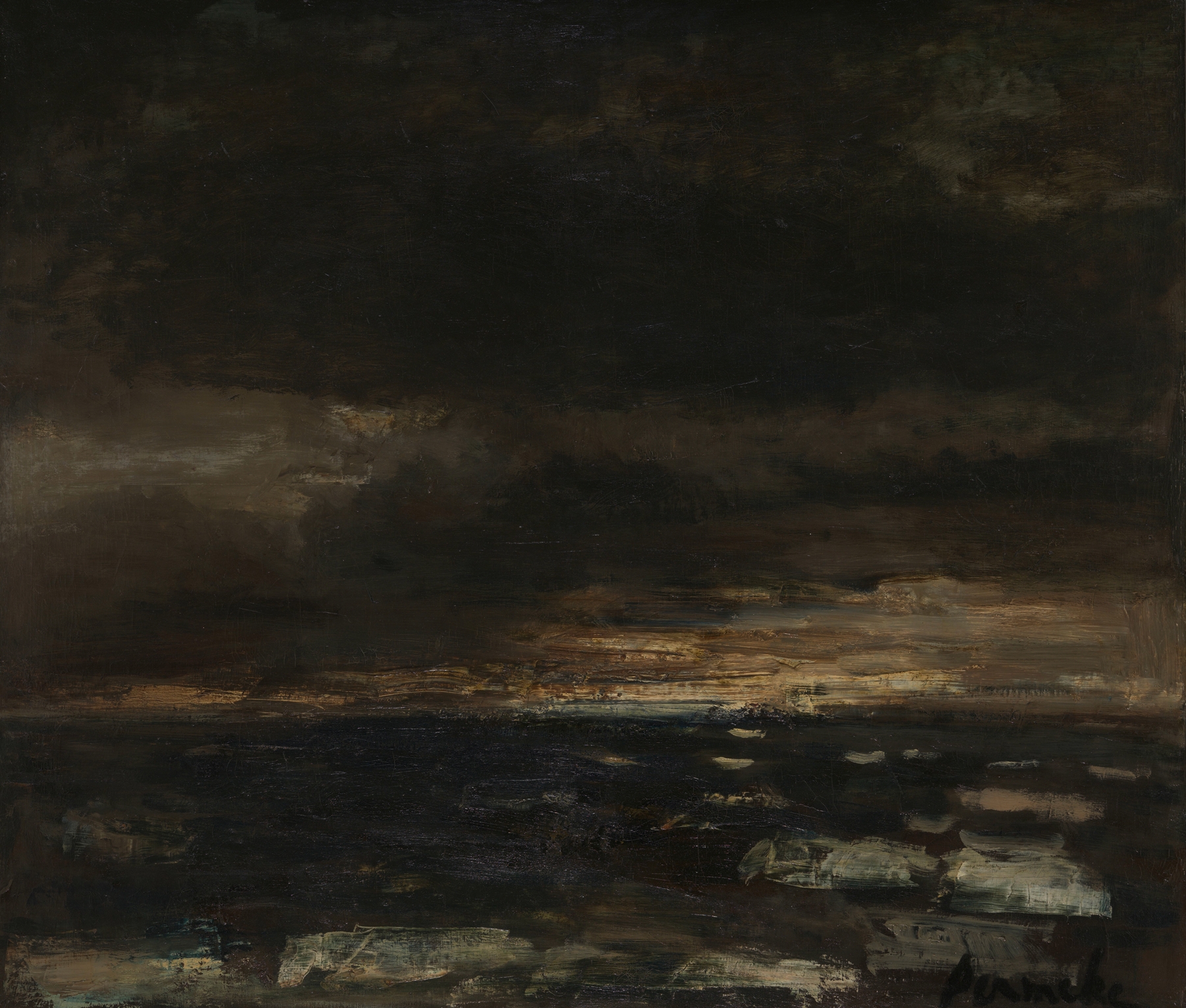
Who listens when art speaks of silence? In the stillness of Maneschijn, echoes of solitude resonate, drawing us into its quiet embrace. Look to the center of the canvas where a solitary figure stands under a blanket of moonlight. Notice the muted palette, predominantly composed of deep blues and grays, that evokes a sense of twilight. The way the light falls across the figure’s shoulders captures a moment suspended between night and day, enveloping the scene in an ethereal glow.
The composition's simplicity, with the figure grounded against a vast, shadowy expanse, speaks to the weight of isolation. Beneath the surface, layers of meaning unfold. The tension between the illuminated form and the darkness surrounding it highlights the struggle of the individual against a vast, indifferent universe. This contrast evokes not just isolation, but a profound yearning for connection, making the viewer acutely aware of their own solitude.
Each brushstroke seems to whisper of quiet despair, while the moonlight suggests a fragile solace that may never fully alleviate the ache of loneliness. Created in 1913, this piece emerged during a pivotal moment in Constant Permeke's life. Living in Belgium, he found himself navigating the complexities of a rapidly changing world, influenced by expressionism and a burgeoning modernist movement. Amid personal challenges and the looming shadows of war, Maneschijn reflects both a personal and universal experience of isolation, encapsulating the artist's exploration of the human condition in a time fraught with uncertainty.