Möbelwagen — History & Analysis
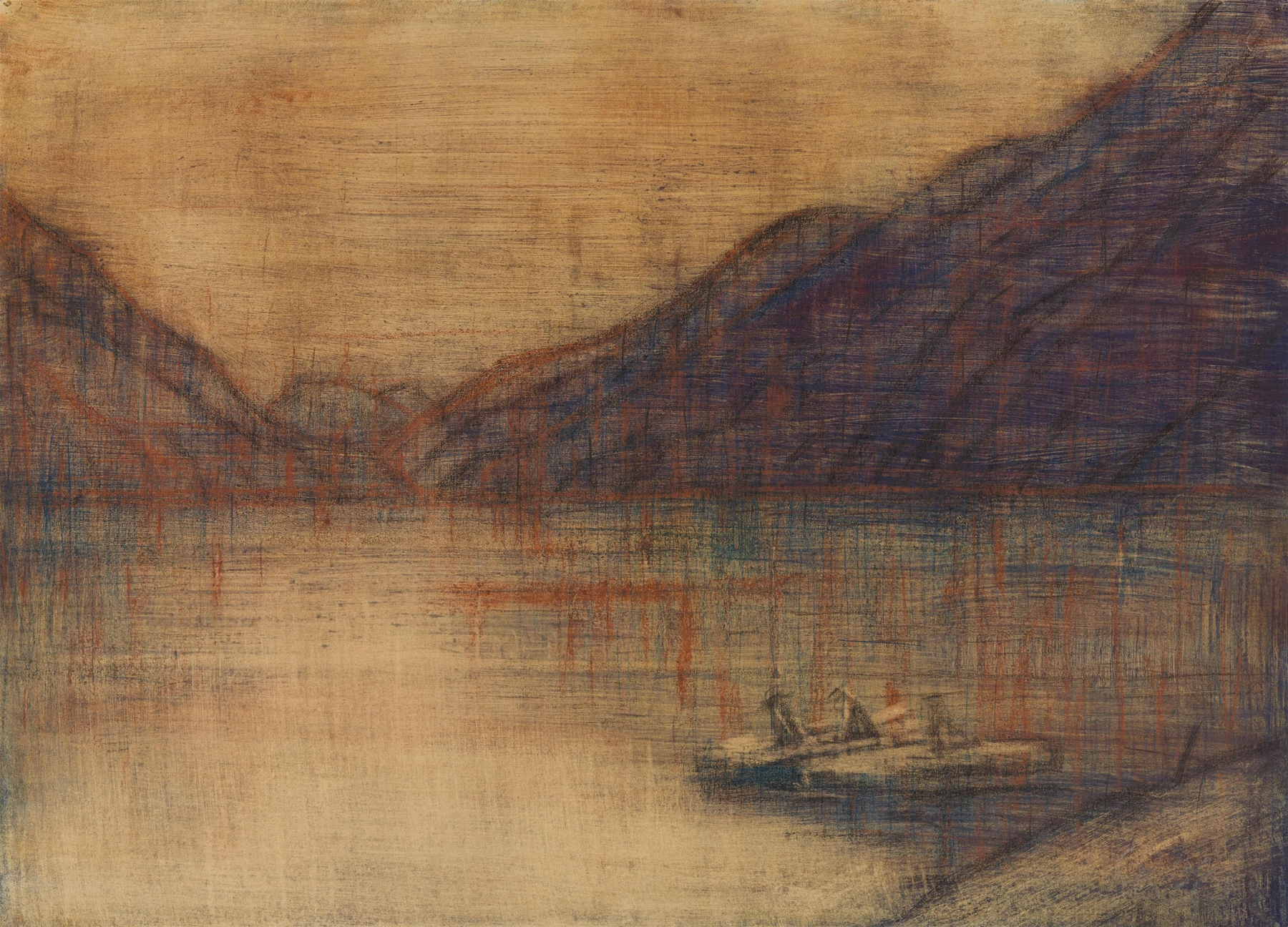
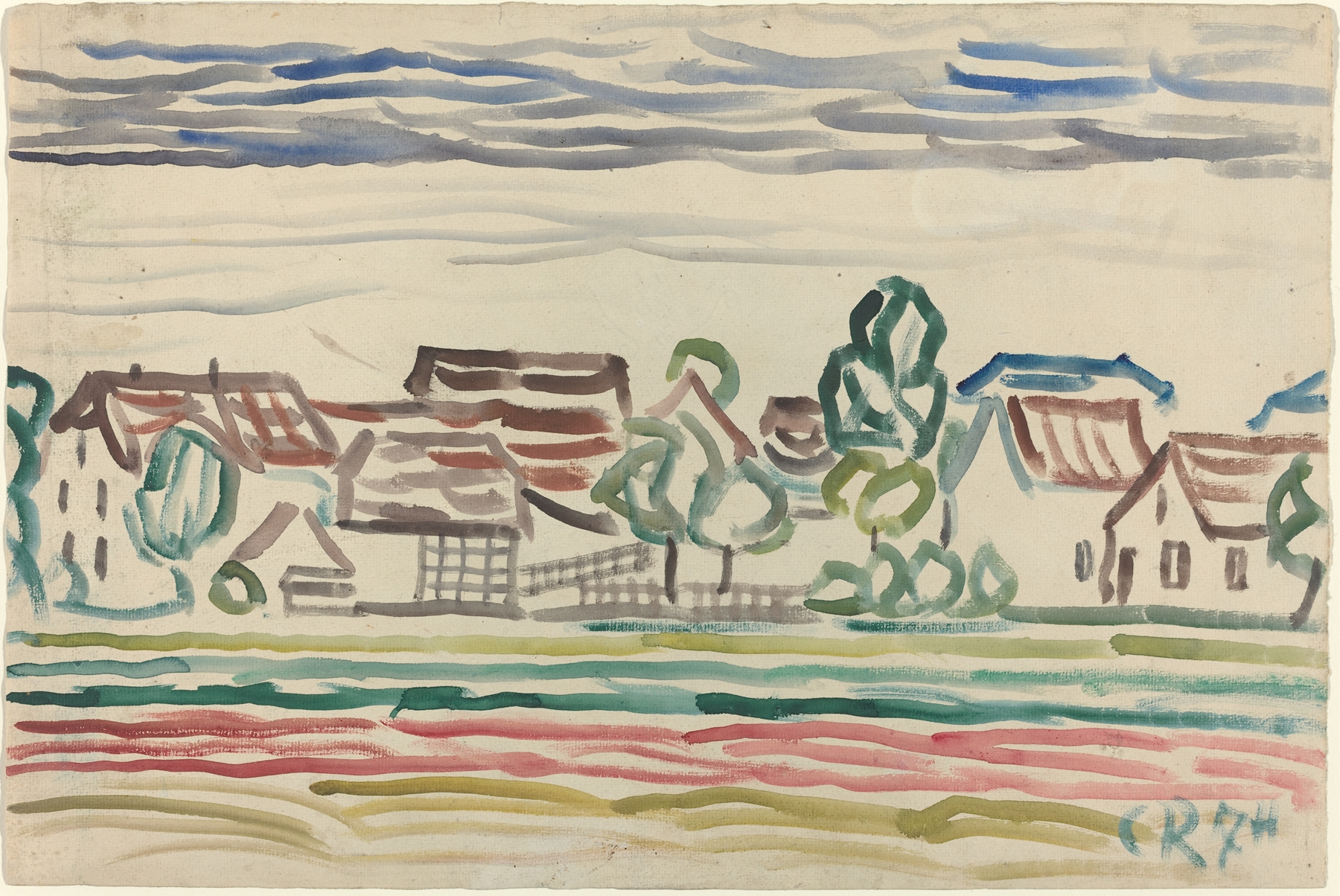
“To paint is to remember what time wants us to forget.” This profound reflection evokes the essence of human experience, steeped in the interplay of memory and destiny. In Möbelwagen, the artist captures an ethereal moment that resonates with the fragility and transience of life. Focus your gaze on the central figure, a haunting silhouette emerging from a cacophony of muted colors. The wagon, laden with belongings, becomes a vessel of stories—one that speaks of home and displacement. Notice how the artist employs thick, gestural brushstrokes that intertwine, creating a sense of movement and chaos, while the earthy palette amplifies the emotional weight of the scene.
The interplay of light and shadow casts a somber yet poignant aura, inviting contemplation on what is carried forward and what is let go. Beneath the surface lies a rich tapestry of meaning. The wagon symbolizes both journey and burden, reminding us of the emotional toll of migration and change. The figures appear almost ghostly, suggesting the specters of memory that accompany us on our paths.
There is a tension between the familiarity of the objects within the wagon and the uncertainty of the destination ahead, reflecting the duality of hope and despair that accompanies every new chapter of life. Created in 1919, Rohlfs painted Möbelwagen during a turbulent period in post-World War I Germany, a time marked by upheaval and transformation. This was an era when artists sought to capture the shifting sands of identity and existence. Rohlfs, influenced by Expressionism, used art to probe deeper realities, interpreting the struggles of his contemporaries while forging a unique visual language that transcended mere representation.