Mill at Charenton — History & Analysis
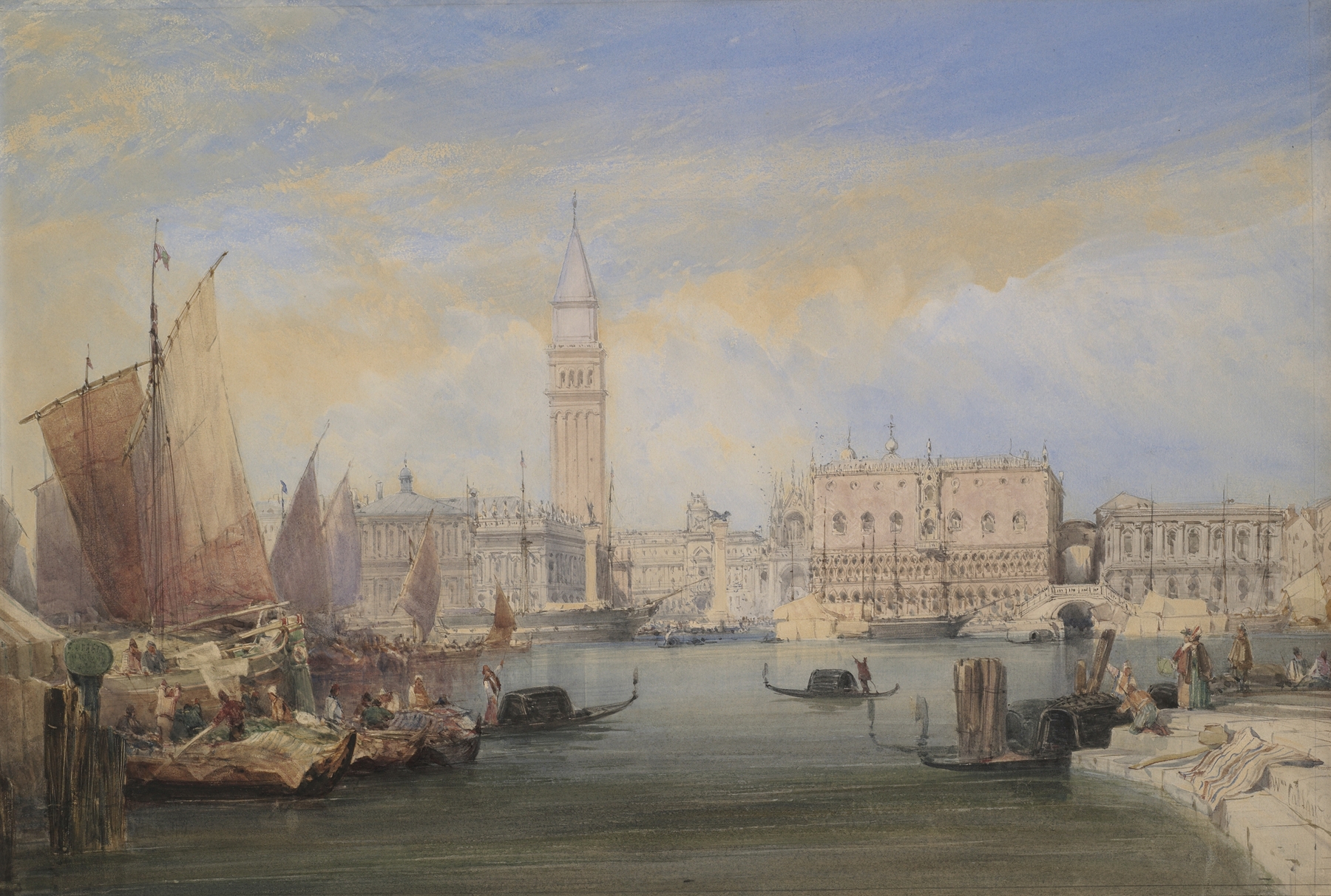
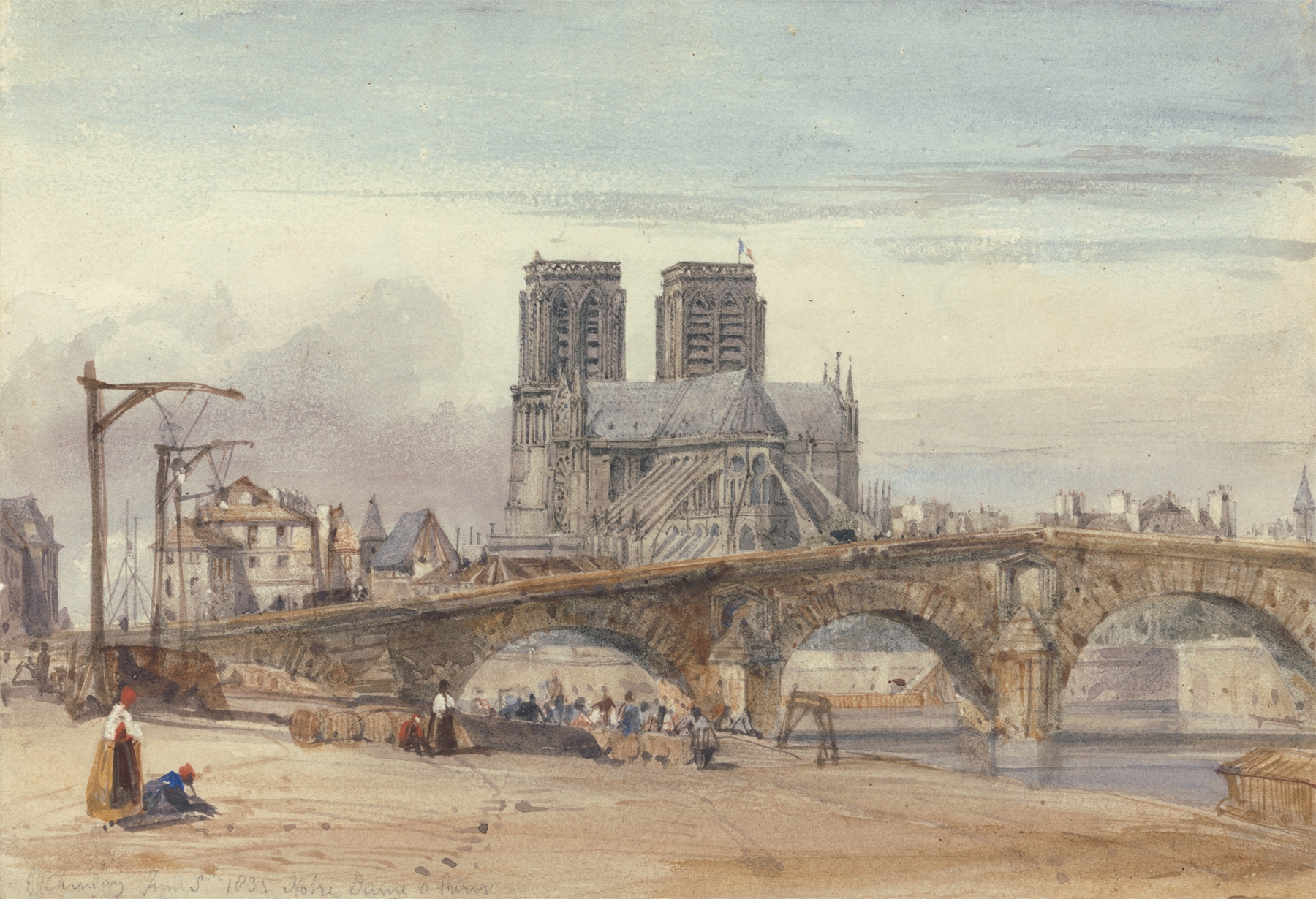
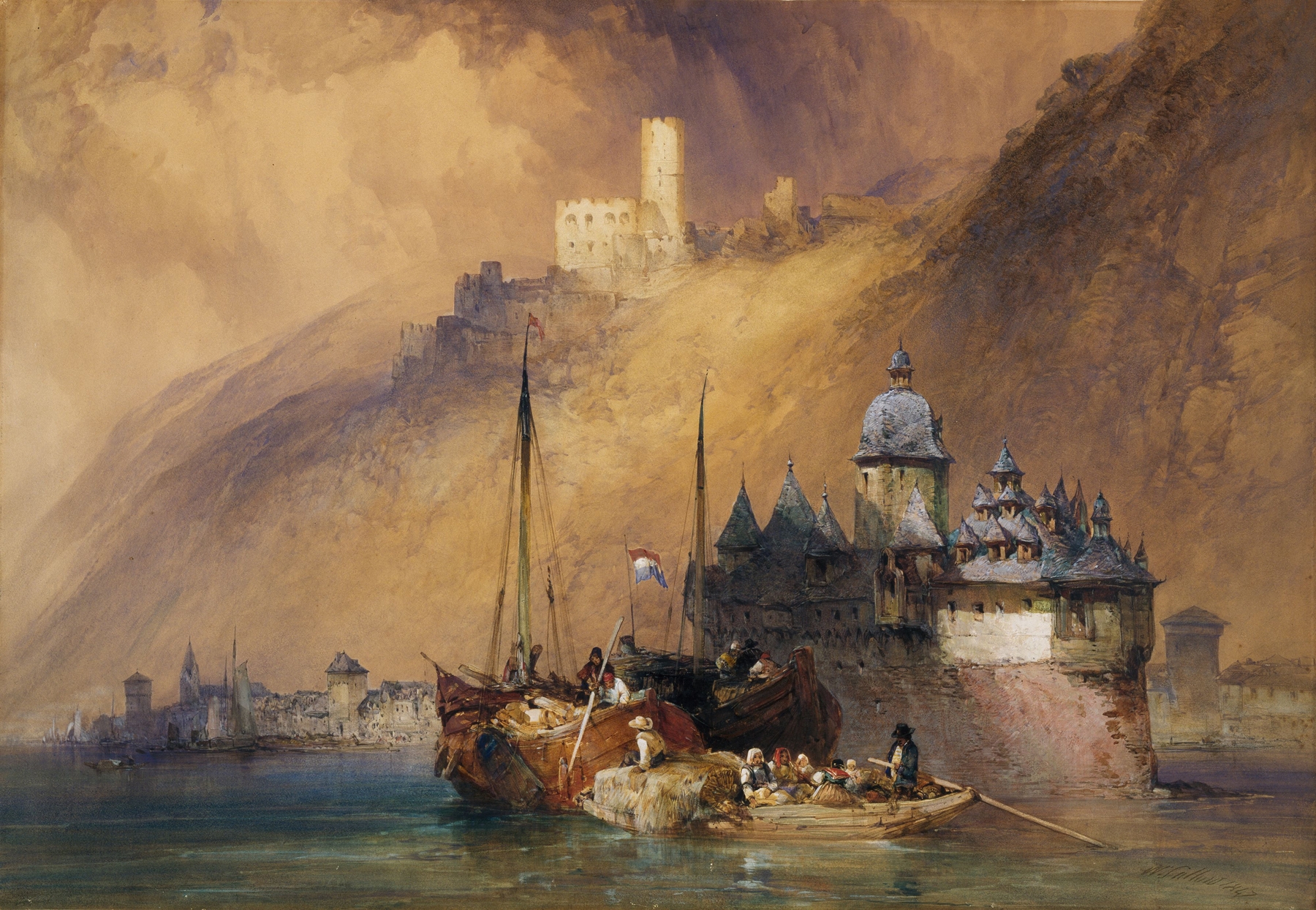
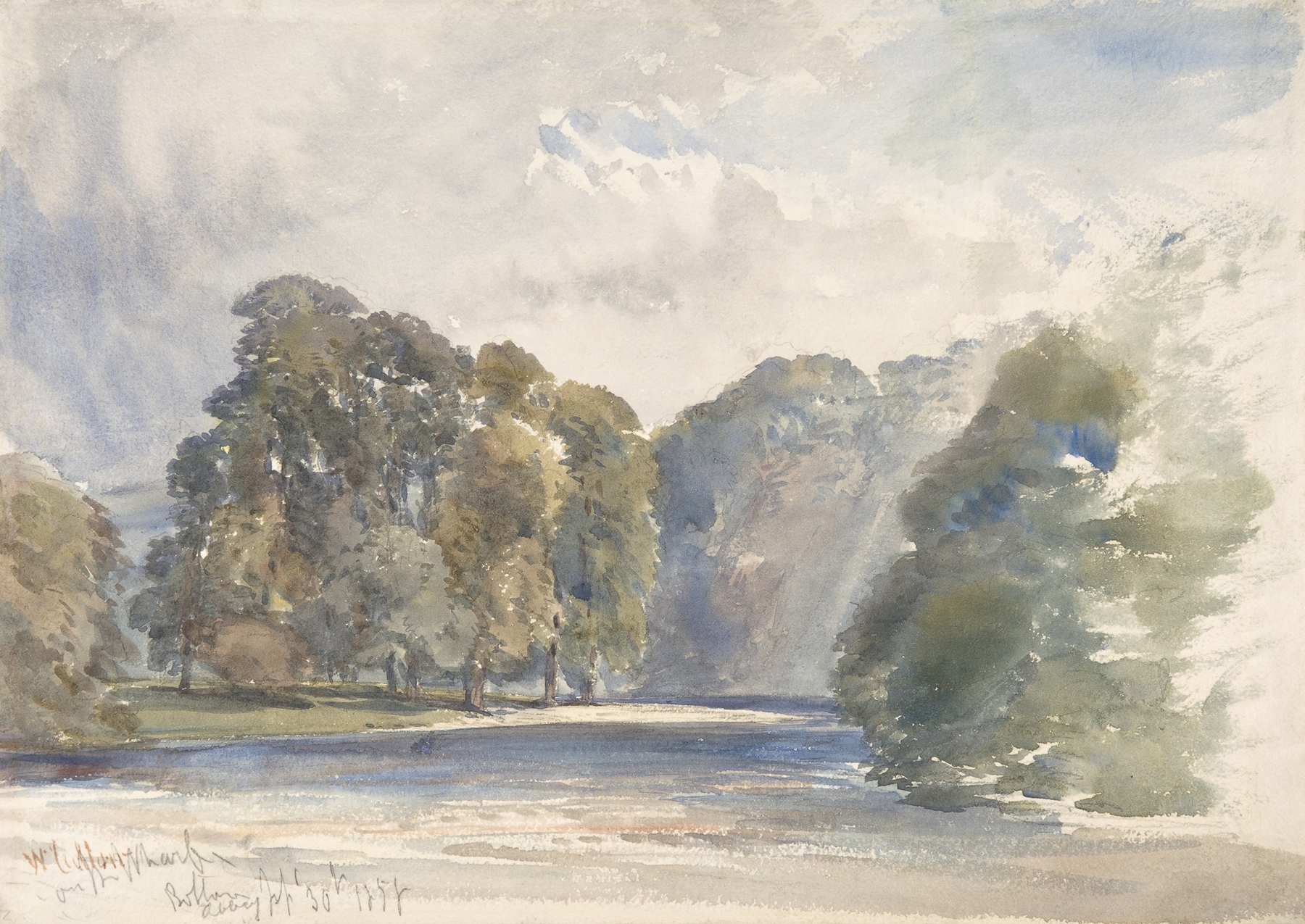
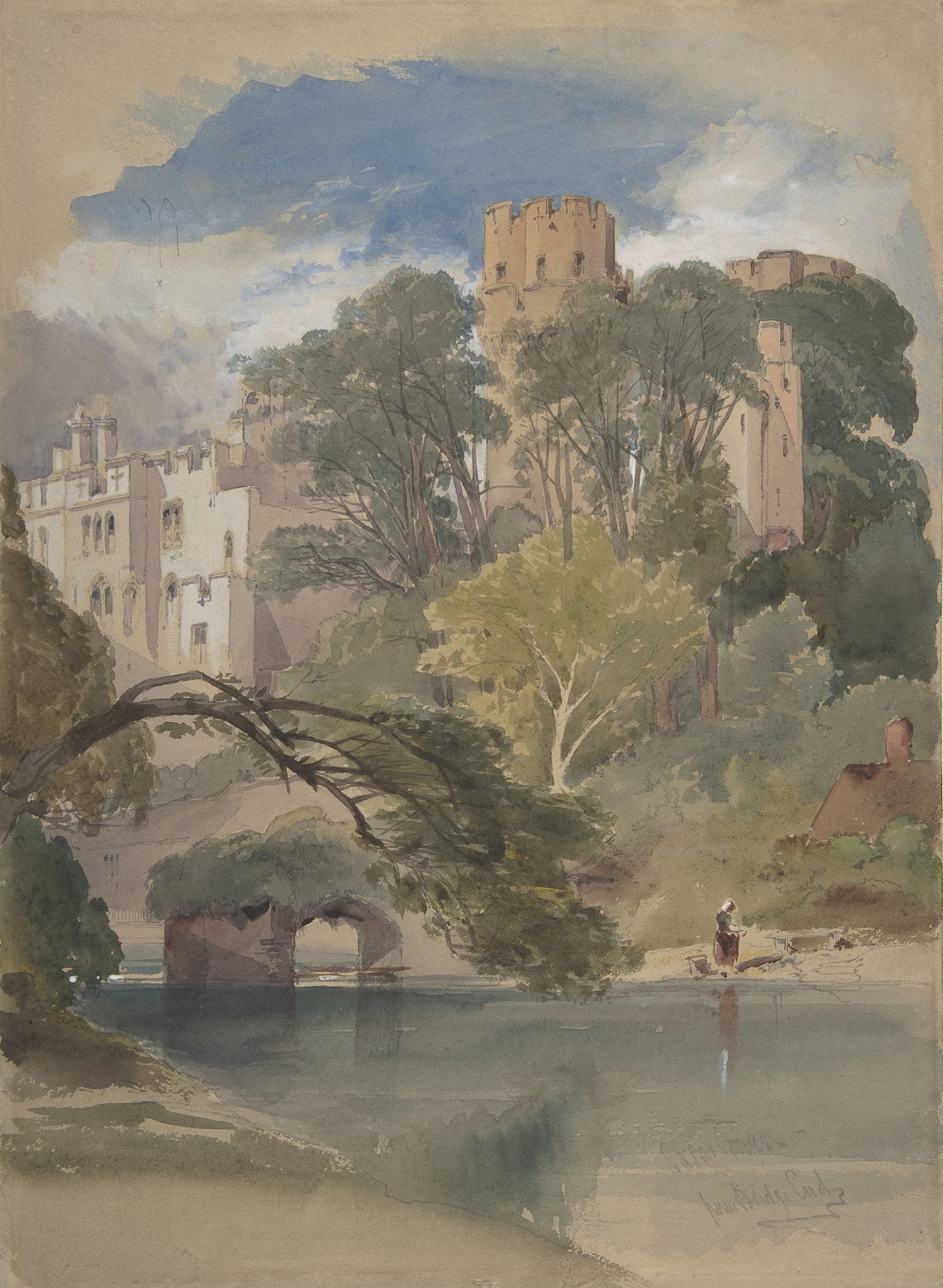
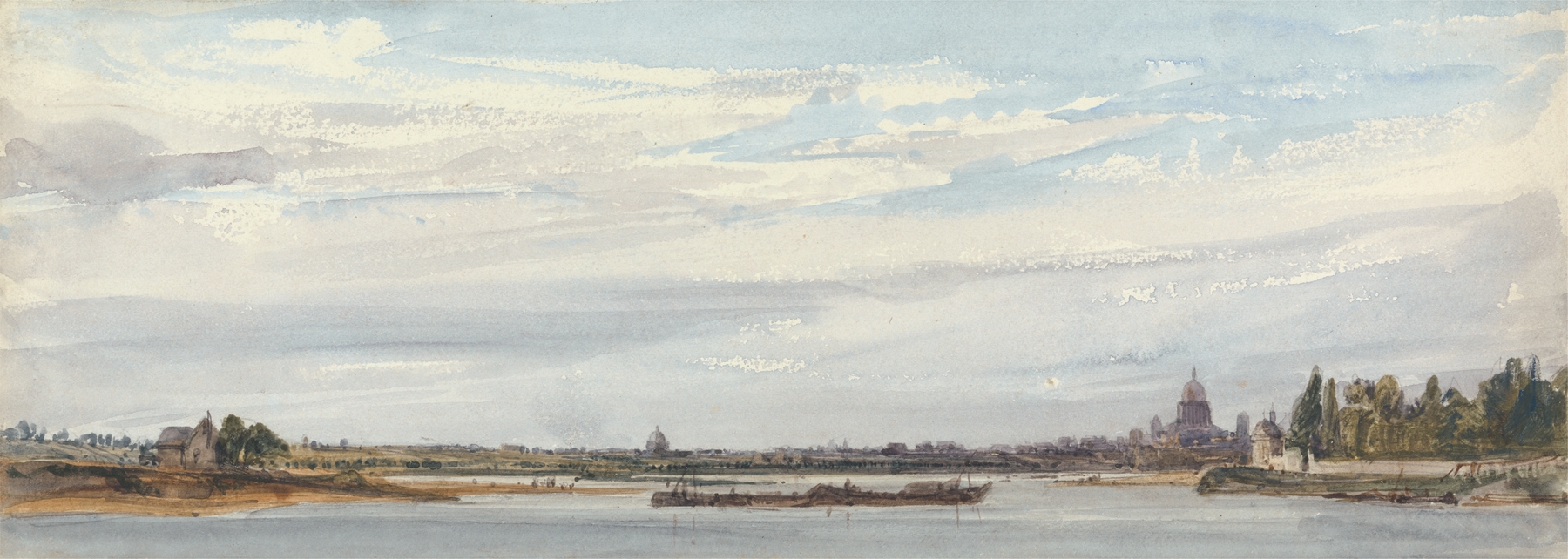
What secret hides in the quiet of the canvas? In Mill at Charenton, the interplay of color and light invites contemplation, urging the viewer to step into a tranquil world suspended in time. Look to the left at the gentle cascade of the river, where soft blues and greens blend seamlessly to create a sense of serenity. Notice how the warm golden tones of the mill’s wooden structure contrast against the cool backdrop of nature, drawing the eye toward the heart of the scene.
The delicate brushstrokes evoke movement in the water, while the towering trees provide a sense of shelter, framing the landscape with their lush green foliage. Yet beneath this calm exterior lies an intricate tension. The billowing clouds above promise change, hinting at the passage of time and the fleeting nature of peace. The juxtaposition of the industrious mill against the serene river evokes a dialogue between man and nature, suggesting harmony while acknowledging the inevitable impact of human presence.
Each element of color contributes to the narrative, intertwining feelings of nostalgia and reflection. William Callow painted Mill at Charenton during a period when he was deeply influenced by the beauty of pastoral landscapes. Active primarily in the mid to late 19th century, he found inspiration in the countryside of France while grappling with the changes of an industrializing world. This artwork reflects not only his mastery of watercolor but also a desire to capture the essence of tranquility before the tumult of modernity fully took hold.