Mill Dam — History & Analysis
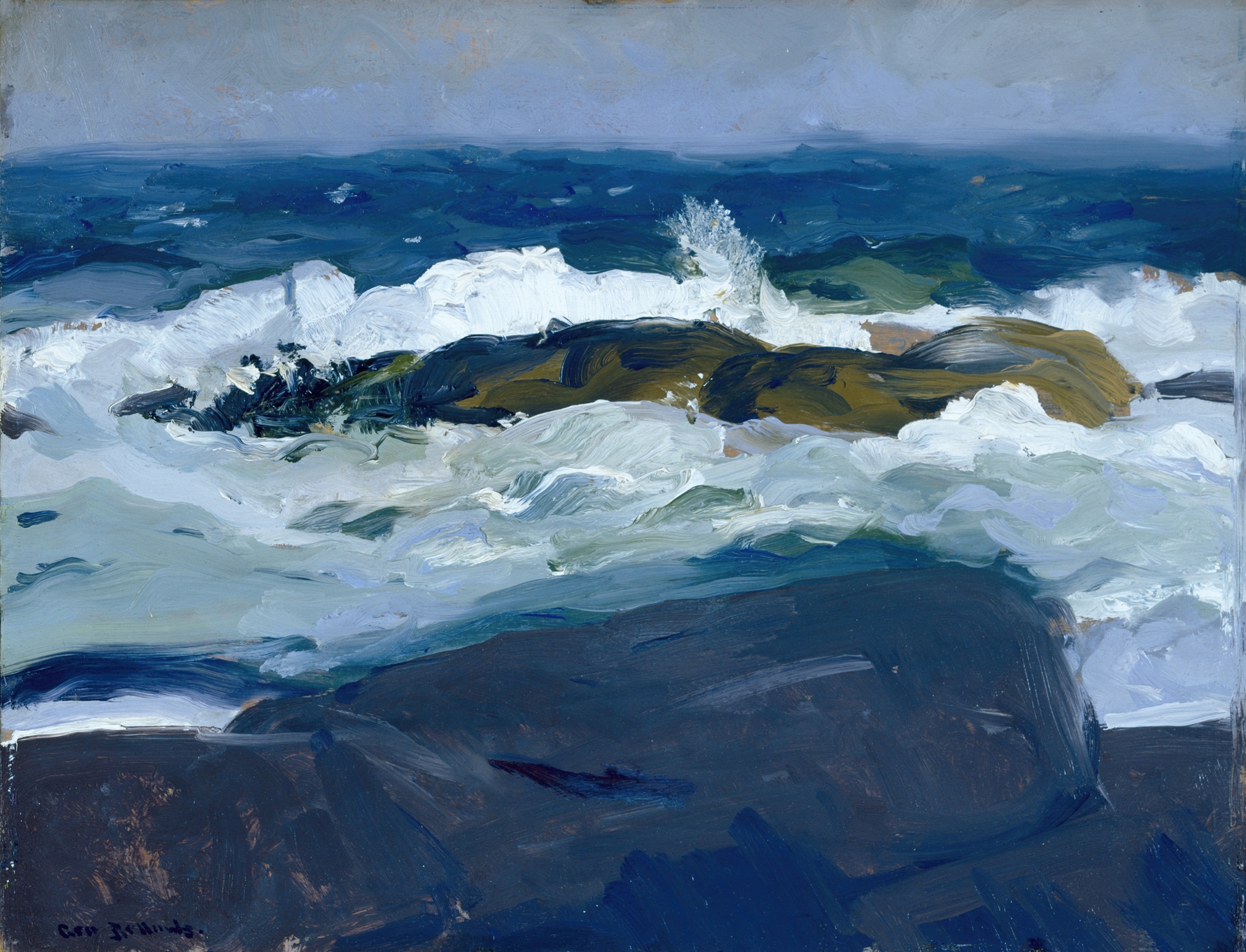
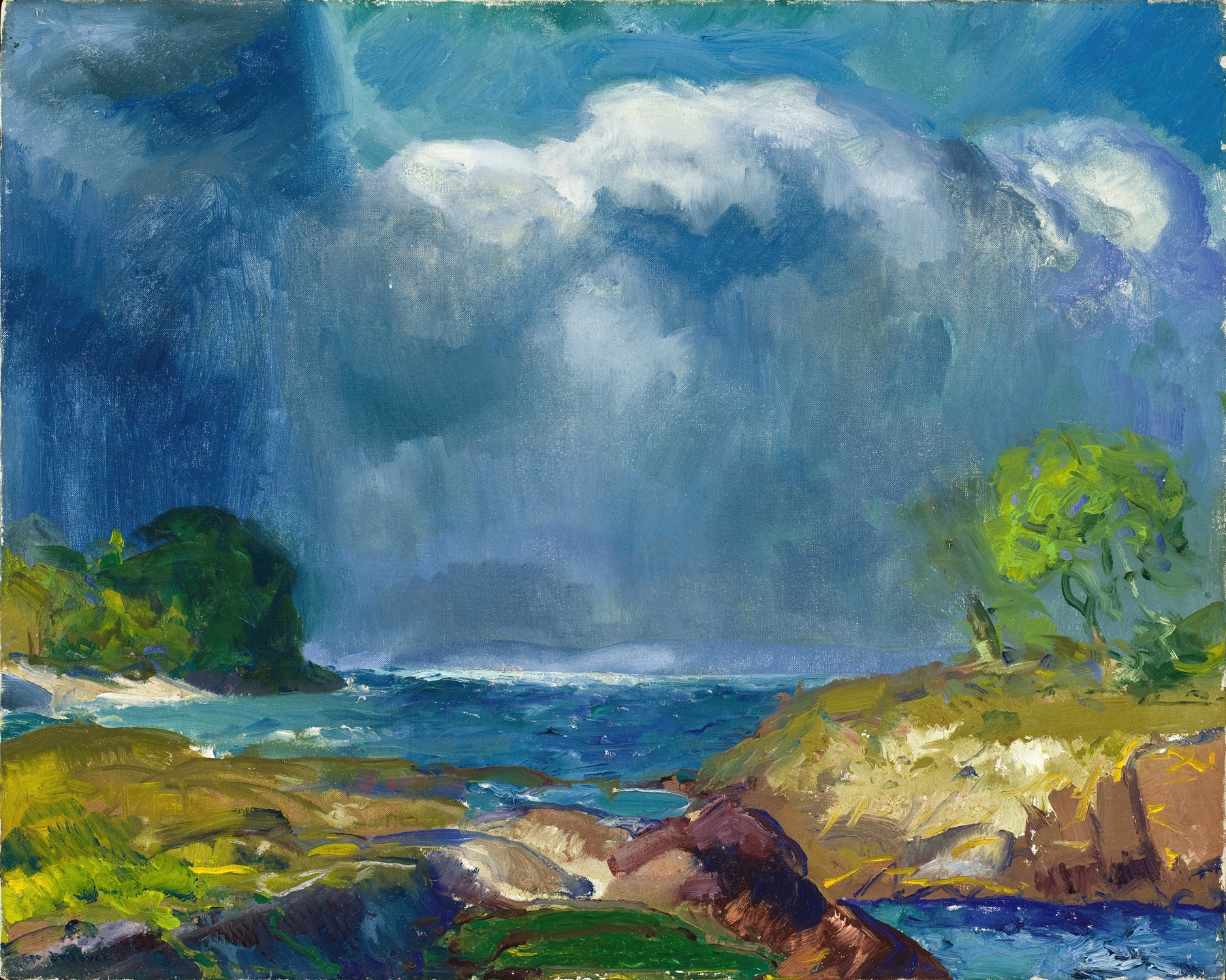
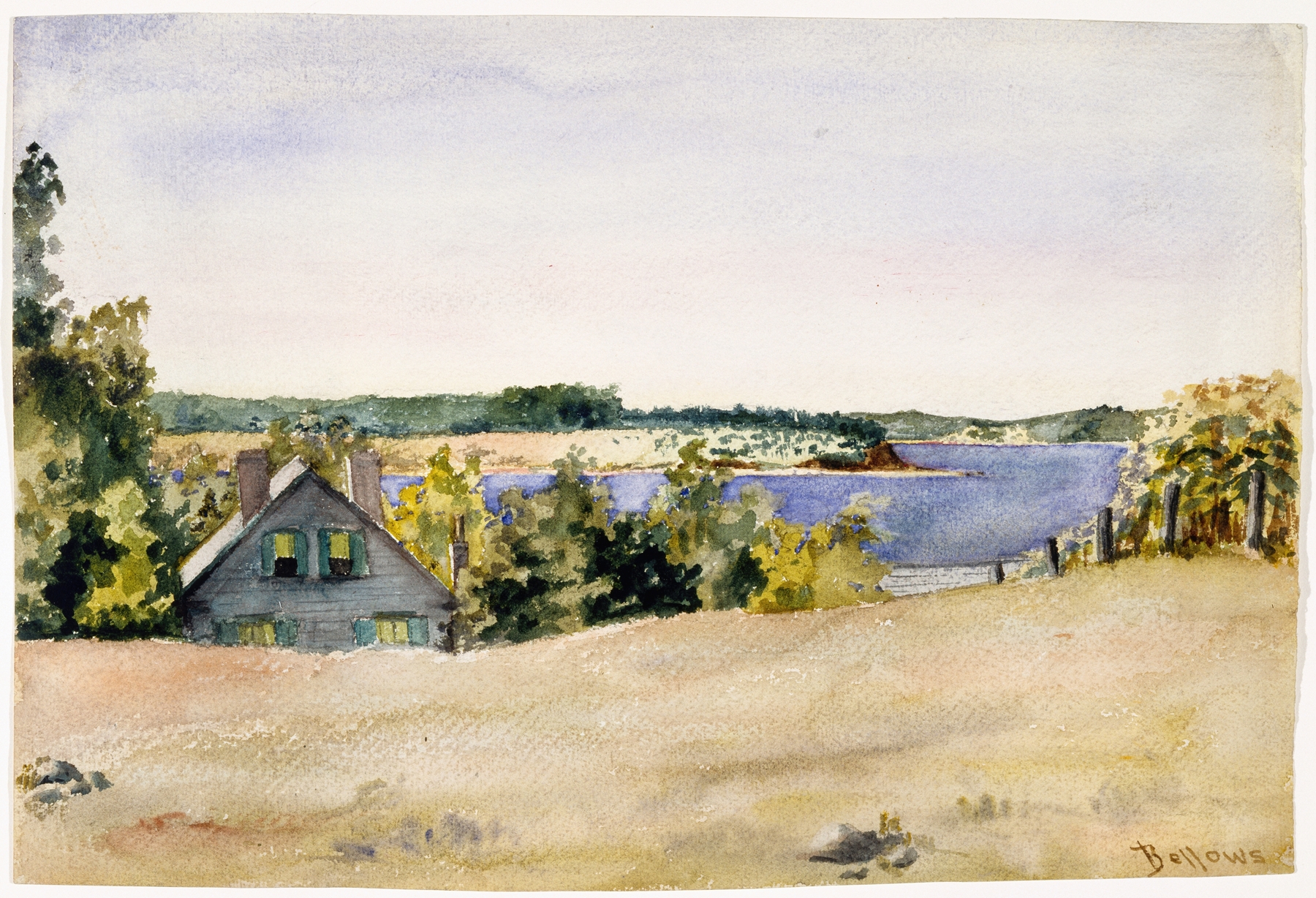
Can paint confess what words never could? In Mill Dam, a haunting exploration of solitude unfolds, revealing the quiet ache that often resides within the human experience. The canvas vibrates with a palpable tension, embodying the essence of loneliness that grips both the scene and its unseen characters. Focus on the deep, swirling blues and grays that dominate the background, where the water merges with the encroaching shadows.
Notice how the artist deftly captures the striking contrast between the rugged, stark outlines of the dam and the tender, rippling reflections on the surface. Your eyes are drawn to the subtle interplay of light and dark, where hints of warm earth tones punctuate the chill of the scene, inviting you to ponder the emotions veiled beneath the surface. Within this composition lies a deeper narrative: the juxtaposition of the industrious dam against the desolate landscape evokes feelings of isolation amidst activity. Look closely at the brushstrokes; they reveal a sense of urgency and immediacy, perhaps reflecting the internal struggles faced by those who navigate life in solitude.
The stillness of the water serves as a mirror, both literally and metaphorically, reflecting back the weight of unspoken thoughts and the quiet desperation of yearning for connection. In 1924, George Wesley Bellows painted Mill Dam during a period when he was grappling with both personal and societal shifts. Fresh from the turmoil of World War I and amidst the evolving landscape of American art, he sought to convey the raw emotional landscape of his time. This work stands as a testament to his ability to capture not just the physical world, but the profound human emotions that linger in its shadows.