München, Marienplatz — History & Analysis
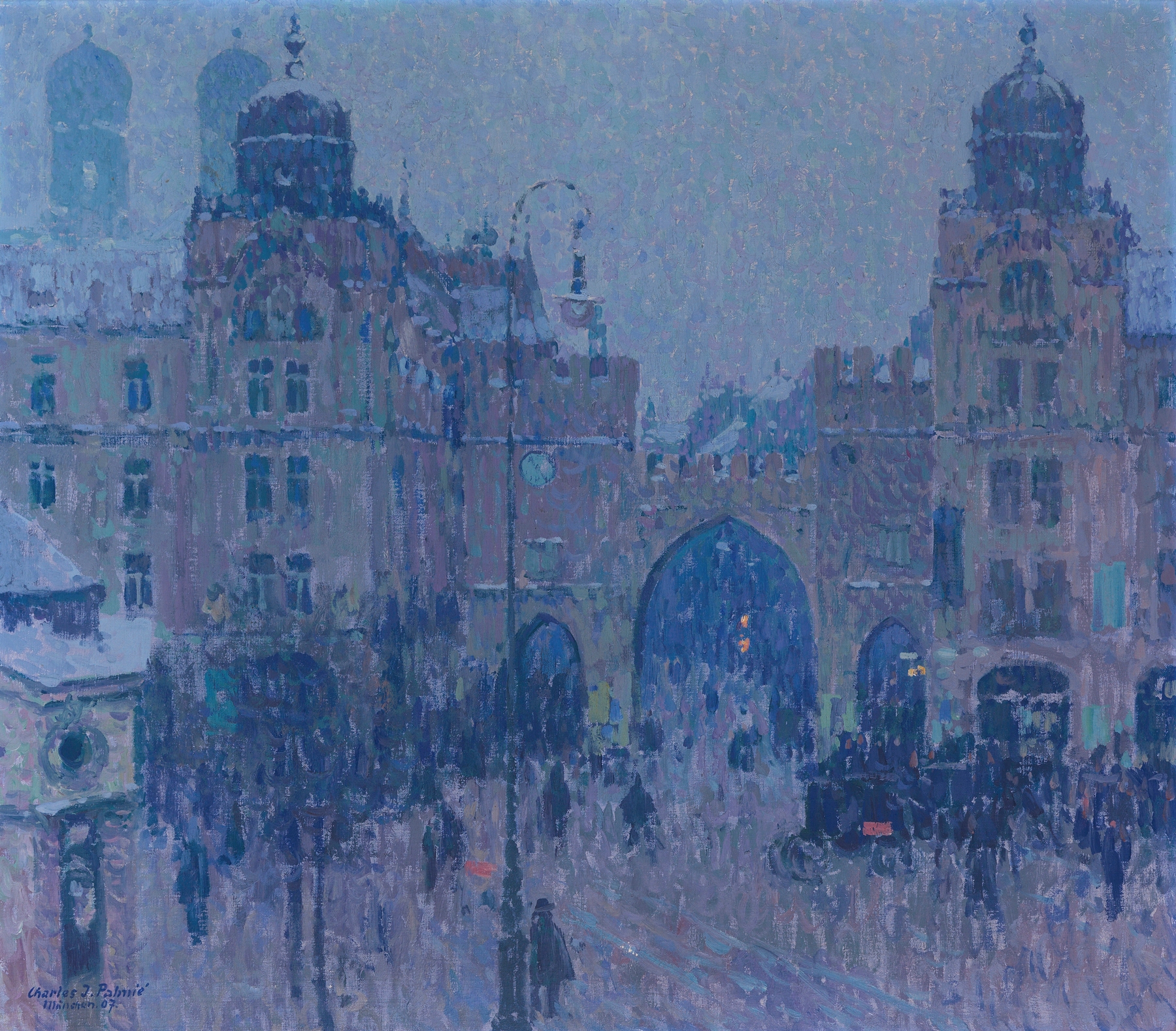
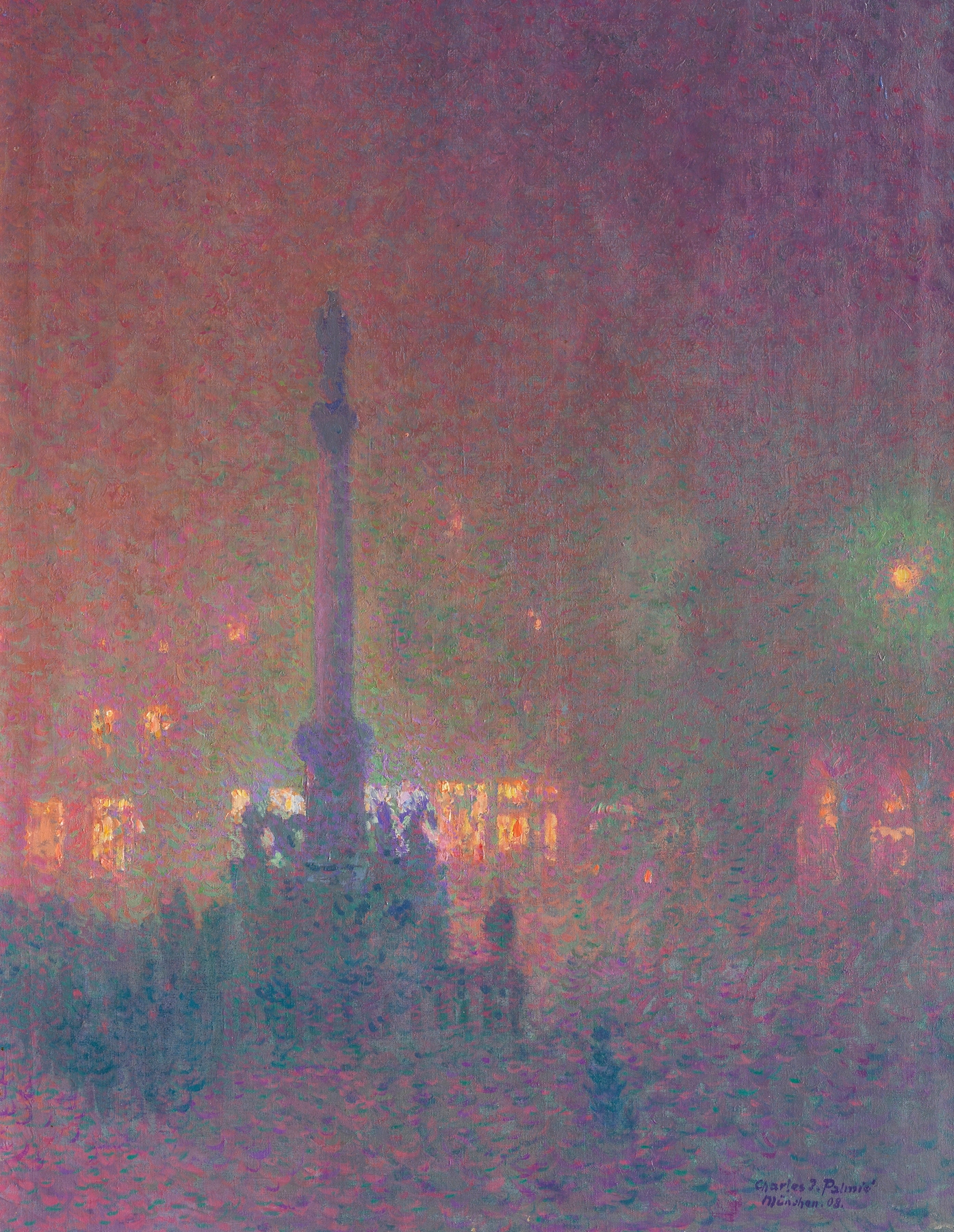
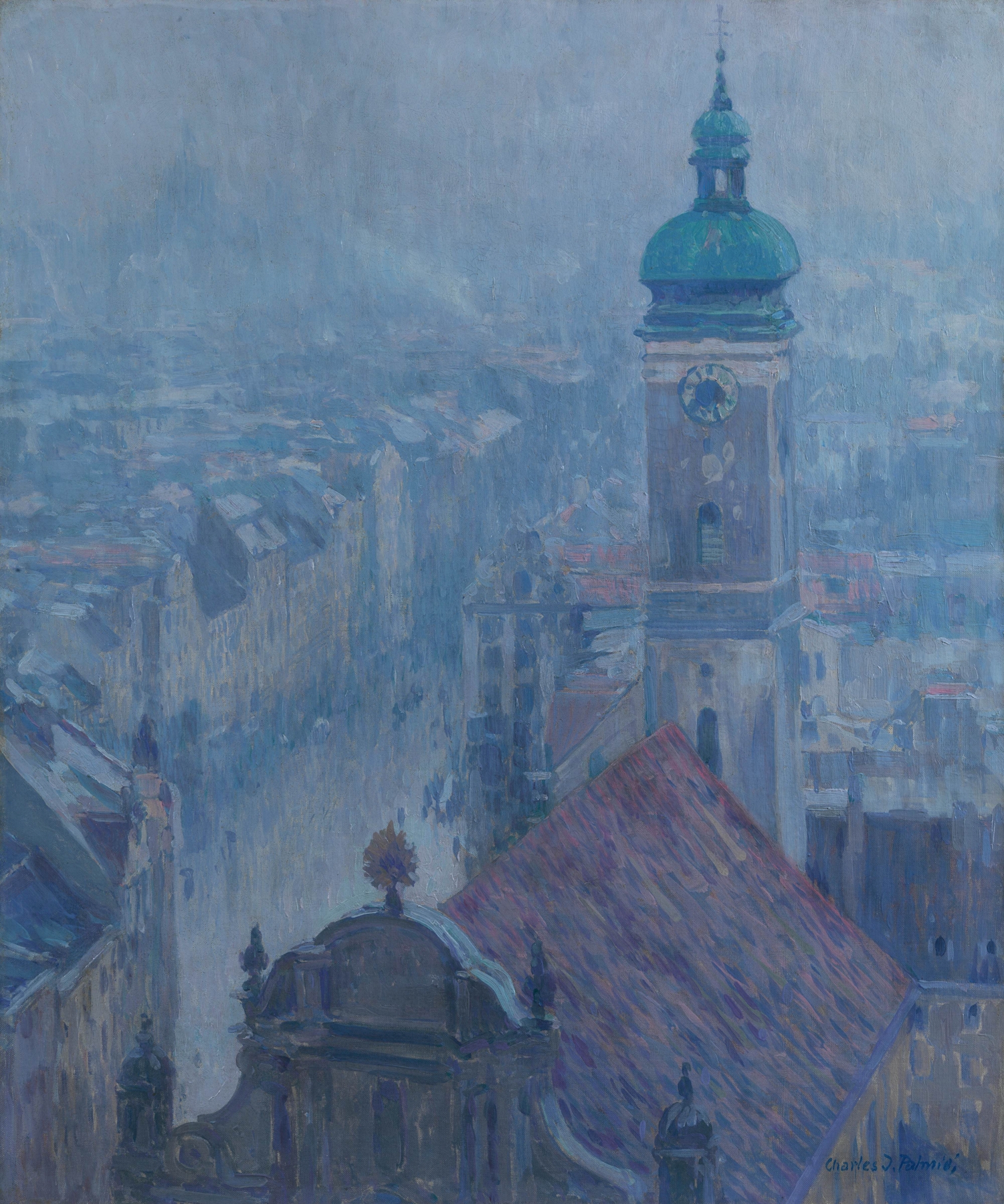
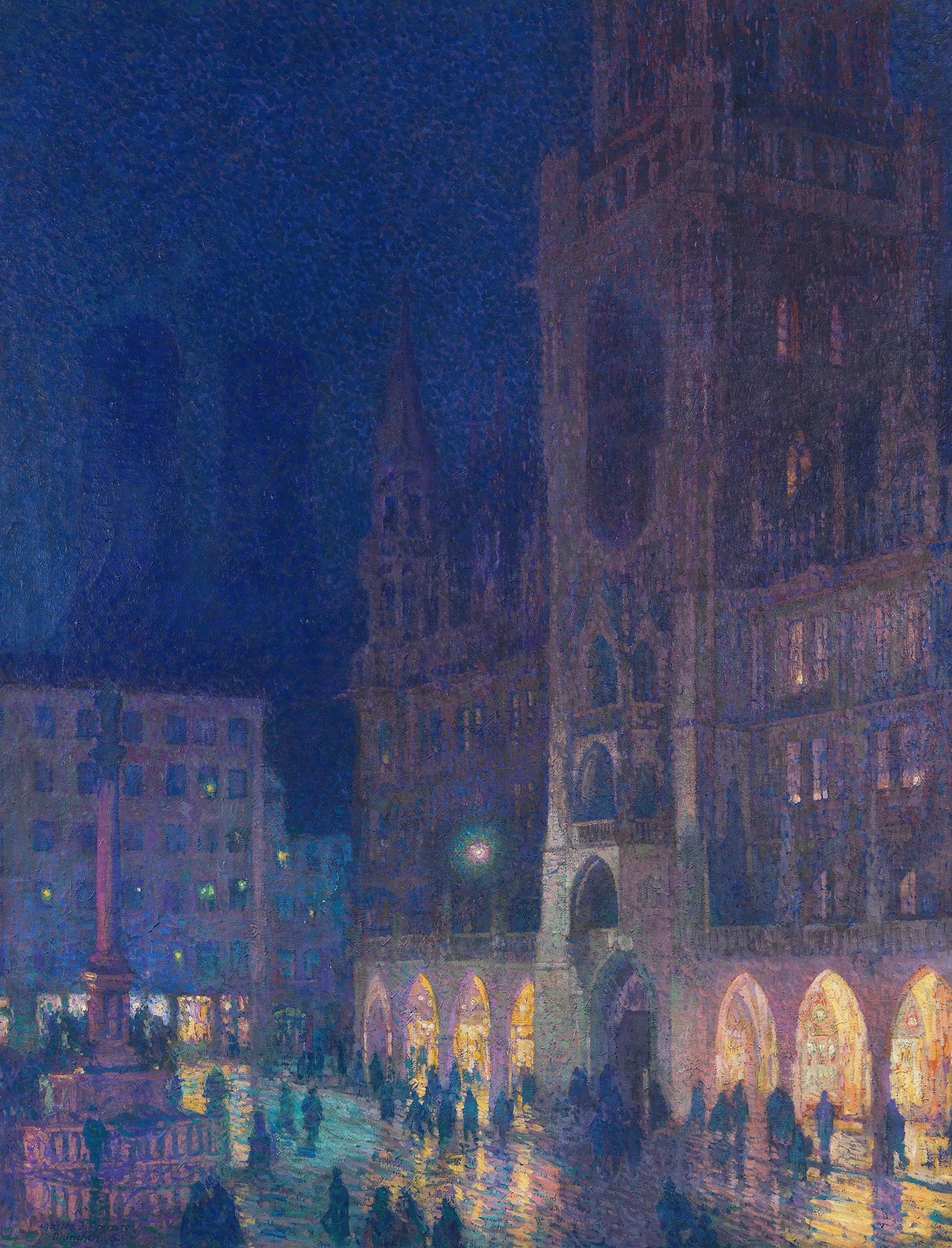
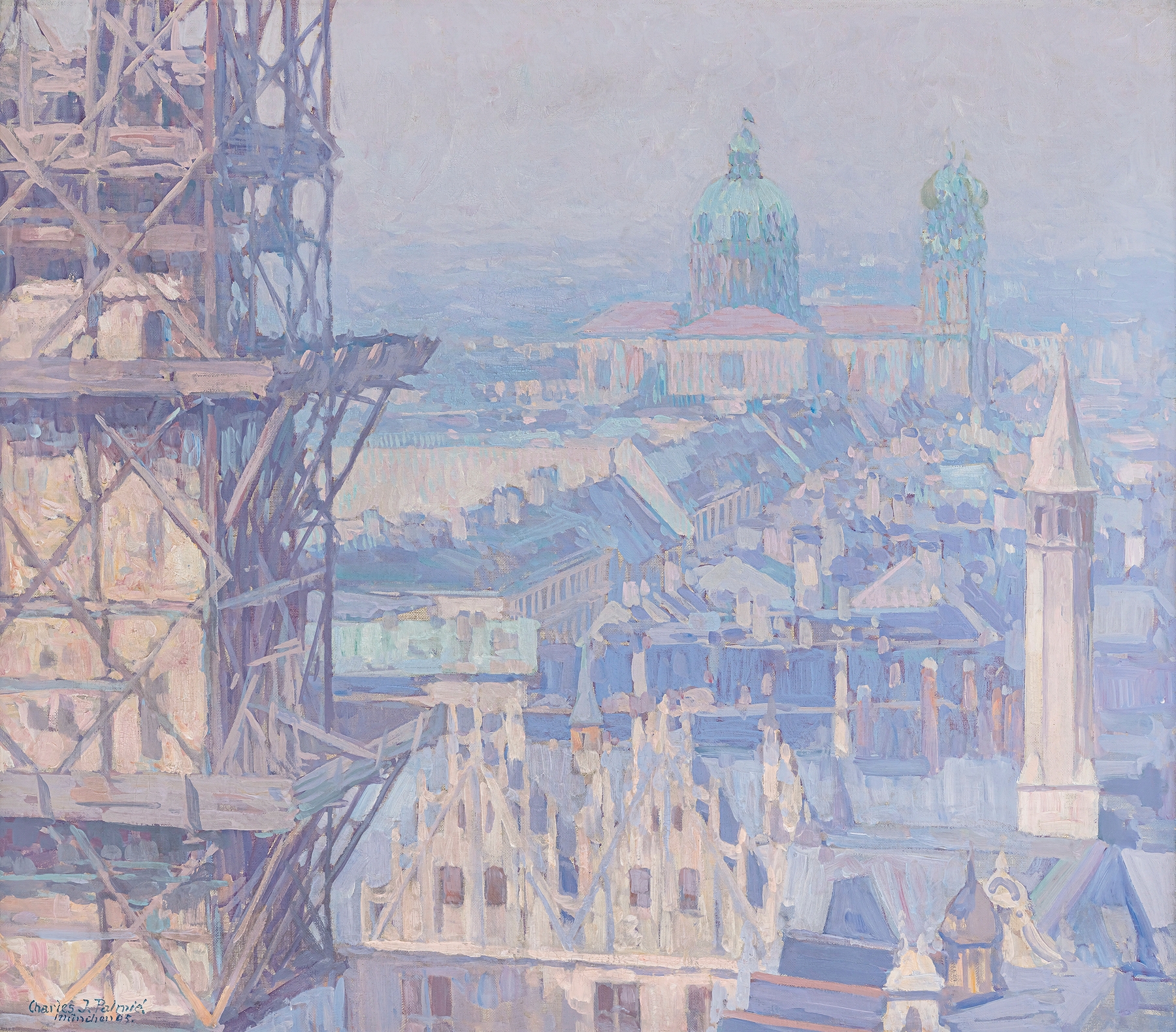
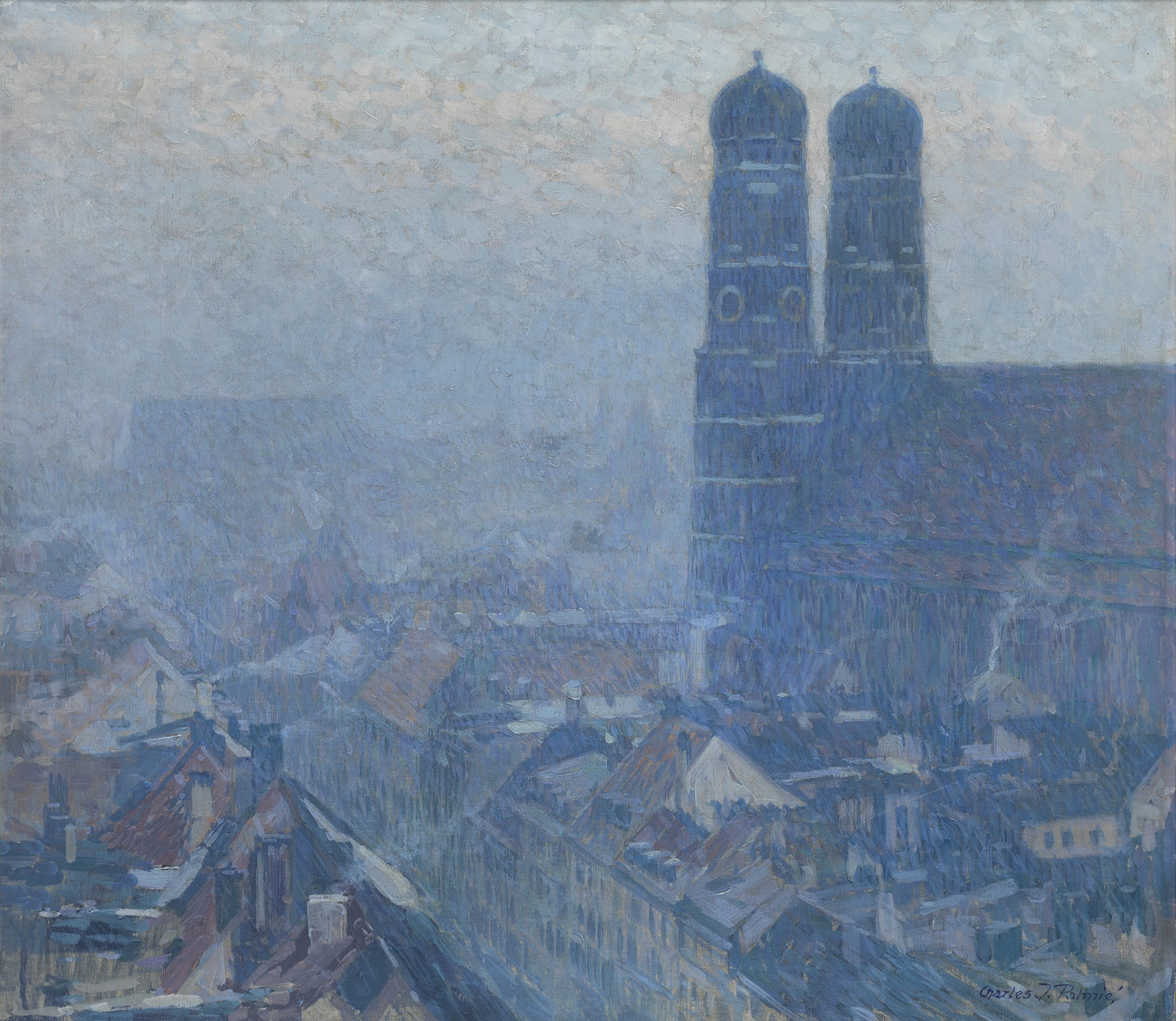
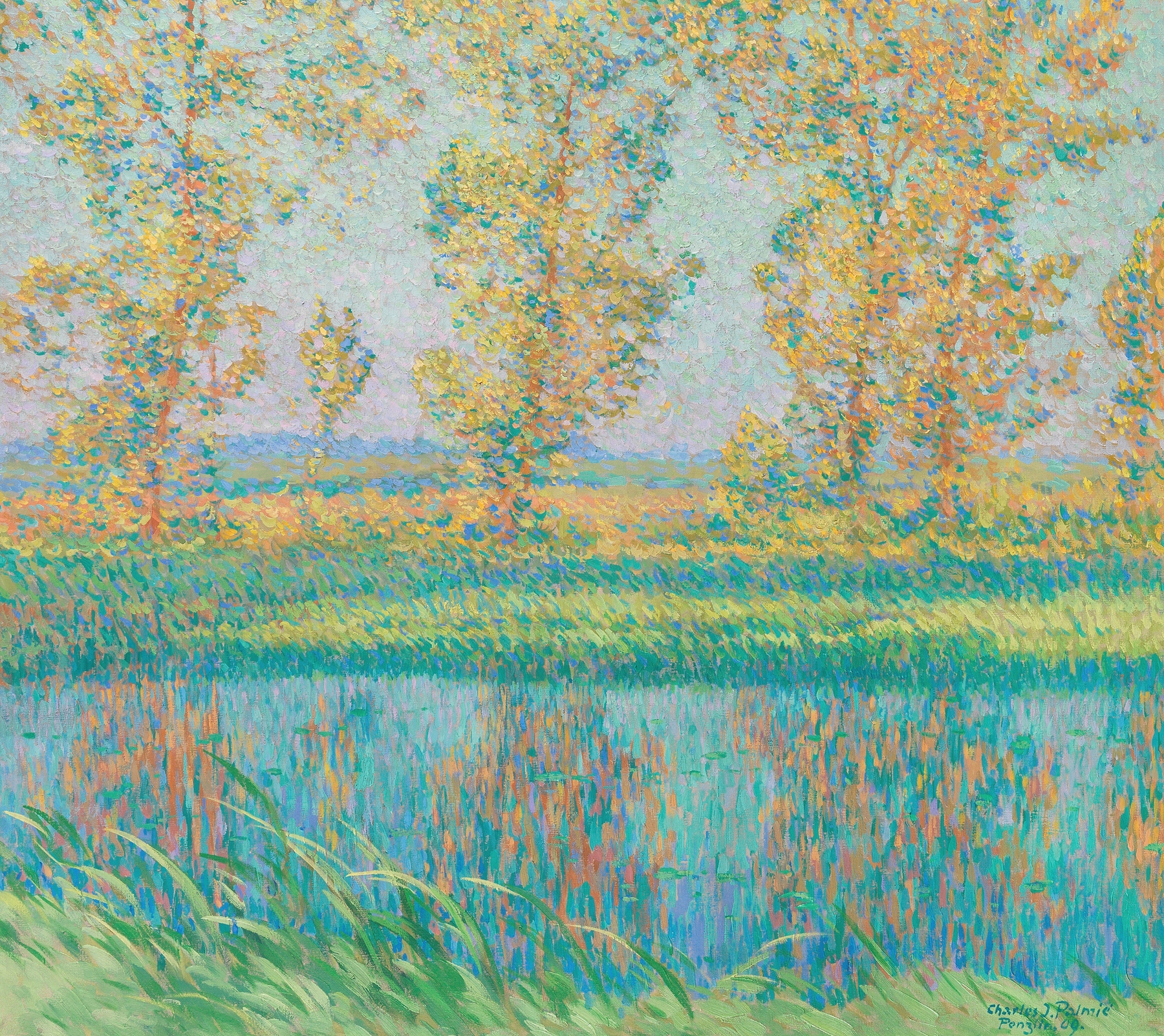
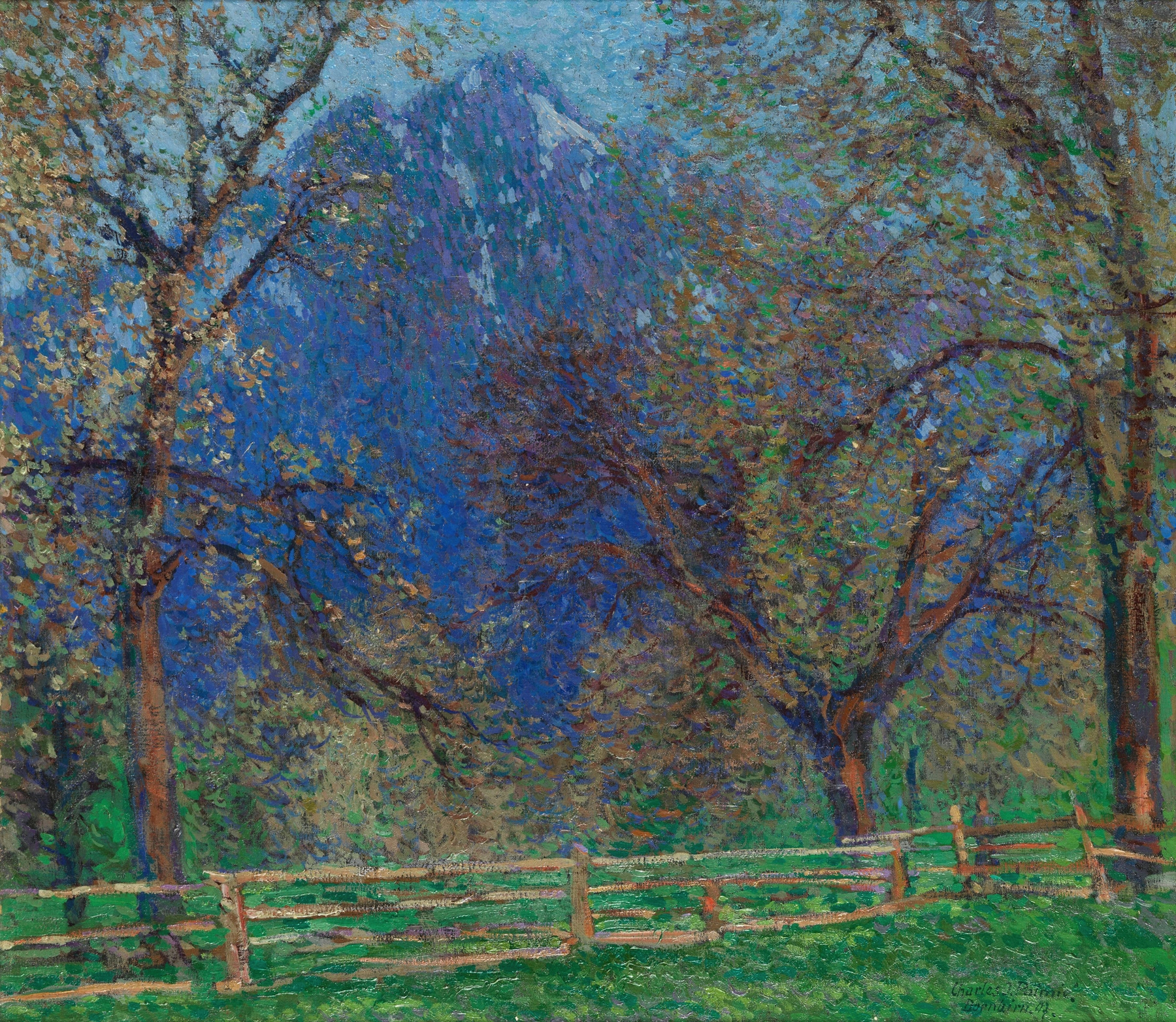
Can beauty exist without sorrow? The answer lies in the remnants of time, where the past lingers in the echoes of life once lived. Look closely at the central square where the architecture rises with a solemn grace, each detail etched with memory. The shadows stretch across the cobblestones, hinting at the passage of days, while the magnificent spires reach skyward, battling against the inevitable decay.
Notice how the soft, muted tones evoke a sense of nostalgia; the faded colors capture the essence of a city that has witnessed both triumph and despair. As you explore further, consider how the figures populating the square appear both vibrant and ghostly. They seem to pulse with energy, yet their expressions carry an air of melancholy, hinting at stories untold and lives interrupted. This contradiction underscores the coexistence of joy and loss, revealing that every bustling moment in life is tinged with the inevitability of decline.
In 1907, Palmié found himself at a crossroads in Munich, a city alive with artistic innovation yet haunted by history. Influenced by the tensions within modernity, he portrayed a world that reflected both the beauty of existence and the haunting specter of decay. This work emerged during a period when artists were grappling with the philosophies of life and urbanization, capturing the essence of an era on the verge of profound change.