Sommerlandschaft — History & Analysis
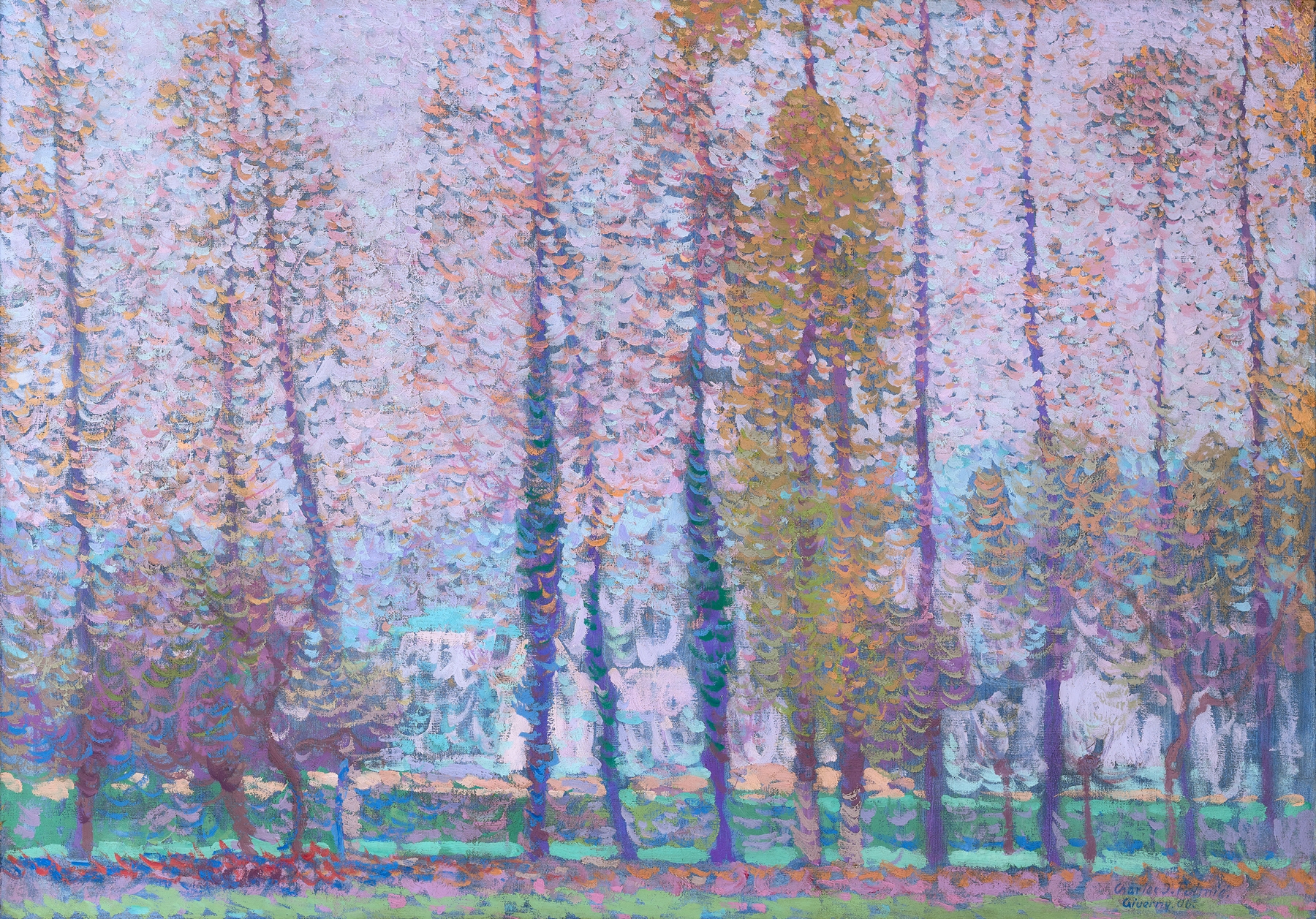
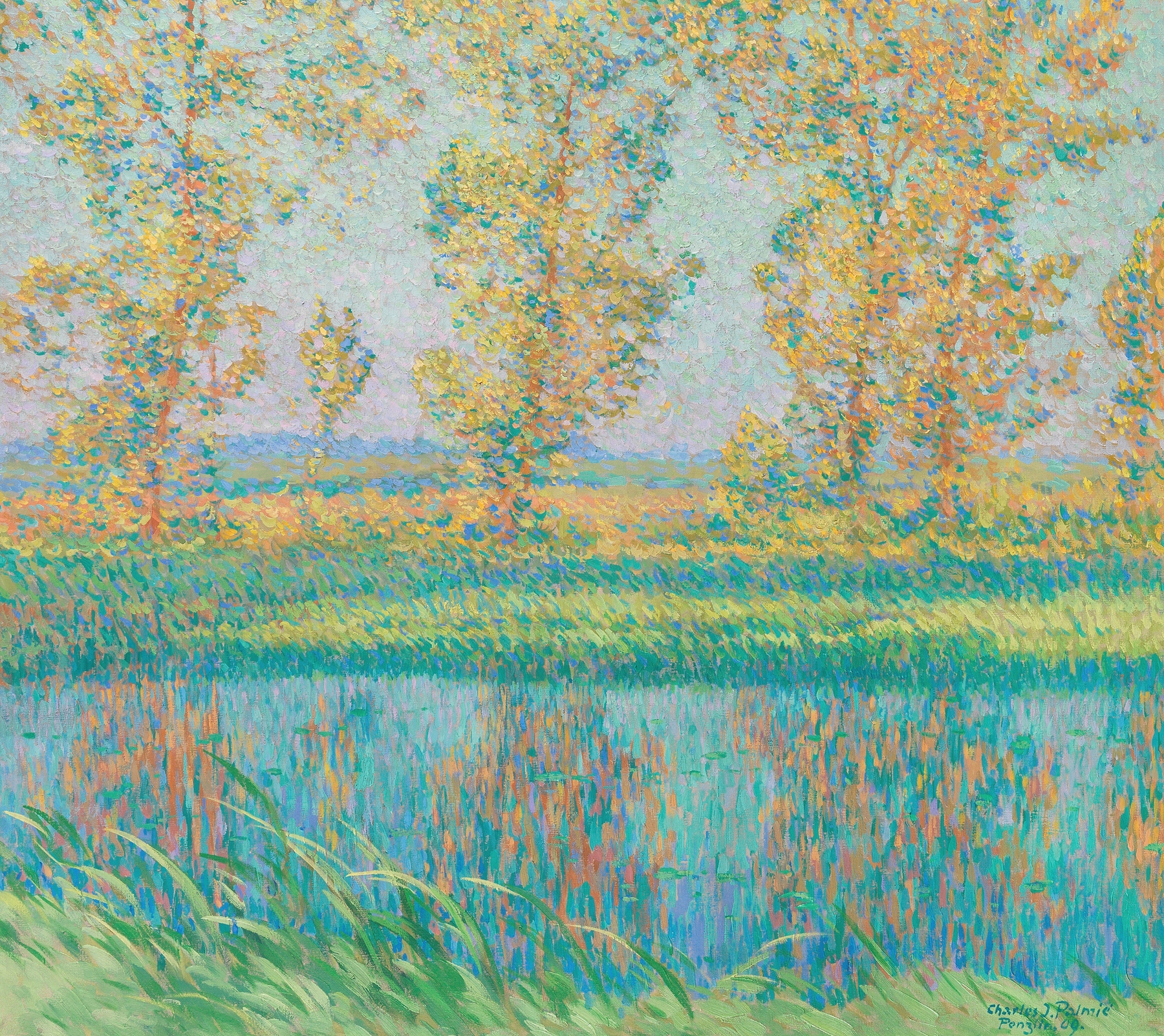
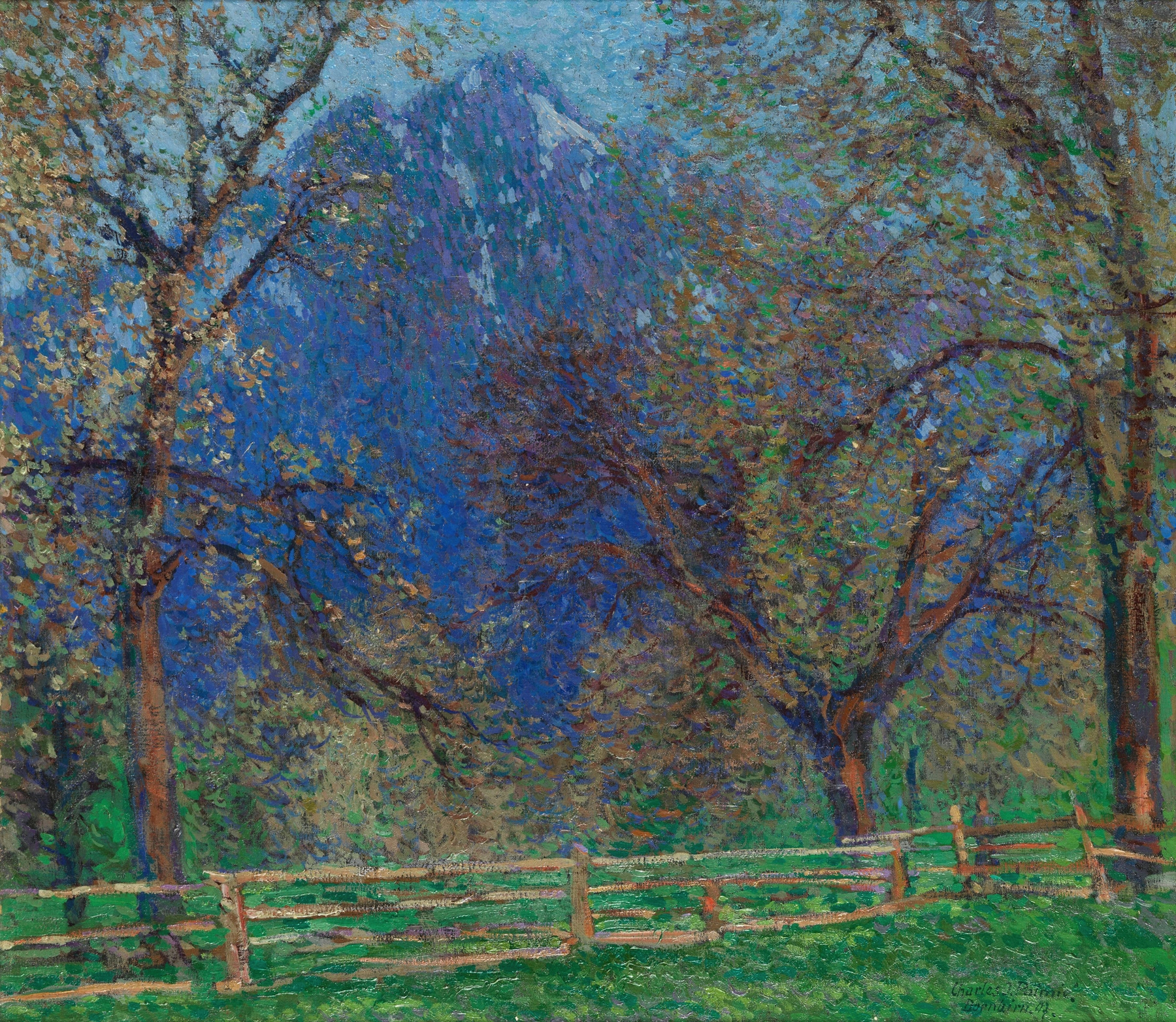
Could beauty survive in a century of chaos? In Sommerlandschaft, the vivid hues and serene composition invite the viewer to ponder the fragility of innocence amidst tumultuous times. Focus first on the lush green meadow that stretches across the canvas, dotted with wildflowers that seem to dance in the gentle breeze. Notice how the artist captures the essence of sunlight filtering through the treetops, painting dappled shadows that play across the ground. The palette blends soft yellows, vibrant greens, and blissful blues, evoking a sense of tranquility and harmony in nature.
Each brushstroke speaks of warmth and life, drawing the viewer into a moment of quiet reflection. Yet, beneath the surface lies an emotional tension. The seemingly idyllic landscape hints at a deeper contrast between the beauty of the scene and the inevitable passage of time. These vibrant colors, while captivating, may also symbolize a fleeting innocence soon to be overshadowed by the encroaching realities of the world.
The light may represent hope, but the solitude of the landscape reminds us of the isolation that often accompanies such beauty, suggesting that serenity can exist only in ephemeral moments. In the absence of a specific date, this piece reflects a period of exploration for Charles Johann Palmié, an artist known for his vivid landscapes. Active during the 19th century, Palmié created works that captured the essence of natural beauty, often inspired by the shifting dynamics of a rapidly modernizing Europe. His landscapes serve as both an appreciation of nature and a subtle commentary on the impact of changing times on the human spirit.