München, Marienplatz — History & Analysis
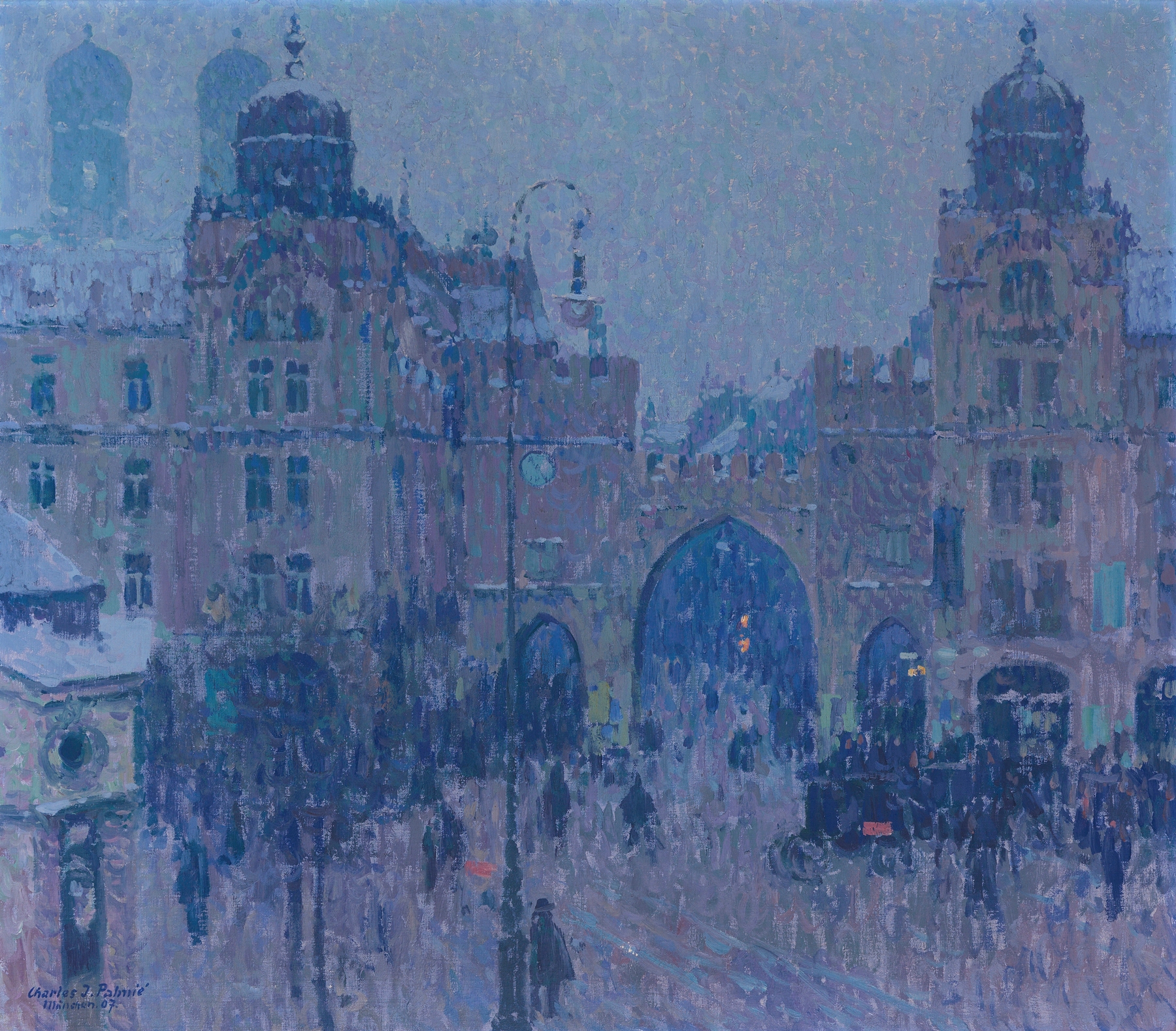
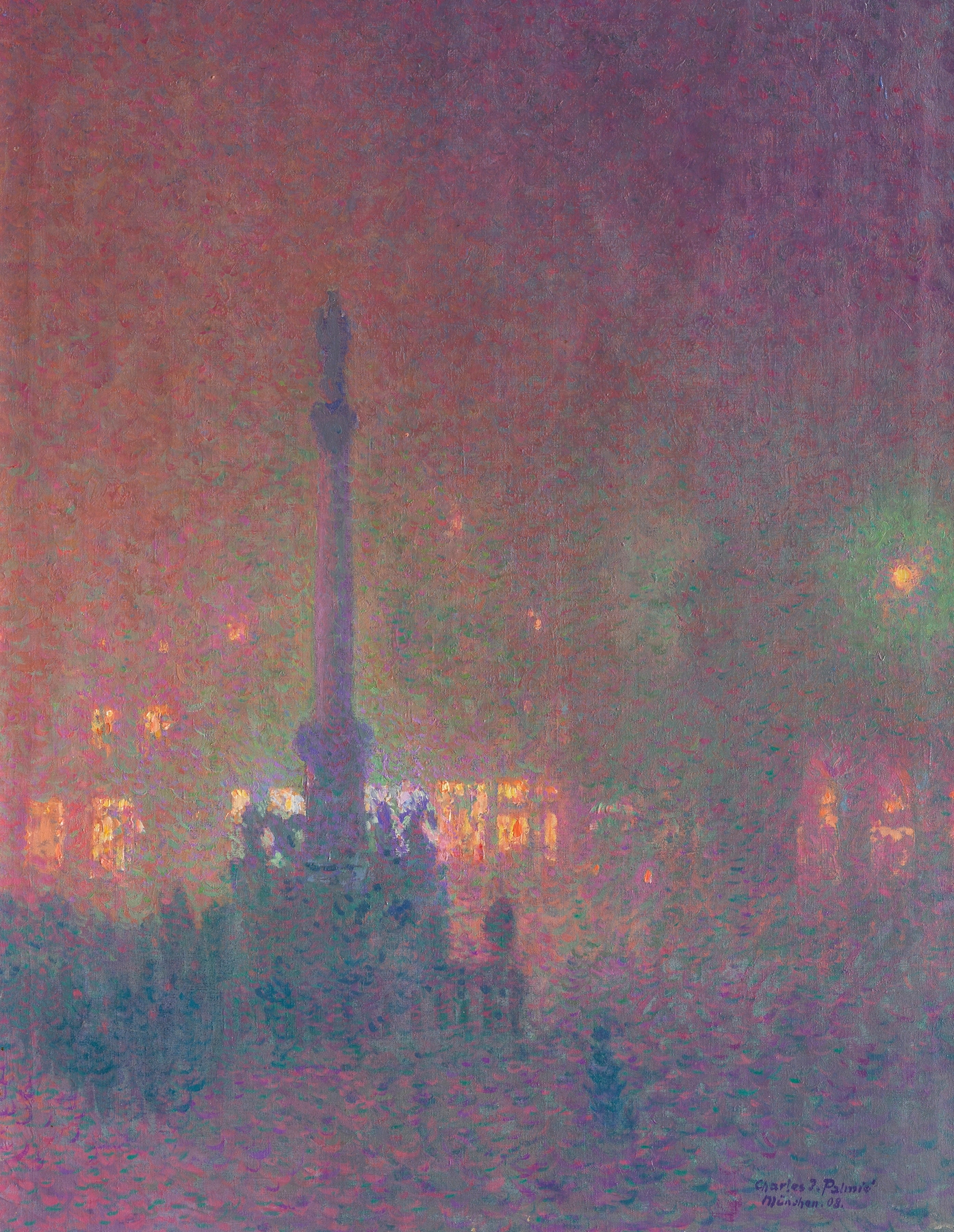
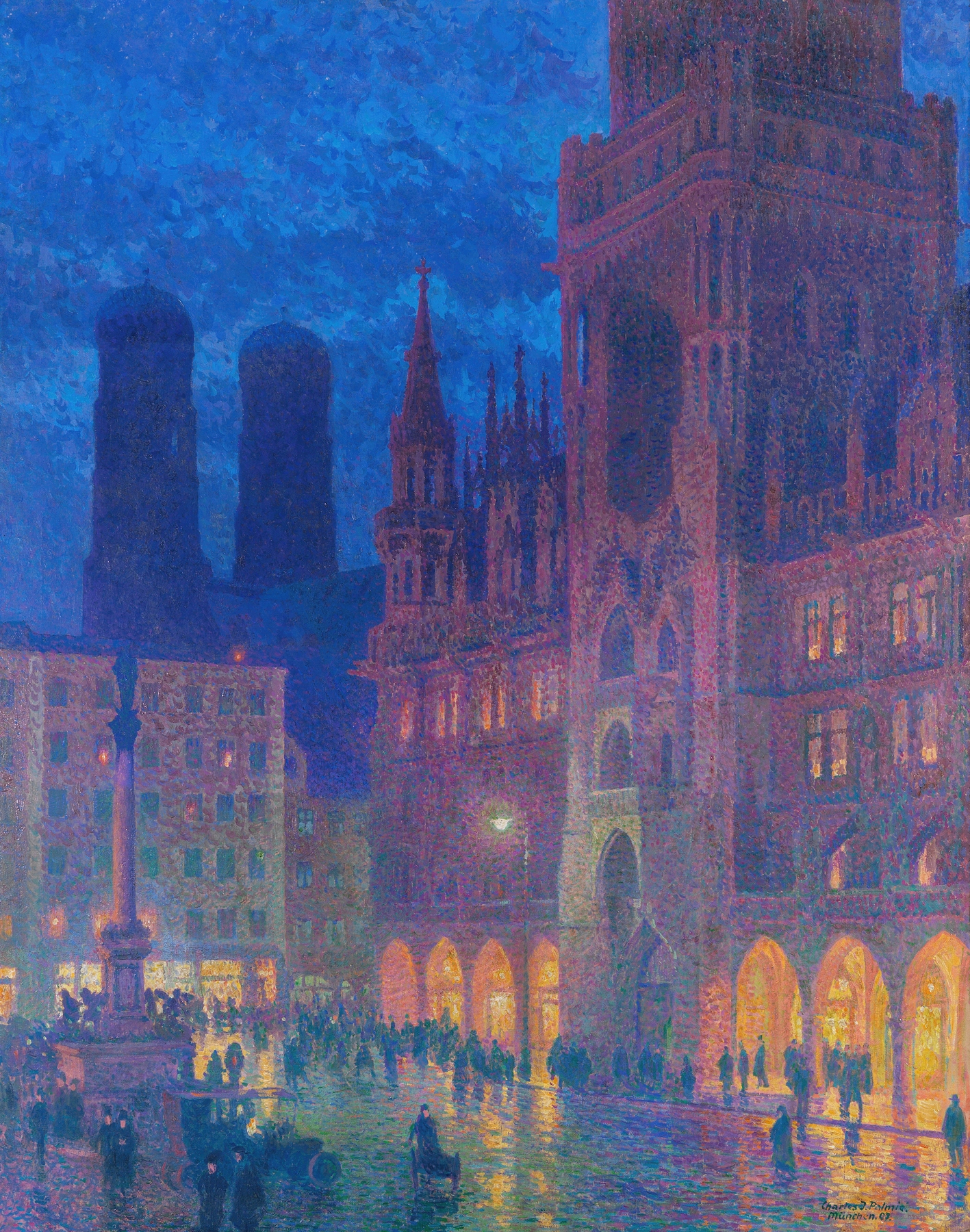
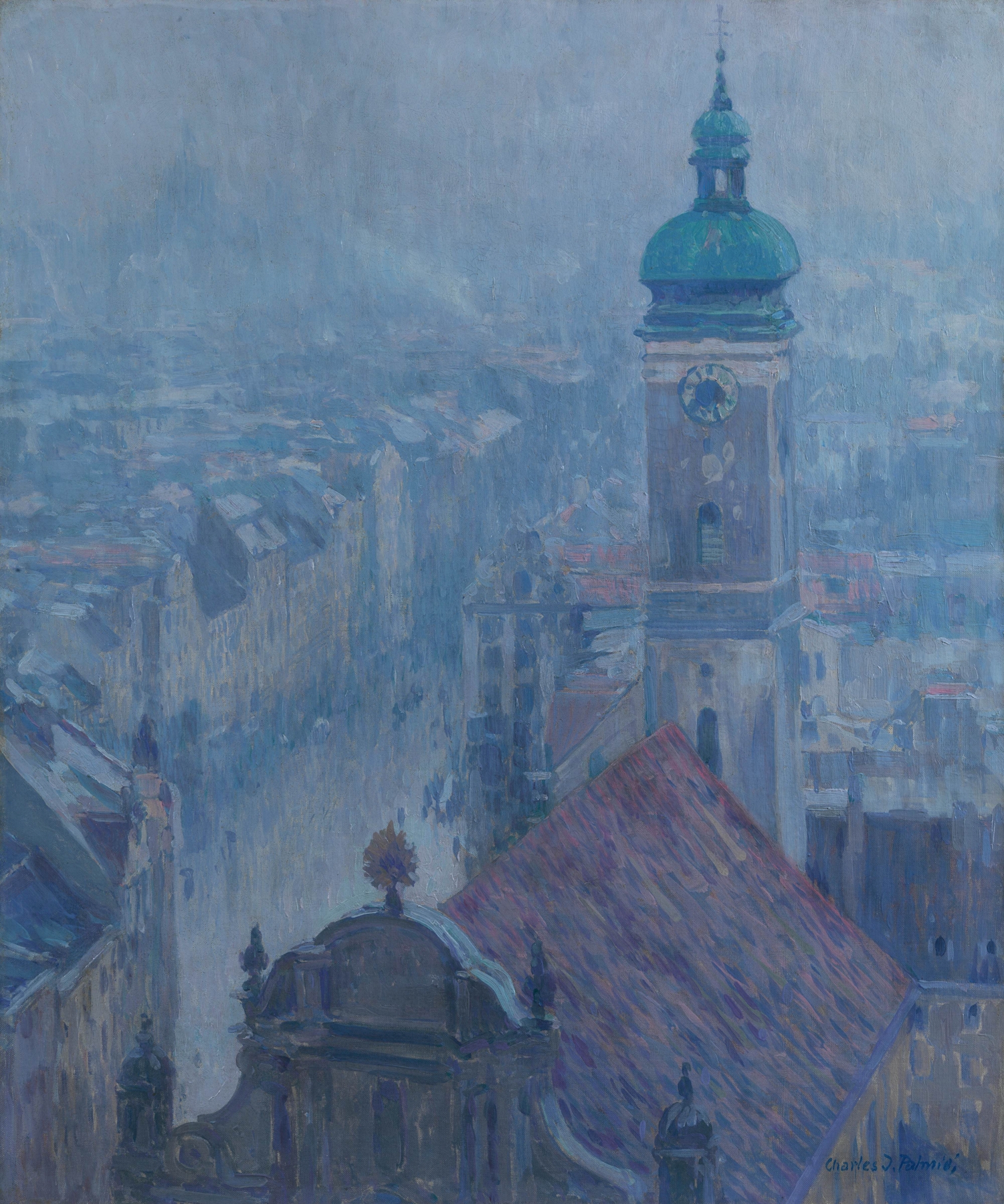
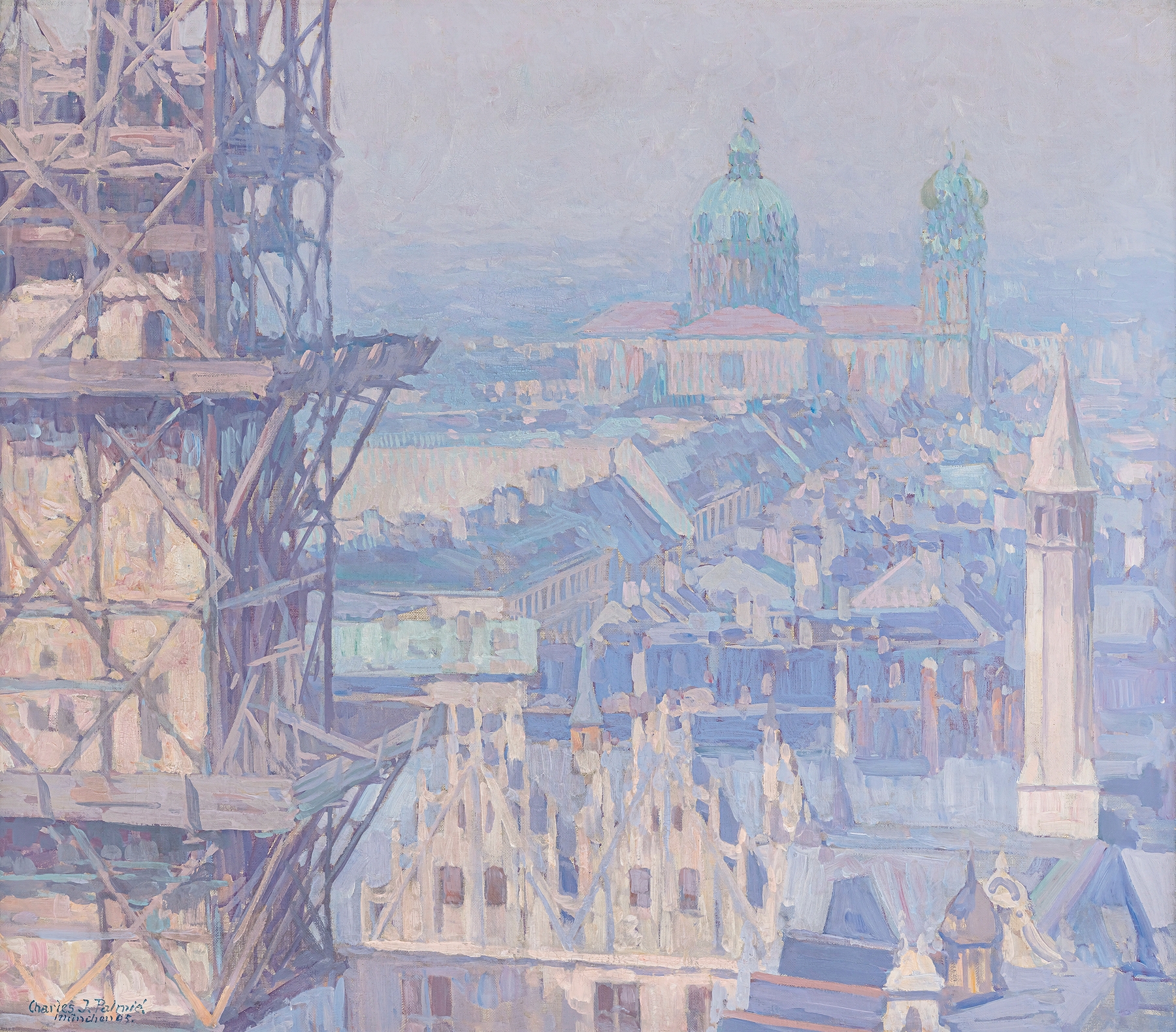
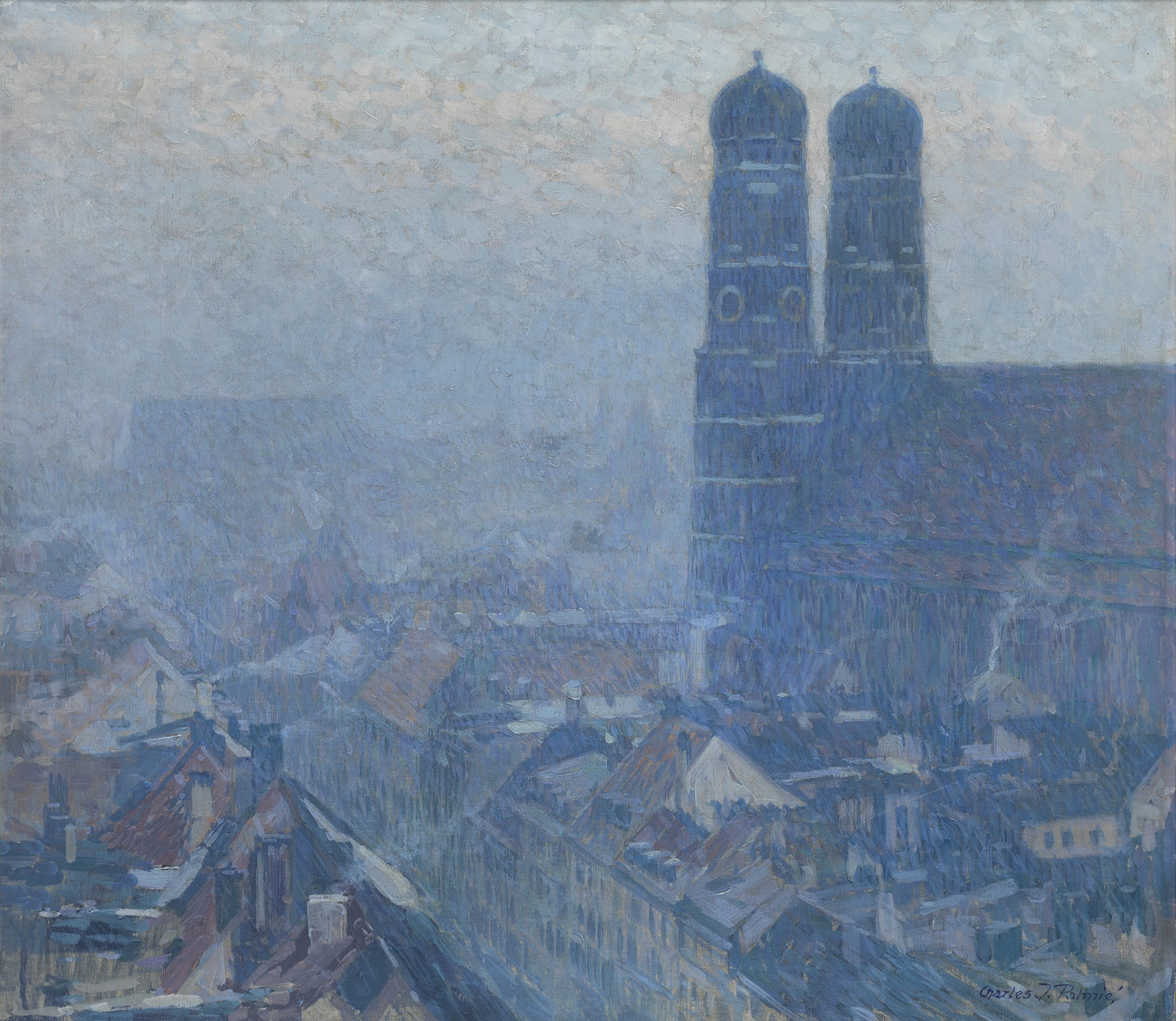
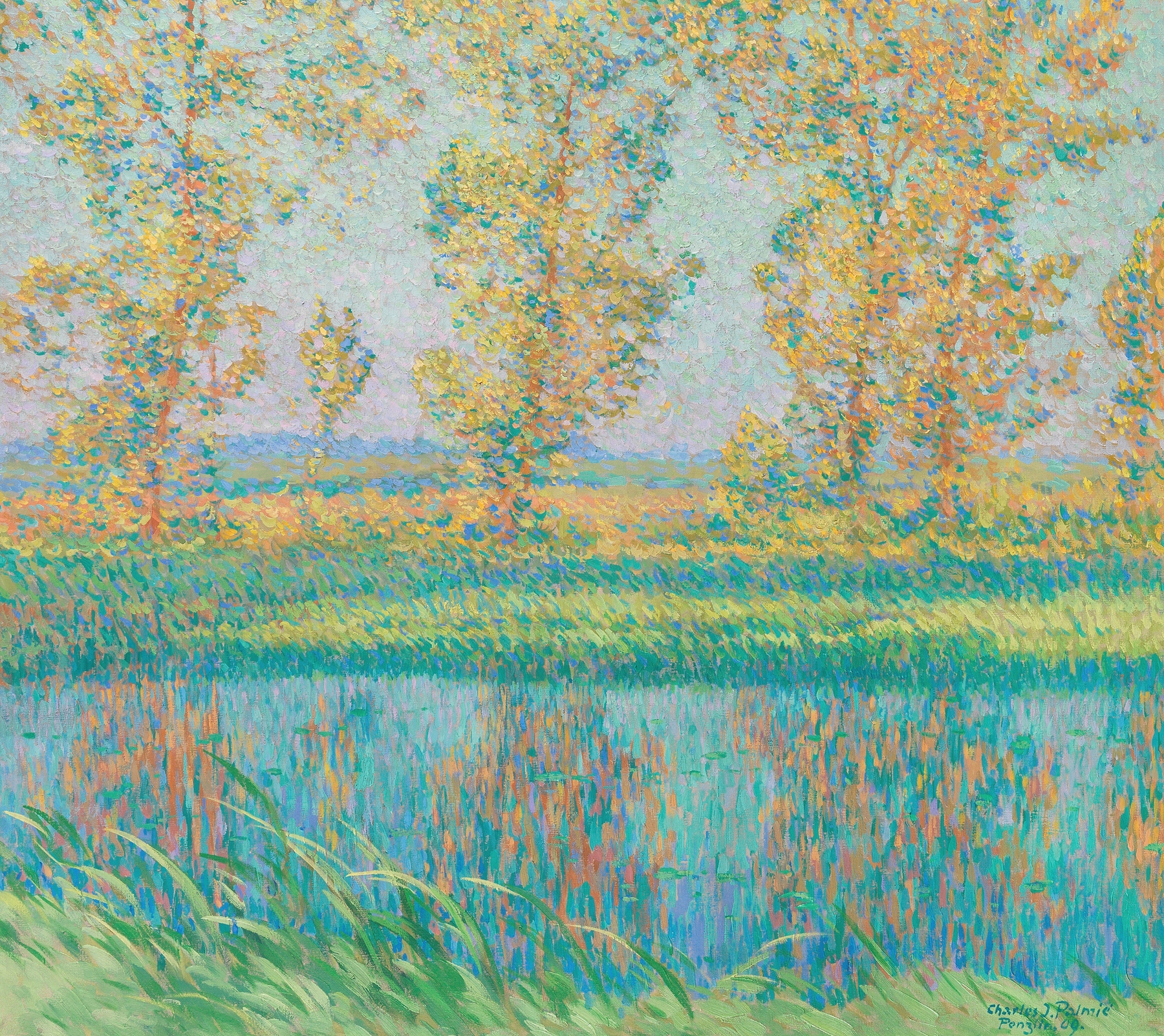
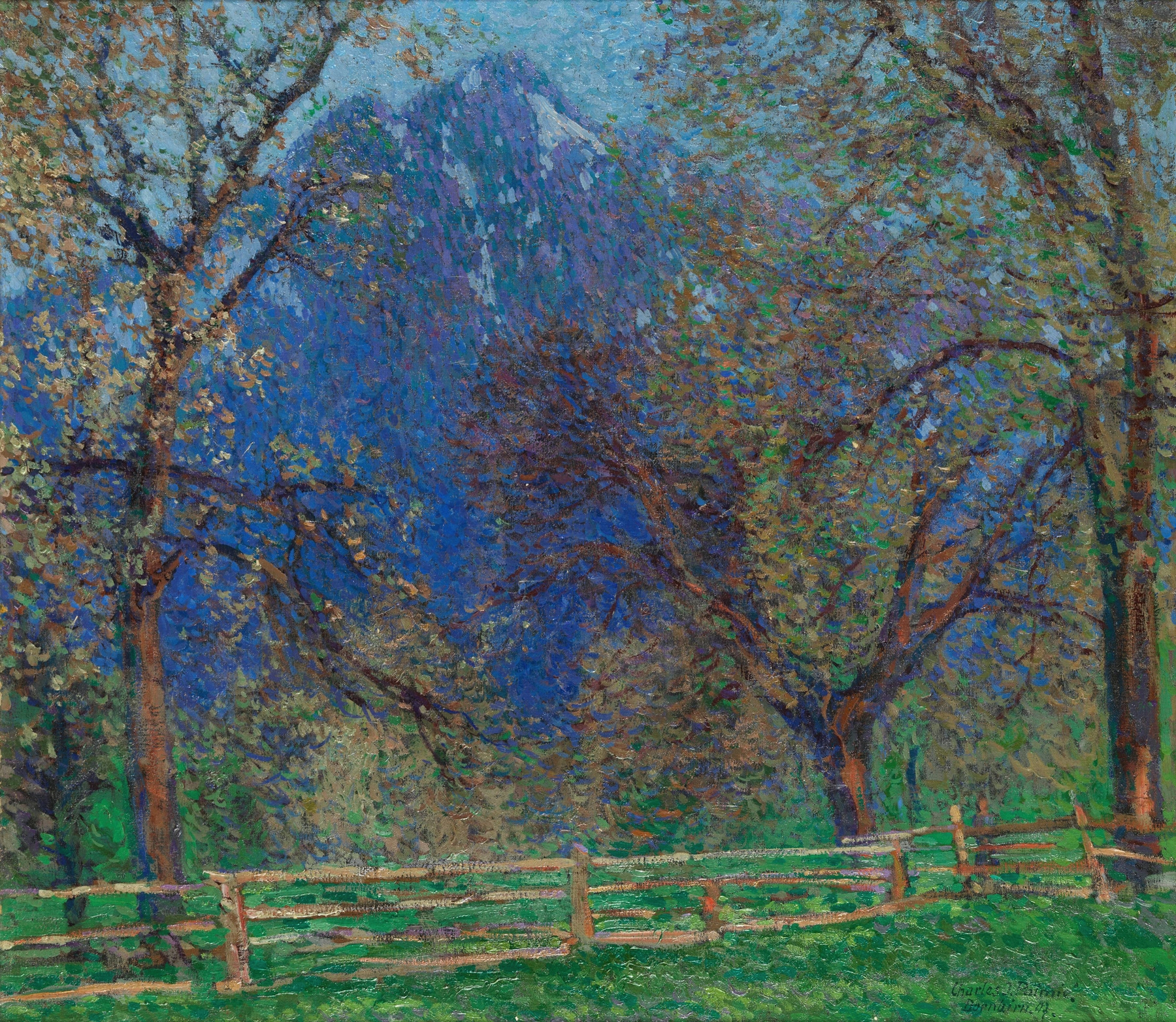
“Every silence here is a confession.” In a world where noise drowns the essence of existence, there lies an unspoken truth waiting to be revealed. Look to the center of the canvas, where the bustling Marienplatz comes alive, yet remains steeped in stillness. The eye is immediately drawn to the majestic New Town Hall, its intricate Gothic architecture soaring against the backdrop of a pale sky, painted with muted blues and grays. Notice how the warm, golden tones of the foreground contrast sharply with the cool palette above, guiding the viewer’s gaze toward the human figures, caught in moments of pause.
Each stroke of the brush adds texture and life, allowing shadows to dance subtly across the cobblestones, while light spills delicately, illuminating the interactions of passersby. Hidden within this urban tableau lies a duality, a juxtaposition of activity and introspection. The vibrant colors and sharp lines capture the energy of the crowd, yet the empty spaces between figures evoke a profound sense of solitude. The juxtaposition of the grand hall and the small, intimate figures invites contemplation about their individual stories against a backdrop of history and permanence.
In this way, the painting reveals an unspoken tension — the desire for connection amidst the anonymity of a bustling city. In 1908, Charles Johann Palmié created this work during a time when the art world was shifting towards modernity, reflecting the complex relationship between urban environments and human experiences. Living in Munich, a center of artistic innovation, Palmié was immersed in a cultural renaissance, where traditional techniques met the evolving ideas of modern life. This painting serves as a testament to that era, capturing both the architectural beauty of the city and the mysterious narratives of its inhabitants.