Pappelallee in Giverny — History & Analysis
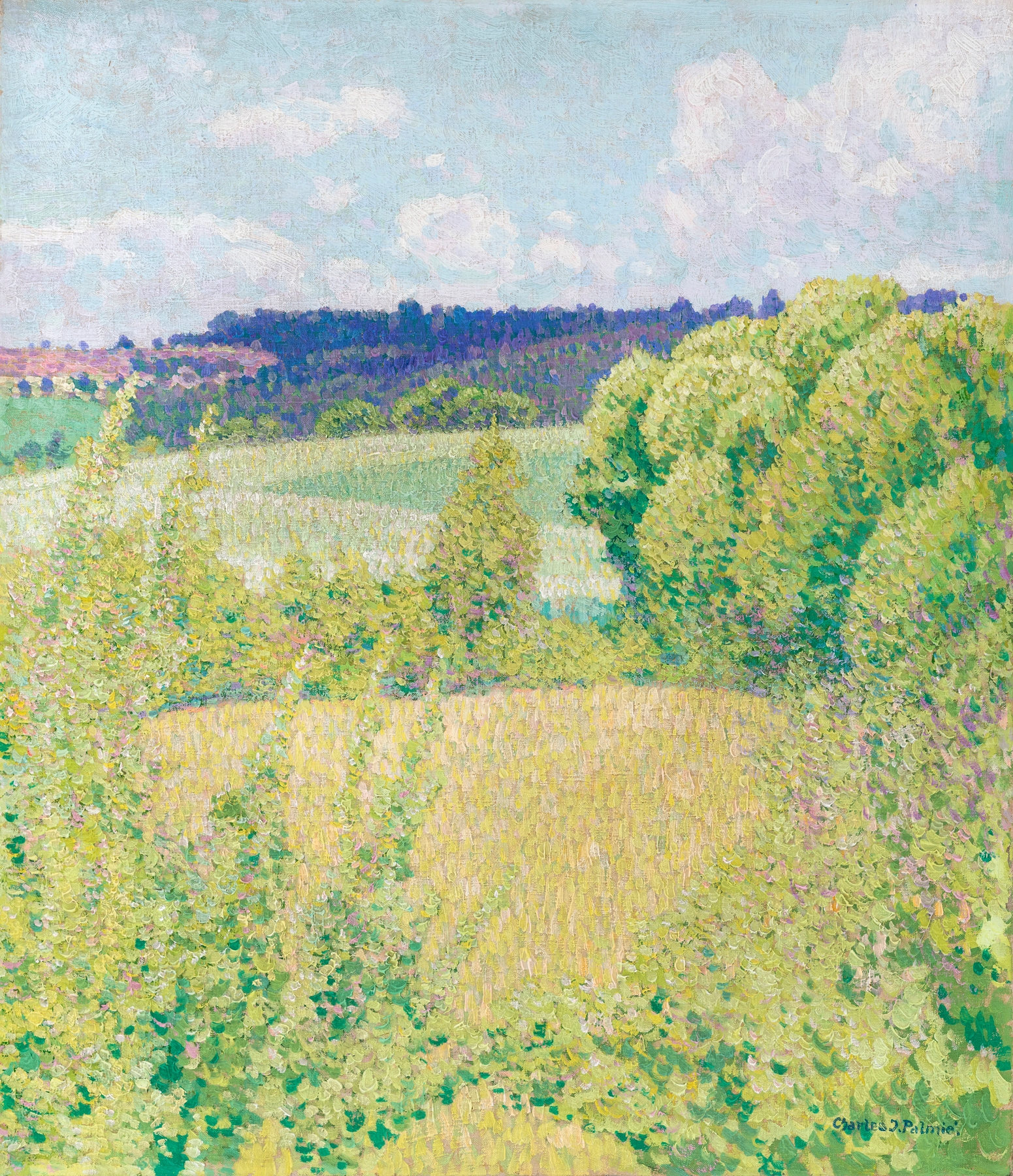
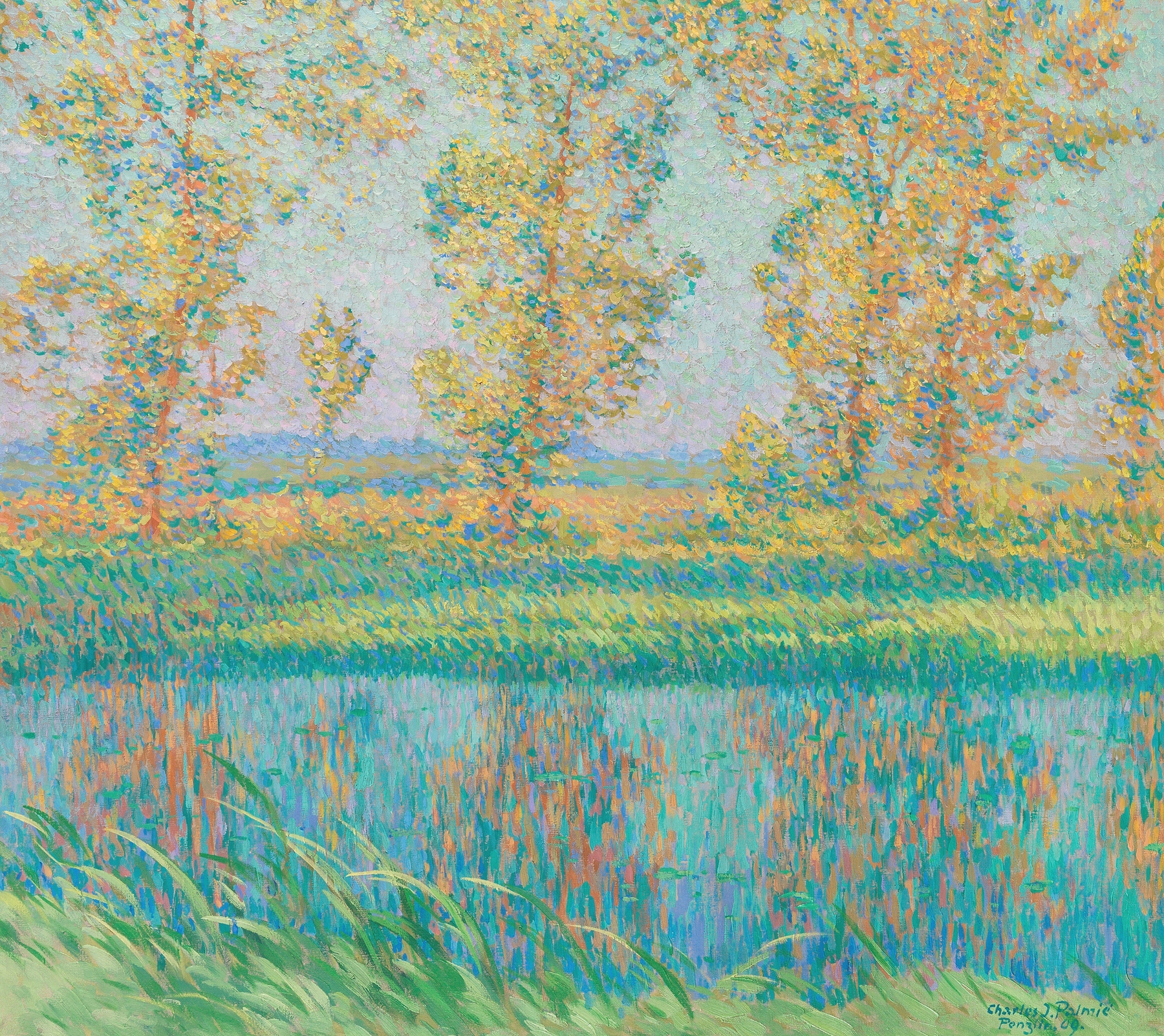
Could beauty survive in a century of chaos? In Pappelallee in Giverny, the answer resonates through a vibrant palette that seems to sing amidst distant storms. Look to the left, where the lush green of the poplar trees cascades with a multitude of shades, intermingling with splashes of dappled sunlight. The path, winding through this verdant sanctuary, draws the eye toward the horizon, inviting you to explore further.
Each brushstroke pulses with life, as if capturing a fleeting moment where nature and tranquility prevail, despite the looming uncertainties that define the era. The interplay of light and shadow evokes a sense of serenity, contrasting with the chaos of the surrounding world. Notice how the gentle curves of the pathway suggest a journey, both physical and emotional, beckoning the viewer toward introspection. The vivid colors, from the soft pastels of the sky to the robust greens of the foliage, create an immersive experience that transcends mere observation, hinting at an underlying hope in the face of adversity.
Created in 1906 while living in Giverny, the artist found himself amidst the Impressionist movement's evolution, experimenting with color and light. At this time, Europe was on the cusp of dramatic change, with political tensions rising in the backdrop of an art world increasingly engaged in capturing the ephemeral. This work reflects not just the artist's personal exploration but also an attempt to find solace and beauty during an era fraught with uncertainty.