Sommerlandschaft — History & Analysis
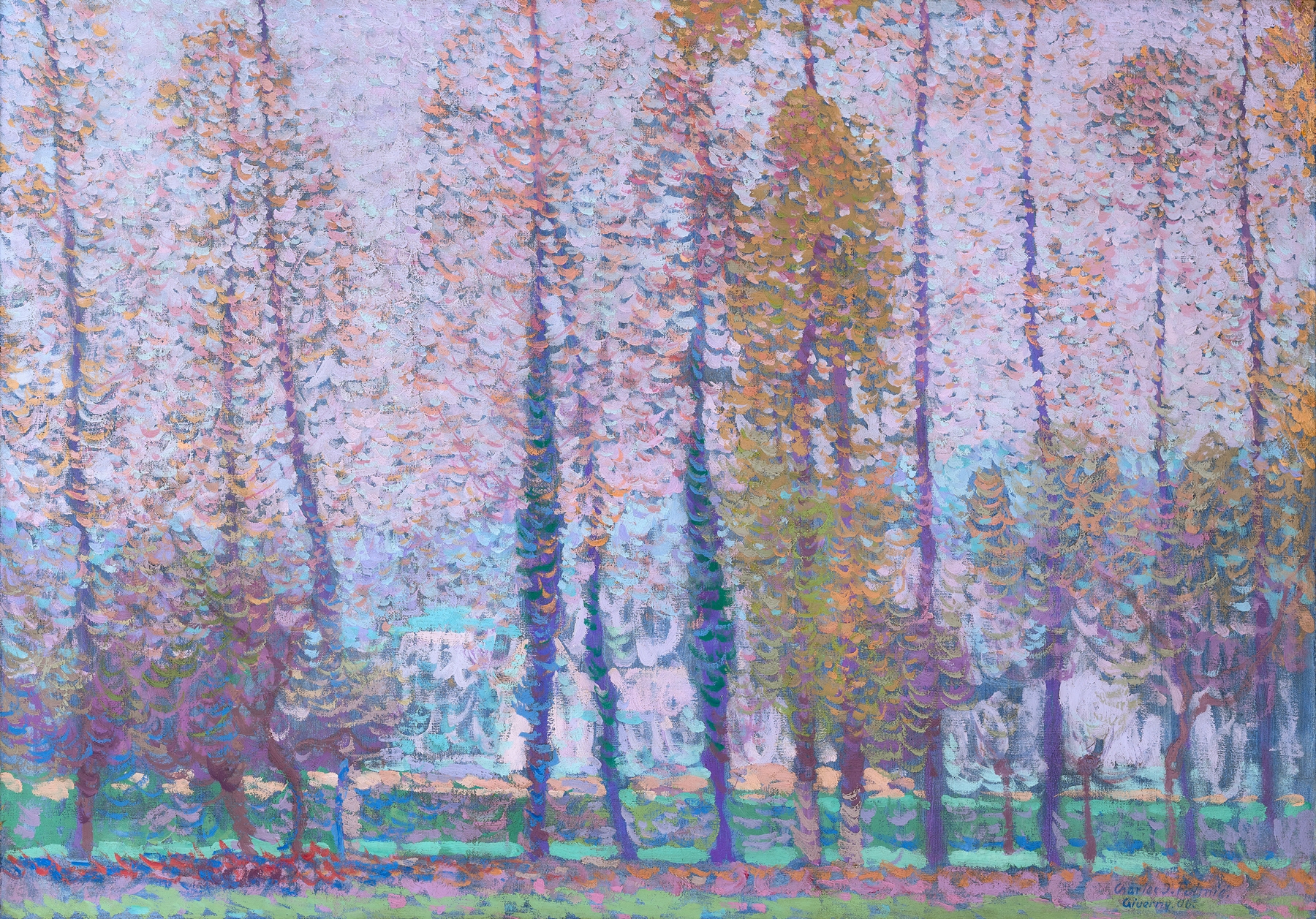
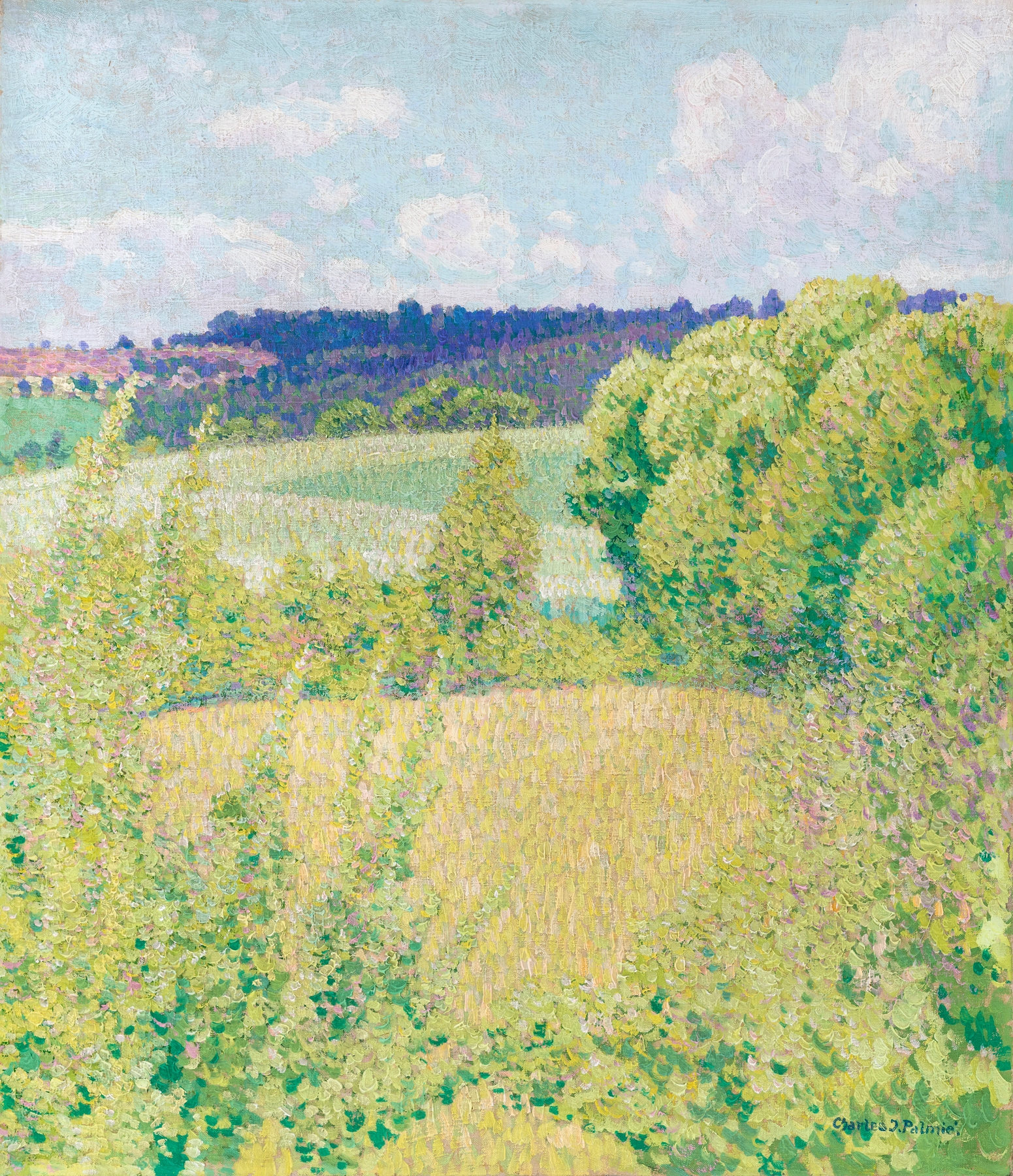
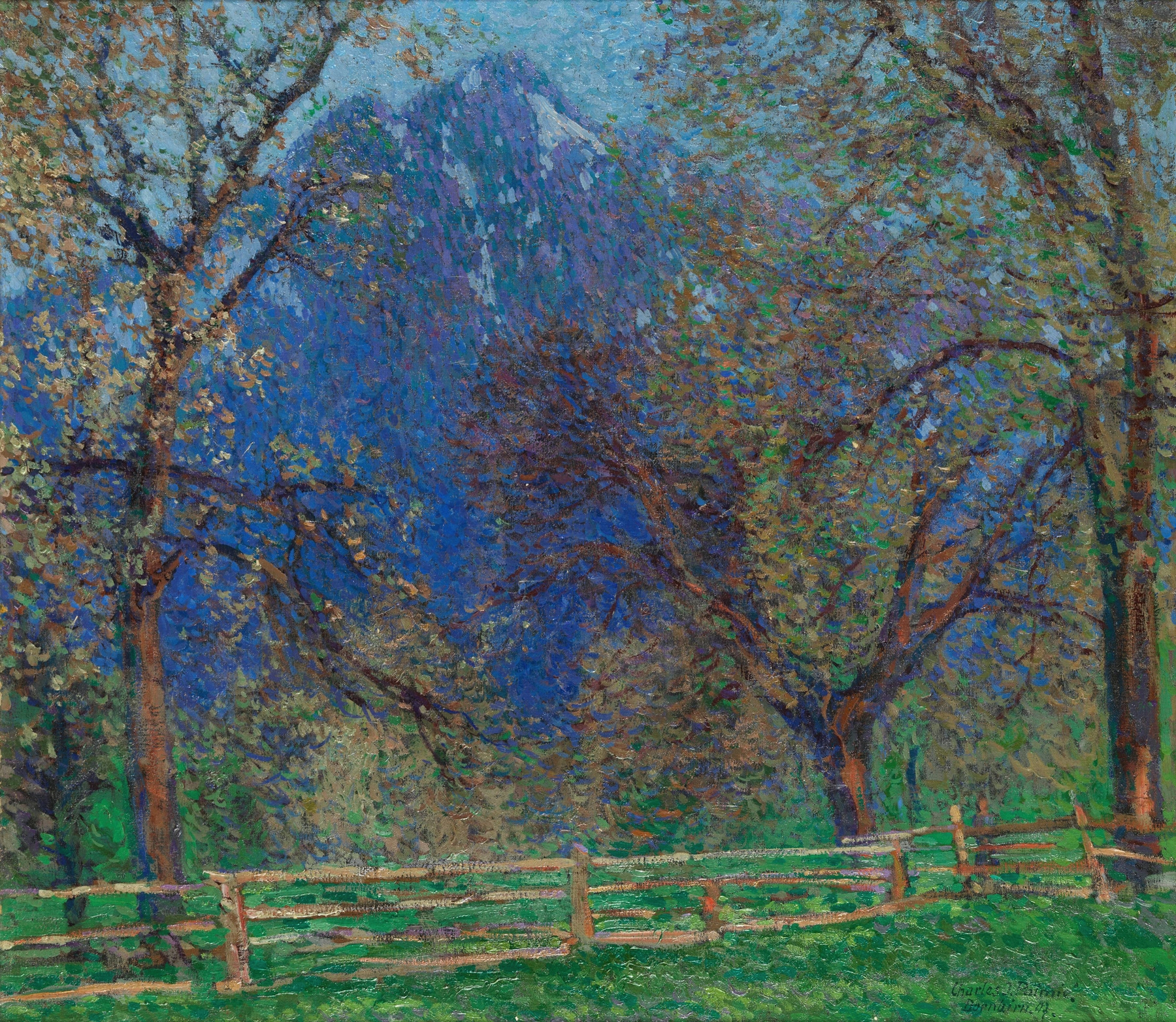
Who listens when art speaks of silence? Each brushstroke whispers a truth, inviting contemplation and reflection in the tranquil embrace of nature. Look to the left, where soft greens and muted browns blend seamlessly into one another, creating a lush landscape that seems to breathe. The gentle curve of the hills draws your gaze toward the horizon, while dappled sunlight filters through a canopy of leaves, illuminating the scene.
Pay attention to the delicate strokes that suggest movement in the grass, hinting at an unseen breeze, and notice how the palette evokes warmth and serenity, inviting you to linger in this moment of stillness. In the foreground, the juxtaposition of vibrant flora against the understated sky speaks to the duality of life’s vitality and its quietude. The distant mountains, though sturdy and imposing, appear almost ethereal, reminding us of the transience of existence.
Here, the artist captures not just a landscape but a fleeting moment in time, where nature's beauty coexists with an underlying sense of solitude and introspection. In 1909, Palmié painted this work while living in Germany, a time marked by artistic experimentation and a burgeoning appreciation for the impressionist style. As the art world began to shift, he sought to blend traditional techniques with a modern sensibility, reflecting both his personal evolution and the broader cultural transformations of the era.