Obstbäume vor dem Karren — History & Analysis
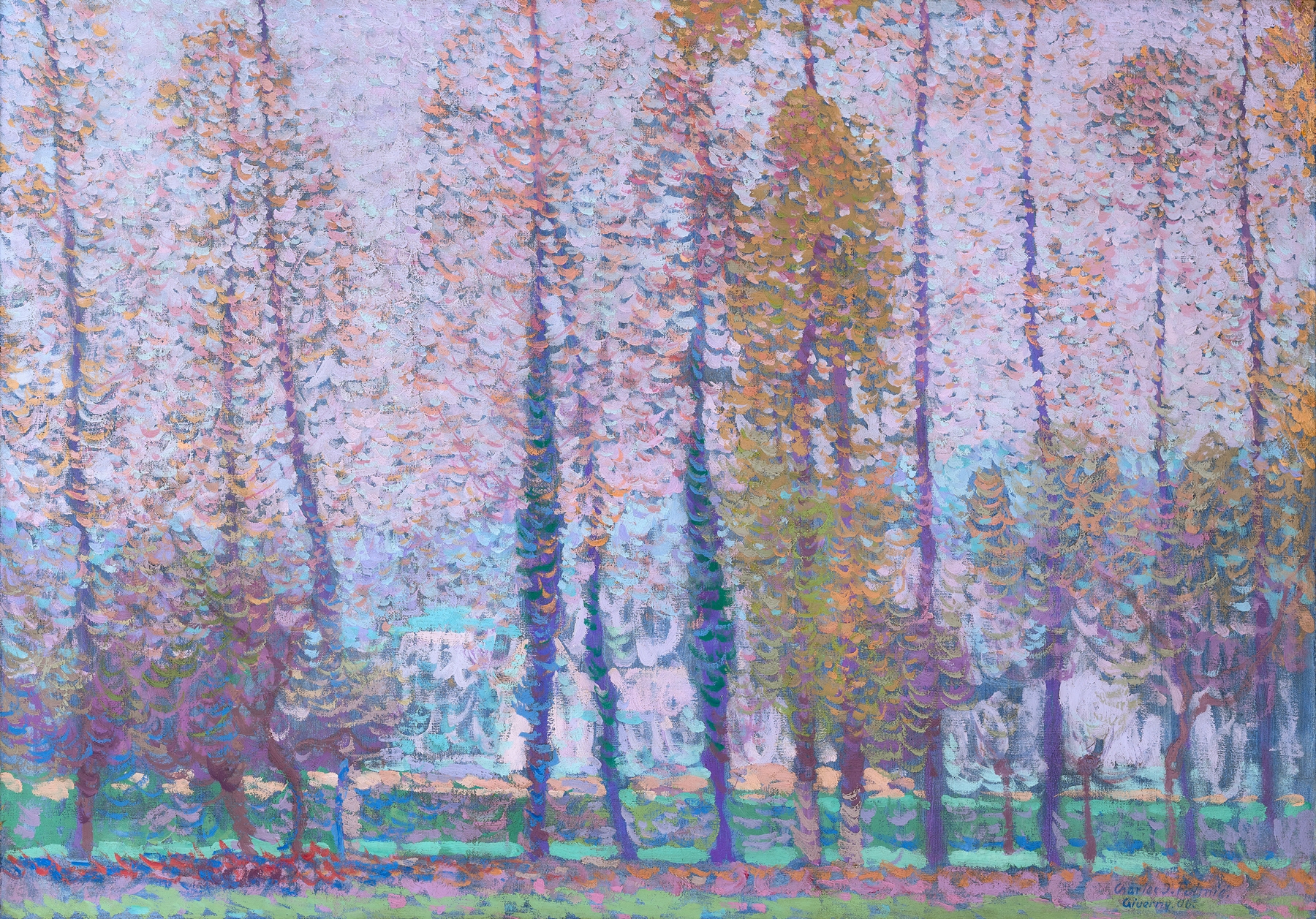
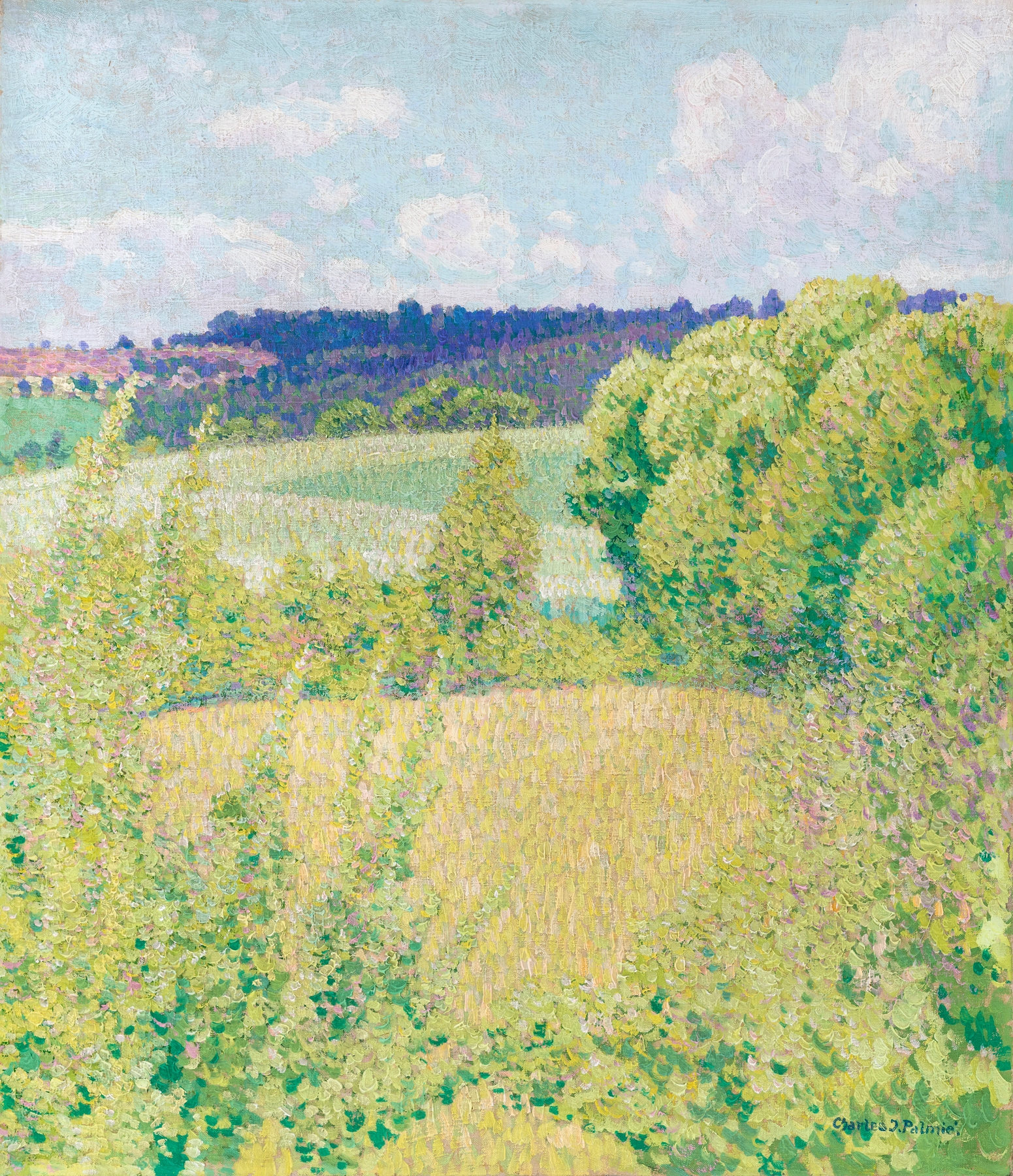
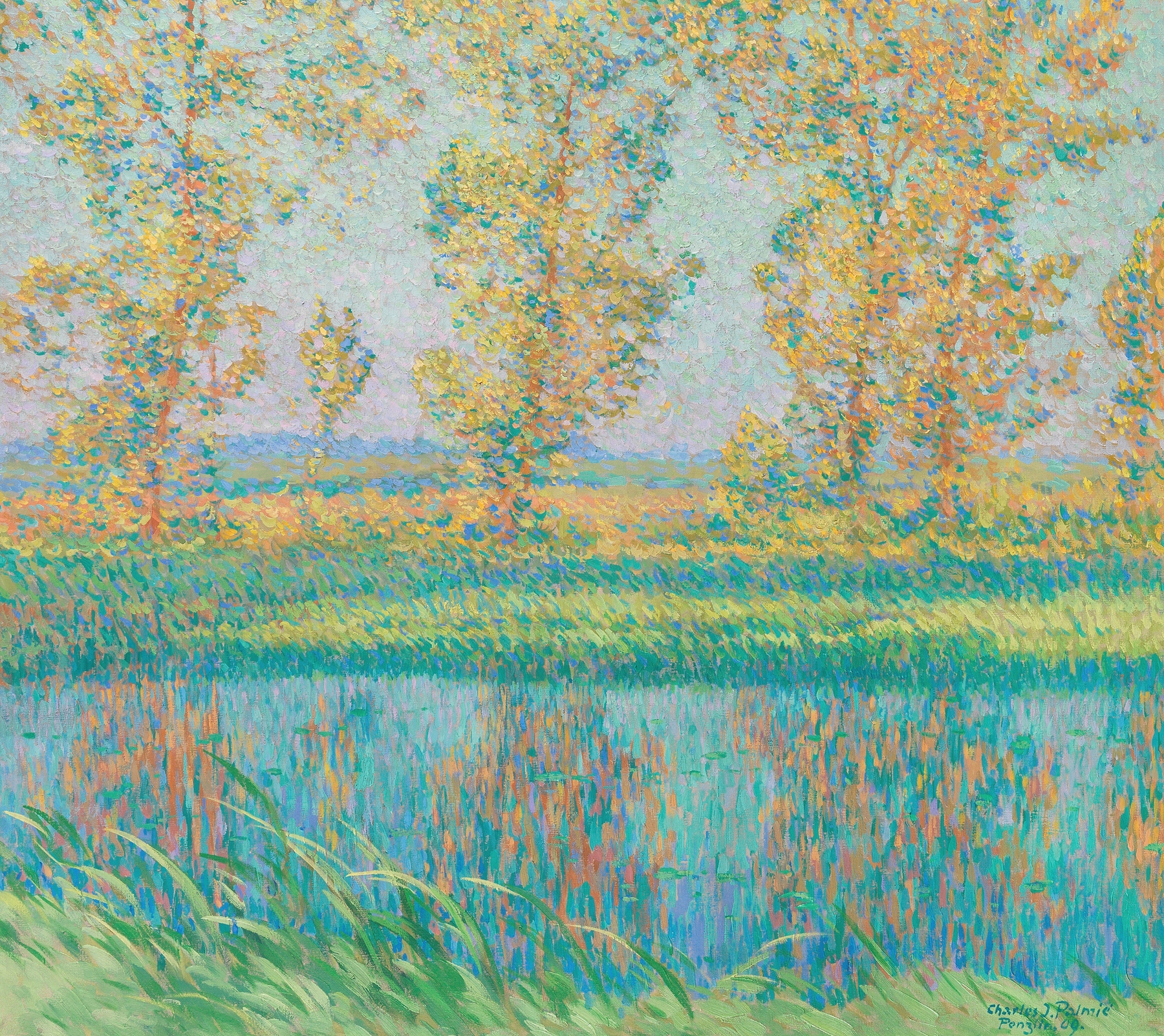
What if silence could speak through light? In Obstbäume vor dem Karren, the quietude of a sun-drenched orchard unfolds, inviting introspection and a sense of transcendence. Look to the left at the blossoming trees, their branches heavy with fruit, a gentle burst of color that contrasts against the muted earth tones of the cart resting nearby. The artist employs dappled sunlight, creating a play of shadows that enhances the intimacy of the scene.
Notice how the light falls upon the leaves, each stroke imbued with meticulous care, crafting a harmonious balance between nature and the stillness of the cart, which acts as a silent witness to the vibrancy around it. Delve deeper into the emotional landscape here; the juxtaposition of the fruitful trees with the unadorned cart suggests a dialogue between abundance and labor. Each element evokes feelings of hope and quietude, while the absence of human presence prompts a reflection on solitude and connection to nature’s bounty.
The simplicity of the scene belies a complex interplay of life’s cyclical rhythms, where the echo of past harvests lingers in the air, urging contemplation of what is both present and fleeting. In 1907, Palmié created this piece during a time of flourishing artistic exploration in Europe, particularly in the realms of Impressionism and Post-Impressionism. Living in a period marked by rapid industrialization and urbanization, he sought refuge in pastoral themes, reflecting a yearning for simplicity and a deeper connection to the natural world amidst the chaos of modernity.