Mont Sainte-Victoire and Château Noir — History & Analysis
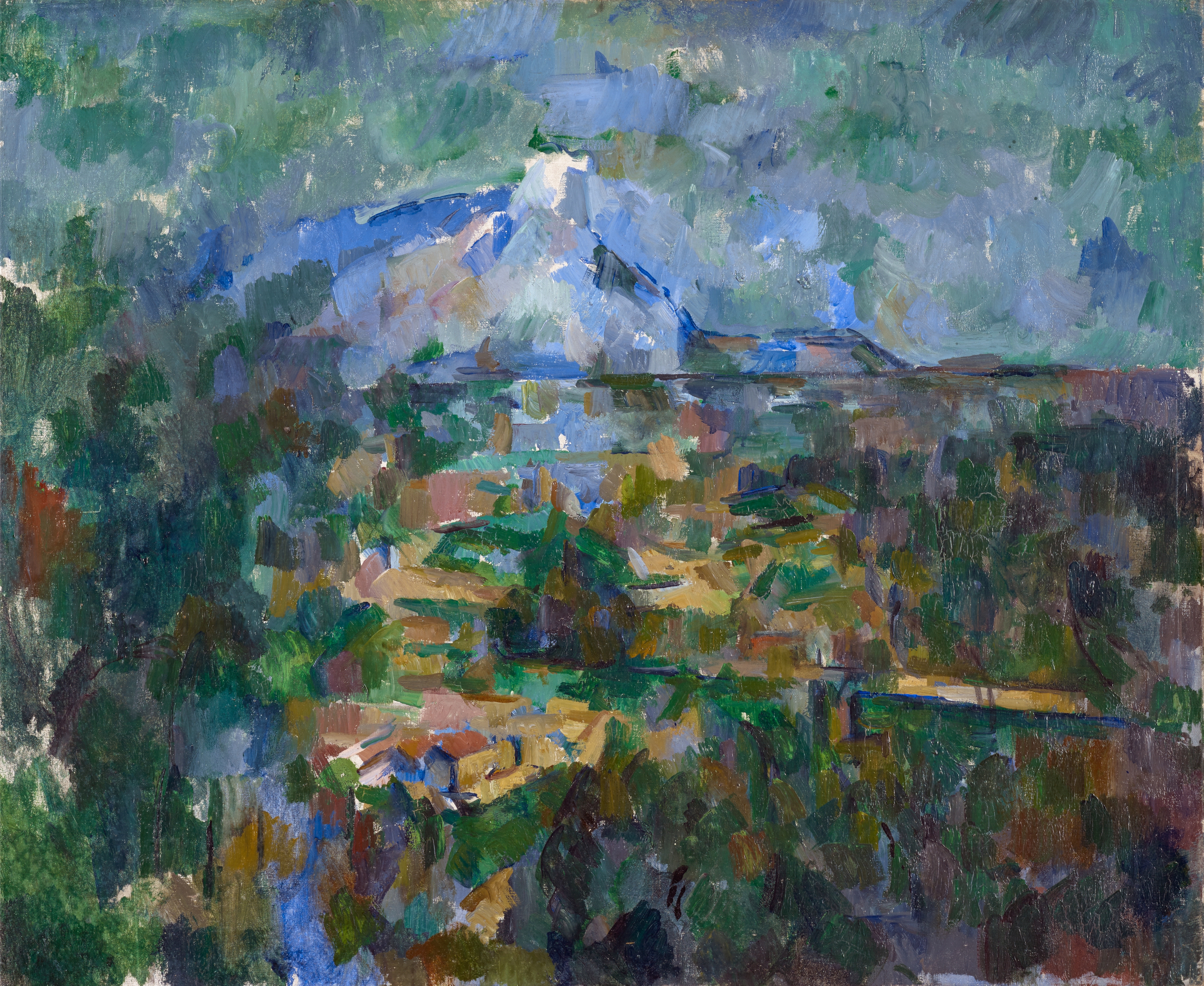
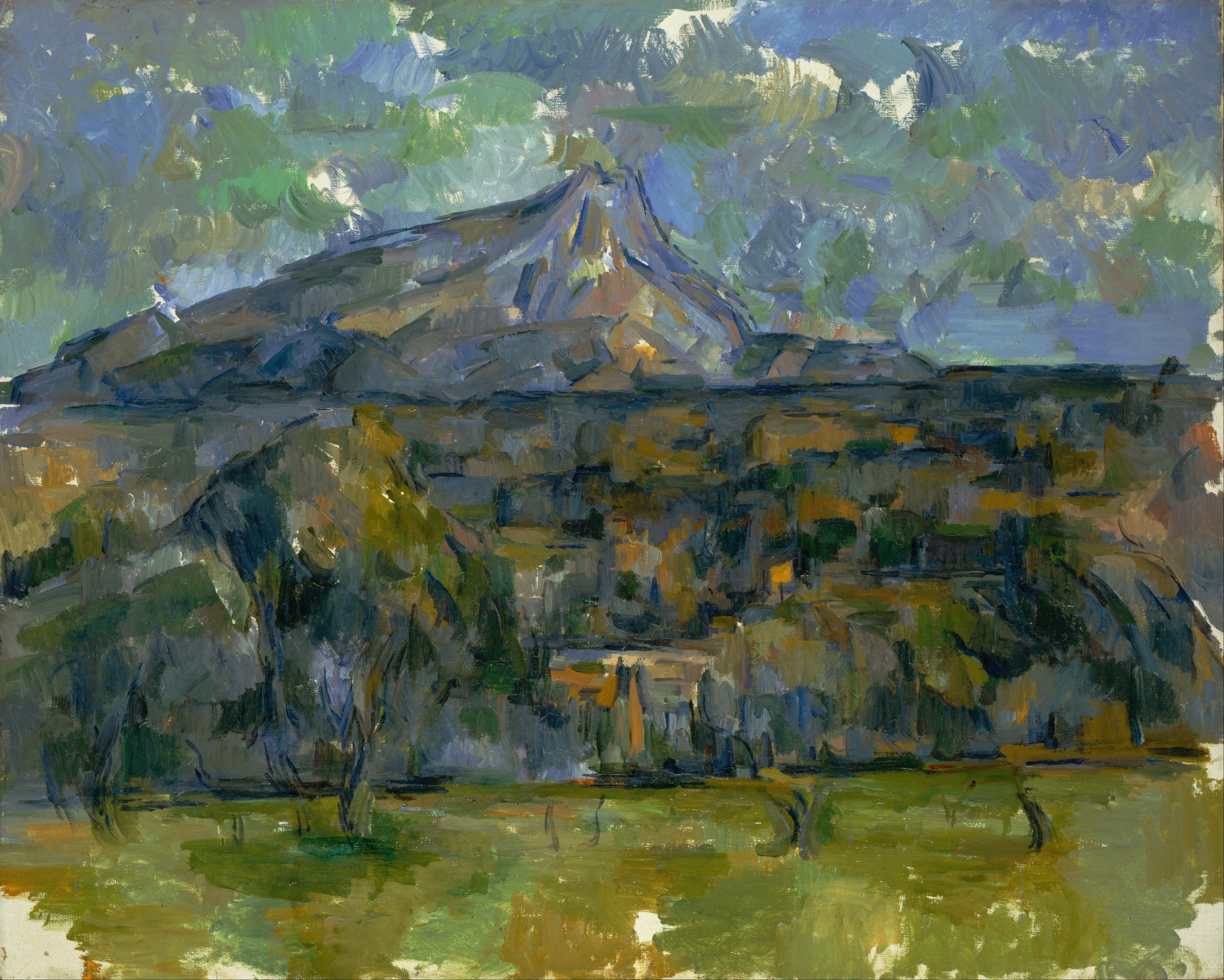
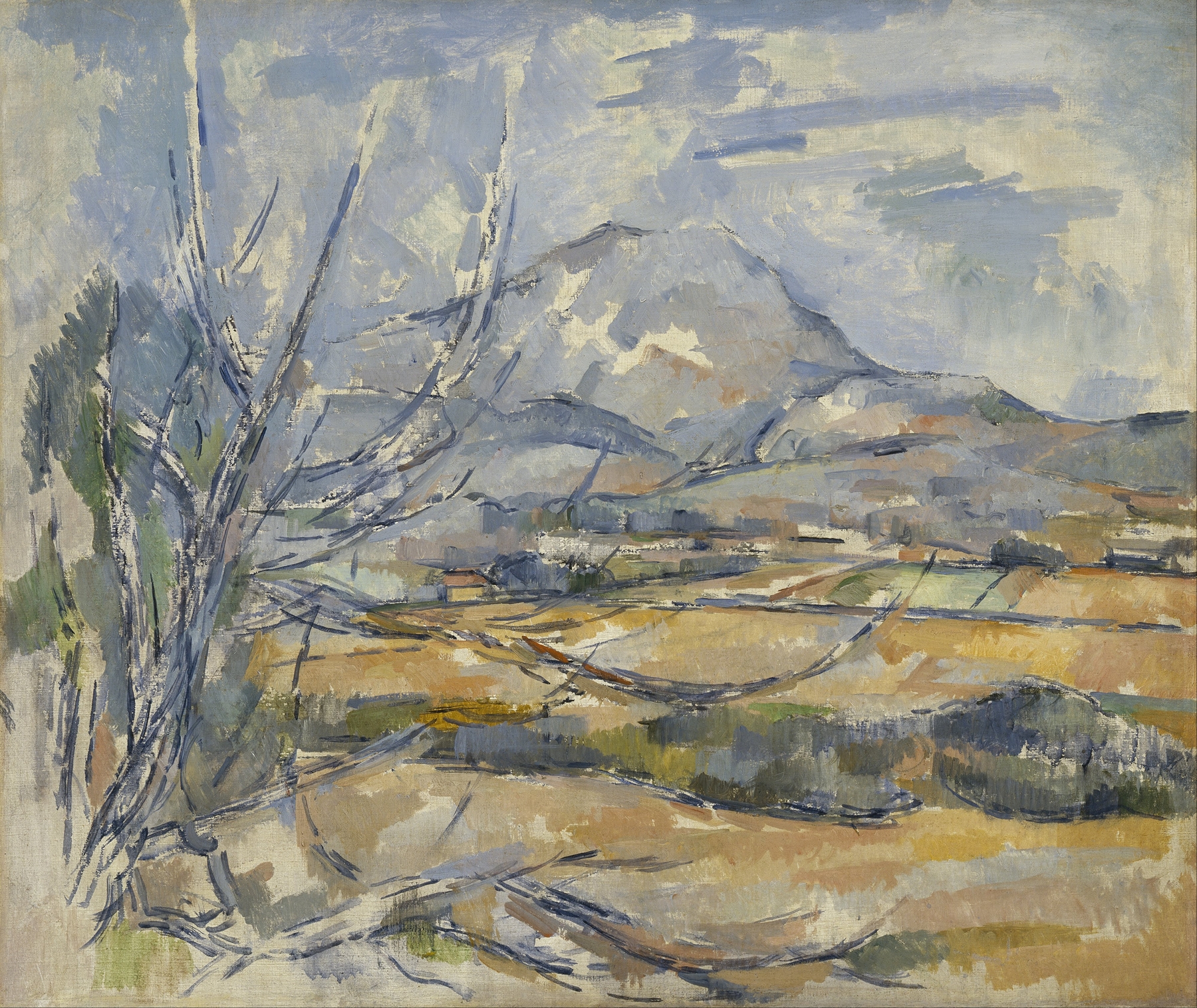
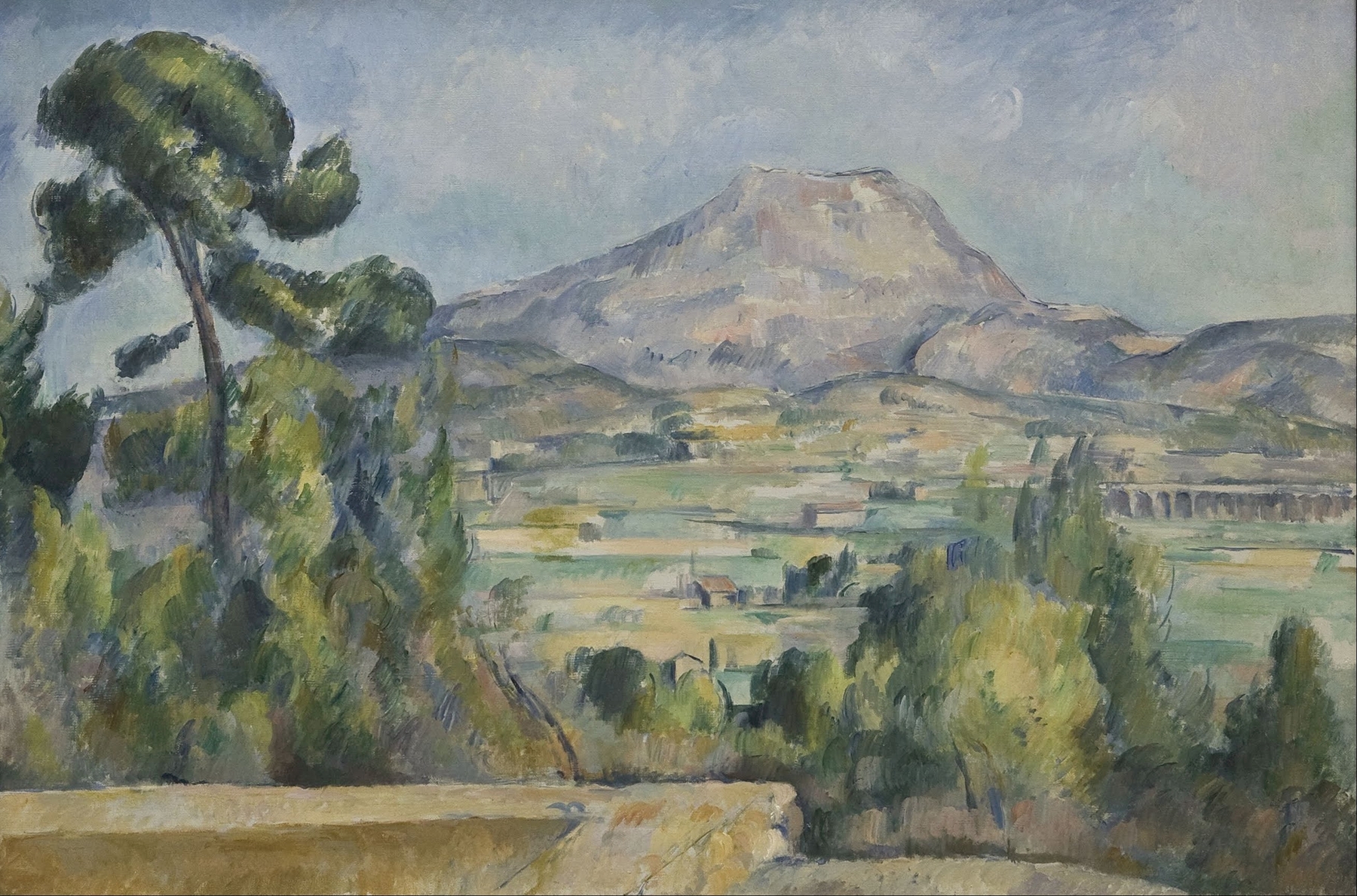
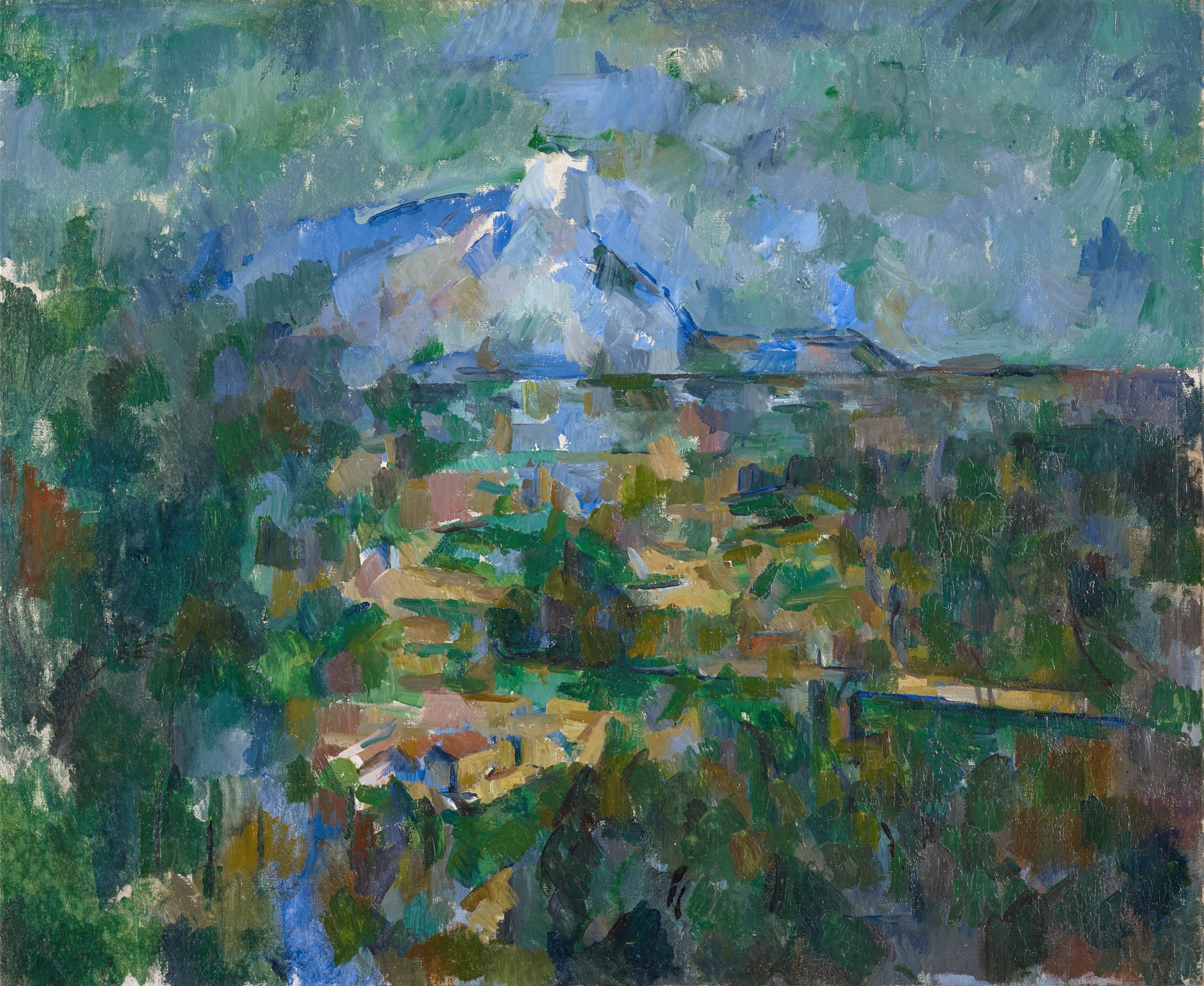
“Every silence here is a confession.” In the stillness of Mont Sainte-Victoire and Château Noir, the void between the towering mountain and the serene structure invites contemplation, echoing the unspoken stories of the landscape. Look to the left at the imposing silhouette of Mont Sainte-Victoire, its angular forms rendered with a blend of muted greens and blues. The mountain looms large, dominating the canvas, while the Château Noir rests subtly in the foreground. Notice how the brushstrokes dance across the surface, revealing Cézanne’s mastery of color and form—each stroke building a vivid relationship between the earth and sky, the solid and the ephemeral, creating a dialogue of nature and architecture.
The tension in the composition lies in the contrast between the solidity of the mountain and the delicate outlines of the Château. This juxtaposition suggests a relationship between permanence and transience, as if the mountain witnesses the passing of time, while the château stands as a memory, both anchored in place yet forever subject to change. The void that exists between them carries an emotional weight, instilling a sense of isolation and introspection, challenging the viewer to consider what remains unspoken within the landscape.
Created between 1904 and 1906, this work reflects Cézanne’s immersion in the post-impressionist movement, as he sought to carve out a new path in art. During this period, he was exploring the very essence of form and color, grappling with his own artistic identity and the shifting landscape of modern art. As he painted in Provence, he was both influenced by and setting the stage for the evolving dialogue of the era, where nature became a canvas for deeper psychological exploration.