Montagne Saint-Victoire (The Arc Valley) — History & Analysis
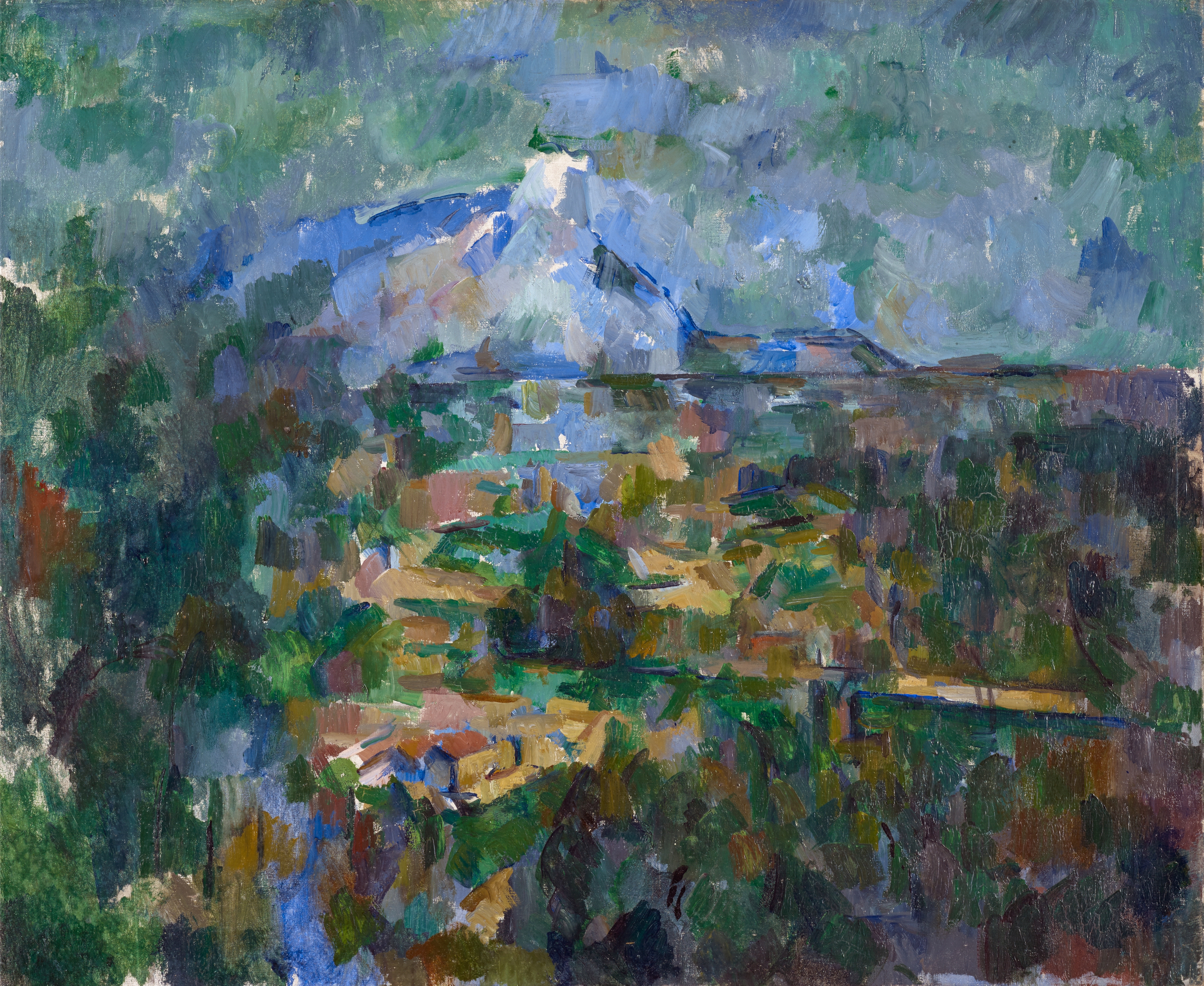
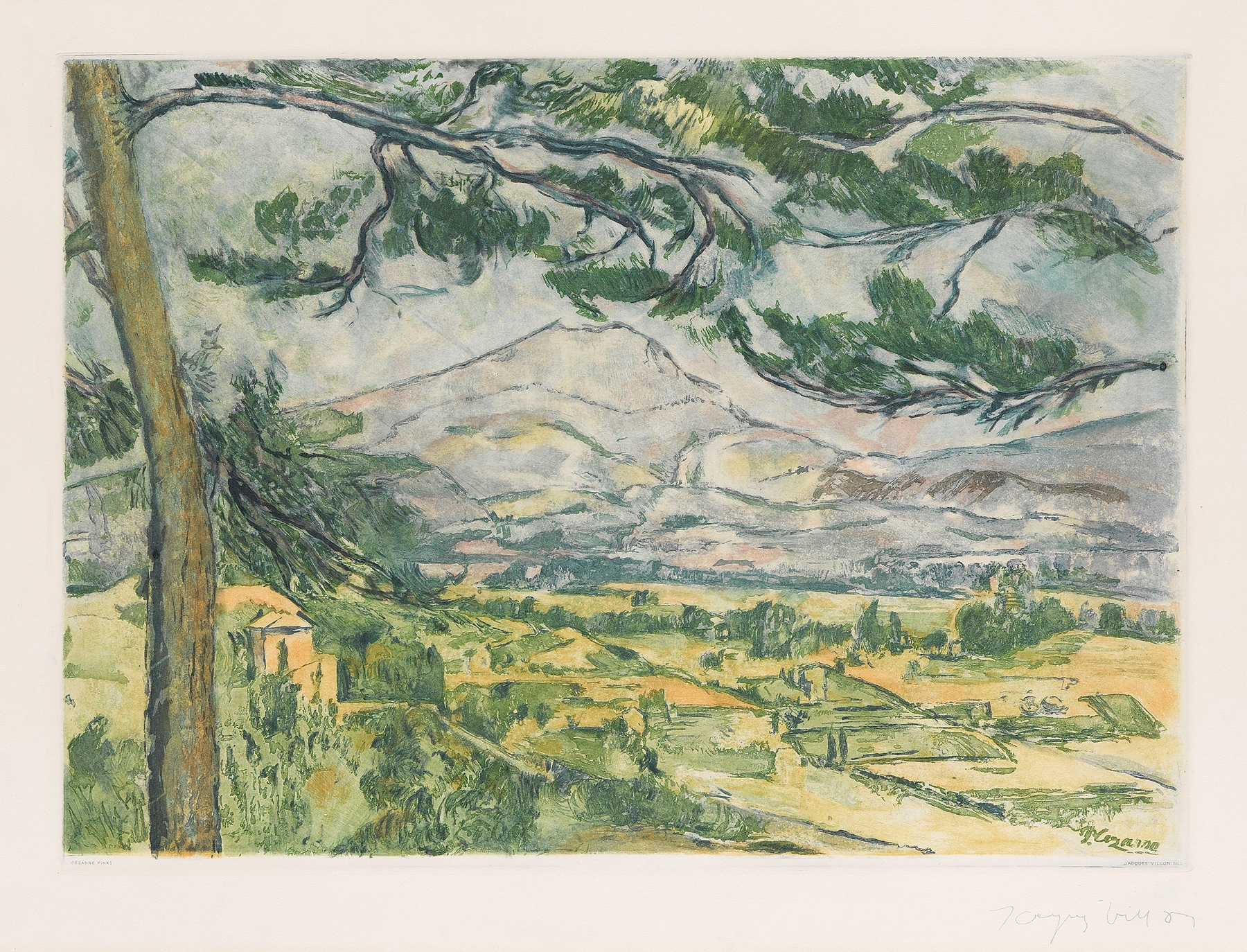
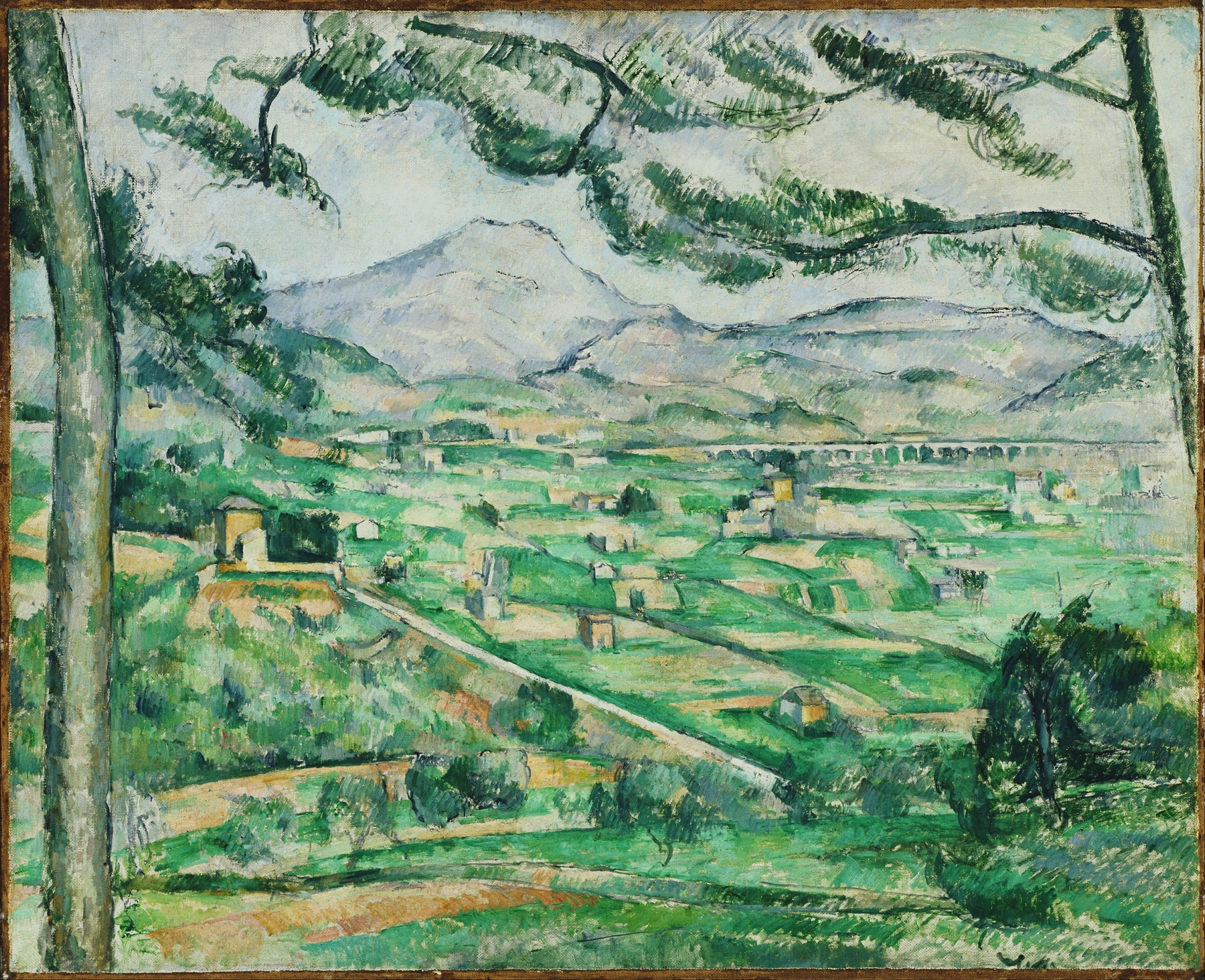
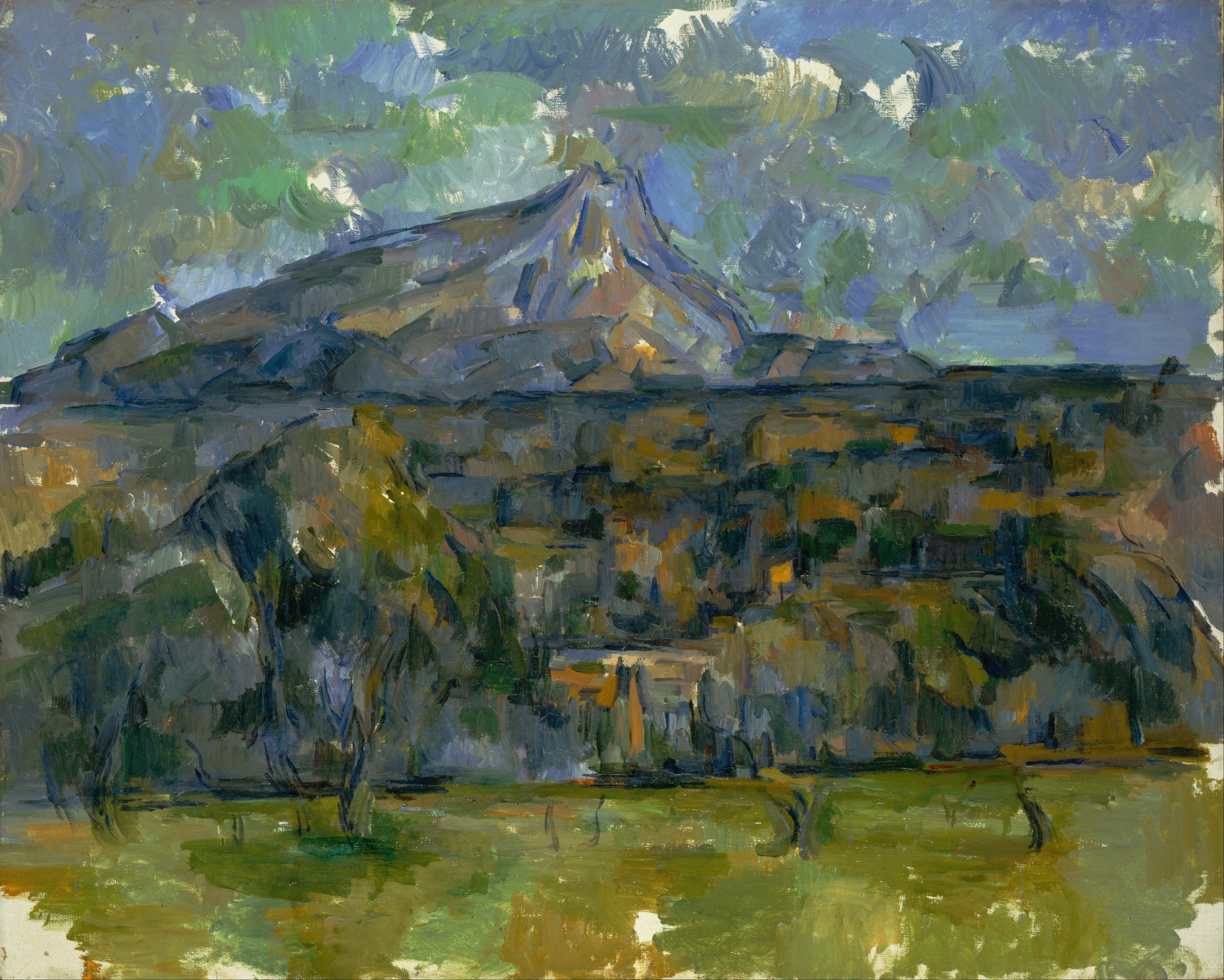
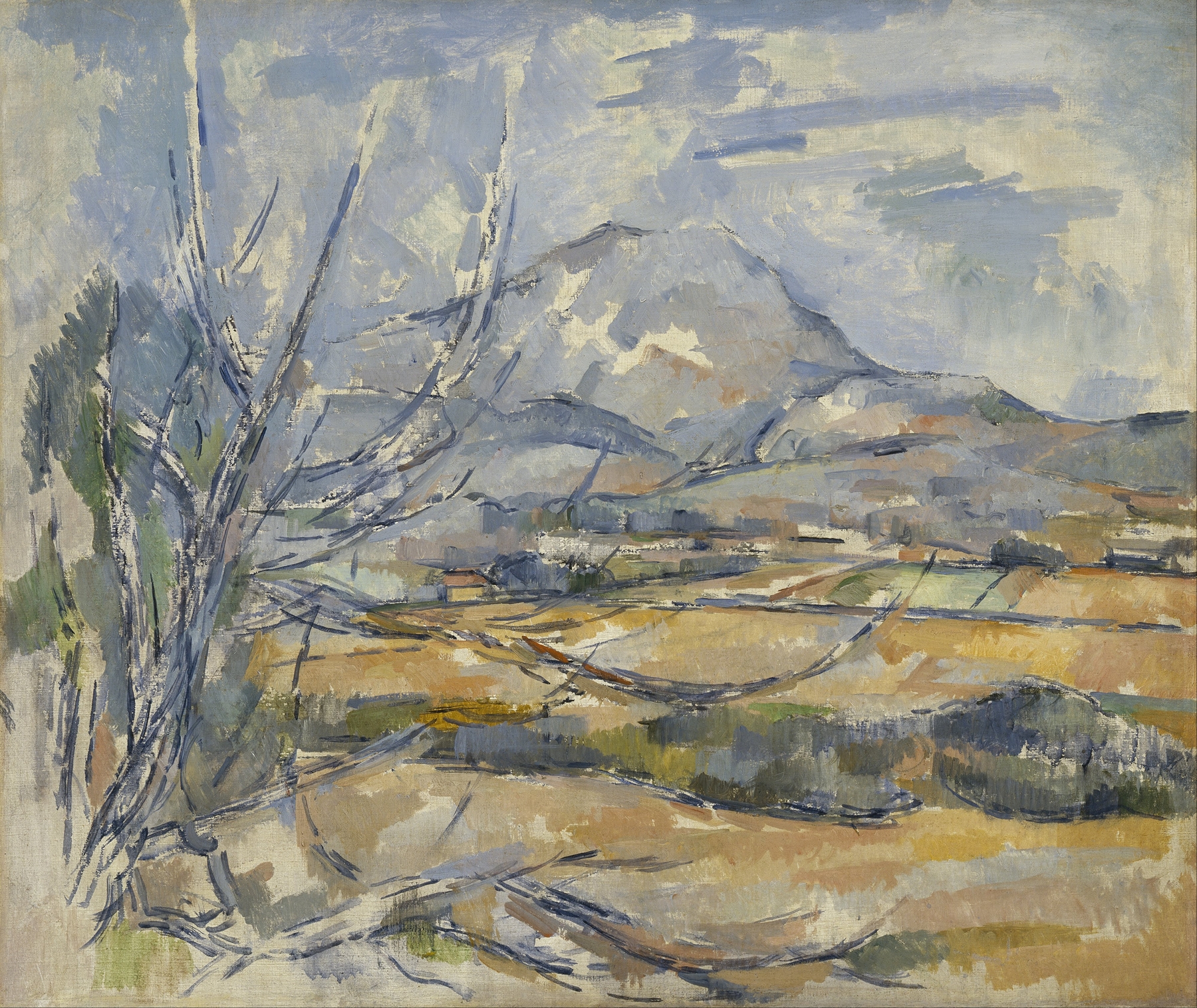
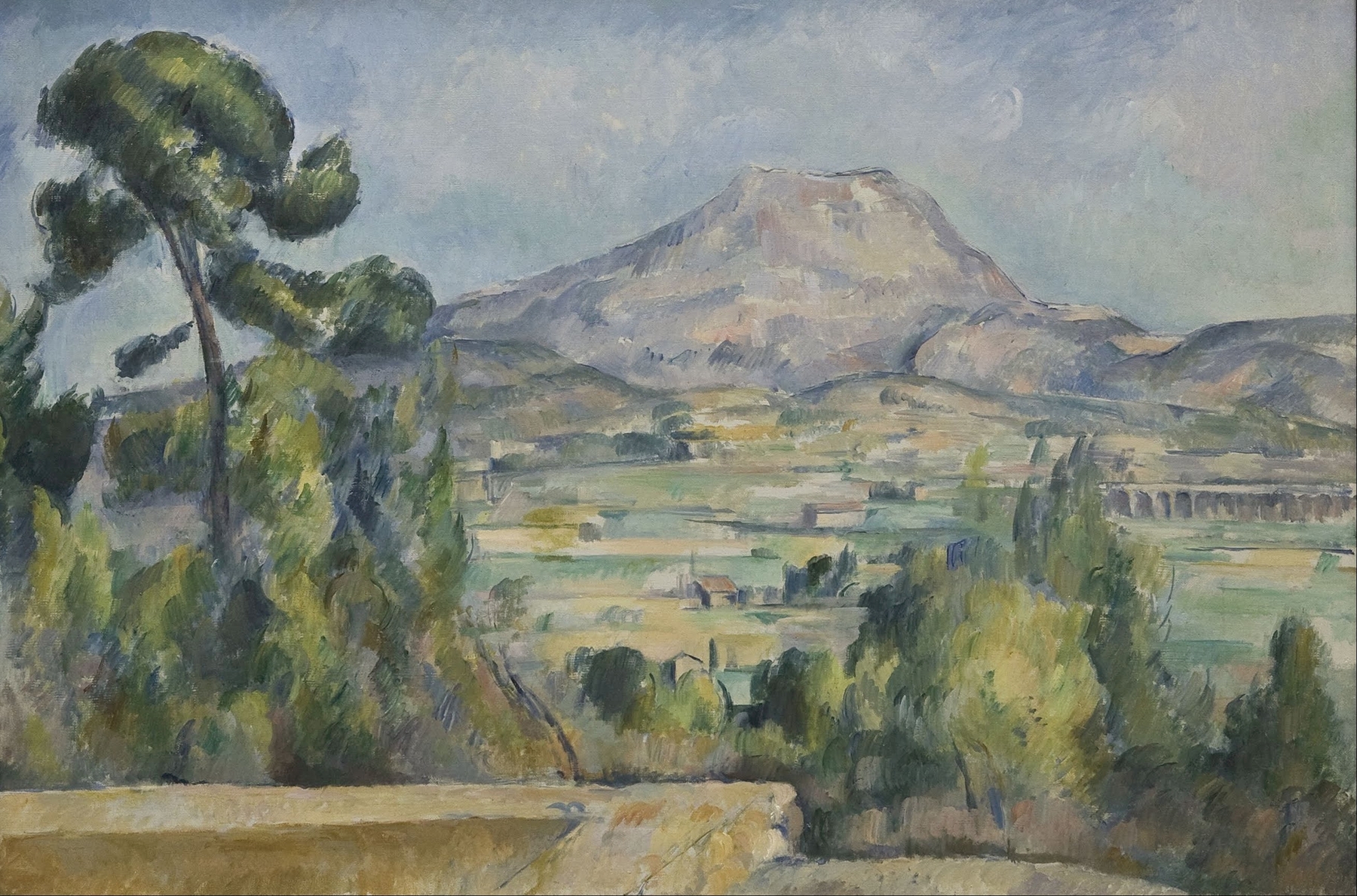
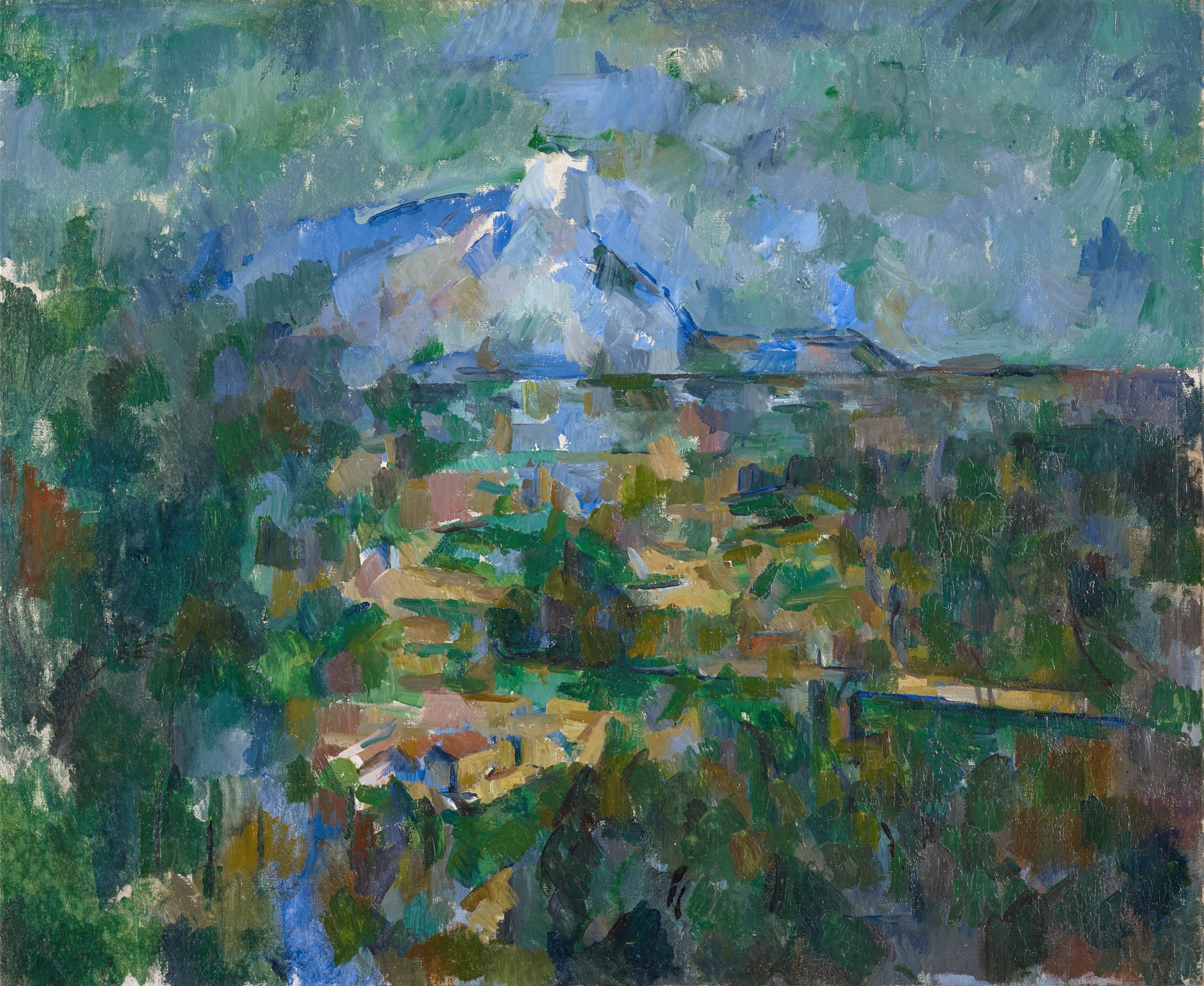
“Between color and silence, truth hides.” In a world where every moment is fleeting, this essence of time resonates within the strokes of a master. Life, like nature, unravels itself in layers, and the landscape before us invites contemplation of the eternal. Look to the left at the bold, defined outline of Montagne Saint-Victoire, its jagged peaks rising as a testament to both strength and fragility. Notice how the rich, earthy tones of ochre and greens harmonize with the soft blues of the sky, evoking a sense of both grounding and expansiveness.
Cézanne employs a series of short, deliberate brushstrokes, building texture that captures the shifting light of the day, revealing the mountain's shifting moods as day turns to dusk. Delve deeper into the fragments of time represented in this work, where the mountain looms both as a stable presence and a temporary witness to the moment. The gentle undulations of the valley below contrast sharply with the imposing rock formation, suggesting the eternal passage of time against the backdrop of nature’s unwavering constancy. Each color choice speaks to a layered emotion, inviting the viewer to ponder their own relationship with the landscape and the moments that shape existence.
Cézanne painted this piece around 1885 while living in Aix-en-Provence, a time marked by profound introspection and his evolving artistic philosophy. The late 19th century saw the rise of Impressionism, yet Cézanne sought to transcend this movement, paving his path toward modernity. His exploration of form and color during this period laid the groundwork for future artistic movements, forever altering the perception of landscape and abstraction.