Montagne Sainte-Victoire,from near Gardanne — History & Analysis
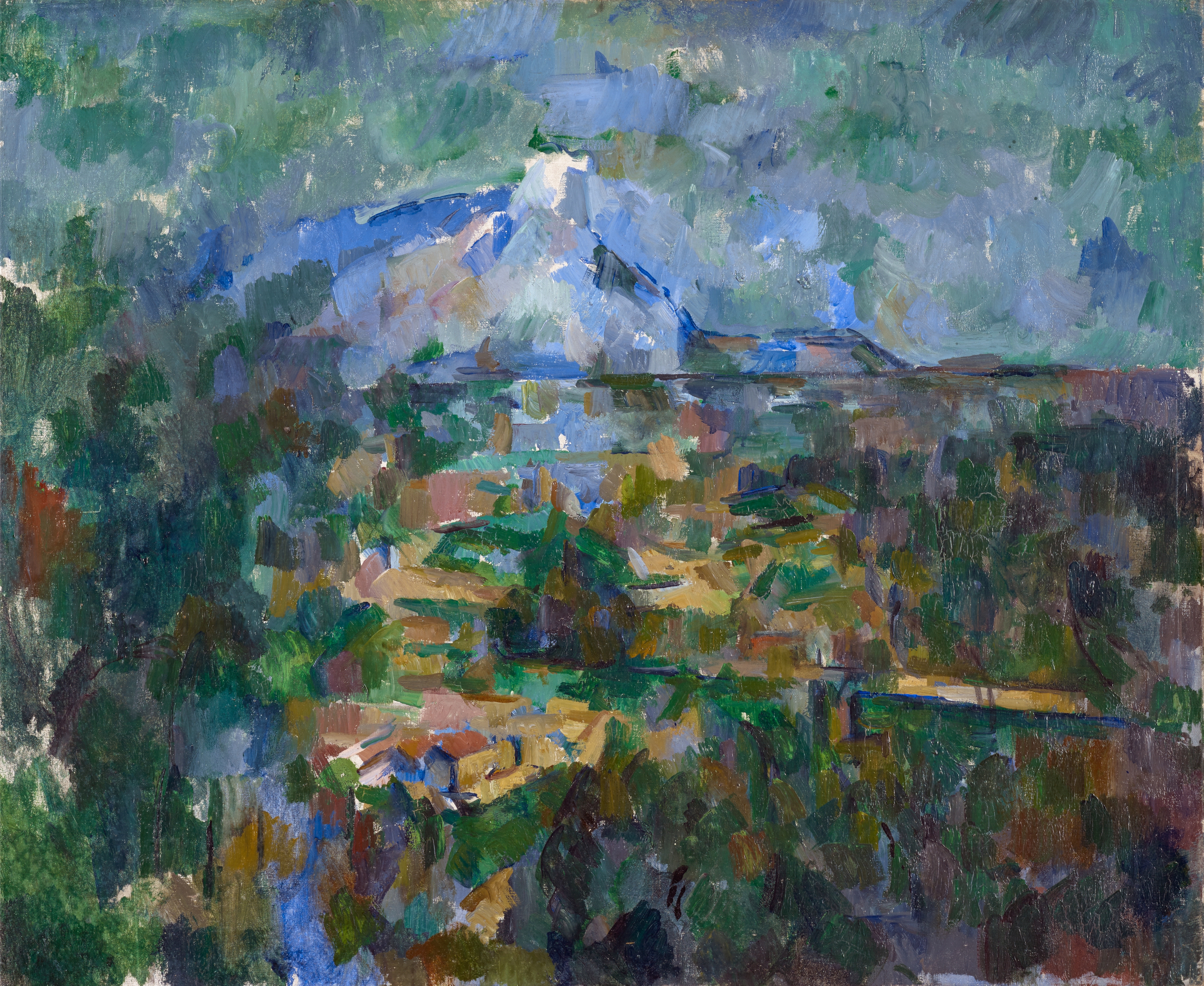
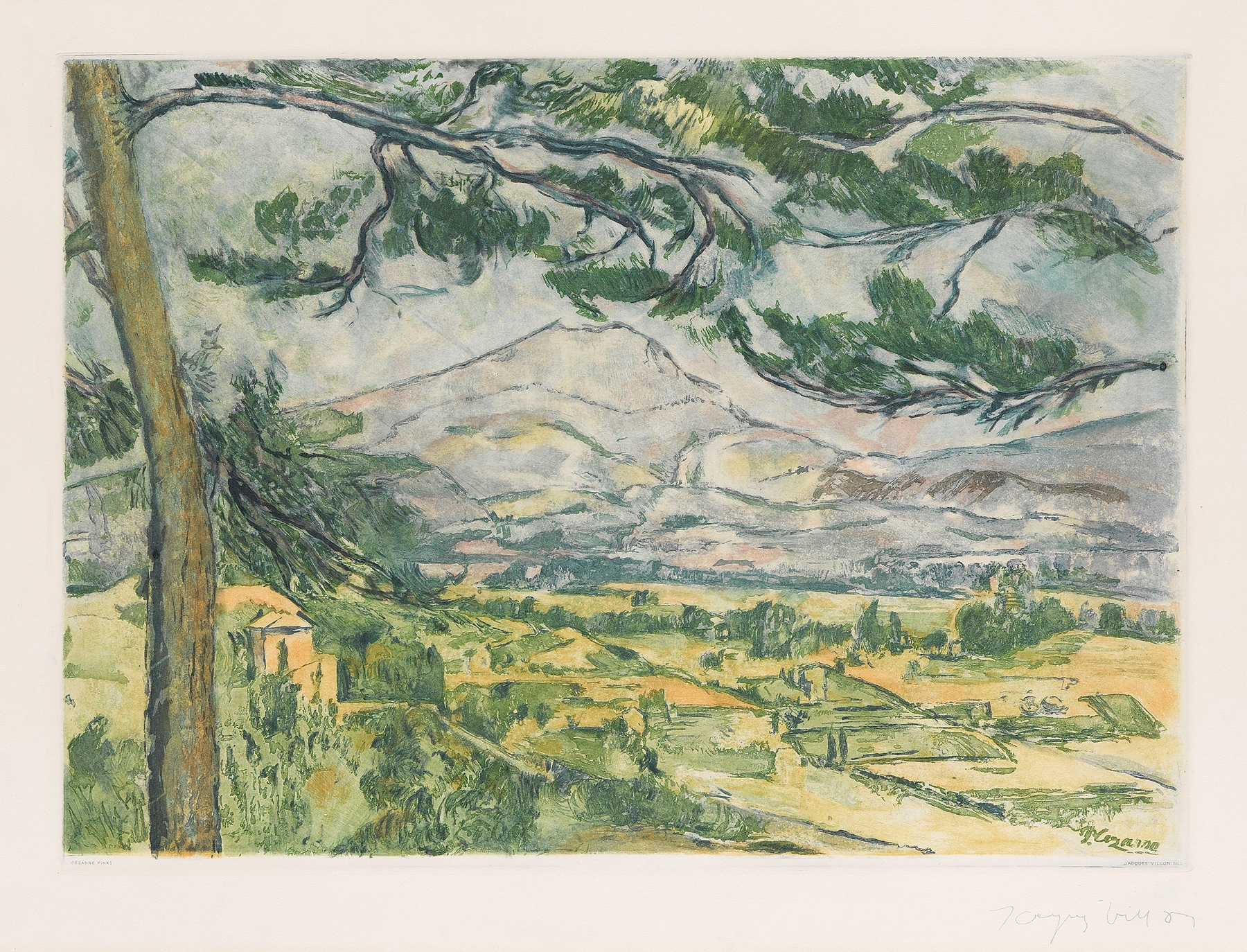
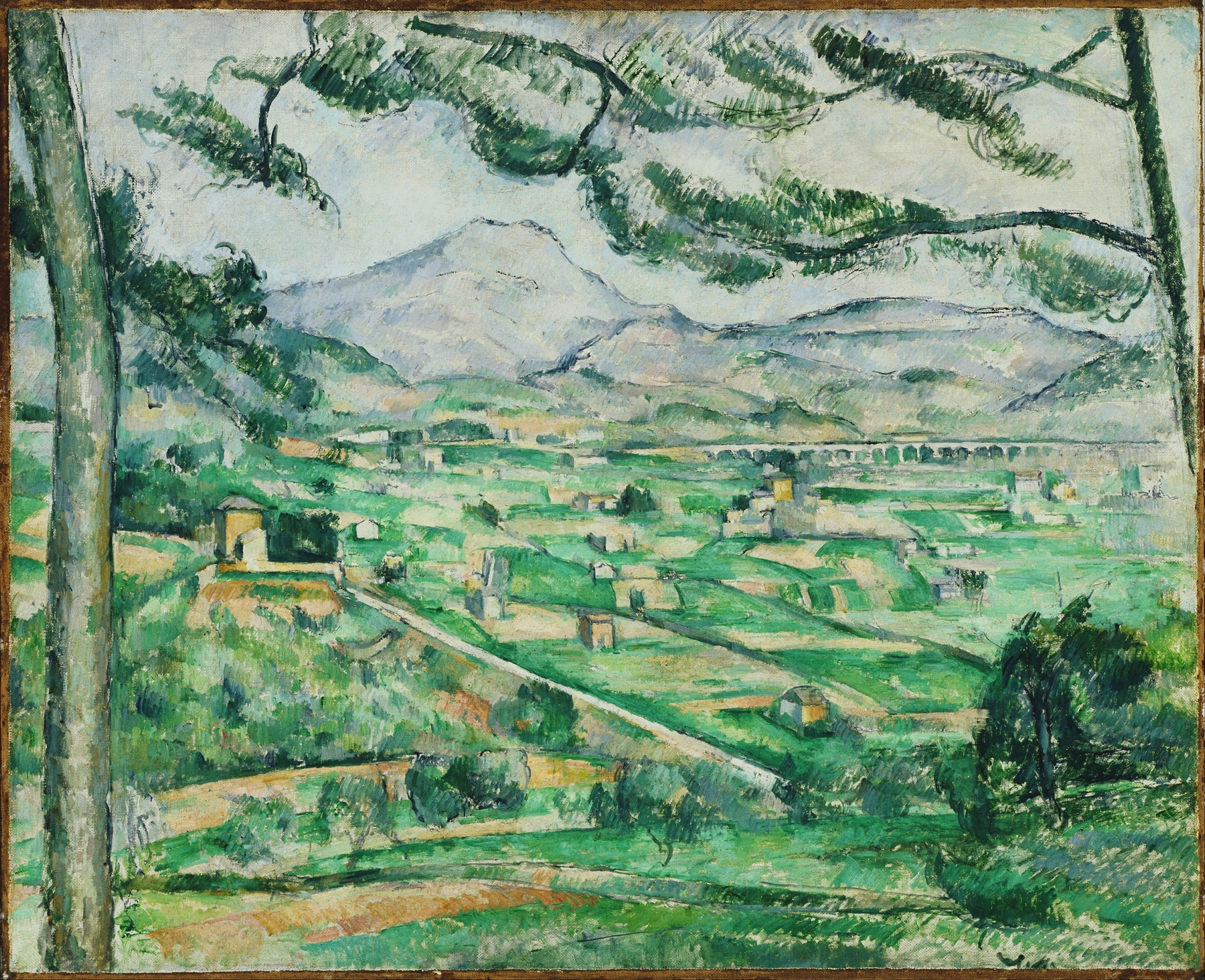
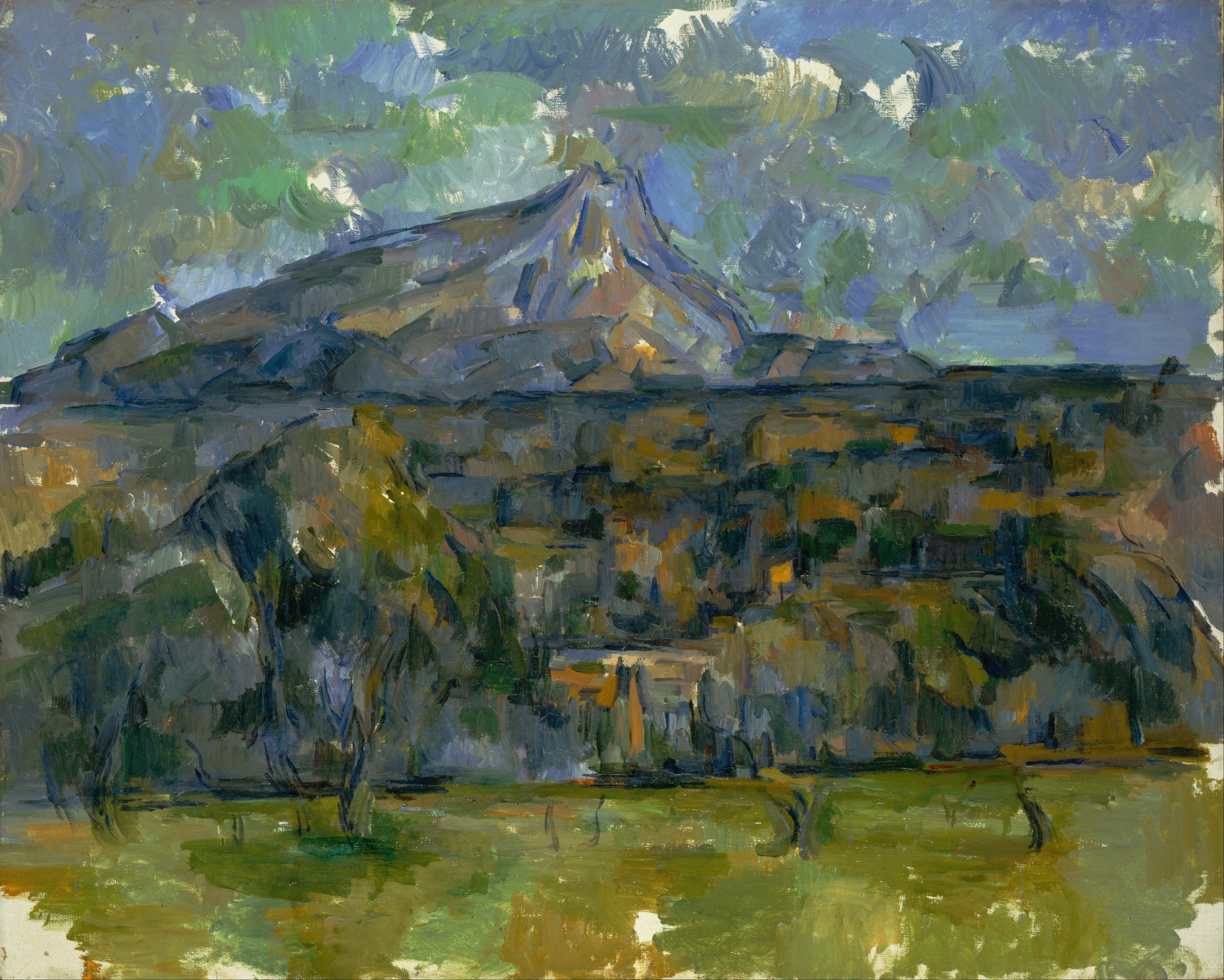
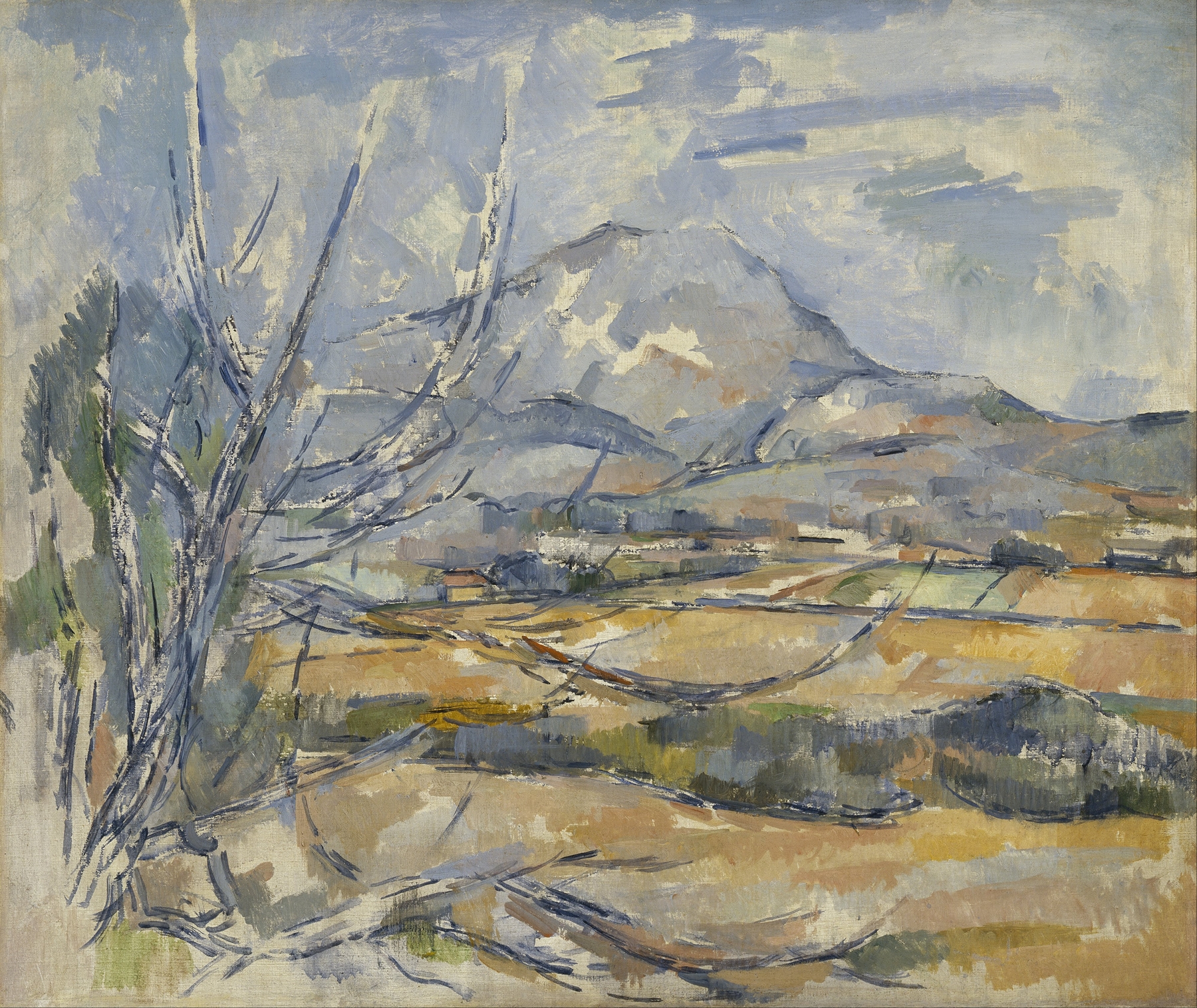
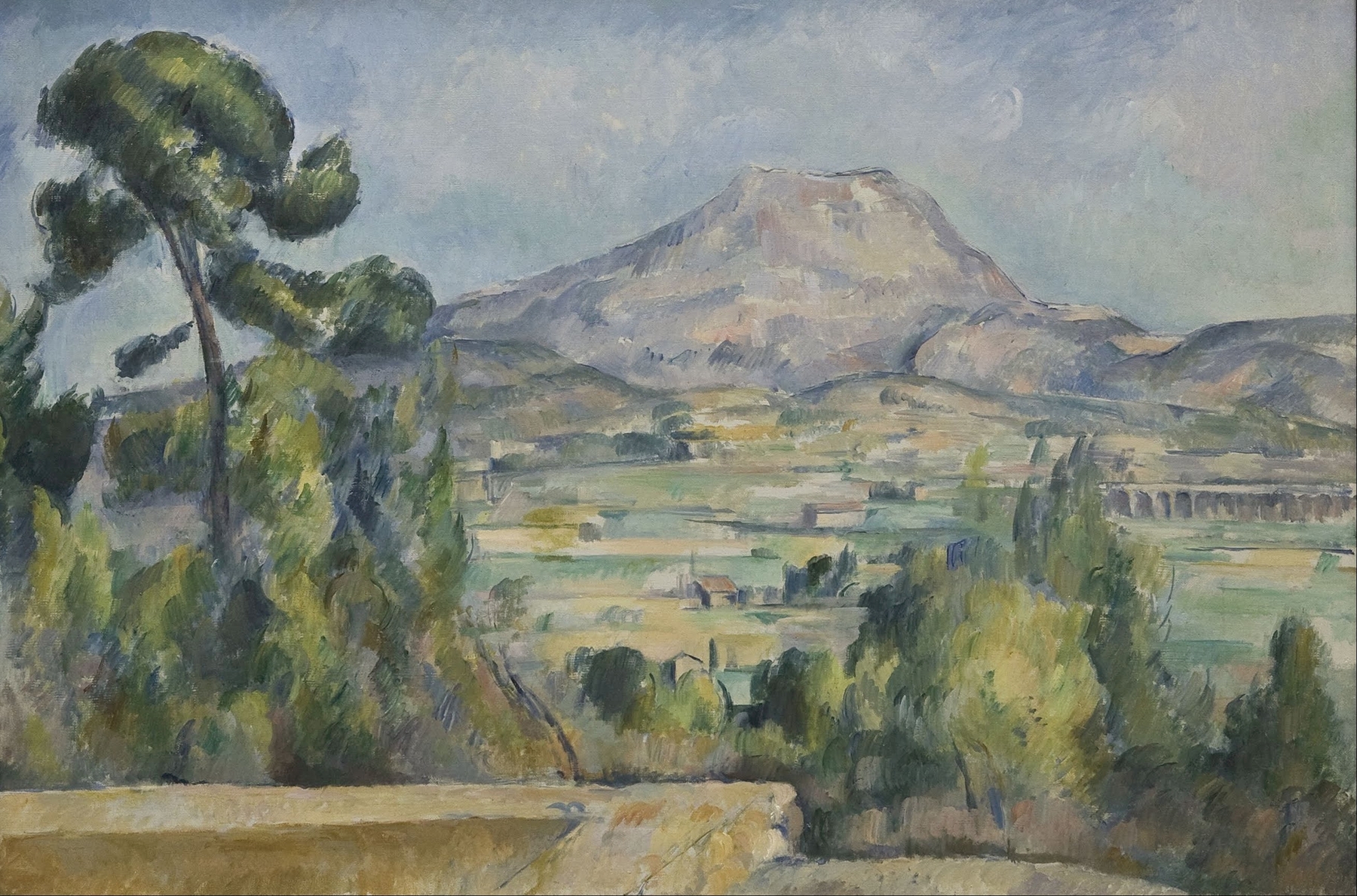
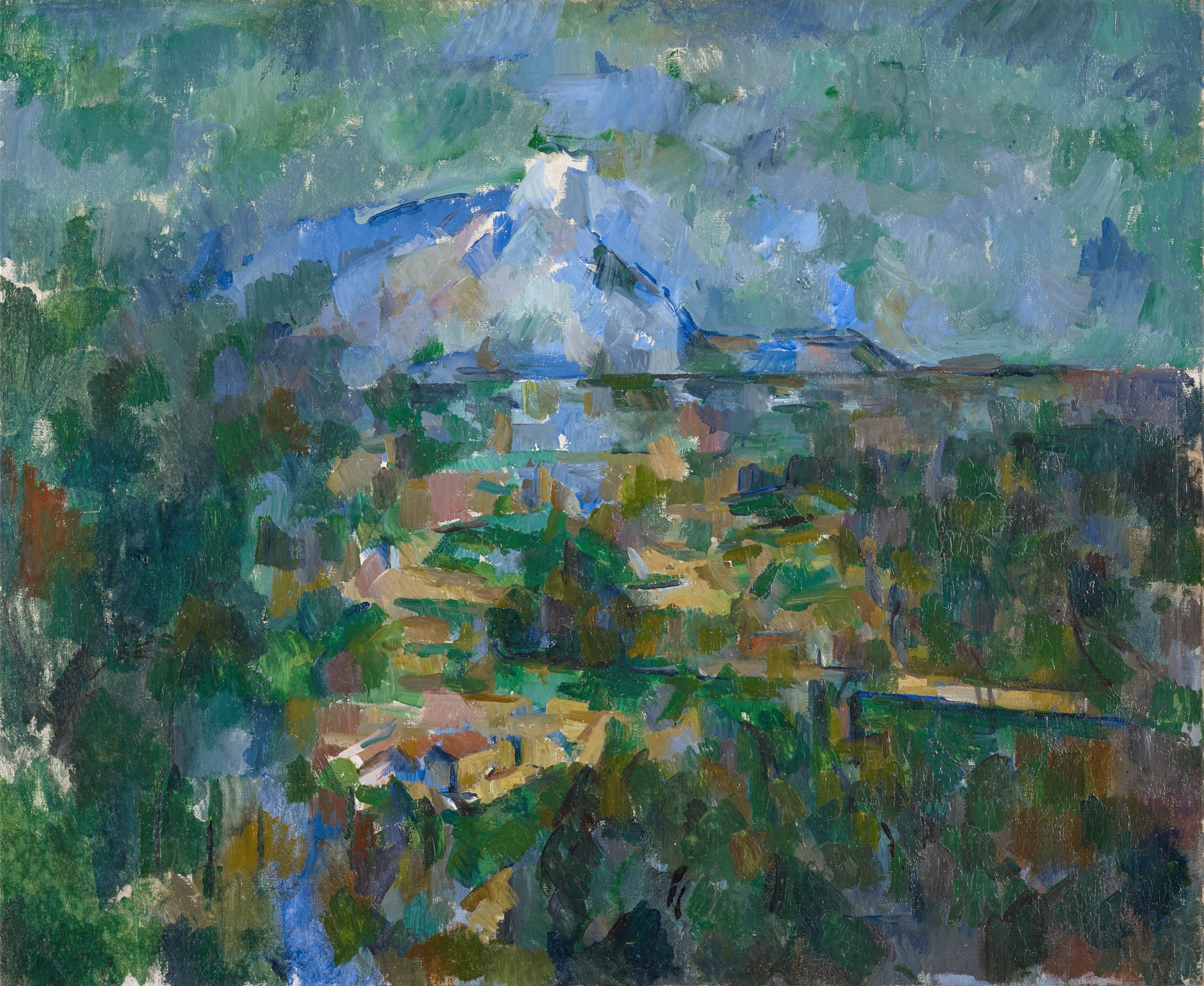
Did the painter know this moment would outlive them? In the quiet embrace of nature, the mountain stands as both witness and muse, an eternal sentinel cradled by the brushstrokes of time. Focus on the vibrant hues that swirl across the canvas, drawing your eye to the majestic Montagne Sainte-Victoire. Notice how the earthy greens and warm ochres create a harmonious balance, grounding the mountain in a tranquil landscape. The play of light across its rugged surface invites a sense of awe, each stroke revealing the texture and form with a palpable touch.
The composition guides your gaze upward, creating a dialogue between the earth and sky, while the deliberate geometries hint at the artist's innovative approach to perspective and structure. Hidden within this seemingly serene vista lies a deep emotional resonance. The juxtaposition of the solid mountain against the softer, billowing clouds evokes a sense of stability amidst the ever-changing world. Small details—like the delicate interplay of light filtering through the trees—reflect the passage of time and the fleeting nature of beauty. This tension between permanence and transience invites viewers to contemplate their own relationship with nature, settling into a moment of reflection.
In the late 1880s, Cézanne was living in Aix-en-Provence, where he began to redefine the landscape genre. This period was marked by personal struggle and artistic exploration, as he sought to break free from traditional conventions. The Impressionist movement of the time influenced his work, but his distinctive style pointed towards modernism, ultimately shaping the trajectory of 20th-century art. With Montagne Sainte-Victoire, he captured not just a view, but a profound connection between humanity and the natural world.