Monument ved Stikklestad — History & Analysis
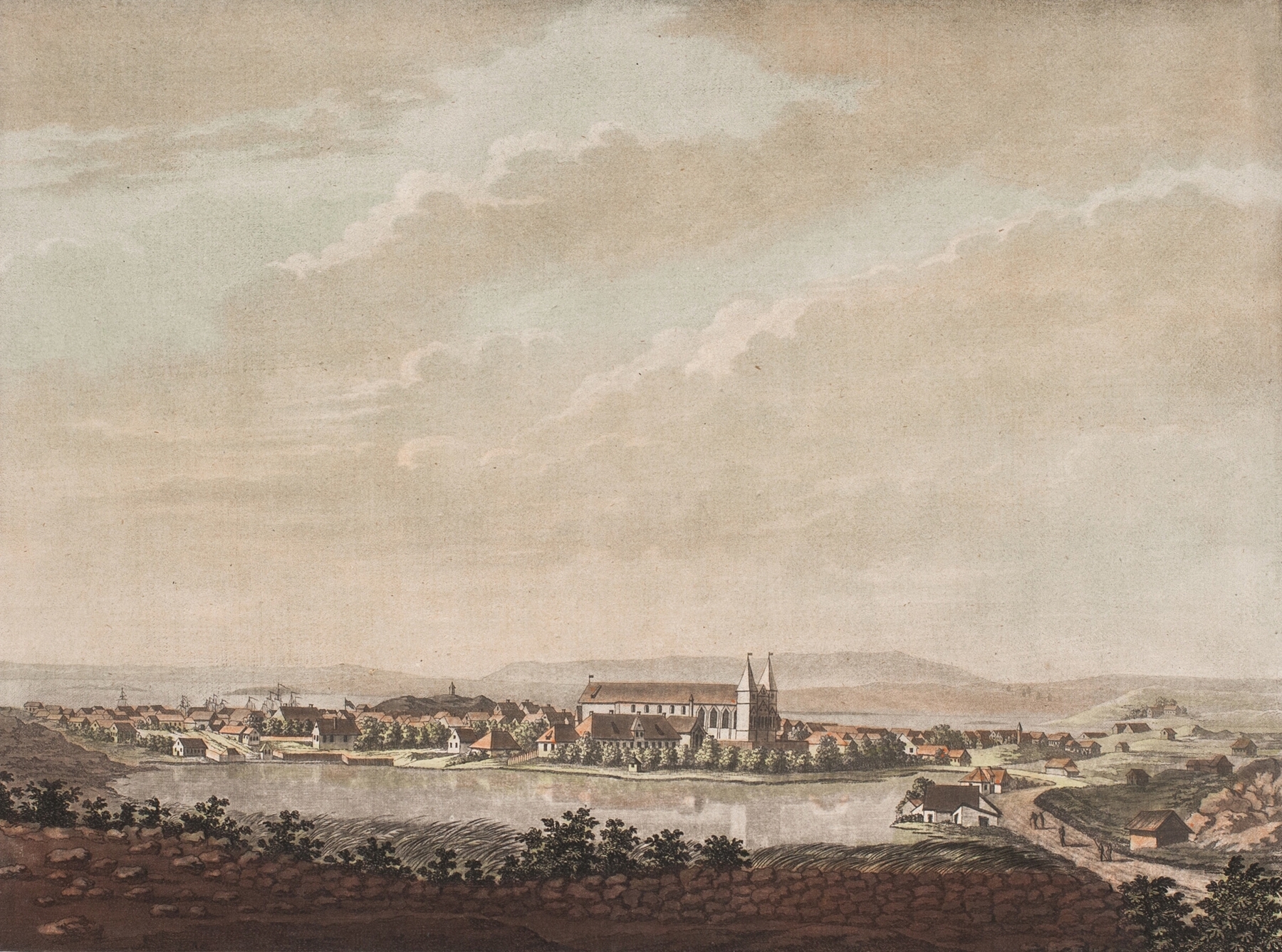
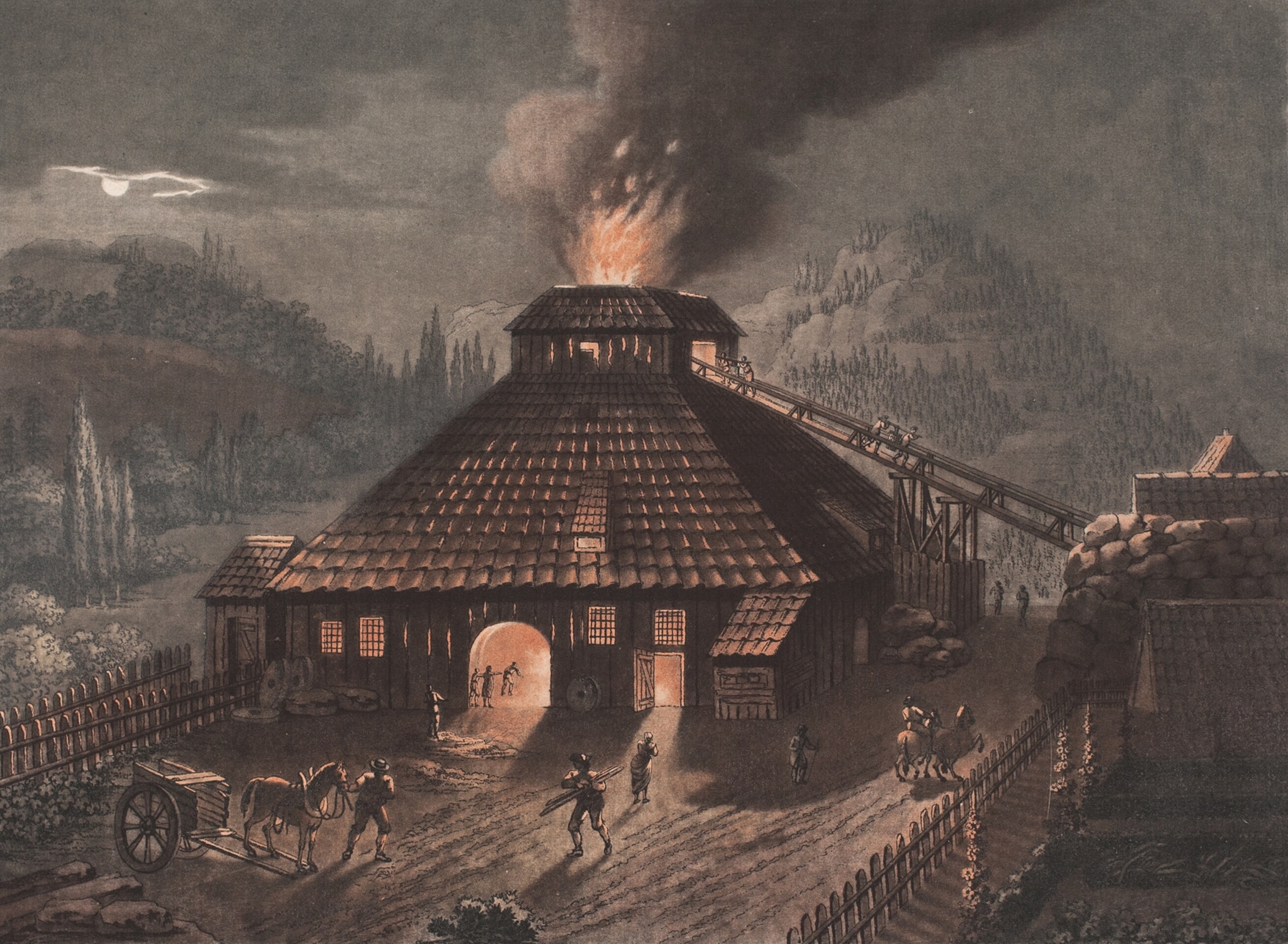
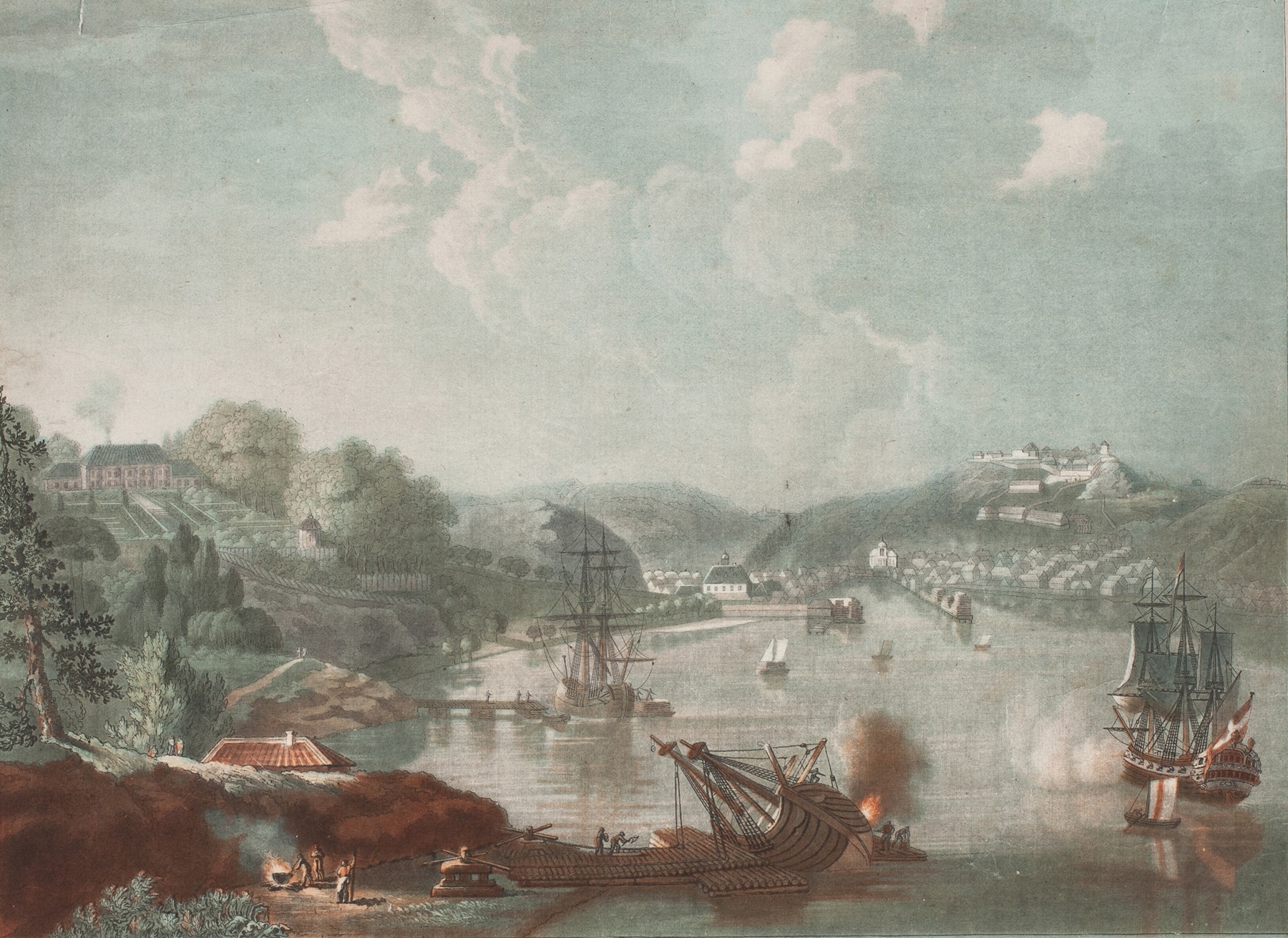
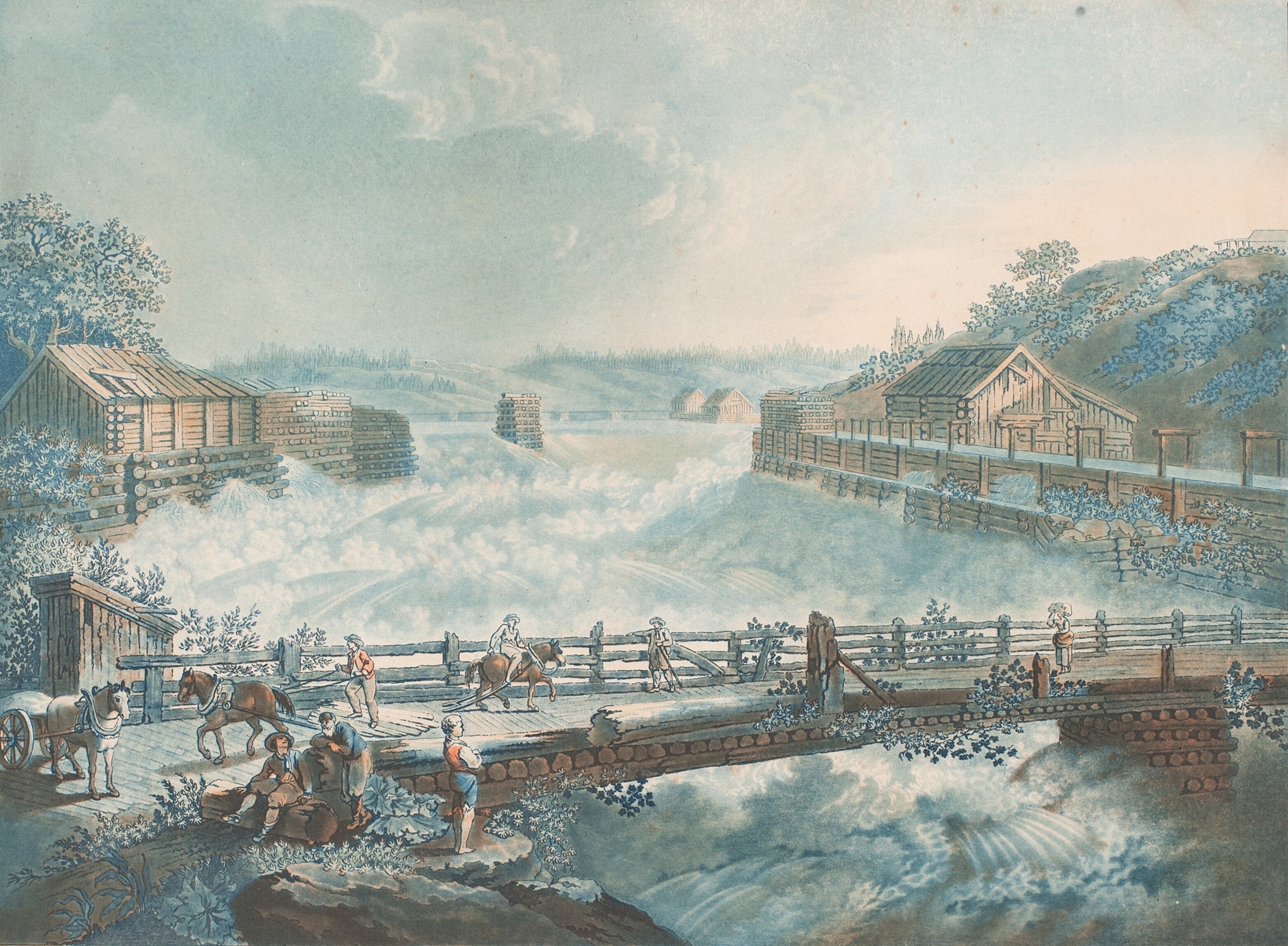
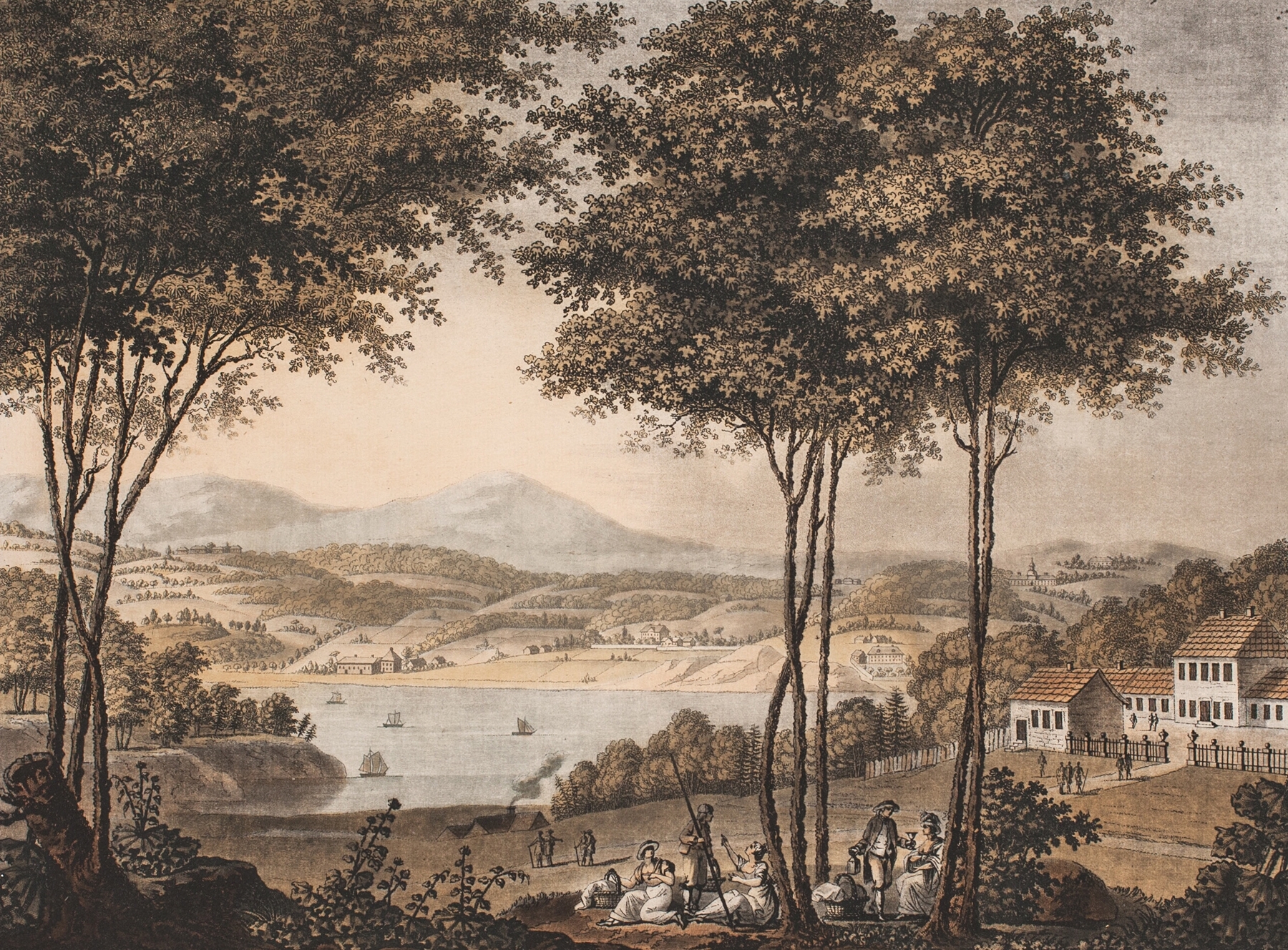
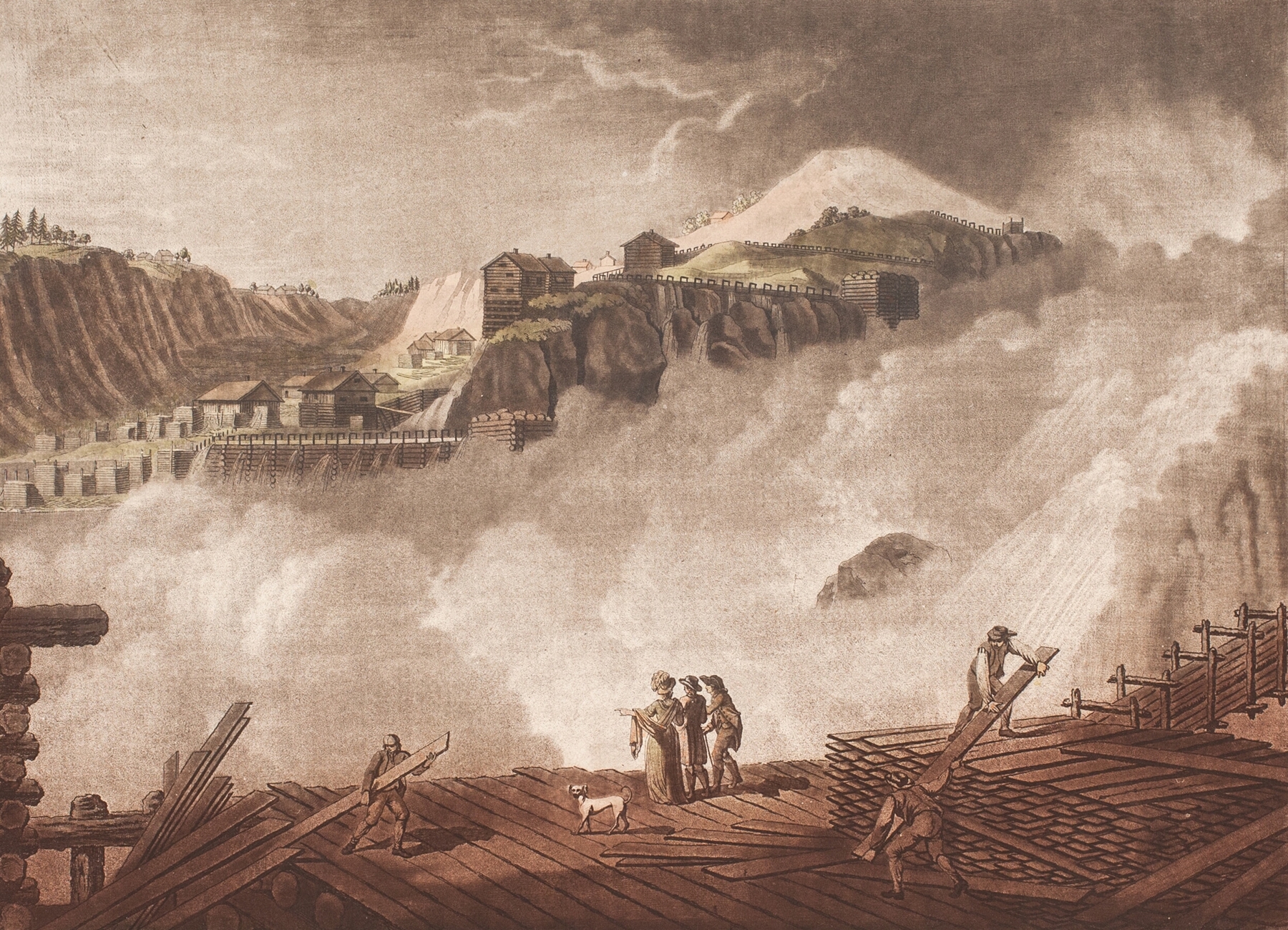
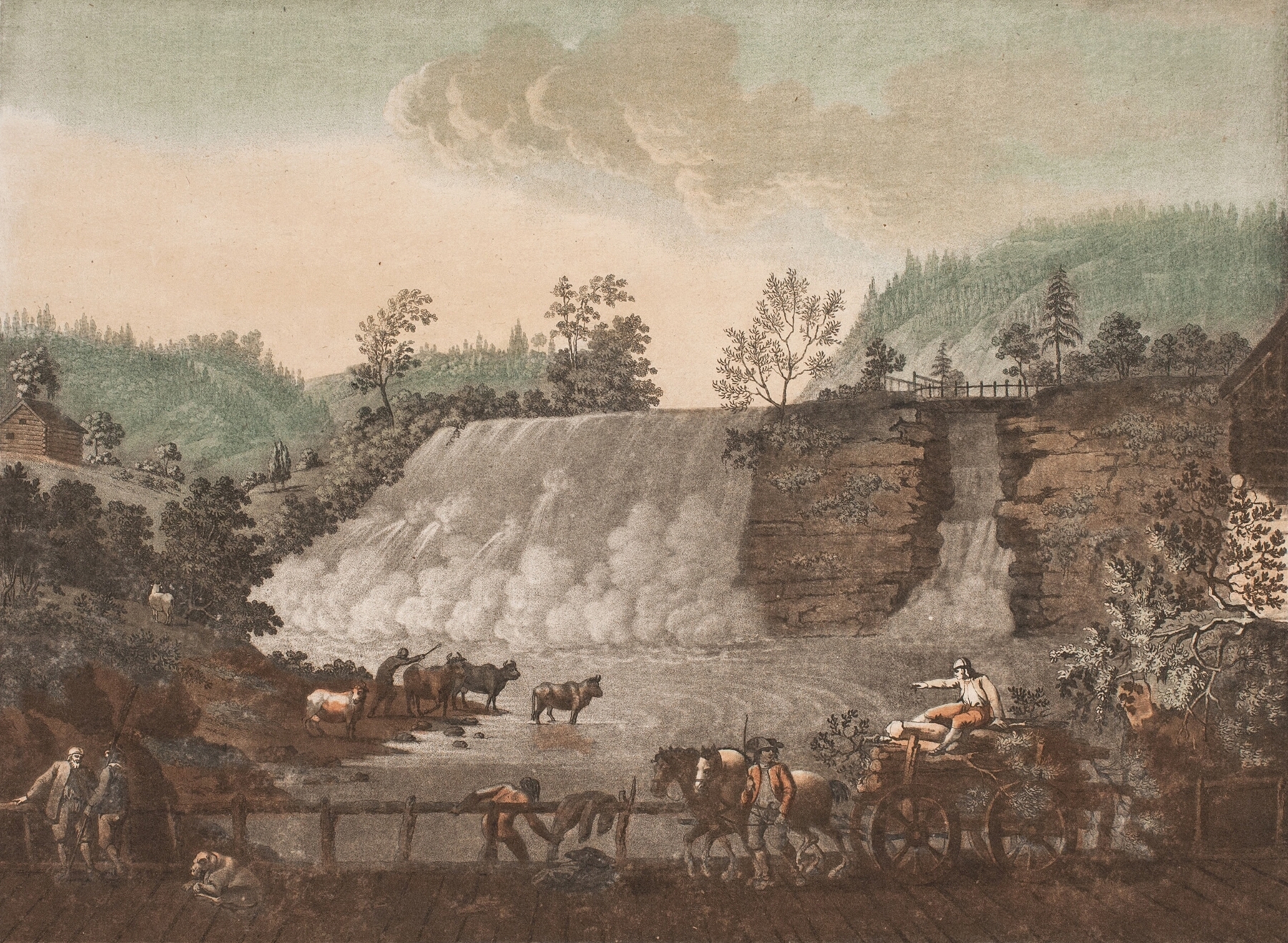
What if beauty was never meant to be finished? In Monument ved Stikklestad, the essence of hope is captured, inviting viewers to ponder the possibilities that lie beyond completion. Look towards the towering monument at the center, carved from stone with delicate, flowing lines that speak of both permanence and fragility. The soft hues of the surrounding landscape contrast with the stark monument, highlighting its significance and drawing the eye upward.
Notice how the light bathes the sculpture in a gentle glow, creating a halo that emphasizes its solemnity while suggesting the promise of something yet to come. Within the artwork, the monument stands as a testament to a moment in history, yet it resonates with timeless themes of sacrifice and remembrance. The surrounding foliage, lush and vibrant, represents the cycle of life and renewal, creating a poignant tension between the monument's rigid form and the organic world around it. Each detail—from the shifting shadows to the tender green of the leaves—carries meaning, evoking a sense of optimism in the face of mortality.
Georg Haas painted Monument ved Stikklestad during a significant period between 1790 and 1890, a time when Norway was grappling with its cultural identity post-unification with Sweden. The era witnessed a growing interest in national history and heritage, reflected in Haas's choice to commemorate a pivotal battlefield site. This work not only captures a moment of beauty but also reflects the artist’s desire to inspire future generations through the lens of historical significance.