Mountains Seen beyond a Lake — History & Analysis
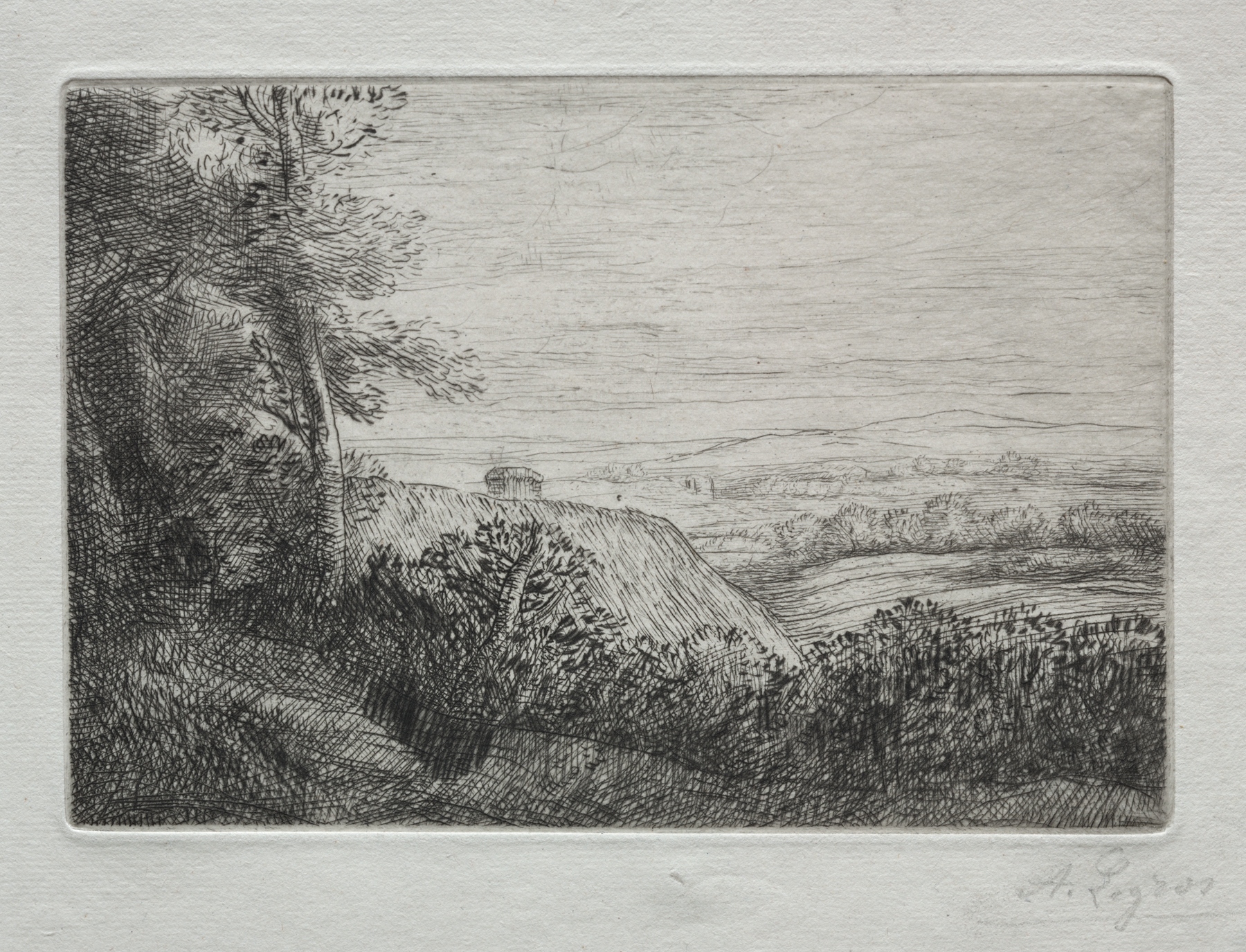
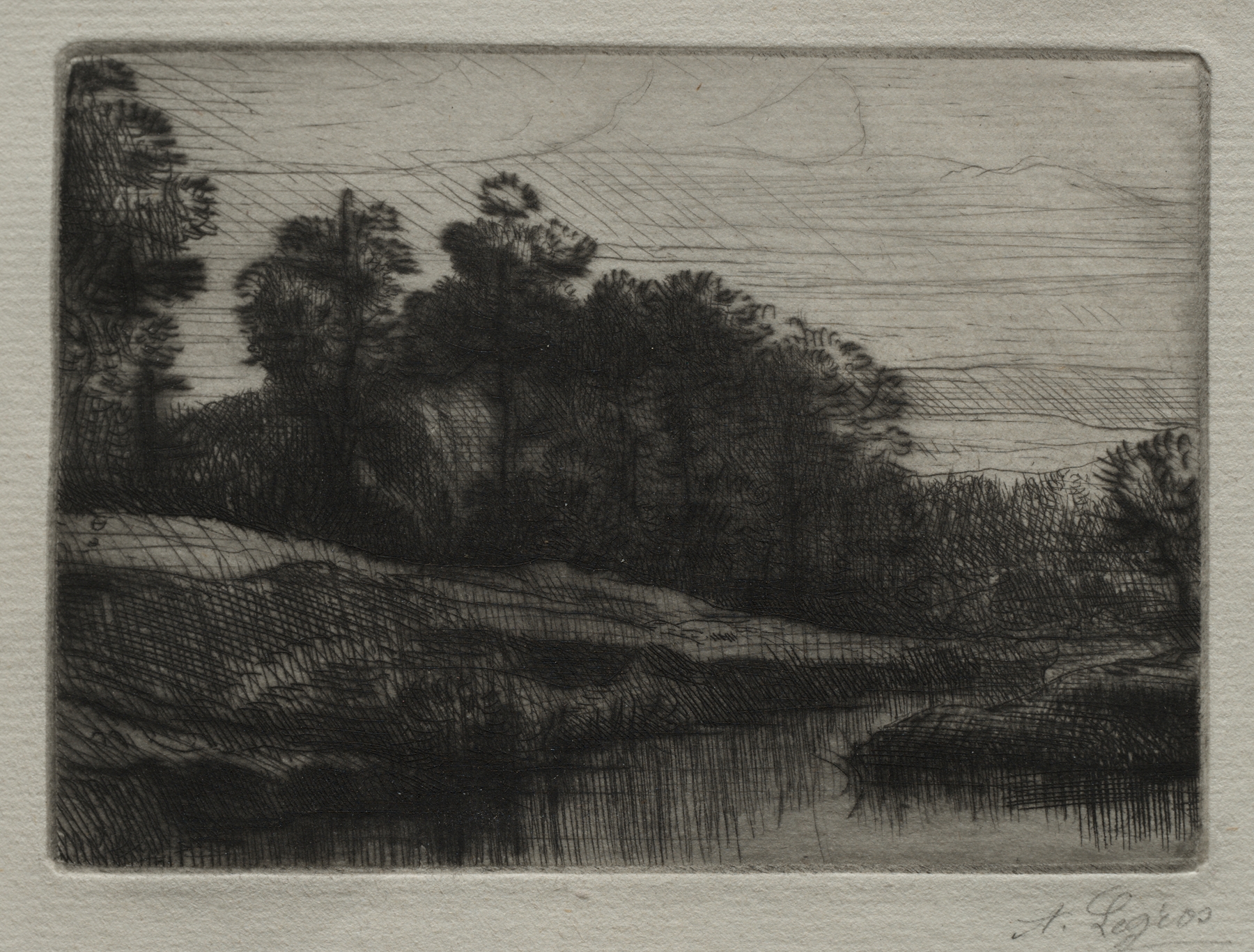
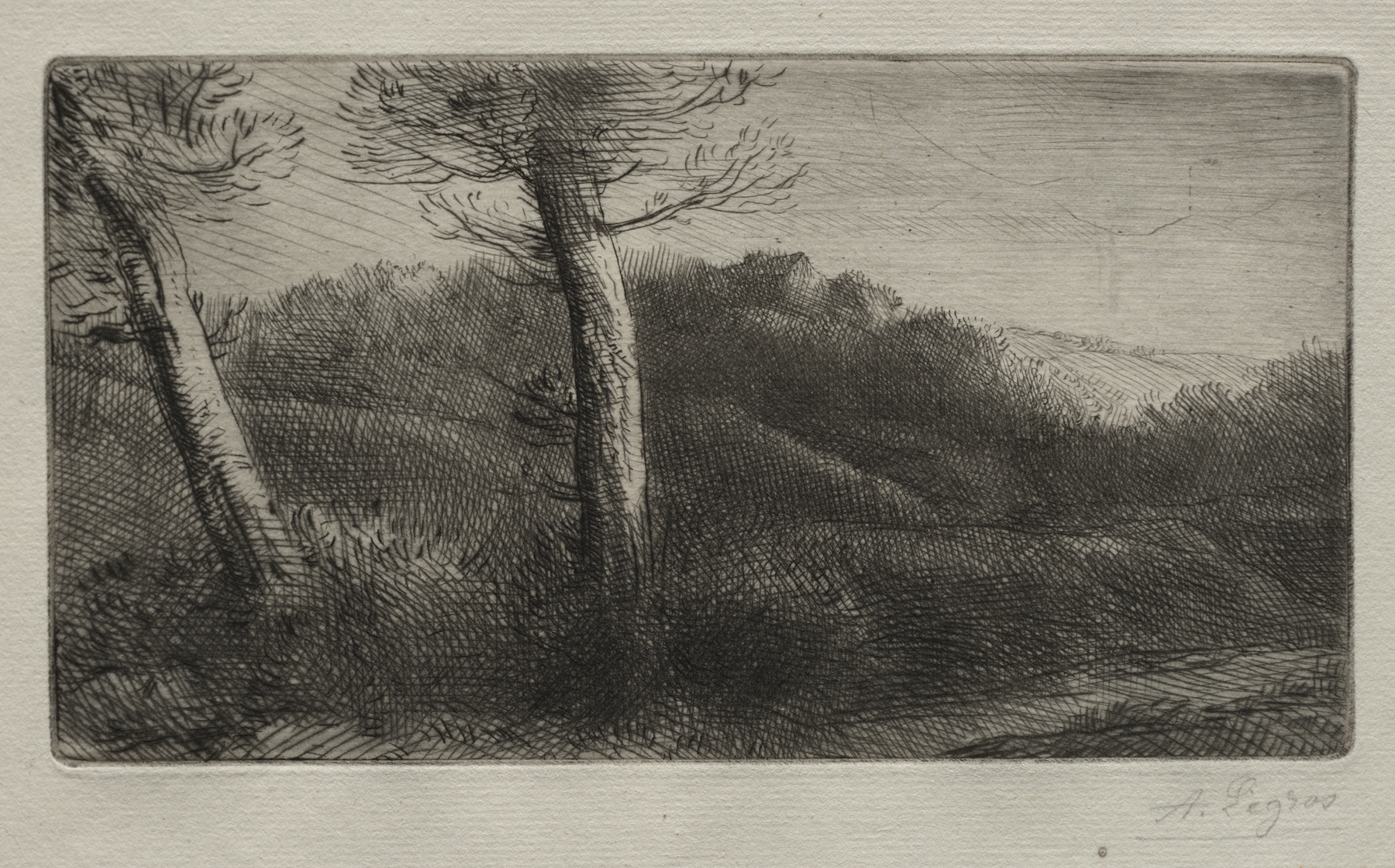
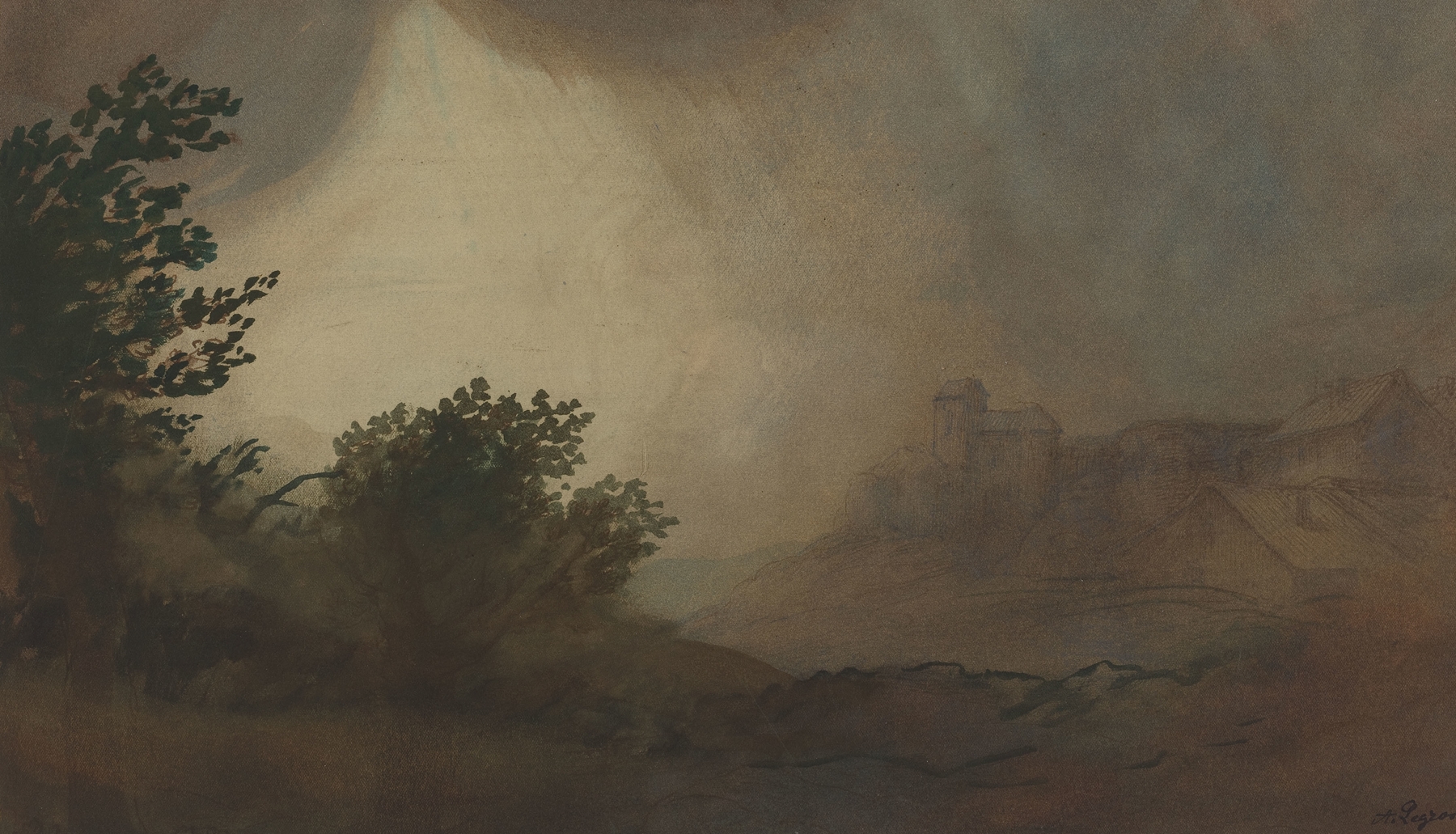
Where does light end, and longing begin? In the delicate interplay of nature's elements, one finds the truth of fragility—an unguarded moment captured in time. Focus first on the horizon, where the gentle rise of mountains meets the soft, reflective surface of a tranquil lake. The muted palette, suffused with shades of blue and gray, beckons the eye, drawing it along the water’s edge.
Here, Legros employs a masterful technique of chiaroscuro, infusing depth into the landscape while allowing the light to dance across the scene, illuminating not just the terrain but also the emotions that lie within it. Notice the subtle tension between the solid mountains and the ephemeral water, which mirrors the weight of human longing and the transience of existence. The edges of the mountains seem almost to dissolve into the air, evoking a sense of yearning for what lies beyond. This landscape is not merely a depiction of scenery; it reflects the artist's exploration of the fragility of life and nature's beauty, resonating with those who gaze upon it.
During the late 19th century, while living in London, the artist created this piece amidst a burgeoning interest in naturalism and the emotive power of landscapes. It was a period marked by a search for authenticity in art, as Legros grappled with his identity and surroundings, influenced by the shifting tides of the art world around him. In this context, Mountains Seen beyond a Lake becomes a poignant expression of the artist’s introspection and the delicate balance between solidity and transience.